






Changzhou Veidt Weighing Co., Ltd. © 2022 ALL RIGHTS RESERVED Privacy Policy | Calibration Weight | Test Weights | Cast Iron Weights | Standard Weights | Laboratory Weights | XML | SITEMAP
Product Category
Commercial Scale
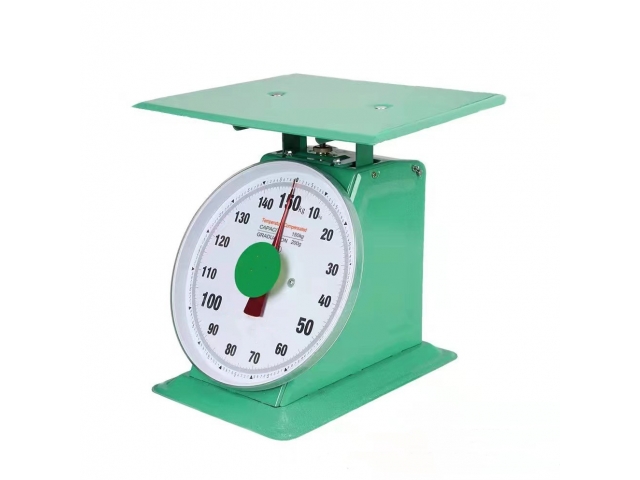
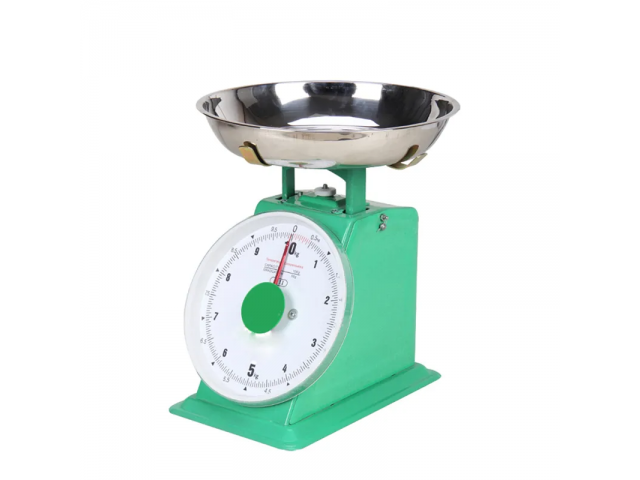
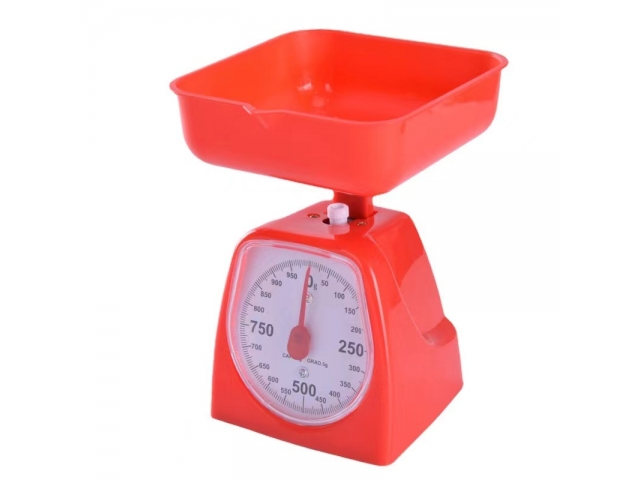
Commercial scales stand as indispensable foundational equipment across modern industrial, commercial, and service sectors, serving as the core tool for accurate weight measurement in daily business operations and industrial production processes. Unlike ordinary household weighing tools that only meet basic casual weighing needs, commercial scales are engineered to sustain long-term, high-frequency, and high-precision weighing work, adapting to the complex and rigorous measurement requirements of commercial transactions, production processing, quality inspection, and logistics management. In every link where commodity value confirmation, product quality control, and data-based operational management are required, commercial scales provide objective and reliable weight data support, laying a solid foundation for standardized business operations and orderly industrial production. The functional positioning of commercial scales determines their inherent characteristics of stability, durability, and precision, making them a key infrastructure that runs through the entire industrial and commercial supply chain, from raw material procurement and processing production to finished product sales, inventory management, and logistics distribution. Without standardized and accurate commercial weighing equipment, modern commercial trading and industrial production systems would lose an important quantitative basis, leading to chaotic measurement data, unregulated transaction processes, and uncontrollable product quality, which would seriously restrict the healthy development of various industries.
The evolution of commercial scale technology has always been closely linked with the progress of commercial civilization and industrial technology iteration. In the early stage of commercial development, traditional mechanical weighing tools relied on lever balance principles to realize simple weight comparison, which could only meet the most basic low-precision weighing scenarios of bulk commodity transactions. With the gradual expansion of commercial transaction scales and the refinement of industrial production division of labor, the limitations of mechanical weighing equipment became increasingly prominent, including low measurement accuracy, slow weighing speed, poor anti-interference ability, and inability to adapt to high-intensity continuous work. With the continuous breakthrough of electronic sensing technology, digital signal processing technology, and intelligent control technology, commercial scales have completed the transformation from mechanical structure to electronic intelligent structure, realizing qualitative leaps in weighing accuracy, response speed, operational stability, and functional diversity. Modern commercial scales no longer merely complete simple weight reading; they integrate data collection, real-time transmission, intelligent analysis, and automatic control functions, evolving from single weighing tools into multi-functional intelligent terminal equipment that supports industrial and commercial digital management.
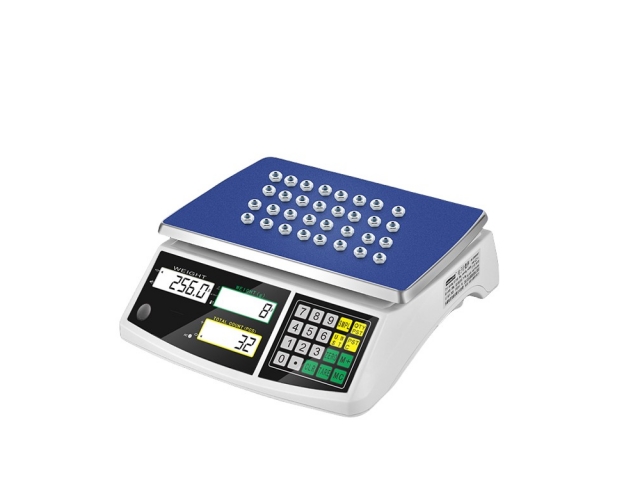
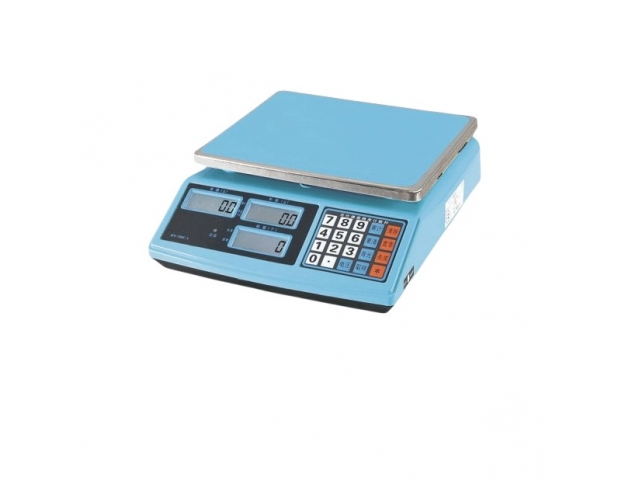
The application scenarios of commercial scales cover almost all fields involving commodity measurement and industrial metrology, showing extremely strong industry universality and scenario adaptability. In the retail industry, commercial scales are widely used in fresh food supermarkets, grocery stores, specialty food stores, and daily commodity retail outlets, completing accurate weighing and value calculation of bulk goods such as fruits, vegetables, meat, and grain. This scenario requires commercial scales to have fast response speed, simple operation logic, and stable long-term use performance, to meet the high-frequency weighing demands of peak customer traffic and ensure the fairness and efficiency of retail transactions. In the catering and food processing industry, commercial scales undertake the precise proportioning of raw materials, quantitative control of finished products, and weight detection of semi-finished products. Accurate weighing data directly affects the taste consistency, nutritional balance, and product standardization of food products, becoming an important guarantee for standardized production of catering chains and food processing enterprises.
In industrial production and manufacturing fields, commercial scales play a more critical role in process control and quality management. Many manufacturing links require precise quantitative feeding and proportioning of raw materials, and tiny weight deviations may lead to changes in product composition, resulting in unqualified product quality or reduced production yield. Industrial-grade commercial scales can adapt to harsh production environments such as high dust, humidity changes, and mechanical vibration, maintaining stable measurement accuracy in long-term continuous production operations. In chemical production, building materials processing, plastic manufacturing, and pharmaceutical production industries, commercial scales realize accurate metering of raw material input and finished product output, helping enterprises realize precise production control, reduce raw material waste, and improve production efficiency. At the same time, in the product quality inspection link, commercial scales are used for sampling weighing of finished products to detect whether the product weight meets the design specifications, effectively avoiding the outflow of unqualified products caused by weight deviation and ensuring the overall quality level of enterprise products.
The logistics and warehousing industry is another core application field of modern commercial scales, where weighing data is an important basis for cargo sorting, freight calculation, inventory statistics, and supply chain management. In warehousing management, commercial scales are used for incoming material weighing, inventory regular weighing verification, and outgoing cargo weighing, helping enterprises establish accurate inventory data accounts, realize dynamic monitoring of material reserves, and avoid inventory backlog or material shortage caused by inaccurate data. In logistics transportation and express delivery industries, commercial scales complete rapid weighing of single pieces and batches of goods, providing core data support for cargo classification, transportation scheme formulation, and logistics cost accounting. With the rapid development of modern smart logistics, commercial scales have realized seamless connection with logistics management systems and sorting equipment, realizing automatic weighing, data synchronous uploading, and intelligent sorting of goods, greatly improving the automation level and operational efficiency of logistics links and reducing manual operation errors and time costs.
The core performance advantages of modern commercial scales are reflected in precision stability, environmental adaptability, and long-term durability, which are the key differences from ordinary household weighing equipment. In terms of measurement precision, commercial scales adopt high-sensitivity sensing components and optimized signal processing algorithms, which can effectively capture tiny weight changes and ensure the consistency and repeatability of measurement data in multiple repeated weighings. In terms of environmental adaptability, professional commercial scale products undergo strict structural optimization and performance debugging, which can resist the interference of external environmental factors such as temperature difference changes, air flow, and slight vibration on weighing results, ensuring stable measurement performance in different working environments. In terms of durability, commercial scale structures adopt high-strength and wear-resistant materials, with optimized internal circuit protection design, which can withstand long-term high-frequency use and frequent carrying and placement, reducing equipment failure rate and maintenance cost in the whole life cycle, and meeting the continuous operation needs of commercial and industrial scenarios.
Intelligent functional iteration is the main development direction of modern commercial scale upgrading, which completely changes the single functional attribute of traditional weighing equipment and endows commercial scales with stronger industrial and commercial service capabilities. Modern intelligent commercial scales are equipped with intelligent data processing modules and multi-dimensional data interaction interfaces, which can automatically record each weighing data, form standardized data reports, and realize real-time uploading and cloud storage of data. This data accumulation provides accurate quantitative basis for enterprise operational analysis, sales statistics, production scheduling, and cost accounting. At the same time, many commercial scales are equipped with automatic zero calibration, fault self-detection, and overload protection functions, which can automatically correct measurement deviations caused by environmental changes or equipment wear, timely identify potential equipment faults, and avoid measurement errors and equipment damage caused by abnormal operation. Some high-end commercial scales also support customized functional expansion, which can be matched with scanning recognition, label printing, and automatic sorting equipment according to industry scenario needs, realizing integrated operation of weighing, identification, recording, and output.
The popularization and application of commercial scales play an important role in standardizing market transaction order and maintaining fair commercial competition. In traditional manual transaction scenarios, inaccurate weighing tools or artificial weighing errors often lead to asymmetric transaction information, which may cause unfair transactions and damage the legitimate rights and interests of consumers or merchants. The standardized application of commercial scales realizes the visualization and accuracy of weighing data, eliminates measurement deviations caused by human factors, and makes the weight basis of each commercial transaction objective and credible. For market supervision, unified and standardized commercial weighing equipment provides a consistent measurement standard for market transaction supervision, which is conducive to standardizing the business behaviors of market players, curbing irregular measurement behaviors, and maintaining the stable and orderly development of the commercial market. For merchants, stable and accurate commercial weighing equipment can avoid transaction disputes caused by measurement errors, improve transaction efficiency and customer trust, and help establish a good brand reputation and market image.
In the context of green production and low-carbon development, commercial scales also provide important support for enterprises to realize energy conservation, emission reduction, and refined resource utilization. In industrial production links, accurate weighing metering can realize precise control of raw material dosage, avoid excessive input of raw materials caused by inaccurate measurement, reduce raw material waste and residual material discharge in the production process, and improve the utilization rate of raw material resources. In commodity production and processing, quantitative weighing control helps enterprises realize standardized production of single products, avoid product weight inconsistency caused by random feeding, reduce defective product rate and rework cost, and reduce energy consumption and resource waste caused by repeated processing. In the logistics link, accurate cargo weighing data helps enterprises optimize transportation scheme design, realize reasonable matching of cargo weight and transportation equipment, avoid ineffective transportation and resource waste caused by unreasonable load allocation, and reduce the overall energy consumption level of the supply chain.
The daily maintenance and standardized use of commercial scales are crucial to maintaining their long-term measurement accuracy and service life. Although modern commercial scales have good stability and durability, long-term high-frequency use, environmental erosion, and accidental collision and vibration will still cause subtle changes in equipment performance, affecting measurement accuracy. Daily maintenance work includes regular cleaning of the weighing platform and internal structure to avoid the impact of dust, sundries, and corrosive substances on the sensor and circuit structure; regular zero-point calibration and accuracy debugging to eliminate cumulative measurement errors caused by long-term use; and regular inspection of circuit connections and structural parts to ensure the stable operation of equipment components. At the same time, standardized operation is also very important. Overload use, violent placement of goods, and long-term idle operation in extreme environments will accelerate equipment aging and cause permanent measurement deviation. Scientific and standardized use and maintenance can effectively extend the service life of commercial scales, maintain stable measurement performance, and reduce enterprise equipment replacement and maintenance costs.
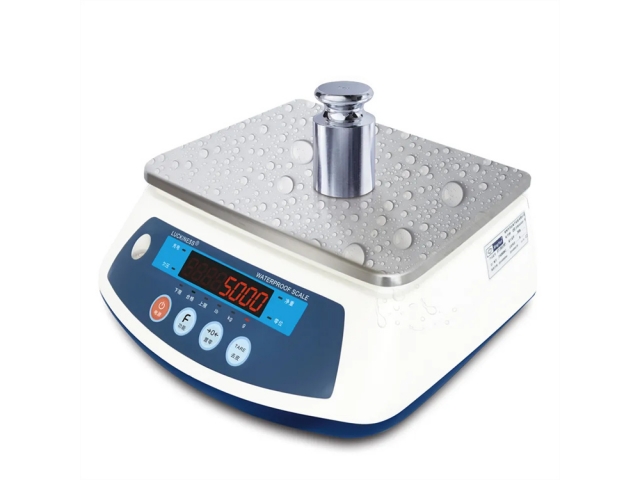
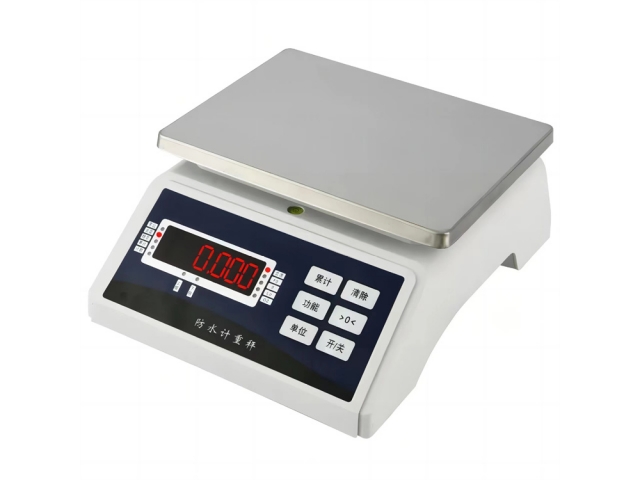
With the continuous development of digital economy and industrial intelligence, the market demand for commercial scales is showing a trend of refinement, customization, and intelligence. Different industries and different application scenarios have differentiated requirements for commercial scale performance, functions, and structural design. Light-duty commercial scales suitable for retail scenarios pursue fast weighing, portable operation, and simple human-computer interaction; industrial heavy-duty commercial scales focus on load-bearing performance, environmental resistance, and continuous operation stability; intelligent logistics commercial scales emphasize data interconnection and automatic matching with assembly line equipment. In addition, with the continuous improvement of enterprise refined management awareness, the demand for customized functional commercial scales is increasing, such as special anti-corrosion commercial scales for chemical scenarios, waterproof and dustproof commercial scales for food processing scenarios, and high-precision micro-weighing commercial scales for pharmaceutical and precision manufacturing scenarios. The continuous upgrading of market demand is driving the continuous technological innovation and product iteration of the commercial scale industry.
Looking forward to the future, commercial scales will further integrate emerging technologies such as artificial intelligence, Internet of Things, and big data, and develop towards higher precision, stronger intelligence, better interconnection, and wider scenario adaptation. Future commercial scale equipment will no longer be independent single weighing terminals, but will become an important part of the industrial and commercial digital management system, realizing real-time data interconnection with enterprise production management, sales management, and supply chain management platforms, and providing more comprehensive and accurate data support for enterprise intelligent decision-making. At the same time, the equipment will realize more intelligent autonomous management, including automatic performance monitoring, intelligent early warning of faults, adaptive calibration of measurement accuracy, and automatic optimization of operation parameters, further reducing manual intervention costs and improving operational efficiency. With the continuous expansion of commercial scenarios and the continuous upgrading of industrial production standards, commercial scales will continue to exert their basic supporting role in all walks of life, promote the standardized, intelligent, and refined development of commercial transactions and industrial production, and become an indispensable basic equipment for the high-quality development of modern economy.
