





Changzhou Veidt Weighing Co., Ltd. © 2022 ALL RIGHTS RESERVED Privacy Policy | Calibration Weight | Test Weights | Cast Iron Weights | Standard Weights | Laboratory Weights | XML | SITEMAP
Product Category
Height Weight Scale
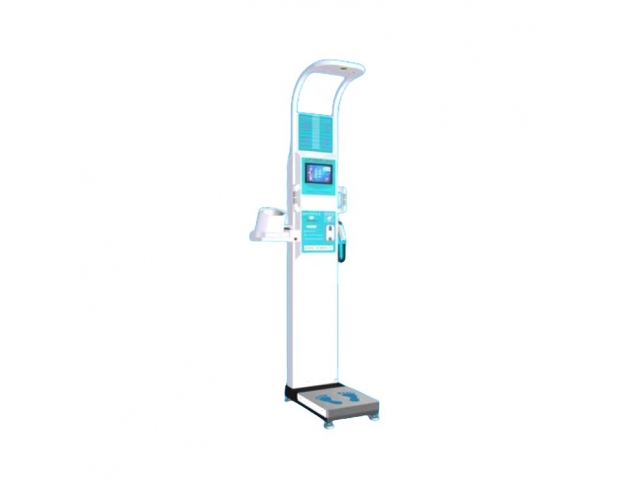
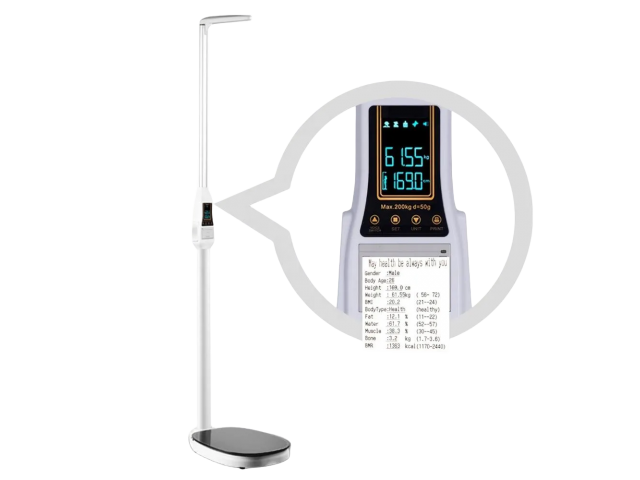
Veidt Weighing is a Height Weight Scale factory in china. In the realm of health monitoring and daily wellness management, few tools are as ubiquitous and essential as the height weight scale. From doctor’s offices to homes, gyms to schools, these devices serve as quiet observers of human physicality, providing fundamental data that underpins decisions about health, fitness, and overall well-being. Unlike complex medical equipment that requires specialized training to operate, height weight scales are accessible, intuitive, and have evolved significantly over time to meet the changing needs of users.
The Historical Journey of Height Weight Scales
The origins of measuring weight can be traced back to ancient civilizations, where simple balance scales were used for trade and commerce. These early devices consisted of a beam suspended from a central point, with pans at either end—one holding the object to be weighed and the other holding known weights. While these scales were effective for measuring goods, they were not designed specifically for human weight, nor did they incorporate height measurement. The integration of height and weight measurement into a single device emerged much later, driven by the growing recognition of the relationship between these two metrics and human health.
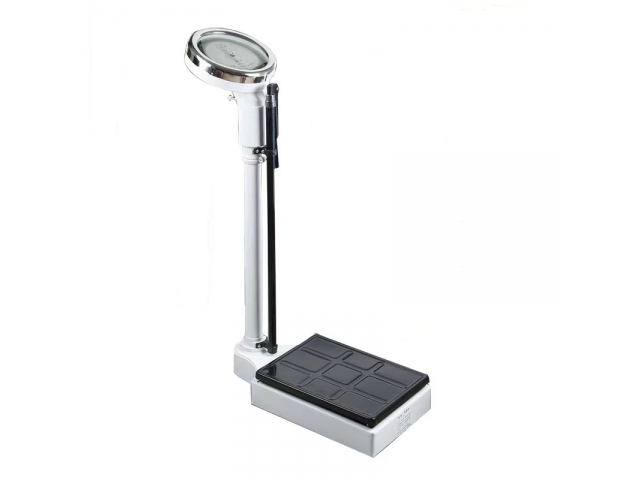
In the 19th century, as medical science advanced and public health became a priority, the need for standardized tools to assess human physical condition grew. It was during this period that the first dedicated height weight scales began to appear in clinical settings. These early models were often mechanical, with a platform for weight measurement and a vertical rod with a sliding headpiece for height measurement. The weight was displayed via a pointer moving along a calibrated dial, while height was read from markings on the rod. These scales were sturdy but bulky, limiting their use primarily to medical facilities and public health clinics.
The 20th century brought significant innovations in scale design, making them more compact, portable, and accessible to the general public. The introduction of spring-loaded scales replaced the traditional balance mechanism, reducing the size and weight of the devices. These spring scales worked by using a coiled spring that compressed under the weight of the user, with the compression translating to a weight reading on a dial. Concurrently, improvements in materials—such as the use of lightweight metals and plastics—made home use feasible. By the mid-20th century, height weight scales had become a common fixture in many households, as people began to take a more proactive approach to personal health.
The late 20th and early 21st centuries marked the transition from mechanical to digital scales. Digital technology revolutionized the accuracy and functionality of height weight scales, eliminating the friction and wear associated with mechanical parts. Digital scales use load cells—sensors that convert pressure into an electrical signal—to measure weight, with the signal processed by a microchip and displayed on a digital screen. Height measurement also became more precise, with some digital models featuring automatic height detection via ultrasonic sensors. This shift to digital technology laid the groundwork for the smart scales of today, which offer far more than just basic height and weight readings.
The Technical Mechanics of Height Weight Scales
To understand how height weight scales work, it is useful to break down their functionality into two core components: weight measurement and height measurement. While the specific mechanisms vary between mechanical and digital models, the fundamental principles remain consistent.
In mechanical weight scales, the key component is the spring or balance system. Balance scales, the oldest type, rely on the principle of torque equilibrium. When a user stands on one pan, the weight creates a torque around the central pivot point. Known weights are added to the other pan until the beam is level, indicating that the torque from the user’s weight equals the torque from the known weights. Spring scales, by contrast, use Hooke’s Law, which states that the force required to compress or stretch a spring is proportional to the distance it is displaced. When a user stands on the platform, the spring compresses, and the degree of compression is linked to a pointer that moves along a calibrated scale. The calibration of the spring is critical to accuracy, as it must be pre-determined to account for the spring’s stiffness.
Digital weight scales use load cells, which are more accurate and reliable than mechanical systems. A load cell typically consists of a metal strain gauge— a device that changes its electrical resistance when deformed. When weight is applied to the scale platform, the load cell bends slightly, causing the strain gauge to change resistance. This change in resistance is converted into an electrical signal, which is processed by a microcontroller. The microcontroller calculates the weight based on the signal and displays it on a digital screen (usually LCD or LED). Digital scales also often include features such as auto-zeroing (to account for any residual weight on the platform) and auto-shutoff (to conserve battery life).
Height measurement mechanisms, whether mechanical or digital, are relatively straightforward. Mechanical scales feature a vertical rod with marked measurements (usually in centimeters and inches) and a sliding headpiece (called a headboard or stadiometer). The user stands upright on the platform, and the headpiece is lowered until it rests gently on the top of the head. The height is then read directly from the markings on the rod. Digital height measurement uses ultrasonic sensors, which emit high-frequency sound waves that bounce off the top of the user’s head and return to the sensor. The time it takes for the sound waves to travel to the head and back is used to calculate the distance (height) using the speed of sound. This measurement is then displayed digitally, often with the weight reading.
Accuracy is a key consideration in the design of height weight scales. Factors that can affect accuracy include the quality of the components (e.g., the precision of the load cell or spring), the calibration of the device, and the user’s positioning. For example, standing unevenly on the platform, slouching during height measurement, or using the scale on an uneven surface can all lead to inaccurate readings. Most scales come with instructions for proper use to minimize these errors.
Diverse Applications of Height Weight Scales
Height weight scales are used in a wide range of settings, each with specific purposes related to health, fitness, education, and public health. Their versatility stems from their ability to provide quick, non-invasive measurements that are easy to interpret and compare.
In clinical settings—such as hospitals, clinics, and doctor’s offices—height and weight measurements are fundamental to patient assessment. Doctors use these metrics to calculate the Body Mass Index (BMI), a widely used indicator of whether a person’s weight is healthy for their height. BMI is calculated by dividing weight (in kilograms) by the square of height (in meters). This value helps identify underweight, normal weight, overweight, and obese individuals, and is used to assess the risk of chronic diseases such as diabetes, heart disease, and hypertension. Height measurements are also important for monitoring growth in children and adolescents, as deviations from expected growth patterns can indicate underlying health issues (e.g., nutritional deficiencies or hormonal imbalances). In addition, height and weight data are used to determine medication dosages, especially for children and elderly patients, where dosage is often based on body size.
Home use is another major application of height weight scales. Many people use home scales to monitor their weight and height over time, as part of a personal health or fitness routine. Regular monitoring can help track progress towards weight loss or gain goals, identify changes in body composition (when used in conjunction with other tools), and alert users to unexpected weight fluctuations that may require medical attention. Home scales are often designed to be compact and easy to store, with digital models offering features such as memory storage (to track multiple users’ data) and large, easy-to-read displays. For families, scales that can measure both children and adults are particularly useful, as they allow parents to monitor their children’s growth from infancy through adolescence.
Fitness centers and gyms also rely heavily on height weight scales. Fitness professionals use height and weight data to assess clients’ initial fitness levels, set realistic goals, and design personalized workout and nutrition plans. For example, a client looking to build muscle may track weight gain (from muscle mass) alongside height to ensure that their BMI remains within a healthy range. Scales in gyms are often more durable than home scales, designed to withstand frequent use by multiple users. Some gym scales also integrate with other fitness equipment (e.g., treadmills, ellipticals) to provide a comprehensive view of a user’s fitness progress.
Schools and educational institutions use height weight scales as part of regular health screenings for students. These screenings are typically conducted annually and are designed to identify health issues early, when they are more easily addressed. For example, underweight students may be referred to school nutrition programs, while overweight students may receive counseling on healthy eating and physical activity. Height measurements are also used to track the growth of entire student populations, providing valuable data for public health researchers studying trends in childhood growth and development.
Public health initiatives and research also make extensive use of height weight scales. Researchers use data from large populations to study trends in obesity, malnutrition, and other health issues. For example, global health organizations collect height and weight data from different countries to assess the impact of poverty, access to healthcare, and dietary habits on population health. This data is used to develop policies and programs aimed at improving public health outcomes. In addition, height and weight measurements are used in epidemiological studies to investigate the relationship between body size and the risk of various diseases.
The Value of Height and Weight Data
The data generated by height weight scales may seem simple, but it holds significant value for individuals, healthcare providers, and public health officials. At the individual level, height and weight data provide a baseline for assessing health status and tracking changes over time. For example, a person who is trying to lose weight can use regular scale readings to monitor their progress, adjusting their diet and exercise routine as needed. Similarly, parents can use their child’s height and weight data to ensure that they are growing at a healthy rate, seeking medical advice if there are any concerns.
For healthcare providers, height and weight data are essential for making accurate diagnoses and developing effective treatment plans. As mentioned earlier, BMI—derived from height and weight—is a key tool for assessing weight-related health risks. A high BMI may indicate an increased risk of diabetes, heart disease, or sleep apnea, prompting the doctor to recommend further testing or lifestyle changes. Conversely, a low BMI may suggest malnutrition or an underlying medical condition, such as an eating disorder or thyroid problem. Height data is particularly important for children, as slow growth or sudden changes in growth rate can be signs of hormonal imbalances, chronic illness, or nutritional deficiencies. In addition, height and weight are used to calculate body surface area, which is important for determining the correct dosage of medications, especially chemotherapy drugs and antibiotics.
At the population level, height and weight data provide insights into broader health trends and disparities. For example, studies have shown that obesity rates have increased significantly in many countries over the past few decades, a trend that is linked to changes in diet, physical activity levels, and lifestyle. By analyzing height and weight data from large populations, public health officials can identify groups that are most at risk (e.g., children, low-income communities) and develop targeted interventions. For example, a community with high childhood obesity rates may implement school-based nutrition programs or build more parks and playgrounds to encourage physical activity. Similarly, data on malnutrition in developing countries can be used to allocate resources such as food aid and nutritional supplements.
It is important to note, however, that height and weight data have limitations. BMI, while useful, is a crude measure that does not account for body composition (e.g., muscle mass vs. fat mass). For example, a bodybuilder with a high muscle mass may have a high BMI but low body fat, leading to a false classification as overweight or obese. Similarly, an older adult with low muscle mass may have a normal BMI but still be at risk of health problems. In addition, height and weight data do not provide information about other important health indicators, such as blood pressure, cholesterol levels, or blood sugar. Despite these limitations, height and weight remain important foundational metrics that complement other health data, providing a starting point for further assessment.
Emerging Trends and the Future of Height Weight Scales
The future of height weight scales is shaped by advances in technology, changing consumer preferences, and a growing focus on personalized health. One of the most significant trends is the rise of smart scales, which integrate digital technology with connectivity features to provide a more comprehensive view of health.
Smart scales go beyond basic height and weight measurements, offering additional features such as body composition analysis. Using bioelectrical impedance analysis (BIA), these scales measure the resistance of the body to a small electrical current. Since different tissues (e.g., muscle, fat, bone) have different electrical resistances, the scale can estimate body fat percentage, muscle mass, bone density, and water weight. This information provides a more detailed picture of body composition than BMI alone, helping users make more informed decisions about their health and fitness. Smart scales also connect to smartphones and other devices via Bluetooth or Wi-Fi, allowing users to store and track their data over time. Many smart scales come with companion apps that generate graphs and reports, making it easy to visualize progress and set goals. Some apps also offer personalized recommendations based on the user’s data, such as diet and exercise tips.
Another emerging trend is the integration of height weight scales with telehealth services. With the growing popularity of remote healthcare, scales that can transmit data directly to healthcare providers are becoming more common. This allows doctors to monitor patients’ health remotely, reducing the need for in-person visits and enabling early intervention if there are any concerning changes. For example, a patient with heart failure may use a smart scale that sends weight data to their doctor daily. Sudden weight gain can indicate fluid retention, a sign that the condition is worsening, allowing the doctor to adjust medication or recommend treatment before the situation becomes critical.
Accuracy and precision are also ongoing areas of improvement. Manufacturers are developing scales with more advanced sensors and calibration technologies to reduce errors. For example, some digital scales use multiple load cells to ensure accurate measurements even if the user stands unevenly on the platform. Ultrasonic height measurement is becoming more precise, with some models able to measure height to the nearest millimeter. In addition, scales are being designed to be more user-friendly, with features such as voice guidance (to help users position themselves correctly) and large, high-contrast displays (for older adults or those with visual impairments).
Sustainability is another growing concern in the design of height weight scales. Manufacturers are using more eco-friendly materials, such as recycled plastics and biodegradable components, to reduce the environmental impact of their products. They are also designing scales with longer lifespans and replaceable parts, reducing the need for frequent replacement. Some scales are even powered by solar energy or kinetic energy (generated by the user standing on the platform), eliminating the need for disposable batteries.
Finally, the future of height weight scales may include more advanced features such as AI-powered health analysis. Imagine a scale that not only measures height, weight, and body composition but also uses artificial intelligence to analyze the data and identify potential health risks. For example, the scale could detect patterns in weight fluctuations that are associated with certain diseases, alerting the user to seek medical attention. While this technology is still in its early stages, it has the potential to revolutionize personal health monitoring.
Conclusion
Height weight scales have come a long way from the simple balance scales of ancient civilizations to the smart, connected devices of today. Their evolution reflects the growing importance of personal health and the advances in technology that have made health monitoring more accessible and accurate. These devices play a critical role in clinical settings, homes, gyms, schools, and public health research, providing foundational data that helps individuals and healthcare providers make informed decisions about health and well-being.
While height and weight data have limitations, their value cannot be overstated. They provide a starting point for health assessment, allowing for early detection of health issues and the development of targeted interventions. As technology continues to advance, height weight scales will become even more sophisticated, offering more detailed health insights and integrating seamlessly with other healthcare tools.
In a world where chronic diseases are on the rise and personal health management is increasingly important, height weight scales remain an essential tool. They are a testament to the power of simple, accurate measurements in promoting health and well-being, and their future looks bright as they continue to adapt to the changing needs of users. Whether in a doctor’s office, a home bathroom, or a gym, the height weight scale will continue to be a quiet but vital part of our daily lives, helping us stay informed about our bodies and take control of our health.
Learn more about digital height weight scale, body height weight scale, medical height weight scale, height and weight measuring scale, smart height weight scale, electronic height weight scale, height weight scale for home, height weight scale for clinic, portable height weight scale, height weight scale digital, height weight scale for hospital, mechanical height weight scale, height weight scale for gym, height weight scale with bmi, pediatric height weight scale, height weight scale for school, digital height and weight scale, height weight scale accurate, height weight scale for adults, height weight scale for kids, professional height weight scale, height weight scale with lcd display, height weight scale battery operated, height weight scale usb rechargeable, height weight scale for fitness center, height weight scale compact, height weight scale for pharmacy, height weight scale easy to use, height weight scale heavy duty, height weight scale with printer, height weight scale for personal use, height weight scale non-slip, height weight scale stainless steel, height weight scale for medical use, height weight scale with body fat, height weight scale for sports, height weight scale lightweight, height weight scale for nursing home, height weight scale with body composition, height weight scale analog, height weight scale for office, height weight scale for wellness center, height weight scale durable, height weight scale with bluetooth, height weight scale for vet clinic, height weight scale for rehabilitation, height weight scale with large display, height weight scale for community center, height weight scale multi-functional, pls contact us.
