





Changzhou Veidt Weighing Co., Ltd. © 2022 ALL RIGHTS RESERVED Privacy Policy
Product Category
Laboratory Weights
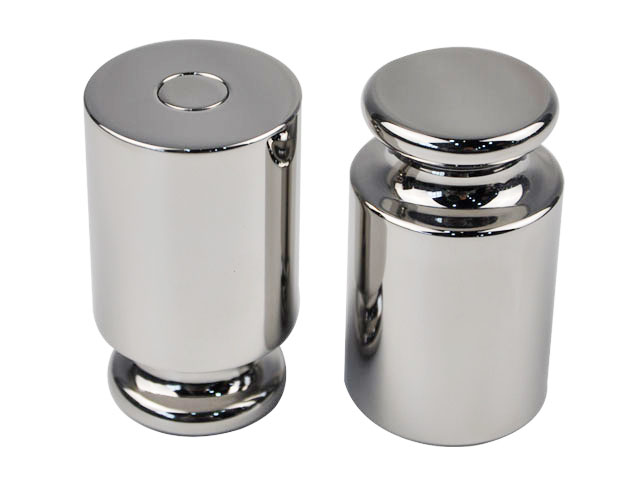
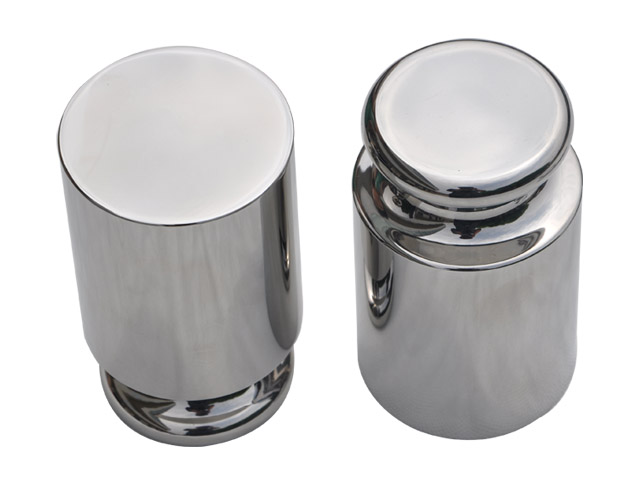
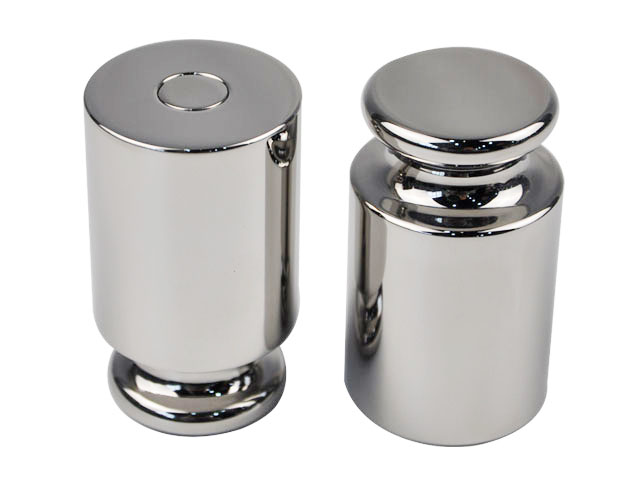
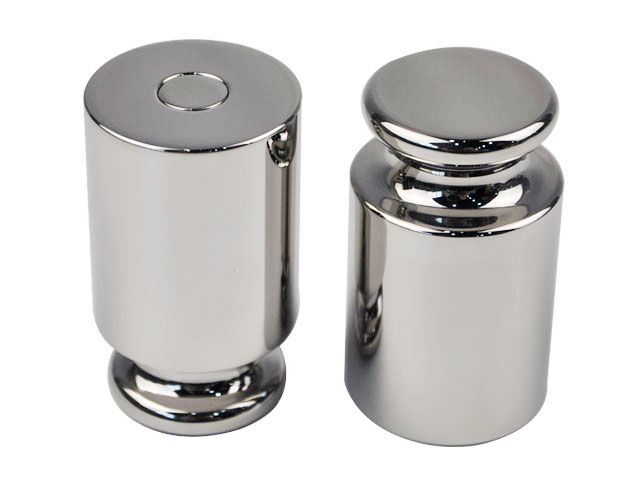
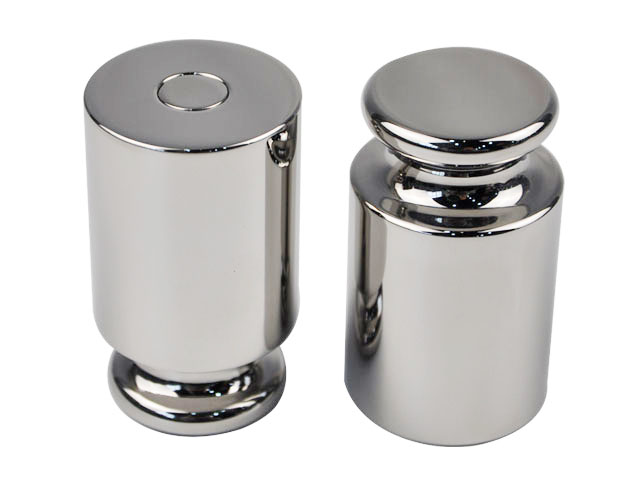
Stainless Steel Weight
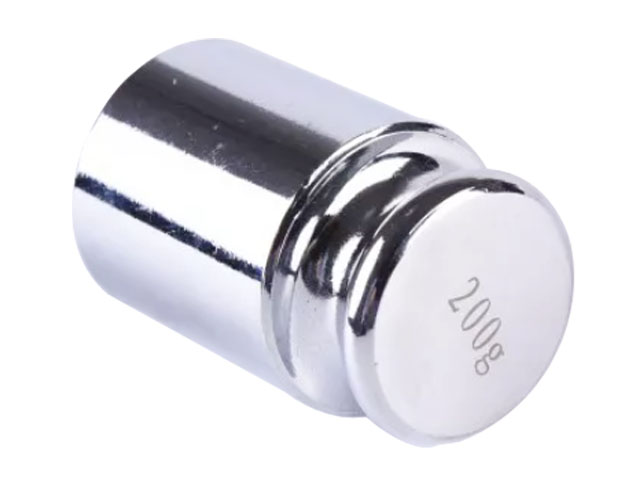
Chrome Steel Weight
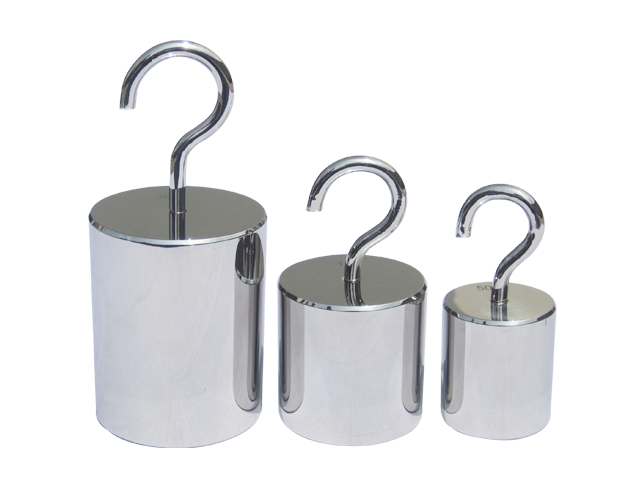
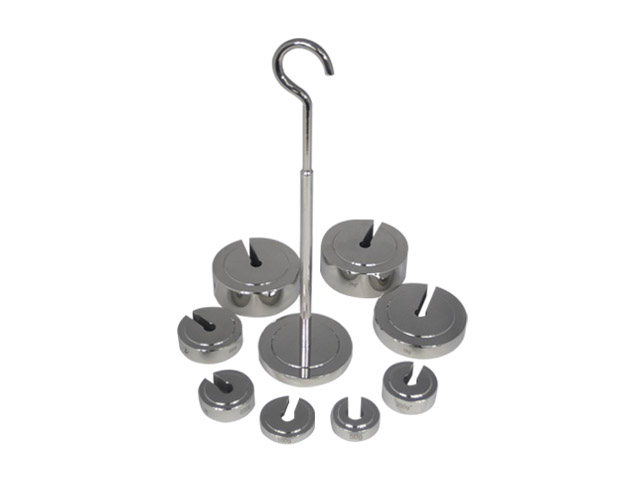
Slot Hook Weight
Veidt Weighing is a laboratory weight factory in china, In the realm of scientific research and precision measurement, laboratory weights stand as fundamental tools that underpin the reliability and accuracy of experimental results. From chemical analysis to pharmaceutical development, and from material science to environmental monitoring, these seemingly simple objects play a pivotal role in ensuring that quantitative data is trustworthy, reproducible, and comparable across different laboratories and research teams. Despite their ubiquity in scientific settings, the complexity of laboratory weights—encompassing their design, materials, calibration requirements, and proper usage—often goes unnoticed by those outside the field of metrology, the science of measurement.
To begin with, it is essential to define what constitutes a laboratory weight and distinguish it from other types of weights used in everyday or industrial contexts. Laboratory weights are specialized devices designed for use in controlled environments where high precision is non-negotiable. Unlike the weights used in commercial scales or industrial weighing systems, which may prioritize durability or cost-effectiveness over extreme accuracy, laboratory weights are engineered to meet strict standards for mass accuracy, stability, and repeatability. Their primary function is to serve as reference standards against which other weighing instruments—such as analytical balances, microbalances, and precision scales—are calibrated. Additionally, they are used directly in experiments that require precise mass measurements, such as determining the concentration of a solution, measuring the mass of a sample for chemical reaction, or quantifying the amount of a substance in an environmental sample.
One of the key aspects of laboratory weights is their classification based on accuracy classes. These classes are defined by international standards that specify the maximum allowable error for each weight, as well as other characteristics such as surface finish, material quality, and stability over time. The most widely recognized standard for laboratory weights is ISO 17025, which provides general requirements for the competence of testing and calibration laboratories, and ISO 3566, which specifies the requirements for weights of nominal values from 1 mg to 5000 kg. Based on these standards, laboratory weights are typically categorized into several accuracy classes, ranging from the highest precision classes (such as Class E1 and E2) to lower precision classes (such as Class F1, F2, M1, M1-2, M2, M2-3, and M3).
Class E1 weights are the most precise and are used primarily as primary reference standards in national metrology institutes or specialized calibration laboratories. They have extremely low maximum allowable errors—for example, a 100 g Class E1 weight may have a maximum error of only ±0.05 mg. These weights are used to calibrate Class E2 weights, which in turn are used to calibrate lower accuracy classes. Class E2 weights are commonly found in high-precision analytical laboratories, where they are used to calibrate analytical balances with a readability of 0.1 mg or better. Class F1 and F2 weights are used in laboratory and industrial settings for calibrating precision scales and balances, while Class M weights are intended for general industrial use, such as in production processes or quality control checks where the required precision is lower than that of laboratory applications. The selection of the appropriate accuracy class depends on the specific application: for example, a pharmaceutical laboratory conducting drug formulation research would require Class E2 or F1 weights, while a materials testing laboratory performing routine strength tests might use Class F2 or M1 weights.
The material composition of laboratory weights is another critical factor that influences their performance and reliability. The choice of material is determined by several considerations, including density, corrosion resistance, stability, hardness, and cost. Historically, laboratory weights were made from brass, which is an alloy of copper and zinc. Brass is durable, relatively inexpensive, and has a high density, which makes it suitable for manufacturing weights of moderate precision. However, brass is susceptible to corrosion, especially in humid environments or when exposed to certain chemicals, which can alter the mass of the weight over time. This limitation has led to the development of alternative materials for high-precision weights.
Today, the most common materials used for high-precision laboratory weights (Classes E1, E2, and F1) are stainless steel and non-magnetic alloys. Stainless steel alloys, such as 316L, are highly corrosion-resistant, stable, and easy to clean, making them ideal for use in laboratory environments where cleanliness and stability are paramount. Non-magnetic alloys, such as those based on nickel, chromium, and molybdenum, are used in applications where magnetic interference could affect the weighing process—for example, in laboratories that use magnetic balances or work with magnetic materials. Another material that is gaining popularity for ultra-high-precision weights is platinum-iridium alloy, which is extremely stable and resistant to corrosion and oxidation. Platinum-iridium weights are used as primary standards in national metrology institutes, such as the International Bureau of Weights and Measures (BIPM), which maintains the international prototype of the kilogram (though the kilogram was redefined in 2018 based on fundamental physical constants, platinum-iridium standards still play a crucial role in practical metrology).
For lower precision weights (Classes F2, M1, and below), materials such as cast iron, aluminum, and plastic are sometimes used. Cast iron is durable and inexpensive, making it suitable for large weights used in industrial applications. Aluminum is lightweight and corrosion-resistant, but its low density means that aluminum weights are larger in size than equivalent brass or stainless steel weights, which can be a disadvantage in some laboratory settings. Plastic weights are the least expensive option and are used for very low-precision applications, such as teaching laboratories or simple quality control checks, but they are not suitable for high-precision measurements due to their poor stability and susceptibility to deformation.
Calibration is perhaps the most important process associated with laboratory weights, as it ensures that the weight’s actual mass matches its nominal value within the specified tolerance. Calibration involves comparing the weight to a reference weight of known accuracy (a higher accuracy class than the weight being calibrated) using a precision balance. The process must be performed in a controlled environment to minimize the effects of external factors that can influence the measurement, such as temperature, humidity, air pressure, and vibration.
The steps involved in calibrating laboratory weights typically include pre-calibration preparation, measurement, adjustment (if necessary), and documentation. Pre-calibration preparation involves cleaning the weights to remove any dirt, dust, or contaminants that could add to their mass. Weights should be cleaned using a non-abrasive material, such as a soft cloth or a brush, and should not be touched with bare hands, as oils and moisture from the skin can alter their mass. After cleaning, the weights and the reference weights are allowed to acclimate to the temperature of the calibration environment (usually between 20°C and 23°C) to prevent thermal expansion or contraction from affecting the measurement.
During the measurement process, the weight being calibrated is placed on the balance alongside the reference weight, and the difference in mass between the two is recorded. This process is repeated several times to ensure that the results are consistent. If the measured mass of the weight is outside the allowable tolerance, adjustments may be made by adding or removing small amounts of material from the weight. For high-precision weights, adjustments are typically made by grinding a small amount of material from the weight (since adding material is more difficult to do precisely). Once the weight has been adjusted to within the specified tolerance, a calibration certificate is issued, which documents the weight’s nominal value, actual mass, uncertainty of measurement, date of calibration, and date of the next scheduled calibration.
The frequency of calibration depends on several factors, including the accuracy class of the weight, the frequency of use, the environment in which it is used, and the requirements of the application. High-precision weights (Classes E1 and E2) should be calibrated more frequently—usually annually or every two years—while lower precision weights may be calibrated every two to five years. Weights that are used frequently, exposed to harsh environments, or subjected to physical damage should be calibrated more often. It is important to note that calibration is not a one-time process; regular calibration is necessary to ensure that the weight maintains its accuracy over time, as factors such as wear and tear, corrosion, and environmental exposure can cause the mass of the weight to change.
Proper handling and storage of laboratory weights are also essential for maintaining their accuracy and longevity. Weights should always be handled with care to avoid physical damage, such as dents, scratches, or chips, which can alter their mass. As mentioned earlier, weights should not be touched with bare hands; instead, tweezers, gloves, or weight handling tools should be used. When not in use, weights should be stored in a clean, dry, and stable environment, away from moisture, dust, chemicals, and extreme temperatures. Many laboratory weights come with specialized storage cases that have individual compartments for each weight, which helps to prevent damage and contamination. Additionally, weights should be stored in a non-magnetic environment if they are made of non-magnetic materials, to avoid magnetic contamination.
The applications of laboratory weights are diverse and span across numerous scientific and industrial fields. In chemistry laboratories, weights are used to measure the mass of reactants and products in chemical reactions, which is essential for determining stoichiometry and reaction yields. In analytical chemistry, precise mass measurements are critical for techniques such as gas chromatography, liquid chromatography, and mass spectrometry, which require accurate quantification of analytes. In pharmaceutical laboratories, weights are used to formulate drugs, ensuring that each dose contains the correct amount of active ingredient. This is crucial for the safety and efficacy of pharmaceutical products, as incorrect dosages can have serious consequences for patients.
In material science, laboratory weights are used to measure the mass of materials for testing purposes, such as determining density, tensile strength, and compressive strength. In environmental monitoring, weights are used to measure samples of air, water, and soil, allowing scientists to quantify the concentration of pollutants and other contaminants. In food science, weights are used to ensure that food products meet quality control standards, such as the correct amount of ingredients in processed foods. Even in fields such as physics and astronomy, laboratory weights play a role in experiments that require precise mass measurements, such as studying the properties of matter or calibrating instruments used in space exploration.
In recent years, the field of laboratory weights has seen several notable developments and trends, driven by advances in technology and changes in metrological standards. One of the most significant changes was the redefinition of the kilogram in 2018, which replaced the international prototype of the kilogram (a platinum-iridium cylinder) with a definition based on the Planck constant, a fundamental physical constant. This redefinition has had a profound impact on metrology, as it means that the kilogram can now be realized using a device called a Kibble balance, which measures mass by relating it to electrical and mechanical quantities. While this change does not directly affect the everyday use of laboratory weights, it has led to improvements in the accuracy and traceability of mass measurements, as national metrology institutes can now calibrate reference weights using Kibble balances, rather than relying on the international prototype.
Another trend in the development of laboratory weights is the increasing use of digital technology. While traditional laboratory weights are mechanical devices, digital weights—equipped with sensors and electronic displays—are becoming more common in some applications. Digital weights offer several advantages over mechanical weights, including easier readability, automatic data recording, and the ability to connect to computers and other laboratory equipment for data analysis. However, digital weights also require regular calibration of their electronic components, in addition to the calibration of their mass, which adds an extra layer of complexity.
Advances in materials science are also leading to the development of new materials for laboratory weights. For example, researchers are exploring the use of carbon nanotubes and other nanomaterials to create ultra-lightweight, high-strength weights that are resistant to corrosion and deformation. These materials could potentially be used to create weights of extremely high precision, which would be useful in fields such as nanotechnology and quantum computing, where measurements at the nanoscale require unprecedented accuracy.
Additionally, there is a growing emphasis on sustainability in the design and manufacturing of laboratory weights. Manufacturers are increasingly using recycled materials and implementing environmentally friendly production processes to reduce the carbon footprint of laboratory weights. This trend is driven by the growing awareness of environmental issues in the scientific community and the need to adopt sustainable practices in all areas of research and industry.
Despite these advances, there are still several challenges facing the field of laboratory weights. One of the main challenges is ensuring the traceability of mass measurements. Traceability refers to the ability to relate a measurement result to a national or international standard through a chain of calibrations. Maintaining traceability is essential for ensuring that measurements are comparable across different laboratories and countries. However, establishing and maintaining traceability can be difficult, especially in developing countries where access to national metrology institutes and high-precision calibration equipment is limited.
Another challenge is the cost of high-precision laboratory weights and calibration services. High-precision weights, such as Class E1 and E2 weights, are expensive to manufacture, and regular calibration by accredited laboratories can also be costly. This can be a barrier for small laboratories and research institutions with limited budgets, which may be forced to use lower precision weights that may not be suitable for their applications. Additionally, the complexity of calibration processes requires highly skilled technicians, which are in short supply in some regions.
In conclusion, laboratory weights are indispensable tools in scientific research and precision measurement, playing a critical role in ensuring the accuracy, reliability, and reproducibility of experimental results. Their classification based on accuracy classes, material composition, and the importance of calibration, handling, and storage are all key factors that contribute to their performance. The applications of laboratory weights are diverse, spanning across chemistry, pharmaceuticals, material science, environmental monitoring, and many other fields. As technology advances and metrological standards evolve, the field of laboratory weights continues to develop, with new materials, digital technologies, and sustainable practices shaping the future of these essential tools. Despite the challenges of ensuring traceability and managing costs, laboratory weights will remain a cornerstone of scientific research for years to come, underpinning the progress of knowledge and innovation in countless fields.
