





Changzhou Veidt Weighing Co., Ltd. © 2022 ALL RIGHTS RESERVED Privacy Policy | Calibration Weight | Test Weights | Cast Iron Weights | Standard Weights | Laboratory Weights | XML | SITEMAP
Product Category
Pocket Scale
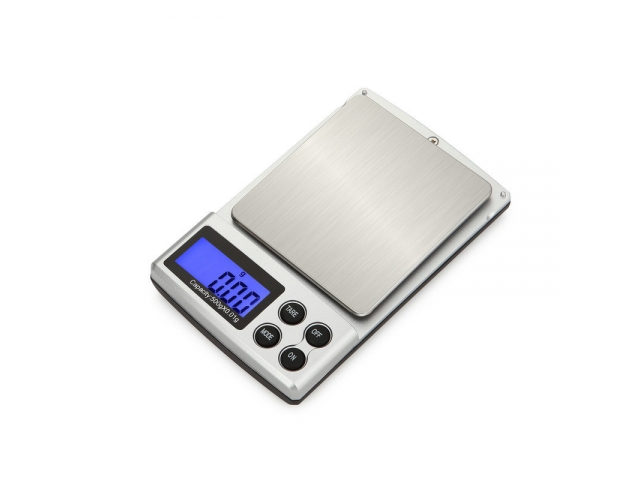
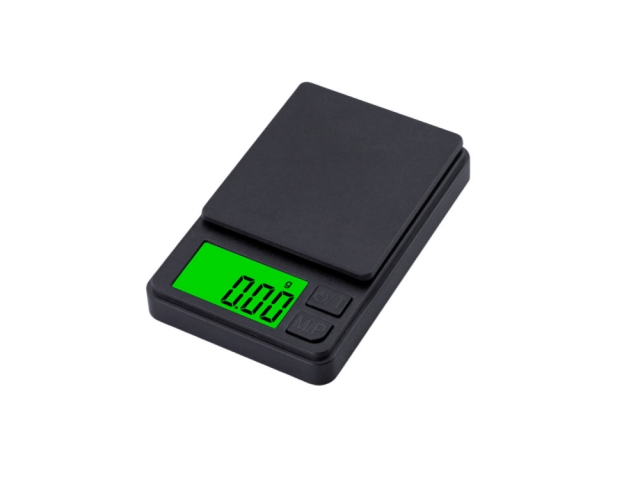
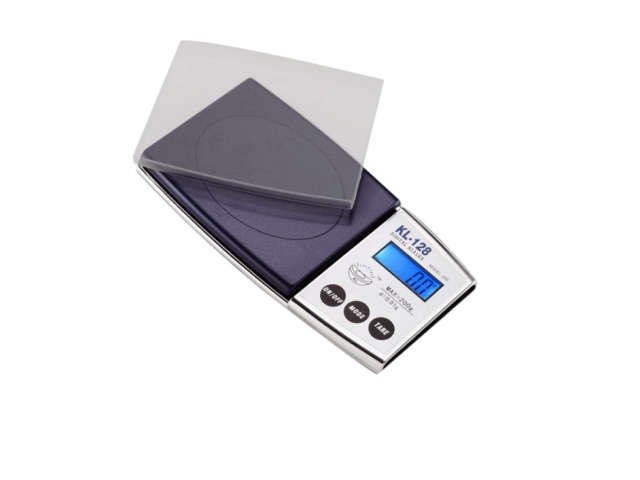
In an era where portability and precision have become indispensable priorities in both daily life and specialized professional scenarios, the pocket scale has emerged as a remarkably practical and versatile measuring tool. Unlike traditional bulky weighing devices that are confined to fixed desktop or laboratory spaces, this miniaturized weighing instrument is engineered to deliver accurate weight data while maintaining an ultra-compact form factor that easily fits into a pocket, handbag, or small storage case. Its unique combination of lightweight design, reliable measurement performance, and user-friendly operation has broken the limitations of conventional weighing equipment, making precise weight measurement no longer exclusive to fixed working environments. Whether for delicate daily crafting, fine ingredient proportioning, small precious item identification, or personal item weight checking, the pocket scale provides a convenient and efficient solution, gradually becoming an essential auxiliary tool for countless enthusiasts, professionals, and ordinary users pursuing accuracy in daily operations.
The core design logic of the pocket scale revolves around balancing miniaturization and measurement accuracy, a technical breakthrough that distinguishes it from ordinary household rough weighing tools. The entire device adopts a highly integrated structural layout, abandoning the redundant mechanical components of traditional mechanical scales and relying on high-sensitivity internal sensing modules to complete weight detection. The exterior shell is crafted from durable lightweight materials that resist daily scratches, abrasions, and minor collisions, ensuring long-term stable use during frequent carrying and mobile application. The weighing platform, usually made of smooth, corrosion-resistant metal materials, maintains flatness and structural stability under long-term use, effectively avoiding measurement deviations caused by platform deformation. Every structural detail from the edge polishing of the shell to the fitting gap of internal components is optimized for portable use, ensuring that the scale remains compact enough for easy carrying while retaining complete and independent weighing functionality.
To understand the reliable performance of the pocket scale, it is essential to explore its underlying working principle, which integrates modern microelectronic sensing and intelligent signal processing technology. When an object is placed steadily on the weighing platform, the high-precision load sensor inside the device captures the pressure signal generated by the object’s weight and converts this physical pressure signal into a continuous electrical signal. This original electrical signal is often subtle and susceptible to external interference, so it is immediately transmitted to the built-in microcontroller for filtering, amplification, and data calibration processing. The intelligent chip eliminates invalid interference signals such as minor vibration and static electricity, calculates the accurate weight value through preset algorithms, and finally presents the stabilized digital reading on the high-definition display screen. The entire signal conversion and calculation process is completed in milliseconds, enabling users to obtain fast, stable, and intuitive measurement results without tedious manual observation or calculation required by mechanical scales.
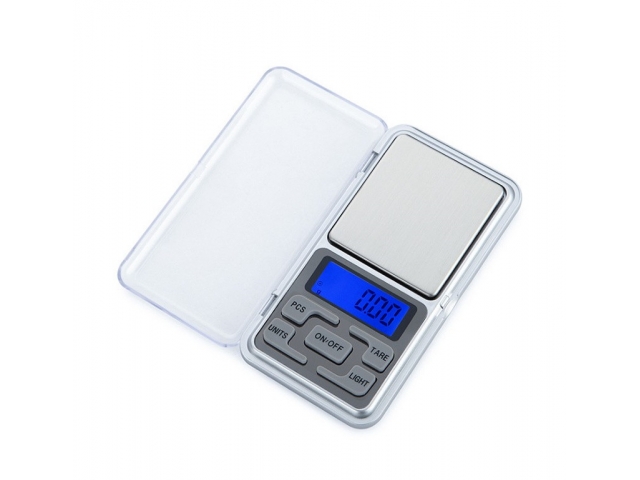
One of the most practical and core functional features of the pocket scale is the independent tare function, which greatly expands its application flexibility and measurement accuracy in complex weighing scenarios. In most actual weighing operations, items to be measured often cannot be directly placed on the weighing platform, requiring auxiliary containers such as small glass dishes, plastic trays, or paper trays. Without the tare function, the final measured value would include the weight of the container, resulting in inaccurate net weight data. The tare function effectively solves this problem by allowing users to place the empty container on the platform first and press the corresponding tare button to reset the display reading to zero. After zeroing, placing the measured item into the container will directly display the pure weight of the target object, completely excluding the interference of container weight. This simple but powerful function makes the pocket scale fully adaptable to the weighing needs of powdery, granular, tiny, and easily scattered items, covering almost all fine measurement scenarios in daily use.
Multi-unit switching capability is another key advantage that makes the pocket scale adaptable to diverse usage habits and scenario requirements. Different measurement scenarios and user groups have distinct unit preferences, and a single fixed measurement unit can no longer meet personalized and differentiated usage needs. Mature pocket scale models support free switching between multiple common weight units, including grams, ounces, troy ounces, and carats, covering the mainstream measurement units for daily life, craft creation, and special commodity measurement. Users can switch the required unit with a single key operation according to actual needs, without manual unit conversion, which greatly improves measurement efficiency and avoids data errors caused by artificial conversion. For example, carat units are suitable for weighing tiny gemstones, troy ounces for precious metal measurement, and grams for daily ingredient and small item weighing, realizing multi-scenario universal applicability of a single device.
The application scenarios of pocket scales cover a wide range of fields, starting with refined daily culinary production that requires precise ingredient proportioning. In modern delicate cooking, baking, and homemade beverage production, the proportion of trace ingredients directly determines the taste, texture, and molding effect of finished products. Traditional household measuring tools with large measurement intervals often cannot meet the requirements of trace ingredient weighing, such as small doses of yeast, baking powder, saffron, fine spices, and concentrated flavorings. The high-precision measurement capability of the pocket scale can accurately capture tiny weight changes, helping users strictly control ingredient proportions, avoid failures caused by excessive or insufficient raw materials, and ensure the stability and excellence of homemade food quality. Its portability also allows it to be used for outdoor barbecues, picnic ingredient preparation, and other mobile scenarios, breaking the fixed use space of traditional kitchen scales.
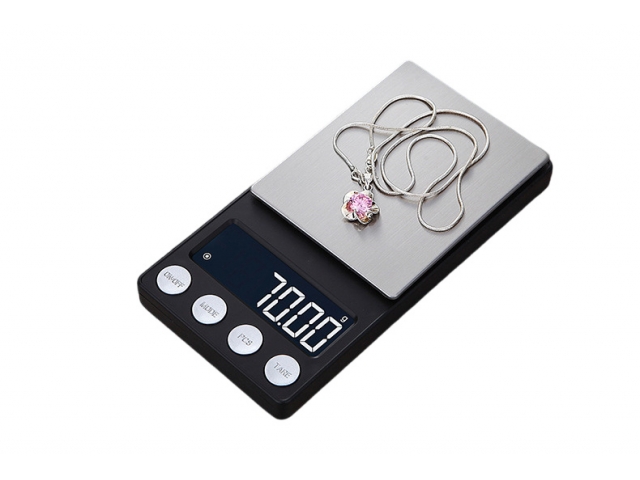
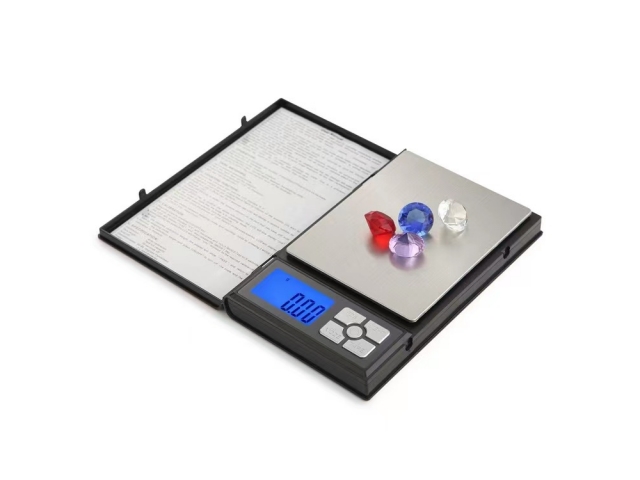
For jewelry enthusiasts, gem collectors, and precious metal handlers, the pocket scale is an indispensable professional auxiliary tool for daily identification and weighing. Precious metals such as gold and silver, as well as various tiny gemstones and diamonds, have extremely high unit value, and slight weight differences will bring significant value changes, making accurate weighing particularly critical. The high-precision sensing module of the pocket scale can capture subtle weight changes of tiny precious items, providing accurate weight data for item collection, sorting, and daily inspection. Meanwhile, its portable design allows users to carry it for on-site weighing and verification when purchasing, trading, or sorting precious items, effectively avoiding value losses caused by inaccurate weight estimation. The stable weighing performance and anti-interference design also ensure consistent and reliable measurement results for high-value tiny items, meeting the rigorous accuracy requirements of the precious commodity industry.
Handicraft creators, DIY enthusiasts, and experimental hobbyists also rely heavily on the precise performance of pocket scales to complete delicate creation and experimental work. In handmade jewelry making, resin crafting, miniature model production, and small material proportioning operations, the weight ratio of various raw materials directly affects the hardness, color, molding effect, and service life of finished products. For example, the proportioning of resin and curing agent, the mixing of various pigment powders, and the weighing of tiny metal accessories all require accurate weight data support. The pocket scale can complete high-precision weighing of small-batch raw materials, helping creators standardize production proportions, reduce the failure rate of handmade works, and improve the fineness and uniformity of finished products. In daily small scientific experiments, it can also complete the weighing of experimental samples and reagents, providing basic accurate data support for civilian small experimental operations.
Standardized operation methods are crucial to maintaining the long-term accuracy and stable performance of pocket scales, and standardized usage habits can effectively extend the service life of the device. Before each use, users need to place the scale on a fully flat, stable, and vibration-free horizontal surface, avoiding inclined countertops, soft platforms, or working areas near vibration sources and flowing air. Unstable placement or external vibration will interfere with the sensor’s pressure induction, resulting in fluctuating or inaccurate readings. After powering on the device, users should wait for the display to stabilize and show a zero state before starting the weighing operation. When using containers for auxiliary weighing, the tare operation should be completed after the container is placed and stabilized to ensure accurate zero resetting. During the weighing process, items need to be placed gently in the center of the platform to avoid unilateral stress or excessive impact on the sensor, which may cause component damage or data deviation.
Daily maintenance and scientific storage are key factors to ensure the continuous stable performance of pocket scales and avoid measurement errors caused by improper maintenance. After each use, users need to clean the weighing platform and shell surface in a timely manner, using a soft dry cloth to wipe off residual dust, powder, and stains. For stubborn stains, a slightly damp soft cloth can be used for wiping, but it is necessary to strictly avoid liquid infiltration into the internal circuit and sensing components, as moisture will cause circuit failure and sensor sensitivity decline. The scale should be stored in a dry, cool, and dust-free environment, avoiding long-term exposure to high temperature, low temperature, humid environments, or direct sunlight, which will accelerate the aging of internal electronic components and affect measurement accuracy. In addition, long-term idle use will cause battery power loss, so regular power check and battery replacement are required to avoid unstable power supply leading to reading fluctuations.
Despite its small size, the pocket scale has obvious technical and functional advantages compared with traditional portable weighing tools. Many early portable mechanical mini scales have inherent defects such as large measurement errors, slow response, easy mechanical wear, and difficult zero calibration, and their accuracy will gradually decline with the increase of service time. In contrast, electronic pocket scales adopt non-contact electronic induction measurement, with no mechanical wear problem, and maintain stable measurement accuracy for a long time. Meanwhile, its digital display mode is more intuitive and accurate than the pointer reading of mechanical scales, avoiding visual reading errors caused by pointer jitter and angle deviation. The multi-function integration design of tare zeroing, unit switching, and automatic power-off also makes its operation more intelligent and user-friendly, fully adapting to the fast and efficient usage needs of modern users.
With the continuous progress of microelectronic technology and the upgrading of user demand, pocket scale products are also constantly iterating and optimizing towards higher precision, stronger durability, and more intelligent functions. Modern upgraded pocket scales add intelligent anti-interference algorithms, which can automatically filter subtle external interference such as slight air flow and desktop micro-vibration, further improving the stability of measurement data. The low-power design effectively reduces battery consumption, greatly extending the single-use battery life and reducing the frequency of battery replacement. The optimized structural design realizes better drop resistance and compression resistance, adapting to complex mobile carrying environments. In the future, with the continuous integration of intelligent technology, pocket scales will also expand more personalized and practical functions, further enriching their application scenarios, and becoming a more intimate and essential precision measuring tool in daily life and professional fine operation scenarios.
