





Changzhou Veidt Weighing Co., Ltd. © 2022 ALL RIGHTS RESERVED Privacy Policy | Calibration Weight | Test Weights | Cast Iron Weights | Standard Weights | Laboratory Weights | XML | SITEMAP
Product Category
Calibration Weights
Calibration weights stand as the foundational backbone of precision measurement across virtually every technical and industrial field where accurate mass quantification is non-negotiable. Far from simple metallic blocks of fixed mass, these specialized measuring tools are meticulously engineered reference artifacts designed to deliver consistent, reliable, and traceable mass readings for the calibration, verification, and adjustment of all types of weighing instruments. From ultra-sensitive analytical balances used in scientific research to heavy-duty industrial weighing scales deployed in manufacturing and logistics, calibration weights serve as the universal benchmark that bridges the gap between mechanical or electronic weighing systems and true mass values. In essence, they eliminate the inherent measurement drift, mechanical deviation, and electronic instability that gradually affect all weighing equipment during prolonged operation, ensuring that every mass reading generated by a weighing device remains trustworthy, repeatable, and consistent over time. The importance of these precision artifacts cannot be overstated, as even minor inaccuracies in mass measurement can trigger cascading errors in experimental research, production quality control, material batching, and product certification, ultimately undermining operational accuracy, product uniformity, and technical credibility across countless professional scenarios.
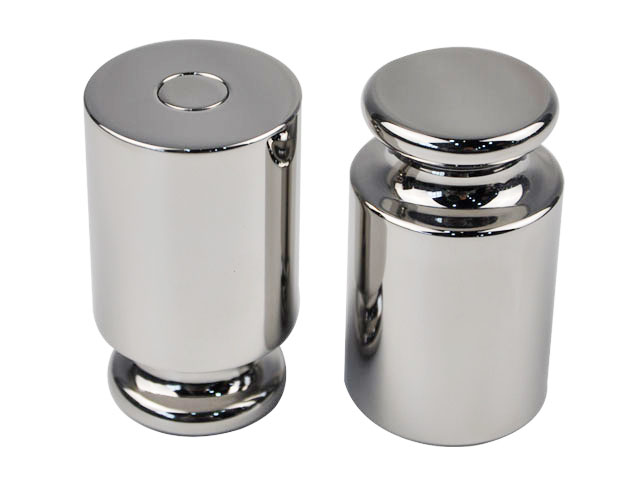
The fundamental working principle of calibration weights revolves around the core metrological concept of comparative mass verification, a straightforward yet scientifically rigorous process that underpins all weighing calibration practices. Every calibration weight is manufactured to maintain an extremely stable and precisely defined mass value under standard environmental conditions, with minimal allowable deviation from its nominal marked mass. When used for calibration, the weight’s known fixed mass is placed on the weighing platform or sensing area of a target weighing instrument, prompting the device’s internal sensors, signal processing modules, and data calculation systems to capture and display a corresponding mass reading. Operators then compare the instrument’s output reading with the weight’s verified true mass value to identify any existing deviation, whether positive or negative. If discrepancies are detected, targeted adjustments are made to the weighing instrument’s internal parameters to correct offset errors, linearity deviations, or sensitivity drift, restoring the device’s measurement accuracy to an acceptable range. This comparative calibration process is not a one-time corrective measure but a systematic method of validating instrument performance, ensuring that weighing equipment adheres to consistent measurement standards in daily operational environments.
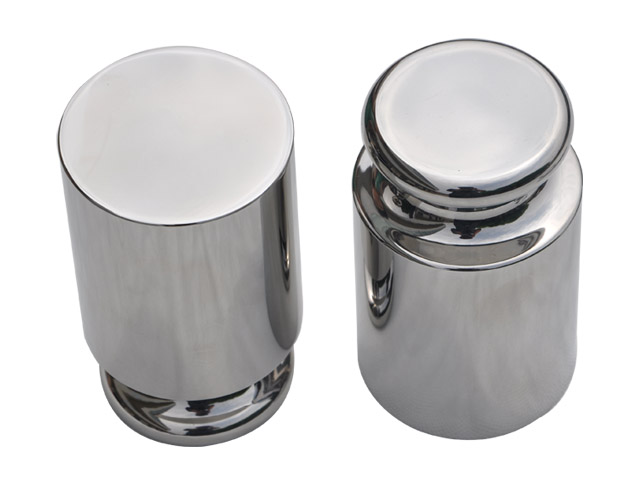
Material selection represents one of the most critical determinants of a calibration weight’s long-term performance, stability, and measurement reliability, with high-quality raw materials serving as the prerequisite for precision mass retention. Premium calibration weights are predominantly fabricated from high-density, corrosion-resistant metallic alloys that possess exceptional physical and chemical stability. Stainless steel alloys are the most prevalent material choice for mid-to-high precision calibration weights, favored for their outstanding resistance to oxidation, rust, and chemical corrosion, as well as their ability to maintain structural integrity and mass consistency under varying environmental conditions. For entry-level and general-purpose calibration weights, brass materials are commonly utilized due to their balanced density, good machinability, and cost-effective stability for routine industrial and commercial calibration tasks. In specialized high-precision applications requiring ultra-low mass drift and maximum environmental resistance, polished alloy composites with refined grain structures are adopted to minimize surface porosity and material creep. All materials used for calibration weight production undergo strict purification and homogenization processes to eliminate internal impurities, structural defects, and density inconsistencies, as even microscopic material irregularities can accumulate over time and compromise measurement precision.
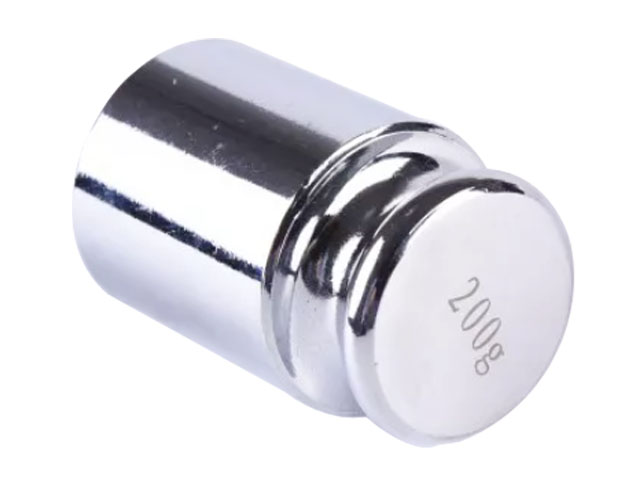
The manufacturing process of calibration weights involves a series of refined, multi-stage precision machining and finishing procedures designed to eliminate manufacturing errors and achieve strict mass tolerance requirements. The entire production workflow begins with raw material inspection, where each batch of alloy materials is tested for density uniformity, chemical composition stability, and surface defect-free status to ensure compliance with production benchmarks. Subsequent rough machining shapes the raw material into preliminary weight blanks with approximate nominal mass dimensions, removing excess material while reserving a fine machining margin for precise mass adjustment. Semi-finishing processes then refine the weight’s geometric structure, optimizing surface flatness, edge smoothness, and overall dimensional uniformity to avoid irregular surface profiles that could affect placement stability and air resistance during weighing. The most critical stage is fine grinding and mass trimming, where technicians use ultra-precision grinding equipment to remove minute amounts of material incrementally, adjusting the blank’s mass to fall within the strict allowable deviation range of its nominal value. Finally, multiple polishing, cleaning, and surface passivation treatments are applied to create a smooth, non-porous surface that resists dust adhesion, moisture penetration, and chemical degradation, locking in long-term mass stability.
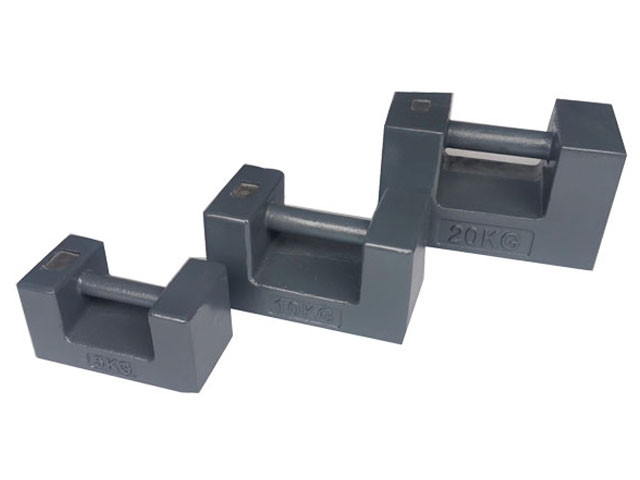
Environmental factors exert a profound and often underrecognized influence on the measurement accuracy of calibration weights, demanding strict environmental control during all calibration and storage activities. Temperature fluctuations are the most impactful variable, as extreme or rapid temperature changes can induce subtle thermal expansion or contraction in metallic weight materials, altering physical volume and effective mass displacement during weighing operations. Consistent ambient temperature maintenance eliminates thermal stress on the weight structure and ensures stable mass presentation during calibration. Humidity control is equally essential, as high humidity environments can trigger surface condensation, microscopic oxidation, or moisture adsorption on weight surfaces, introducing tiny but measurable mass gains over time. Conversely, excessively dry environments may accelerate surface static electricity accumulation, attracting fine particulate dust that distorts measurement results. Additionally, external vibration, airflow interference, and atmospheric pressure variations can disrupt the stability of high-precision weighing systems during calibration. For this reason, professional calibration environments prioritize static placement platforms, enclosed weighing spaces, and stable atmospheric conditions to isolate calibration weights from external interference and guarantee accurate comparison results.
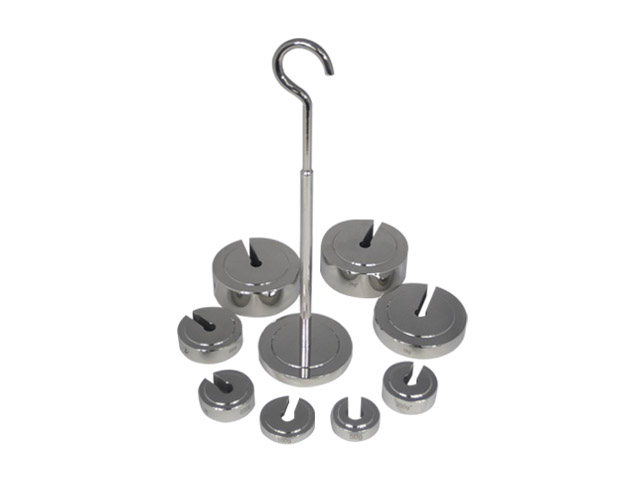
Standardized operating practices are indispensable for preserving the precision and service life of calibration weights, as improper handling is one of the leading causes of avoidable mass deviation and performance degradation. Direct manual contact with weight surfaces is strictly prohibited in all precision calibration scenarios, as human skin secretes oils, salts, and moisture that leave microscopic residues on weight surfaces. These residues are difficult to remove through routine cleaning and can gradually corrode the material surface, causing cumulative mass changes and surface irregularities. Professional operating protocols mandate the use of dedicated non-slip gloves, precision tweezers, or specialized weight lifting tools for all retrieval, placement, and movement operations. Weights must be placed gently and vertically on weighing platforms to prevent collision, friction, or tilting, as even minor impacts can create microscopic surface dents or structural stress that alter mass stability. Rapid repeated placement and removal should also be avoided, as continuous mechanical friction abrades the weight’s polished surface and gradually erodes precise mass values. Strict adherence to standardized handling procedures ensures that the inherent precision of calibration weights remains uncompromised during daily use.
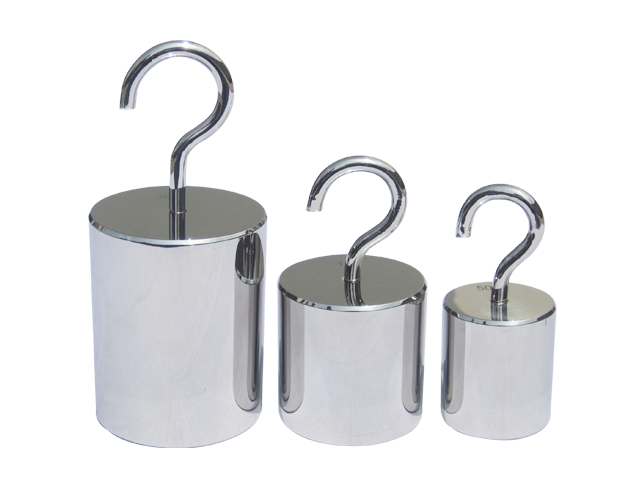
Routine cleaning and systematic maintenance form the cornerstone of long-term performance retention for calibration weights, preventing surface contamination and material degradation that compromise measurement accuracy. Over regular use, calibration weights inevitably accumulate fine dust particles, airborne debris, and subtle environmental contaminants on their surfaces, all of which contribute to measurable mass errors if left unaddressed. Daily maintenance involves gentle surface cleaning with soft, lint-free microfiber cloths to remove loose surface dust without scratching the polished finish. For slight surface stains or residual contaminants, neutral, non-corrosive cleaning solutions are applied sparingly, followed by thorough air drying in a clean, dust-free environment to eliminate moisture residue completely. Deep maintenance procedures, conducted on a periodic basis, include comprehensive surface inspection for oxidation spots, micro-scratches, corrosion traces, or structural deformation, as well as targeted cleaning of tiny surface pores and edge gaps where contaminants tend to accumulate. After all cleaning operations, weights are allowed to fully acclimate to ambient temperature and humidity before being returned to storage, ensuring no residual environmental stress affects their mass stability.
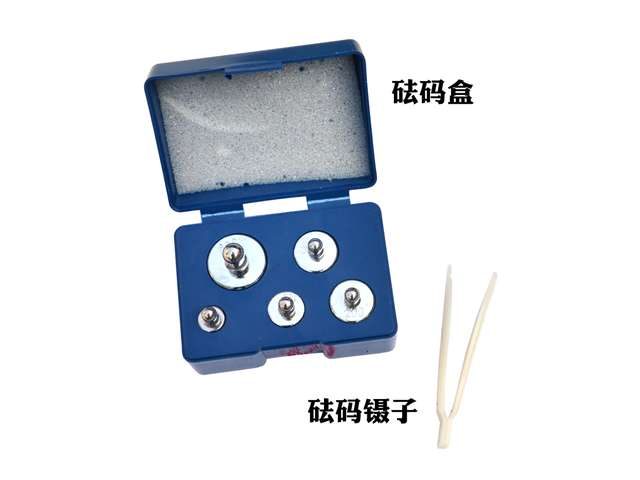
Scientific storage conditions are critical for protecting calibration weights from environmental damage and preserving their metrological performance over years of service. Proper storage begins with dedicated, sealed storage containers constructed from non-corrosive, static-free materials that isolate weights from ambient air, dust, moisture, and physical damage. Each individual weight is placed in an independent fixed cushioning slot within the storage container to prevent mutual friction, collision, or extrusion during transportation and storage. Storage environments must maintain stable temperature and humidity levels consistently, avoiding placement near heating equipment, ventilation outlets, or areas with direct sunlight exposure, all of which induce uneven material aging and thermal deformation. Additionally, storage spaces must be kept clean, dry, and free of corrosive gases, chemical vapors, and particulate pollutants that could degrade weight surfaces over time. Weights of different precision levels and nominal masses are stored separately to avoid cross-contamination and accidental mixing, with systematic labeling to ensure orderly access and inventory management. Strict storage discipline effectively isolates calibration weights from adverse environmental factors, locking in their long-term measurement stability.
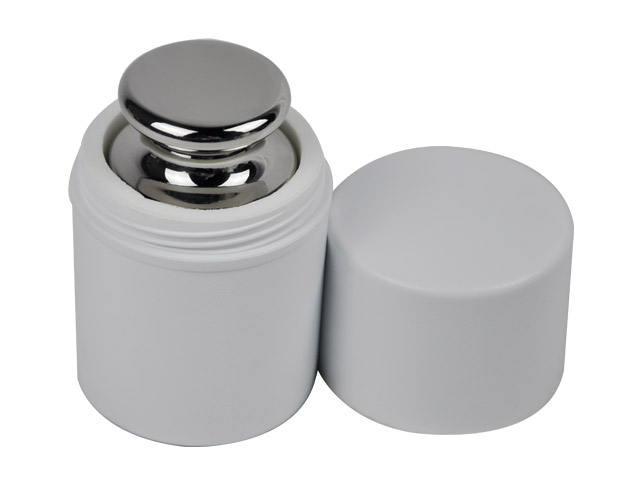
Regular recalibration and performance verification are essential processes to sustain the reliability of calibration weights, addressing the natural mass drift that occurs in all physical reference artifacts over time. Despite high-precision manufacturing and rigorous maintenance, calibration weights inevitably experience subtle mass changes due to long-term surface oxidation, microscopic material creep, minimal mechanical wear, and cumulative environmental exposure. These gradual deviations are imperceptible in daily use but can accumulate to levels that compromise calibration accuracy for high-sensitivity weighing instruments. Recalibration cycles are determined based on actual usage frequency, operational environment severity, and precision application requirements, rather than fixed calendar intervals. Weights used frequently in high-precision laboratory or industrial settings require more frequent recalibration, while weights used intermittently in stable environments can follow extended verification cycles. During recalibration, each weight’s actual mass value is measured against higher-precision reference standards, and any detected deviation is recorded and evaluated to determine whether the weight remains suitable for continued use or requires precision re-trimming or replacement.
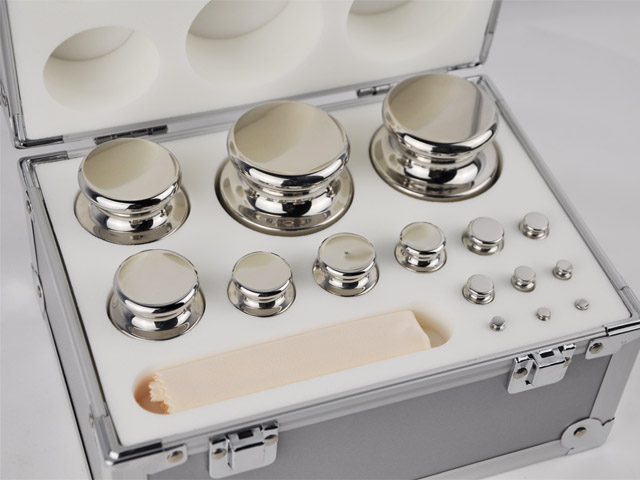
Calibration weights serve diverse and irreplaceable functions across a broad spectrum of industrial, scientific, and commercial fields, supporting accurate measurement and quality control in countless professional scenarios. In scientific laboratory environments, they calibrate analytical balances and precision weighing instruments used in chemical analysis, pharmaceutical research, material science experiments, and biological sample testing, ensuring that experimental data remains accurate, repeatable, and scientifically valid. In industrial manufacturing sectors, calibration weights verify the accuracy of production weighing equipment used for raw material batching, product quality inspection, and component mass testing, maintaining consistent production standards and reducing product defects caused by measurement errors. In commercial trade and quality supervision fields, these weights underpin fair transaction measurement and product quality verification, ensuring uniform weighing accuracy across market operations. Additionally, they play a vital role in aerospace, precision machinery, electronic manufacturing, and environmental monitoring industries, where ultra-precise mass measurement is critical for product performance, safety, and technical compliance.
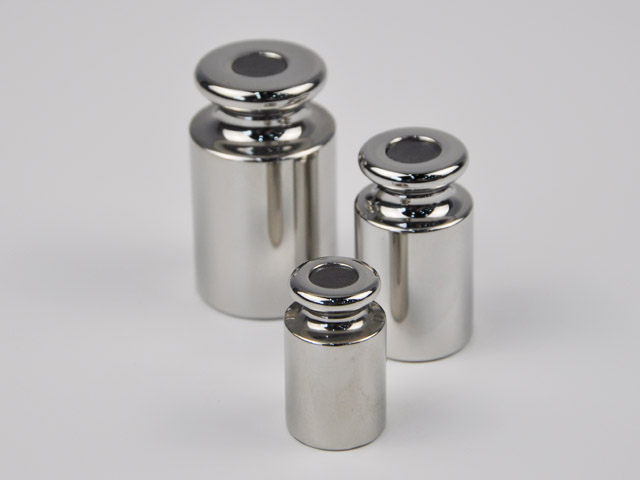
The selection of appropriate calibration weights requires systematic consideration of multiple practical factors to match specific application scenarios and meet precision measurement demands effectively. The primary consideration is the precision requirement of the target weighing instrument, as high-sensitivity analytical balances demand higher-stability calibration weights with stricter mass tolerance compared to ordinary industrial weighing scales. The nominal mass range of the weights must align with the conventional weighing range of the target equipment, ensuring that calibration can cover the full operational measurement spectrum of the instrument. Environmental conditions of the usage site also guide material selection, with high-humidity, high-dust, or chemically active environments requiring high-corrosion-resistance alloy weights to prevent rapid performance degradation. Usage frequency is another key factor: frequently used weights prioritize wear-resistant, high-stability materials and robust structural design, while occasionally used weights can adopt conventional specifications to balance performance and practicality. Reasonable weight selection eliminates mismatches between calibration artifacts and application scenarios, maximizing calibration accuracy and extending the service life of both weights and weighing instruments.
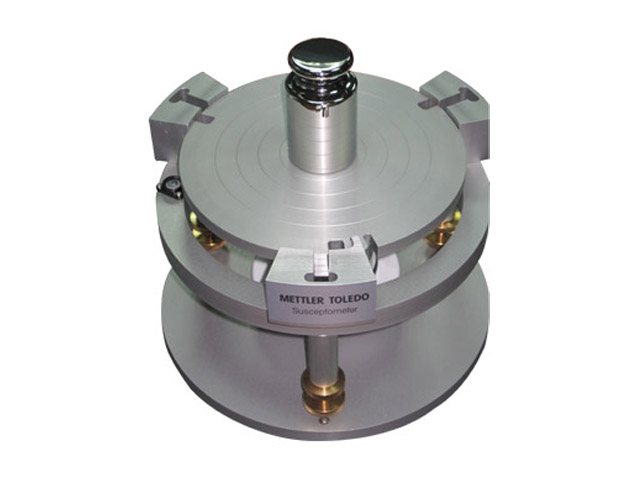
As modern metrology technology continues to advance and industrial measurement standards become increasingly stringent, the role of calibration weights as fundamental mass reference artifacts grows progressively more indispensable. Every technological innovation in precision manufacturing, scientific research, and industrial quality control relies on accurate and traceable mass measurement, and calibration weights remain the most reliable, intuitive, and widely applicable tool for realizing mass value traceability and instrument performance verification. Continuous improvements in material science, precision machining technology, and maintenance management methods have further enhanced the stability, accuracy, and durability of modern calibration weights, enabling them to meet the evolving high-precision measurement demands of emerging industries. Moving forward, standardized application, scientific maintenance, and regular performance verification of calibration weights will continue to serve as the basic guarantee for maintaining the accuracy, consistency, and credibility of global mass measurement systems, supporting the stable development of scientific research, industrial production, and quality supervision undertakings across all fields.
Types of Calibration Weights
M1 Calibration Weights serve as reliable and practical reference masses for routine weighing instrument calibration in daily industrial and commercial scenarios. Crafted with stable metal materials that resist daily wear and minor environmental interference, these weights maintain consistent mass performance during long-term repeated use. They are widely applied to verify and adjust medium-precision weighing devices, including common digital scales, mechanical balances, and platform scales used in production workshops and daily measurement work. Regular calibration with M1 calibration weights effectively corrects subtle measurement deviations caused by long-term equipment operation, vibration, and environmental changes. This steady calibration routine ensures the basic accuracy of daily weighing data, laying a solid foundation for standardized operational processes and consistent measurement results in conventional industrial and commercial measurement scenarios.
M2 Calibration Weights are designed to meet the basic calibration demands of low to medium precision weighing equipment, featuring excellent stability and cost-effective practicality for general measurement environments. These weights undergo rigorous manufacturing and surface treatment processes to prevent mass drift caused by oxidation, friction, and daily handling. They are highly suitable for calibrating large-range weighing instruments commonly used in logistics, commodity detection, and ordinary factory material weighing. In daily operational measurement work, M2 calibration weights can quickly complete equipment verification and error adjustment, helping operators eliminate inaccurate data caused by equipment aging and external environmental disturbances. Their durable structure and stable mass output make them a dependable choice for frequent, routine calibration tasks in non-high-precision measurement scenarios.
E1 Calibration Weights represent high-precision reference tools tailored for sophisticated measurement and laboratory calibration work. Manufactured with ultra-fine processing technology and high-purity anti-corrosion metal materials, these weights feature extremely low mass deviation and superior environmental adaptability. They are mainly used for calibrating high-precision analytical balances and precision weighing instruments that require ultra-accurate measurement data in professional laboratories and precision detection institutions. E1 calibration weights can capture and correct tiny measurement errors that conventional weights cannot identify, ensuring that experimental data and precision detection results reach a high level of accuracy. Their strict production tolerance and stable physical properties enable them to support rigorous scientific research, precision testing, and high-standard measurement verification work.
E2 Calibration Weights are high-precision calibration tools positioned between ultra-precision and conventional precision measurement scenarios, balancing excellent accuracy and practical applicability. Adopting premium polished metal materials and precise machining craftsmanship, these weights effectively resist the impact of temperature changes, humidity fluctuations, and slight mechanical friction on mass stability. They are commonly used for calibrating semi-precision analytical balances and high-grade commercial weighing equipment that require higher accuracy than general industrial devices. In professional detection, pharmaceutical testing, and fine chemical measurement scenarios, E2 calibration weights provide accurate reference standards for equipment debugging and data verification. They fill the gap between ultra-high precision laboratory calibration and ordinary industrial calibration, ensuring stable and reliable medium-high precision measurement results.
F1 Calibration Weights are professional precision calibration masses widely used in transitional precision measurement fields, with stable performance and strict manufacturing precision. Made of high-density anti-corrosion metal materials, these weights maintain long-term mass consistency even in complex indoor measurement environments. They are primarily applied to calibrate precision weighing instruments used in quality inspection departments, light industry manufacturing, and fine material proportioning. F1 calibration weights can accurately detect and correct minor measurement errors of precision scales, ensuring that product quality detection data and material proportioning data meet standardized requirements. Their balanced performance in precision and durability makes them suitable for both regular precision calibration work and periodic accuracy verification of key measuring equipment in production and detection links.
F2 Calibration Weights are practical precision calibration tools optimized for conventional precision measurement and daily precision verification work. With fine surface processing and stable material characteristics, these weights avoid mass loss or deviation caused by frequent handling and conventional environmental erosion. They are suitable for calibrating medium-precision precision balances, electronic scales, and detection weighing equipment commonly used in industrial quality control and daily precision measurement. In daily production detection and routine equipment maintenance, F2 calibration weights can efficiently complete accuracy verification and error adjustment of weighing equipment. They provide reliable measurement references for ensuring product processing precision, standardizing detection processes, and avoiding measurement errors that affect product quality and production consistency.
