





Changzhou Veidt Weighing Co., Ltd. © 2022 ALL RIGHTS RESERVED Privacy Policy | Calibration Weight | Test Weights | Cast Iron Weights | Standard Weights | Laboratory Weights | XML | SITEMAP
Product Category
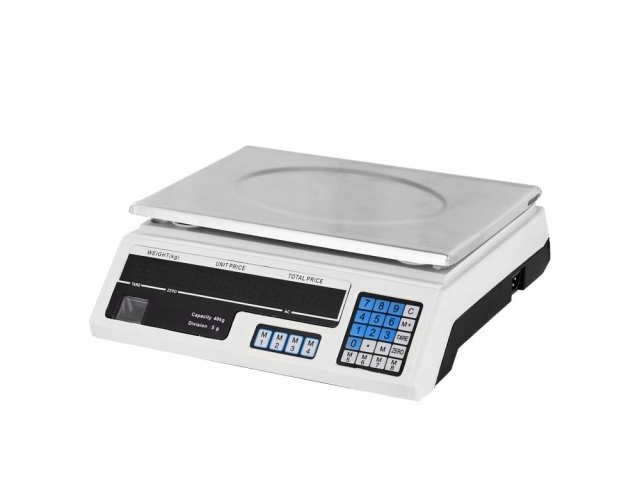
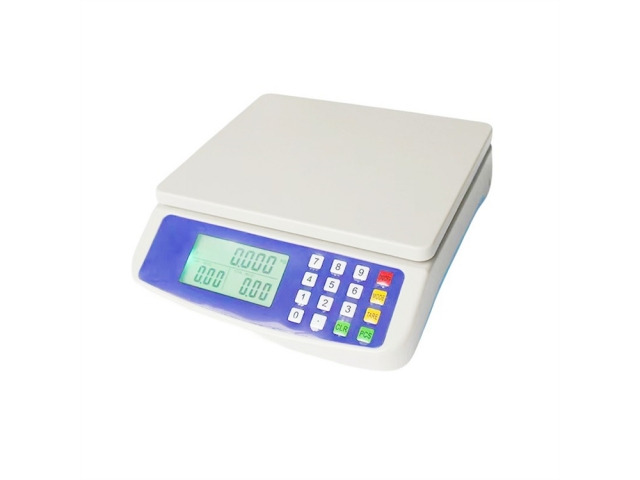
Price Computing Scale
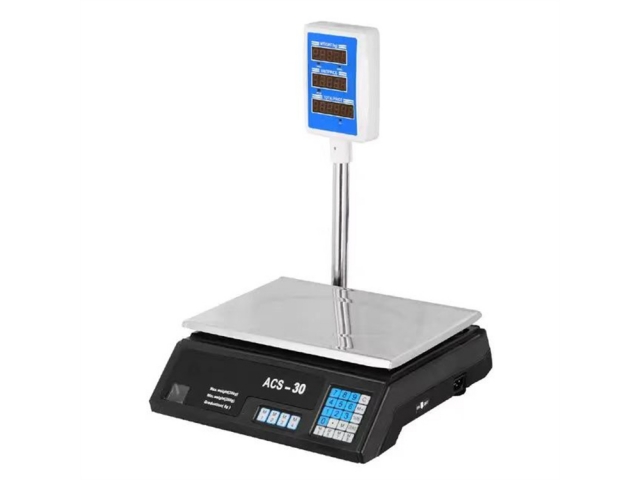
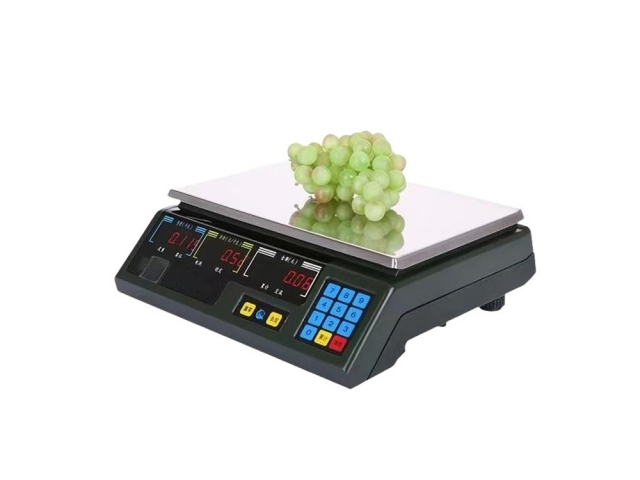
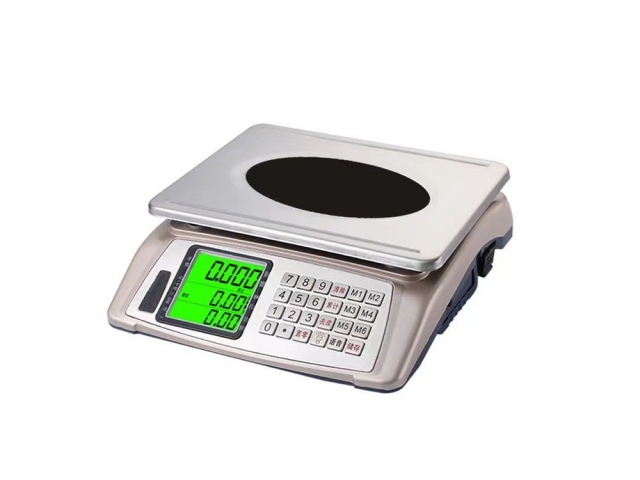
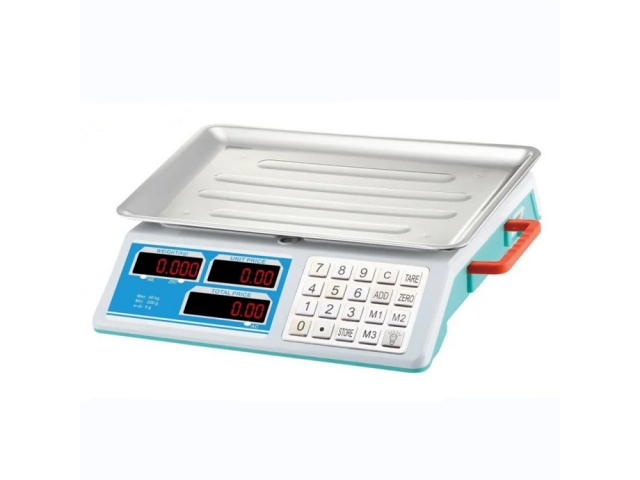
Veidt Weighing is a Price Computing Scale factory in china. In the dynamic landscape of modern commerce, efficiency, accuracy, and customer satisfaction stand as the cornerstones of successful business operations. Among the myriad tools that facilitate these objectives, the price computing scale emerges as a seemingly modest yet indispensable device. From the bustling farmers' markets where fresh produce changes hands to the sleek supermarkets with endless aisles of packaged and loose goods, price computing scales play a pivotal role in streamlining transactions, ensuring fair trade, and enhancing the overall shopping experience.
At its core, a price computing scale is a specialized weighing device designed to not only measure the weight of an item but also calculate its total price based on a pre-set unit price. Unlike basic weighing scales that merely display weight readings, price computing scales integrate weight measurement with arithmetic calculation, eliminating the need for manual computation by cashiers or sellers. This integration of two essential functions into a single device simplifies the transaction process, reduces the likelihood of human error, and speeds up checkout times—factors that are crucial in high-volume retail environments. The fundamental components of a price computing scale include a load cell (the sensor that converts weight into an electrical signal), a microprocessor (the "brain" that performs calculations), a display screen (to show weight, unit price, and total price), and input devices (such as keypads for entering unit prices). Some advanced models also feature additional components like barcode scanners, receipt printers, and connectivity modules, further expanding their functionality.
The functionality of price computing scales is rooted in a straightforward yet effective process. When an item is placed on the scale’s platform, the load cell detects the pressure exerted by the item’s weight and converts this mechanical force into an electrical signal. This signal is then transmitted to the microprocessor, which processes the signal to determine the exact weight of the item. Once the weight is established, the microprocessor retrieves the unit price that has been entered by the user (either manually via the keypad or automatically via a barcode scanner linked to a product database) and multiplies it by the weight to calculate the total price. The results—weight, unit price, and total price—are then displayed on the screen, making it easy for both the seller and the customer to verify the information. In models equipped with receipt printers, a hard copy of the transaction details can be generated for the customer, providing a clear record of the purchase. This seamless process ensures that transactions are conducted quickly and accurately, minimizing delays and disputes.
One of the most significant advantages of price computing scales is their ability to enhance operational efficiency in retail and wholesale environments. In busy stores or markets where numerous transactions occur every minute, manual weight measurement and price calculation can be time-consuming and prone to errors. A cashier or seller who has to weigh an item, remember or look up the unit price, and then perform multiplication runs the risk of miscalculating the total price—an error that can lead to customer dissatisfaction, financial losses for the business, or even legal issues in cases of intentional or repeated overcharging. Price computing scales eliminate these risks by automating the calculation process, allowing transactions to be completed in a matter of seconds. This increased efficiency not only reduces checkout queues but also enables staff to focus on other important tasks, such as customer service, inventory management, and store maintenance.
Accuracy is another key benefit offered by price computing scales. The load cells used in these scales are precision-engineered to provide highly accurate weight measurements, often with a tolerance of less than 0.1% of the maximum weight capacity. This level of accuracy is essential for fair trade, as it ensures that customers pay exactly for the weight of the item they are purchasing. For businesses, accurate weight and price calculations help maintain a positive reputation and build trust with customers. In industries where product prices are based on weight (such as meat, seafood, cheese, and produce), even minor inaccuracies can add up to significant financial losses over time. Price computing scales mitigate this risk by providing consistent and reliable measurements, ensuring that both the business and the customer are treated fairly.
Versatility is yet another advantage that makes price computing scales suitable for a wide range of applications. These scales are available in a variety of sizes, weight capacities, and configurations, making them adaptable to different types of businesses and products. For example, small, portable price computing scales are ideal for farmers' markets, street vendors, and small convenience stores, where mobility and space efficiency are important. These portable models are often battery-powered, allowing them to be used in locations without access to electricity. On the other hand, large, stationary price computing scales are designed for use in supermarkets, wholesale warehouses, and industrial settings, where they can handle heavier items and high transaction volumes. Additionally, many price computing scales are compatible with different types of products, including fresh produce, frozen goods, meat, seafood, and dry goods, making them a versatile tool for businesses that sell a diverse range of items.
The applications of price computing scales extend far beyond traditional retail environments, encompassing a wide range of industries and settings. In the food retail sector, price computing scales are essential for weighing and pricing fresh produce, meat, seafood, deli items, and baked goods. For example, in a supermarket’s meat department, a price computing scale is used to weigh a customer’s selection of beef or chicken, calculate the total price based on the current per-pound price, and print a label with the weight, price, and product information. This label not only helps the cashier ring up the item quickly but also provides the customer with important details about the product. In farmers' markets, local vendors use portable price computing scales to weigh fruits, vegetables, and other farm-fresh products, ensuring that customers pay a fair price based on the actual weight. These scales are also used in specialty food stores, such as cheese shops and bakeries, where products are often sold by weight.
Beyond the food industry, price computing scales find applications in other retail sectors as well. In hardware stores, they are used to weigh items such as nails, screws, bolts, and other small hardware products that are sold by weight. In fabric stores, price computing scales can be used to weigh rolls of fabric and calculate the total price based on the per-yard or per-meter price. In pharmacies, these scales are used to weigh medicinal herbs, powders, and other products that are dispensed in specific quantities. Even in non-retail settings, such as manufacturing facilities and warehouses, price computing scales play a role in inventory management and shipping. For example, in a warehouse, a price computing scale can be used to weigh packages and calculate the shipping cost based on weight, ensuring that the correct shipping charges are applied.
Over the years, price computing scales have undergone significant technological advancements, evolving from simple mechanical devices to sophisticated electronic instruments with advanced features. The earliest price computing scales were mechanical, using springs and levers to measure weight and gears to perform basic calculations. These mechanical scales were bulky, slow, and prone to wear and tear, requiring frequent calibration to maintain accuracy. The advent of electronic technology in the mid-20th century revolutionized the design and functionality of price computing scales. Electronic scales replaced mechanical components with load cells and microprocessors, resulting in smaller, faster, and more accurate devices. Electronic price computing scales also introduced digital displays, which made weight and price readings easier to read than the analog dials of mechanical scales.
In recent years, the integration of digital technology has further enhanced the capabilities of price computing scales. Many modern price computing scales now feature barcode scanning functionality, allowing users to scan a product’s barcode to automatically retrieve the unit price from a connected database. This eliminates the need for manual entry of unit prices, reducing the risk of errors and saving time. Some scales also come equipped with touchscreen displays, which are more user-friendly than traditional keypads, especially for staff who are not familiar with the device. Another significant advancement is the integration of wireless connectivity, such as Wi-Fi and Bluetooth, into price computing scales. This allows the scales to connect to point-of-sale (POS) systems, inventory management software, and other business applications, enabling real-time data synchronization. For example, when a price computing scale is used to weigh an item, the transaction data is automatically transmitted to the POS system, updating inventory levels and sales records in real time. This integration of price computing scales with other business systems enhances operational efficiency and provides businesses with valuable insights into sales trends and inventory management.
The development of smart price computing scales has also opened up new possibilities for businesses. Smart scales are equipped with advanced features such as cloud connectivity, artificial intelligence (AI), and machine learning capabilities. Cloud connectivity allows businesses to access transaction data from anywhere, at any time, using a computer or mobile device. This is particularly useful for multi-location businesses that need to monitor sales and inventory across multiple stores. AI and machine learning capabilities enable smart scales to learn from user behavior, predict inventory needs, and even provide personalized recommendations to customers. For example, a smart price computing scale in a supermarket could analyze a customer’s purchase history and suggest complementary products based on their current selection. Additionally, some smart scales are equipped with cameras that can identify products automatically, eliminating the need for manual scanning or entry of unit prices. This feature is particularly useful for fresh produce, where items may not have barcodes.
Looking ahead, the future of price computing scales is poised to be shaped by continued technological innovation and changing consumer and business needs. One of the key trends expected to drive the development of price computing scales is the growing demand for contactless and self-service solutions. In the wake of the COVID-19 pandemic, many consumers have become more comfortable with self-service options, and businesses are increasingly adopting contactless technologies to minimize physical contact between staff and customers. Price computing scales with self-service capabilities, such as touchless displays and voice recognition, are likely to become more prevalent in retail environments. These self-service scales would allow customers to weigh and price their own items, reducing the need for staff assistance and speeding up the checkout process.
Another trend that is expected to influence the evolution of price computing scales is the increasing focus on sustainability. Businesses around the world are becoming more conscious of their environmental impact and are looking for ways to reduce waste and improve sustainability. Price computing scales can contribute to these efforts by reducing the use of paper receipts. Many modern scales already offer digital receipt options, allowing customers to receive their transaction details via email or text message instead of a paper receipt. In the future, we can expect to see more price computing scales with eco-friendly features, such as rechargeable batteries, energy-efficient components, and recycled materials in their construction.
The integration of Internet of Things (IoT) technology is another trend that is likely to transform price computing scales. IoT-enabled scales can connect to a network of other devices and systems, enabling seamless data sharing and automation. For example, an IoT-enabled price computing scale in a grocery store could communicate with the store’s refrigeration units to monitor the temperature of perishable items, ensuring that they are stored at the correct temperature. It could also connect to suppliers’ systems to automatically reorder products when inventory levels are low. This level of connectivity and automation would further enhance operational efficiency and help businesses make more informed decisions.
Additionally, the increasing demand for real-time data analytics is expected to drive the development of more advanced price computing scales. Businesses are constantly seeking ways to gain insights into customer behavior, sales trends, and inventory management, and price computing scales can serve as a valuable source of data. Future price computing scales are likely to be equipped with more advanced data analytics capabilities, allowing businesses to analyze transaction data in real time and generate detailed reports. These reports could help businesses identify popular products, optimize pricing strategies, and improve inventory management, ultimately leading to increased profitability.
In conclusion, price computing scales are a vital tool in modern commerce, offering a range of benefits including enhanced efficiency, accuracy, and versatility. Their applications span across various industries, from food retail to hardware stores, and they have evolved significantly over the years, from simple mechanical devices to sophisticated electronic and smart instruments. As technology continues to advance, price computing scales are poised to become even more advanced, with features such as contactless and self-service capabilities, sustainability features, IoT integration, and advanced data analytics. These innovations will not only further improve the functionality of price computing scales but also help businesses adapt to changing consumer and market trends. Whether in a small farmers' market or a large supermarket, price computing scales will continue to play an essential role in ensuring fair and efficient transactions, contributing to the success of businesses and the satisfaction of customers for years to come.
Learn more about digital price computing scale, commercial price computing scale, retail price computing scale, price computing weighing scale, electronic price computing scale, pos price computing scale, price computing scale for grocery store, price computing scale for supermarket, digital commercial price computing scale, price computing scale with printer, price computing scale for convenience store, price computing scale with lcd display, price computing scale for fruit shop, barcode price computing scale, price computing scale for butcher shop, portable price computing scale, price computing scale for farmers market, price computing scale with label printer, price computing scale for bakery, high precision price computing scale, price computing scale for deli, price computing scale with bluetooth, price computing scale for small business, price computing scale stainless steel, price computing scale with tax calculation, price computing scale for fish market, price computing scale heavy duty, price computing scale for pharmacy, price computing scale with weight and price calculation, price computing scale easy to use, price computing scale for wholesale store, price computing scale with led display, price computing scale for cafe, price computing scale for restaurant, price computing scale multi-functional, price computing scale with cash drawer, price computing scale accurate, price computing scale for food store, price computing scale with usb port, price computing scale for hardware store, price computing scale energy saving, price computing scale durable, price computing scale for boutique, price computing scale with inventory management, price computing scale for logistics, price computing scale for warehouse, price computing scale with auto-calibration, price computing scale lightweight, price computing scale for international retail, pls contact us.
