















Changzhou Veidt Weighing Co., Ltd. © 2022 ALL RIGHTS RESERVED Privacy Policy
Product Category
Standard Weights
Veidt Weighing is a standard weight factory in china, standard weights are benchmark instruments in the field of quality measurement. As the material embodiment of the international unit of mass, they play a crucial role in modern measurement systems. These precision manufactured metal blocks are not only essential tools for laboratories, factories, and inspection agencies, but also the infrastructure for ensuring global trade fairness and accurate scientific research.
The International Bureau of Weights and Measures defines standard weights as "physical measuring tools with specified shapes, materials, and technical characteristics, used to reproduce a given mass value". From microscopic laboratory research to macroscopic industrial manufacturing, standard weights are ubiquitous, silently supporting humanity's relentless pursuit of precise measurement.
Classification system of standard weights
Classify by accuracy level
The International Organization for Legal Metrology classifies standard weights into the following levels:
- E-grade: highest precision, used for calibrating other weights and precision scales
- F-grade: High precision, used for laboratory precision measurement
- M-grade: Industrial grade precision, used for routine testing and production process control
The Chinese National Standards (GB/T) are further divided into E1, E2, F1, F2, M1, M2, and M3 levels, forming a more comprehensive system for transmitting values.
Classify by material
- Stainless steel weights: the most commonly used, with excellent corrosion resistance and stability
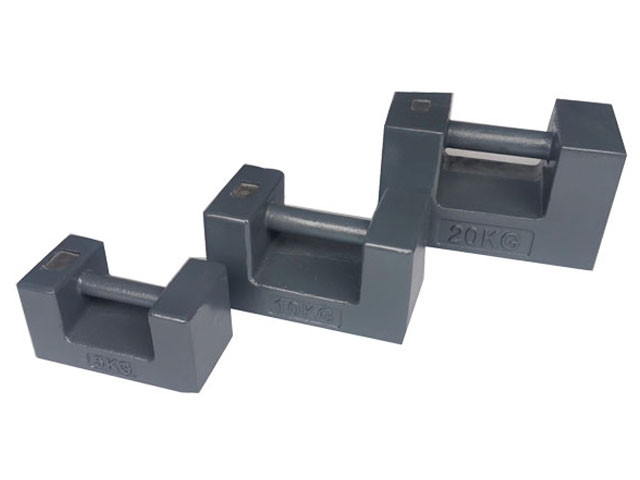
- Cast iron weights: Low cost, commonly used in large industrial weighing equipment
- Brass weights: Traditional material gradually replaced by stainless steel
- Platinum iridium alloy weights: used for the highest precision standards, such as the national kilogram prototype
Classify by shape
The shape design of standard weights considers convenience of use and reduces the influence of air buoyancy. Common shapes include:
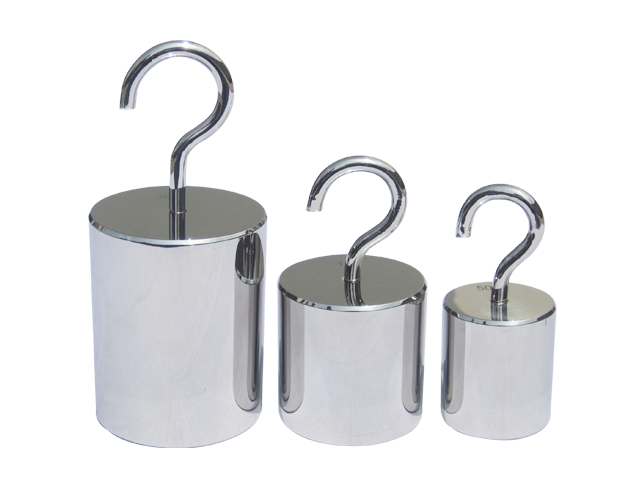
- Cylindrical (commonly used below 1kg)
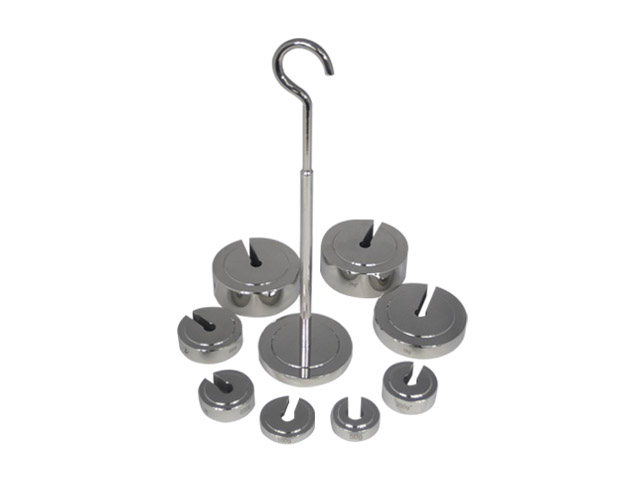
- Sheet shaped (small mass weight)
- Lock shaped (larger weight with handle)
- Polygon (Special Purpose)
Technical characteristics of standard weights
Material characteristics
Modern standard weights often use 316L stainless steel, which has the following properties:
- Extremely low magnetism
- High density (approximately 7.95g/cm ³)
- Excellent corrosion resistance
- Good mechanical stability and wear resistance
- Low thermal expansion coefficient
Surface treatment process
High end standard weights undergo precision polishing and special cleaning treatment:
- Surface roughness is controlled within Ra ≤ 0.05 μ m
- Using ultrasonic cleaning and vacuum drying
- Some weights are coated with a protective layer to prevent oxidation
Measurement performance indicators
The core technical parameters of standard weights include:
- Quality tolerance: There are strict regulations for different grades
- Repeatability: ≤ 1/3 tolerance limit
- Long term stability: minimal annual variation
- Magnetic susceptibility: E1 grade requirement ≤ 0.0005
Use and maintenance of standard weights
Correct usage method
- Use specialized tweezers or gloves to remove and place, avoiding direct contact
- Handle with care to prevent collisions and falls
- Maintain a stable temperature environment for use (20 ± 2 ℃ is recommended)
- Pay attention to air buoyancy correction and perform vacuum weighing if necessary
Key points of maintenance and upkeep
- Regular cleaning: wipe with anhydrous ethanol and lint free cloth
- Storage environment: Special box with constant temperature and humidity ≤ 60%
- Periodic verification: Conduct regular calibration according to national regulations
- Avoid: strong magnetic fields, corrosive gases, and severe vibrations
Common problem handling
- Surface contamination: professional cleaning and recalibration
- Minor wear and tear: downgraded for use after evaluation
- Obvious damage: Immediately stop using and send for inspection
Modern application of standard weights
The core role in the metrological traceability system
The standard weights form a pyramid shaped value transmission chain:
- National Standards → Work Standards → Standard Weights → Work Weights
- Ensure consistency in the measurement value from the international kilogram definition to the end user
Industrial application fields
- Pharmaceutical industry: precise weighing of drug ingredients
- Precision Manufacturing: Quality Control of Components
- Jewelry appraisal: precious metal quality testing
- Laboratory research: high-precision experimental data acquisition
Integration of emerging technologies
Modern standard weight technology is deeply integrating with information technology:
- Electronic tags record the full lifecycle data of weights
- Blockchain technology used for value traceability authentication
- Intelligent calibration system realizes remote measurement services
As witnesses of human civilization's precise measurement, standard weights will continue to play an irreplaceable role in technological development. From ancient weighing instruments to modern precision measurement, this seemingly simple tool carries humanity's relentless pursuit of precision and truth.
The concept of standard weight is often misunderstood in a world that frequently fixates on rigid numbers, fleeting aesthetic trends, and narrow definitions of what a “desirable” body should look like. Far from being a fixed, one-size-fits-all number pinned to a scale, standard weight represents a thoughtful, science-backed range of body mass that aligns with long-term physical health, steady bodily function, and a sustainable relationship with food and movement. It is not a benchmark designed to shame or exclude, nor is it a target that demands extreme sacrifice or unrealistic habits; instead, it serves as a gentle, reliable reference point that helps individuals understand their body’s needs, avoid the health risks linked to extreme weight fluctuations, and cultivate a lifestyle that supports consistent wellness across all stages of life. This exploration of standard weight delves into its true meaning, its connection to overall health, the factors that shape a personalized healthy range, and the practical, gentle ways to maintain balance without falling prey to harmful myths or restrictive practices.
To begin, standard weight is rooted in statistical and physiological research that looks at large groups of people across different ages, heights, body compositions, and lifestyles to identify a weight range where the body can operate efficiently and with reduced risk of chronic health challenges. It is calculated by considering the relationship between height and body mass, most commonly through a widely used measurement tool that provides a general framework for assessing weight relative to stature. This tool does not measure body fat directly, nor does it account for every unique variable of the human body, but it offers a consistent starting point for understanding whether a person’s weight falls within a range that supports healthy organ function, joint stability, and metabolic balance. What makes this concept so valuable is that it rejects the idea of a single perfect weight; instead, it embraces a flexible span that allows for natural variations in muscle mass, bone density, water retention, and individual body structure. For example, two people of the same height may fall within the same standard weight range but have very different body shapes—one may carry more lean muscle from regular physical activity, while the other may have a softer frame with a different distribution of fat and muscle, and both can be equally healthy within that range.
One of the most critical aspects of standard weight is its direct link to long-term physical health, as straying too far above or below this balanced range can place unnecessary strain on the body and increase the likelihood of developing persistent health issues. Carrying body weight that falls significantly below the standard range can lead to a weakened immune system, making the body more vulnerable to illness and infection; it can also disrupt hormonal balance, affect energy levels, and impair nutrient absorption, leaving the body without the fuel it needs to repair cells and maintain vital functions. On the other hand, carrying weight that sits well above the standard range over an extended period can put added pressure on joints, particularly the knees, hips, and spine, leading to discomfort and reduced mobility over time. It can also affect metabolic health, influencing how the body processes sugars and fats, and may contribute to increased stress on the heart and circulatory system. Importantly, these risks are not tied to small, temporary fluctuations in weight—such as minor gains or losses due to seasonal changes, travel, or short-term shifts in routine—but rather to prolonged, extreme deviations from the balanced standard range. Standard weight acts as a protective guide, helping individuals stay within a zone where the body can thrive without enduring chronic physical stress.
It is essential to recognize that standard weight is not a static number that remains unchanged throughout a person’s life, nor does it ignore the natural evolution of the human body as it ages, adapts, and goes through different life stages. For younger adults, the body is often more resilient, with higher metabolic rates and greater muscle mass potential, so the standard weight range may reflect a balance that supports active lifestyles and growth. As people move into middle age, metabolic rates may shift slightly, muscle mass may naturally decrease if not actively maintained, and hormonal changes can alter how the body stores and uses energy; the standard weight range remains relevant but is viewed through the lens of age-appropriate health, focusing on maintaining mobility, heart health, and digestive balance. For older adults, the standard weight range shifts again to prioritize stability and nutrient retention, as a moderate, healthy weight can support bone density and immune function, reducing the risk of falls and age-related illnesses. This flexibility means that standard weight is a lifelong companion, not a temporary goal, adapting to the body’s changing needs rather than demanding the body conform to an unchanging ideal.
A common misconception about standard weight is that it equates to a specific body type or aesthetic, but this could not be further from the truth. Standard weight has no connection to fashion trends, media portrayals, or societal pressures to look a certain way; it is solely focused on health and function. Many people mistakenly believe that falling within the standard weight range means having a lean, slender frame, but this is a narrow and inaccurate view. People with larger bone structures, those who engage in regular strength training and build significant muscle mass, and those with naturally curvier or more robust frames can all fall within a healthy standard weight range and be in excellent physical condition. Muscle tissue is denser than fat tissue, so individuals with high muscle mass may weigh more than someone with the same height and less muscle, yet both can sit within the standard weight range and enjoy optimal health. This distinction is vital because it helps move the conversation away from appearance and toward well-being, encouraging people to focus on how their body feels rather than a number on a scale or a specific visual ideal.
Another key point to understand is that standard weight is not achieved or maintained through extreme diets, excessive exercise, or restrictive habits that deprive the body of essential nutrients or joy. Sustainable alignment with a standard weight range comes from consistent, moderate lifestyle choices that prioritize balance over perfection. This means nourishing the body with a varied diet that includes a mix of whole foods, fruits, vegetables, lean proteins, whole grains, and healthy fats, allowing for occasional treats and flexibility without guilt. It means engaging in regular physical activity that feels enjoyable and sustainable—whether that is walking, cycling, swimming, dancing, gardening, or strength training—rather than punishing workouts that lead to burnout. It also means prioritizing rest, sleep, and stress management, as poor sleep and chronic stress can disrupt metabolic balance and lead to unintentional weight changes, even when diet and exercise habits remain consistent. Standard weight is a reflection of a balanced life, not a result of strict rules or self-denial; it is about giving the body what it needs to function well, not depriving it to meet an arbitrary standard.
In today’s society, there is no shortage of misinformation surrounding weight and health, with many conflicting messages that can make it hard to understand the true purpose of standard weight. Some sources push quick fixes and rapid weight changes, while others promote extreme thinness or overly muscular physiques as the only markers of health, but these narratives ignore the science behind standard weight and the uniqueness of each human body. It is important to filter out these noisy, unhelpful messages and remember that standard weight is a neutral, evidence-based tool designed to support health, not to judge worth. Every person’s body is different, with its own genetic predispositions, metabolic rate, and lifestyle factors, so the exact spot within the standard weight range that feels best for one person may not be the same for another. Some individuals may feel their best and have the most energy at the lower end of the range, while others thrive at the higher end, and both are valid as long as they fall within the balanced, health-supporting span.
Beyond physical health, standard weight also plays a subtle but meaningful role in mental and emotional well-being. When individuals are aligned with a weight range that supports their body’s needs, they often experience more consistent energy levels, better mood, and improved self-confidence that comes from feeling strong and capable, not from meeting external expectations. Struggling with extreme weight fluctuations can take a toll on mental health, leading to frustration, low self-esteem, and a negative relationship with food and body image. By embracing the concept of standard weight as a flexible, compassionate guide, people can let go of the pressure to achieve an unattainable ideal and instead focus on building a healthy, sustainable relationship with their bodies. This shift in mindset allows for greater self-compassion, as individuals learn to accept their natural body shape and prioritize health over appearance. It also reduces the anxiety and stress that often come with constant weight monitoring, encouraging a more relaxed, intuitive approach to caring for the body.
Maintaining a standard weight range is not about perfection; it is about consistency and moderation. Small, daily choices add up over time to create a balanced lifestyle that supports a healthy weight, and occasional slip-ups—such as a weekend of indulgent meals or a week of less physical activity—do not derail long-term progress. The body is resilient and can handle temporary changes, so there is no need for guilt or self-criticism when routine is disrupted. Instead, the goal is to return to gentle, healthy habits that support balance, such as staying hydrated, eating mindfully, moving the body regularly, and getting enough sleep. This approach avoids the cycle of extreme restriction followed by overindulgence that often comes with rigid weight loss plans, instead fostering a sustainable, peaceful relationship with food and movement.
It is also important to note that standard weight should be considered alongside other markers of health to get a full picture of well-being. While the weight range provides a useful reference, factors such as body fat percentage, waist circumference, blood pressure, cholesterol levels, energy levels, and mental health all play equally important roles in determining overall health. Someone may fall within the standard weight range but have poor dietary habits or a sedentary lifestyle, leading to hidden health risks, while another person may be slightly outside the range but have excellent fitness levels, strong muscle mass, and optimal metabolic health. This is why standard weight is a guide, not a definitive judgment, and why it should be used in conjunction with other health indicators and professional medical advice. Consulting with a healthcare provider can help individuals understand their unique healthy weight range, taking into account their personal health history, body composition, and lifestyle factors.
Looking at the broader picture, standard weight is a reflection of humanity’s shared understanding of what it means for the body to be in balance. It transcends cultural differences, aesthetic preferences, and temporary trends, focusing instead on the universal needs of the human body: proper nourishment, regular movement, rest, and stability. In a world that often values appearance over health, standard weight serves as a reminder that health is the foundation of a fulfilling life, and that a balanced weight is simply one part of that foundation. It encourages us to reject the idea that our worth is tied to a number on a scale and instead embrace the beauty of a body that is well-cared for, strong, and capable of supporting us through all of life’s experiences.
As we navigate the complexities of modern life, with busy schedules, easy access to processed foods, and constant exposure to unrealistic body standards, holding onto the true meaning of standard weight can be a grounding force. It reminds us to slow down, listen to our bodies, and make choices that support long-term health rather than short-term aesthetic goals. It teaches us that balance is key, and that health is not about being extreme or perfect, but about being consistent and kind to ourselves. Whether someone is just starting to prioritize their health, looking to adjust their lifestyle for better balance, or simply seeking to understand their body better, the concept of standard weight offers a clear, compassionate path forward.
In conclusion, standard weight is far more than a numerical range; it is a philosophy of balanced living, a science-backed guide to physical health, and a tool for cultivating self-compassion. It rejects the rigidity and judgment that often surround weight conversations, instead embracing flexibility, individuality, and sustainability. It reminds us that every body is unique, and that health looks different on every person. By understanding and embracing standard weight as a gentle reference point rather than a strict rule, we can move away from harmful weight stigma and restrictive habits, and toward a life of greater wellness, confidence, and balance. This approach not only supports physical health but also enriches mental and emotional well-being, allowing us to live fully and authentically, free from the pressure of unrealistic ideals and focused on what truly matters: caring for the body we have and nurturing a life that feels healthy, happy, and sustainable.
