






Changzhou Veidt Weighing Co., Ltd. © 2022 ALL RIGHTS RESERVED Privacy Policy | Calibration Weight | Test Weights | Cast Iron Weights | Standard Weights | Laboratory Weights | XML | SITEMAP
Product Category
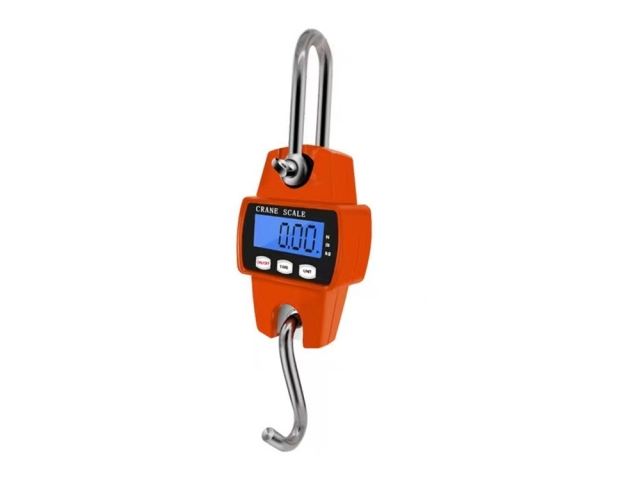
Crane Scale
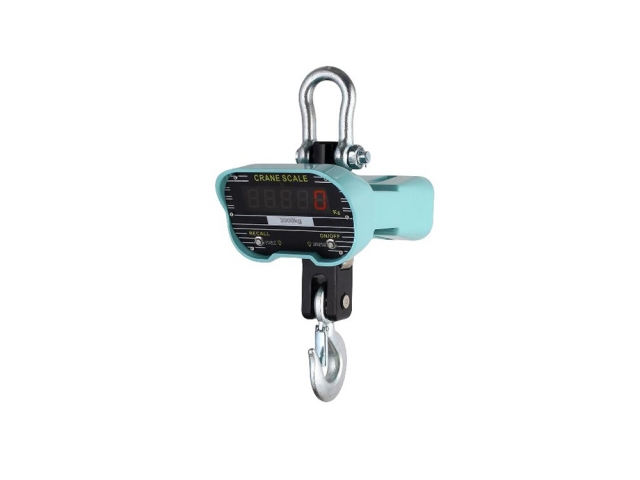
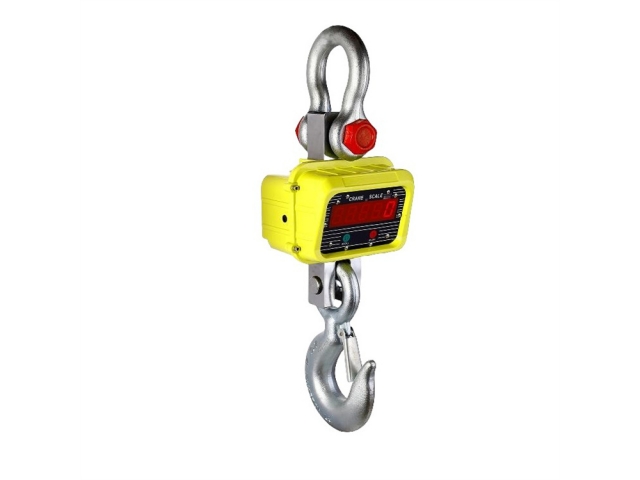
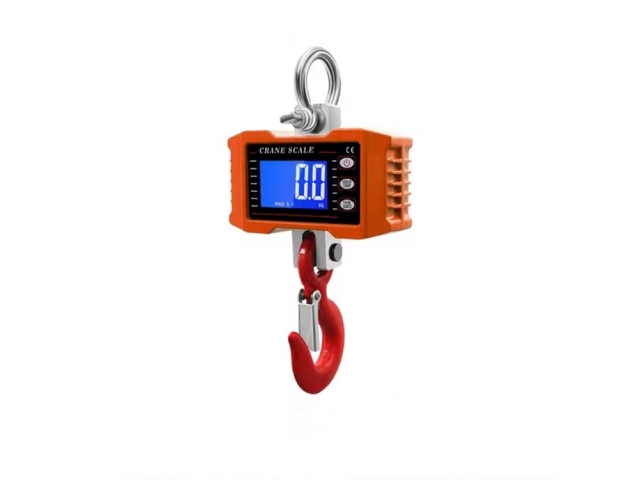
In modern industrial operation and material handling scenarios, the pursuit of efficiency, safety, and data accuracy has driven the continuous upgrading of weighing and load monitoring equipment, among which the crane scale has emerged as an indispensable core device for heavy-load lifting and weighing processes. Unlike traditional stationary weighing equipment that requires fixed placement and static material placement for measurement, the crane scale is a specialized suspended weighing device integrated with lifting equipment, designed to complete real-time weight detection and load monitoring during the dynamic lifting of heavy materials. Its core functional advantage lies in breaking the limitations of traditional weighing workflows, which require secondary material handling, transfer, and stationary weighing, effectively simplifying the overall operation process of industrial weighing. This innovative integration of lifting and weighing not only shortens the operational cycle of material handling but also avoids weight errors caused by repeated material transfer, stacking, and handling, laying a solid foundation for standardized and refined industrial operation. In all scenarios involving the lifting, transfer, and inventory counting of heavy bulk materials, large structural parts, and industrial finished products, crane scales can provide continuous, real-time, and intuitive load data support, making them widely applicable in diverse industrial and logistics fields.
The basic working logic of crane scales is built on mature mechanical sensing and electronic signal processing technology, with high-precision load cells serving as the core sensing component that supports all measurement functions. When the equipment is in operation, the whole scale body is stably suspended on the hook of lifting machinery, and the measured load is fixed on the lower hook of the scale body. As the lifting equipment starts to operate and the load leaves the ground completely, the gravity of the load forms a stable tension acting on the internal load cell of the crane scale. The strain gauge structure inside the load cell will produce tiny elastic deformation under the action of tension, and this mechanical deformation can be efficiently converted into continuous and stable electrical signal changes. The built-in microprocessor of the crane scale can capture, screen, and amplify these weak electrical signals in real time, and after algorithm calculation and data calibration, convert them into intuitive and readable weight data. The entire signal conversion and data processing process is completed in milliseconds, realizing synchronous updating of load data during dynamic lifting, swinging, and slight displacement of the load, ensuring the timeliness and continuity of measurement results.
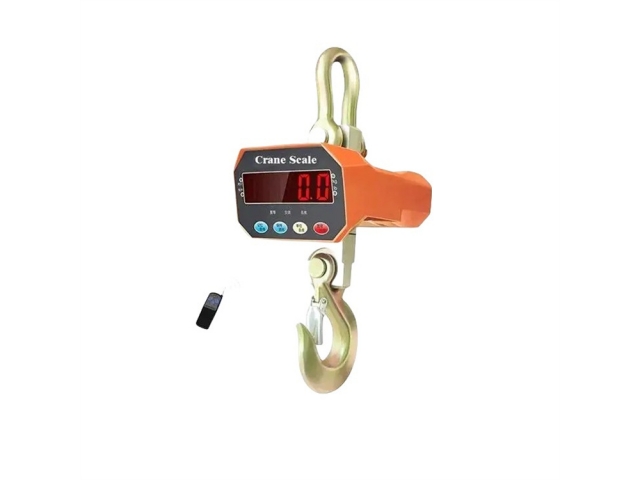
The structural design of modern crane scales fully takes into account the complex and harsh working environment of industrial sites, achieving a perfect balance between structural firmness, measurement accuracy, and operational flexibility. The main body of the equipment is mostly made of high-strength alloy materials with excellent compression resistance, impact resistance, and corrosion resistance, which can resist mechanical vibration, accidental impact, and dust and moisture erosion in long-term industrial operation. The upper and lower connecting parts of the scale body adopt integrated forging molding technology, eliminating structural gaps and hidden dangers of fracture caused by welding assembly, and ensuring structural stability under long-term heavy-load tension. In terms of functional configuration, the equipment is equipped with a high-definition digital display screen, which can clearly present weight data from multiple angles even in strong light or dim working environments. Meanwhile, the internal circuit and sensing components are equipped with professional waterproof, dustproof, and anti-interference protection structures, which can effectively shield the interference of electromagnetic signals from surrounding industrial equipment, temperature changes, and airflow fluctuations on measurement accuracy, ensuring stable operation in high-dust, high-humidity, and high-electromagnetic-interference working conditions.
With the continuous progress of industrial intelligence, the functional configuration of crane scales has been continuously upgraded from basic single weighing to multi-dimensional intelligent monitoring, greatly expanding its application value in industrial refined management. Traditional early crane scales only had a single static weighing function, which could only complete simple weight recording after the load was stabilized, and could not adapt to dynamic operation scenarios. Modern intelligent crane scales are embedded with high-performance data processing modules and wireless transmission modules, which can realize real-time remote transmission of weighing data. Operators can view load changes in real time through handheld remote control terminals or centralized industrial control systems, without needing to observe the display screen on the scale body on site, improving operation convenience and on-site safety. In addition, the equipment is equipped with automatic data storage, cumulative weighing, and zero-tracking functions, which can automatically record the weighing data of each lifting operation, realize cumulative statistics of batch materials, and automatically eliminate the weight interference of slings and auxiliary fixtures, further improving the accuracy and refinement of measurement data.
Safety monitoring is one of the most critical extended functions of crane scales, and it is also an important reason why the equipment has become a standard configuration for modern industrial lifting operations. In the process of heavy-load lifting, overload operation is the core hidden danger leading to equipment damage, structural fracture, and safety accidents. Intelligent crane scales are equipped with sensitive overload monitoring and early warning mechanisms. When the real-time load exceeds the preset safe load range, the equipment will automatically trigger sound and light alarm signals to remind operators to stop operation in time and avoid overload risks. At the same time, some upgraded models also have abnormal load monitoring functions, which can identify abnormal load fluctuations caused by unbalanced load stress, sudden jitter during lifting, and improper fixing of materials. By capturing these abnormal data in time, the equipment can help operators quickly judge potential safety hazards in the lifting process, standardize lifting operation behaviors, reduce the incidence of safety accidents caused by irregular operation and overload, and build a solid safety barrier for industrial lifting work.
Crane scales have extremely high scenario adaptability, covering almost all industrial fields that require heavy-load lifting and synchronous weighing, showing strong practical value in diversified production and operation links. In the manufacturing industry, especially in metal processing, mechanical equipment manufacturing, and foundry industries, crane scales are used for weighing raw metal materials, finished mechanical parts, and castings, providing accurate data support for raw material incoming inspection, finished product delivery measurement, and production material consumption statistics. In the construction field, the equipment is responsible for the weighing of prefabricated building components, steel structural parts, and bulk building materials, ensuring that the load of each lifting operation is within the safe bearing range of construction machinery, and providing data basis for construction progress settlement and material quantity verification. In port and logistics terminal scenarios, crane scales are used for rapid weighing of bulk cargo and container auxiliary weighing, realizing efficient counting and weight verification of goods in the process of loading and unloading, greatly improving the circulation efficiency of goods in logistics links.
The application of crane scales in the energy and heavy industry fields further reflects its unique advantages in adapting to extreme working conditions. In oil and gas exploration and development operations, the equipment is used for lifting and weighing heavy drilling equipment, pipeline components, and underground operation tools. Its stable structural performance and accurate dynamic measurement capability can adapt to outdoor complex weather environments and high-intensity continuous operation requirements, ensuring the safety and standardization of equipment hoisting and transportation. In the coal and mineral mining industry, crane scales undertake the weighing work of mined ore and coal materials in the process of lifting and transferring, realizing real-time statistics of mining output, providing accurate data support for mine production scheduling and output accounting. In the shipbuilding industry, the equipment is applied to the hoisting and weighing of large ship structural parts and marine equipment accessories. Its anti-vibration and anti-interference performance can adapt to the complex working environment of shipyards, ensuring the accuracy of weight data of large components and providing important basis for ship structural assembly and load matching detection.
Compared with traditional industrial weighing methods, crane scales have obvious comprehensive advantages in operational efficiency, cost control, and space utilization, which is why they are gradually replacing traditional stationary weighing equipment in more and more industrial scenarios. Traditional weighing modes require the use of fixed weighing platforms. After the heavy materials are lifted to the ground and placed stably, they can be weighed, which involves multiple links of lifting, placing, weighing, and secondary lifting and transferring, resulting in cumbersome operation processes and low overall efficiency. At the same time, fixed weighing platforms occupy a large amount of on-site industrial space, which affects the layout and flow of on-site operation. Crane scales perfectly solve these pain points. They complete weighing synchronously in the original lifting and transferring links of materials, without additional material placement and secondary handling, greatly simplifying the operation process and improving the overall work efficiency. Moreover, the suspended installation mode of crane scales does not occupy ground operation space, optimizing the on-site space layout and improving the utilization rate of industrial site resources.
Daily maintenance and standardized operation are key factors to ensure the long-term stable operation and measurement accuracy of crane scales. As industrial equipment operating in harsh environments for a long time, crane scales will be affected by mechanical wear, dust accumulation, and environmental temperature and humidity changes during long-term operation, which may lead to slight changes in measurement performance and structural state. Therefore, regular daily inspection and maintenance are essential. In daily use, operators need to regularly clean the dust and sundries on the surface of the scale body, display screen, and connecting parts to avoid sundries affecting the flexible rotation of the hook and the sensitivity of the sensing components. It is necessary to regularly check the structural integrity of the sling, hook, and scale body to confirm that there is no wear, deformation, or corrosion hidden danger. In terms of operation, operators need to standardize the lifting operation, avoid sudden start and stop of lifting equipment, prevent instantaneous impact load from causing damage to internal sensing components, and avoid long-term overload suspension of loads to protect the structural stability and measurement accuracy of the equipment.
Regular calibration and performance detection are important guarantees to maintain the measurement accuracy of crane scales and ensure the standardization of industrial data. After long-term dynamic operation and environmental erosion, the sensing sensitivity and data processing parameters of crane scales may have slight deviations, which will affect the accuracy of weighing data. Therefore, regular professional calibration is required in the actual application process to correct data deviations and ensure that each measurement result is true and effective. In addition to regular calibration, it is also necessary to conduct regular performance tests on the equipment, including detecting the stability of electrical signal transmission, the sensitivity of overload early warning function, and the flexibility of functional keys. For the aging parts and components found in the detection process, timely replacement and maintenance should be carried out to avoid equipment failure affecting production progress. Standardized calibration and detection mechanisms not only extend the service life of crane scales but also ensure the consistency and authenticity of industrial weighing data, providing reliable data support for enterprise production management and cost accounting.
With the rapid development of industrial digitalization and intelligent manufacturing technology, crane scale technology is also constantly iterating and upgrading towards higher precision, stronger intelligence, and better environmental adaptability. The new generation of crane scales adopts more high-precision sensing chips and optimized signal processing algorithms, which can effectively filter tiny interference signals in dynamic operation, further improving the stability and accuracy of dynamic weighing. In terms of intelligent functions, the equipment realizes seamless connection with industrial Internet systems, which can upload real-time weighing data, operation records, and fault information to the enterprise industrial platform, realizing remote monitoring, data statistics, and fault early warning of equipment. At the same time, the equipment is gradually developing towards lightweight and miniaturization on the premise of ensuring load capacity and structural strength, which is more convenient for installation, disassembly, and transfer, and can adapt to more flexible and diverse lifting operation scenarios. The continuous technological iteration makes crane scales more adaptable to the development needs of modern intelligent factories and digital logistics systems.
In the entire modern industrial system, crane scales are no longer a single weighing tool, but an important part of industrial safety production, refined management, and digital data statistics. Its unique integration of lifting and weighing functions optimizes the material handling process of various industries, reduces redundant operation links and labor costs, and improves the overall operational efficiency of industrial production. The accurate real-time load monitoring function effectively avoids safety risks in heavy-load lifting operations and guarantees the safe and stable operation of industrial production. The intelligent data transmission and storage functions provide reliable basic data support for enterprise production scheduling, material accounting, and operational decision-making. With the continuous improvement of industrial production refinement and intelligence requirements, the application scenarios of crane scales will continue to expand, and their technical performance and functional configuration will continue to be optimized. As an important basic industrial equipment, crane scales will always play an irreplaceable role in promoting the standardized, efficient, and safe development of modern industrial material handling and lifting operations.
