





Changzhou Veidt Weighing Co., Ltd. © 2022 ALL RIGHTS RESERVED Privacy Policy | Calibration Weight | Test Weights | Cast Iron Weights | Standard Weights | Laboratory Weights | XML | SITEMAP
Product Category
Digital Viscometer
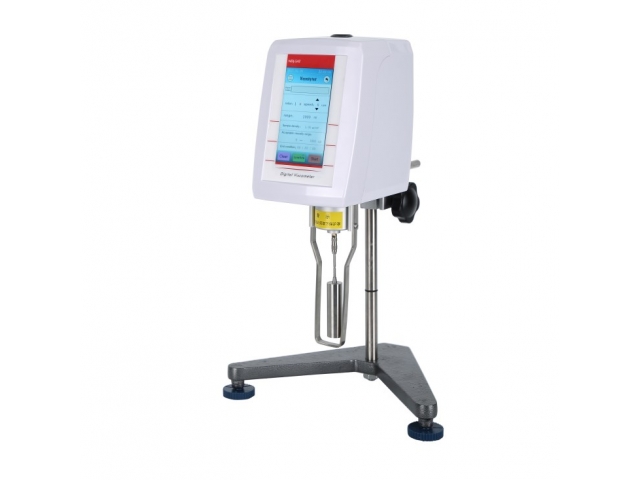
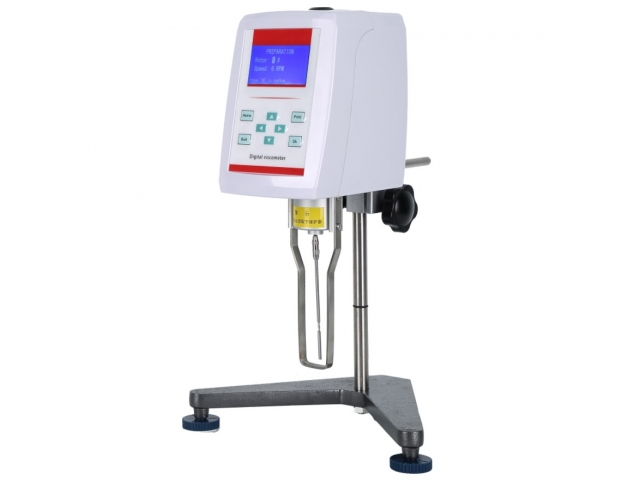
Viscosity stands as one of the most fundamental and influential physical properties of fluid substances, encompassing both liquid fluids and semi-solid colloidal materials that exhibit flow characteristics in daily production and scientific research. It essentially reflects the internal frictional resistance generated between molecular layers of a substance when it undergoes relative flow, serving as a core indicator for evaluating fluid flow performance, consistency, stability, and processing adaptability. In traditional viscosity detection scenarios, mechanical viscometers were once the mainstream testing equipment, relying on manual observation, pointer reading, and manual data recording to complete measurement work. However, such mechanical testing methods are inherently flawed, including low reading accuracy, strong subjective interference from operators, cumbersome operation processes, and poor repeatability of test data, which can no longer meet the high-precision, high-efficiency, and standardized testing needs of modern industrial production and academic research. The emergence and continuous technological iteration of digital viscometers have completely subverted the traditional mode of viscosity measurement, integrating advanced microelectronic sensing technology, intelligent data processing algorithms, and precise mechanical control structures into a single testing device. This innovative testing instrument realizes automated, intelligent, and high-precision viscosity detection, effectively making up for the various defects of traditional mechanical testing equipment and gradually becoming the primary testing tool in fluid property analysis and industrial quality control fields worldwide.
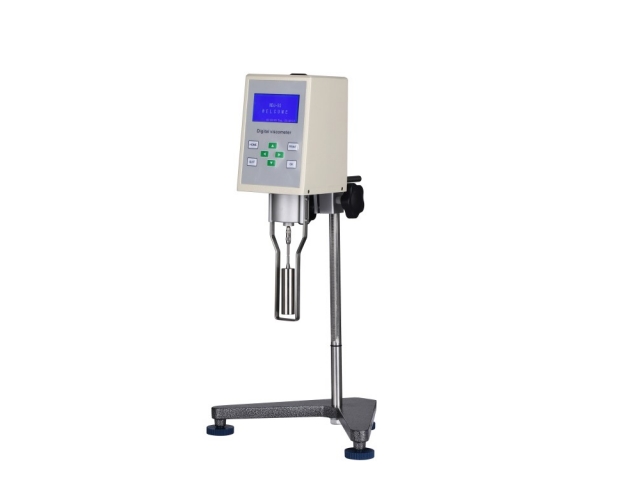
The core working logic of a digital viscometer is built on the mature rotational viscosity measurement principle, which has been continuously optimized and digitally upgraded through modern electronic technology to achieve more accurate and stable data output. The basic structural composition of the equipment includes a precision drive motor, a high-sensitivity torque sensing module, a replaceable spindle assembly, a real-time temperature detection unit, a microcomputer control system, and a digital display and data storage module. During the formal measurement process, the operator immerses the matched spindle into the fluid sample to be tested, and the microcomputer system automatically controls the drive motor to maintain a stable and precise constant rotational speed. When the spindle rotates uniformly in the fluid sample, the viscous resistance formed by the relative movement of fluid molecules will act on the surface of the spindle, generating a corresponding torque. The magnitude of this torque is positively correlated with the viscosity of the fluid sample under fixed conditions of spindle specification and rotational speed. The high-sensitivity torque sensor inside the equipment can capture tiny torque changes in real time, convert the collected mechanical signal into a standard electrical signal, and transmit it to the built-in microcomputer for rapid operation and calculation. After correcting the interference factors such as temperature fluctuation and mechanical friction loss, the system finally outputs accurate dynamic viscosity data of the sample, realizing the whole-process digital processing from signal collection to result output.
Compared with traditional mechanical viscometers, digital viscometers possess extremely prominent technical advantages in testing accuracy, operational efficiency, and data stability, which are the key reasons for their wide popularization and application in various fields. In terms of testing accuracy, traditional mechanical equipment relies on pointer deflection and human eye observation for reading, which is easily affected by visual deviation, mechanical spring fatigue, and environmental vibration, resulting in large data errors and poor consistency of repeated tests. Digital viscometers eliminate manual reading errors through full electronic signal detection and intelligent algorithm correction, with the ability to capture micro-torque changes at the milligram level, ensuring that the test data has ultra-high accuracy and excellent repeatability. In terms of operational convenience, traditional testing processes require manual adjustment of rotational speed, timing observation, and data recording, with complex steps and high requirements for operator proficiency. Digital viscometers adopt a fully automated control mode, and operators only need to complete simple sample placement and parameter setting. The equipment can automatically complete rotation control, signal collection, data calculation, and result display, greatly reducing manual operation links and lowering the threshold of use. In addition, digital viscometers have built-in temperature compensation mechanisms, which can monitor the real-time temperature of the sample during the test and dynamically correct viscosity data according to temperature changes, effectively avoiding the detection errors caused by the significant temperature sensitivity of fluid viscosity and further improving the authenticity and reliability of test results.
Digital viscometers have strong functional adaptability and can accurately measure the viscosity characteristics of different types of fluid samples, covering both Newtonian fluids with stable viscosity properties and non-Newtonian fluids with variable viscosity characteristics affected by shear rate and action time. Newtonian fluids, represented by pure water, standard oil, and low-viscosity solvent solutions, maintain a stable viscosity value under fixed temperature and pressure conditions, and their viscous resistance is linearly proportional to the shear rate. For such fluids, digital viscometers can quickly obtain stable and accurate viscosity values through fixed-speed rotation testing, providing standard data support for fluid property calibration and experimental verification. Non-Newtonian fluids, including coatings, adhesives, food pastes, cosmetic emulsions, and polymer solutions, have complex rheological properties, and their apparent viscosity will change significantly with the adjustment of rotational shear rate and testing duration. Digital viscometers support multi-speed stepping testing and timed continuous testing modes, which can simulate different shear states in actual production and application scenarios, record the dynamic viscosity changes of non-Newtonian fluids in real time, and draw complete viscosity change curves. This function enables researchers and production technicians to deeply analyze the rheological behavior of complex fluids, grasp the shear thinning, shear thickening, and thixotropic characteristics of samples, and provide core data basis for formula optimization and process adjustment.
The diversified spindle matching design is an important functional feature of digital viscometers, which endows the equipment with an ultra-wide viscosity measurement range and enables it to adapt to fluid samples with completely different viscosity levels from low viscosity to high viscosity. The equipment is usually equipped with multiple spindles of different sizes, shapes, and structural specifications, each corresponding to an independent measurement range and torque sensing coefficient. Small-size spindles with slender structures are mainly used for the detection of low-viscosity fluids, which can capture tiny viscous resistance signals and ensure the sensitivity of low-value viscosity measurement. Medium and large-size spindles with thick structures and large contact areas are suitable for medium and high-viscosity fluids such as grease, paint paste, and resin glue. They can bear larger viscous resistance and avoid the problem of insufficient signal acquisition caused by excessive fluid consistency. In actual testing work, operators only need to select the corresponding spindle according to the approximate viscosity range of the sample and match it with a reasonable rotational speed, which can realize accurate measurement of samples with different viscosity properties. The flexible matching mode of spindles and rotational speeds breaks the measurement limitation of single traditional testing equipment, making a single digital viscometer applicable to most fluid viscosity detection scenarios in industrial production and laboratory research, greatly improving the equipment utilization rate and reducing the procurement cost of multiple testing instruments.
Intelligent data processing and expandable connection functions are the core intelligent configurations of modern digital viscometers, realizing the transformation of viscosity detection from single data output to systematic data analysis and management. Most advanced digital viscometers are equipped with large-capacity built-in storage modules, which can automatically store hundreds of test data records, including sample numbers, test time, real-time temperature, rotational speed parameters, spindle specifications, and final viscosity values. All stored data can be queried and recalled at any time, which is convenient for subsequent data comparison, experimental summary, and production quality tracing. At the same time, the equipment supports external connection with computer terminals and intelligent terminal devices through dedicated data interfaces. By matching professional supporting analysis software, users can realize one-click export of test data, automatic generation of test reports, and visual drawing of viscosity change curves. The software also supports multi-group data comparison analysis, rheological model fitting, and test parameter optimization simulation, which can help researchers deeply explore the internal relationship between fluid viscosity changes and process conditions, and provide data support for formula improvement, process parameter optimization, and product performance upgrading. This intelligent data management mode completely changes the backward state of manual sorting and recording of data in traditional testing work, greatly improving the standardization and efficiency of data analysis.
Digital viscometers play an irreplaceable core role in industrial production quality control, covering light industry, chemical industry, food processing, daily chemical manufacturing, pharmaceutical production, and many other industrial fields. In the coating and ink industry, the viscosity of products directly affects the spraying effect, film-forming performance, drying speed, and storage stability. Excessively high viscosity will lead to uneven spraying and poor fluidity of the coating, while excessively low viscosity will cause sagging and insufficient film thickness. Factories use digital viscometers to conduct real-time sampling detection of coating and ink semi-finished and finished products in the production process, adjust raw material ratio and processing parameters according to accurate viscosity data, and ensure the consistency and stability of product batch quality. In the adhesive and sealant manufacturing industry, viscosity determines the coating performance, bonding strength, and curing effect of products. Accurate viscosity detection can effectively avoid product quality problems such as uneven glue application and insufficient bonding force caused by unqualified viscosity. In the petrochemical industry, the viscosity of lubricating oil, hydraulic oil, and fuel oil is a key indicator of product performance, which affects the lubrication, wear resistance, and power transmission efficiency of mechanical equipment. Digital viscometers can accurately detect the viscosity of petroleum products at different temperatures, ensuring that the products meet the use requirements of mechanical operation environments.
In the food and daily chemical industry, digital viscometers provide important technical support for product formula optimization and taste and texture control, closely related to product use experience and shelf stability. In food processing, the viscosity of dairy products, jam, syrup, beverage thickener solution, and pastry filling directly affects the taste, texture, and structural stability of food products. For example, moderate viscosity of yogurt can ensure uniform taste and avoid layered precipitation; reasonable viscosity of jam can maintain good spreadability and prevent excessive fluidity or excessive agglomeration. Food production enterprises use digital viscometers to optimize the proportion of thickeners, stabilizers, and raw materials, stabilize the viscosity parameters of finished products, and improve the edible taste and commercial quality of food. In the cosmetic manufacturing industry, emulsion skin care products, lipstick base materials, shampoo, and body wash all have strict viscosity requirements. Too high viscosity will make the product difficult to apply and poor in ductility, while too low viscosity will lead to poor product stability and easy stratification and deterioration. Through accurate viscosity detection and parameter adjustment, enterprises can ensure the fine texture, comfortable use experience, and long-term storage stability of daily chemical products, and improve the market competitiveness of products.
In scientific research and academic teaching fields, digital viscometers are basic and indispensable experimental equipment, providing accurate data support for fluid rheology research, material development, and professional discipline teaching. In material science research, the viscosity characteristics of polymer solutions, composite slurries, and new functional materials are important bases for evaluating material forming performance and application value. Researchers use digital viscometers to test the dynamic viscosity changes of new materials under different temperature, shear rate, and time conditions, summarize the rheological rules of materials, and guide the structural design and process optimization of new materials. In chemical experiment research, viscosity data is often used to analyze the molecular interaction, solution uniformity, and reaction progress of chemical solutions, providing effective experimental data for the study of chemical reaction mechanisms and solution properties. In university and vocational school teaching experiments, digital viscometers are used for professional teaching of fluid mechanics, rheology, and material engineering courses. The intuitive digital data display and simple and convenient operation process enable students to quickly understand the basic concepts of viscosity, master the principles and methods of fluid viscosity detection, and cultivate students' practical operation ability and scientific research thinking, laying a solid foundation for subsequent professional research and technical work.
In terms of equipment operation and daily maintenance, digital viscometers have the characteristics of simple operation, low maintenance cost, and long service life, which are suitable for long-term continuous use in industrial production workshops and laboratory environments. In actual operation, the whole process of sample testing only needs to complete sample preparation, spindle installation, parameter setting, and one-click start detection, and the equipment can automatically complete all subsequent work, with low requirements for operator professional skills. Different from traditional mechanical viscometers which are prone to spring fatigue and mechanical wear, digital viscometers adopt electronic sensing and intelligent control structures, with fewer vulnerable mechanical parts and more stable overall performance. Daily maintenance work is mainly concentrated on the cleaning of the spindle and testing container to avoid sample residue affecting the accuracy of subsequent tests, as well as regular dust removal and power supply inspection of the equipment body. After each test, the operator only needs to clean the spindle and container with a corresponding cleaning solvent and dry them to ensure no residual impurities. Regularly check the sensitivity of the sensor and the stability of the motor operation, and calibrate the equipment with standard viscosity samples regularly, which can maintain the long-term high-precision operation state of the equipment. The simple maintenance mode greatly reduces the time cost and economic cost of equipment use and improves the continuity and stability of production and experimental work.
Despite the mature technology and wide application of digital viscometers, the testing results will still be affected by some external environmental factors and operational details in the actual use process, and standardized operation and environmental control are required to ensure test accuracy. Temperature is the most critical influencing factor, as the viscosity of almost all fluids has strong temperature sensitivity. For most liquid fluids, the viscosity value will decrease significantly with the increase of temperature, while the viscosity of some semi-solid pastes will increase with the decrease of temperature. Therefore, in the testing process, it is necessary to ensure that the sample is placed in a constant temperature environment for sufficient heat preservation and standing, so that the sample temperature reaches a stable state before testing, and avoid data errors caused by temperature fluctuation. In addition, the placement state of the spindle also affects the test results. The spindle must be kept vertically immersed in the middle of the sample liquid level, avoiding contact with the container wall and bottom, and the immersion depth must strictly comply with the equipment requirements to prevent the change of fluid stress state from affecting torque signal acquisition. At the same time, the sample needs to be fully standing before testing to eliminate bubbles and precipitation stratification. Bubbles in the fluid will interfere with the rotation resistance of the spindle, and sample stratification will lead to uneven viscosity of the upper and lower layers, resulting in inaccurate and unrepresentative test data. Standardizing the above operation details and environmental control conditions can maximize the elimination of external interference and ensure the authenticity, accuracy, and repeatability of viscosity test data.
With the continuous progress of microelectronic technology, intelligent sensing technology, and industrial automation technology, digital viscometers are developing towards higher precision, stronger intelligence, richer functions, and wider application scenarios. The new generation of digital viscometers is gradually integrating more precise temperature control modules, realizing integrated constant temperature testing, which can complete sample constant temperature maintenance and viscosity detection in one device, further improving testing efficiency and accuracy. At the same time, with the development of industrial Internet and intelligent manufacturing technology, networked digital viscometers are gradually emerging, which can realize real-time data upload, remote monitoring, and batch data centralized management, meeting the intelligent production management needs of large-scale industrial production lines. In addition, the functional design of the equipment is more diversified, supporting multi-cycle dynamic testing, variable shear rate scanning testing, and long-term viscosity stability monitoring, which can meet the more refined and professional testing needs of new material research and high-end industrial manufacturing. As a key fluid performance testing device, digital viscometers will continue to iterate and upgrade with technological progress, continuously expand their application boundaries in industrial production, scientific research, and teaching fields, and provide more accurate, efficient, and intelligent technical support for fluid property research and product quality optimization in various industries.
