





Changzhou Veidt Weighing Co., Ltd. © 2022 ALL RIGHTS RESERVED Privacy Policy | Calibration Weight | Test Weights | Cast Iron Weights | Standard Weights | Laboratory Weights | XML | SITEMAP
Product Category
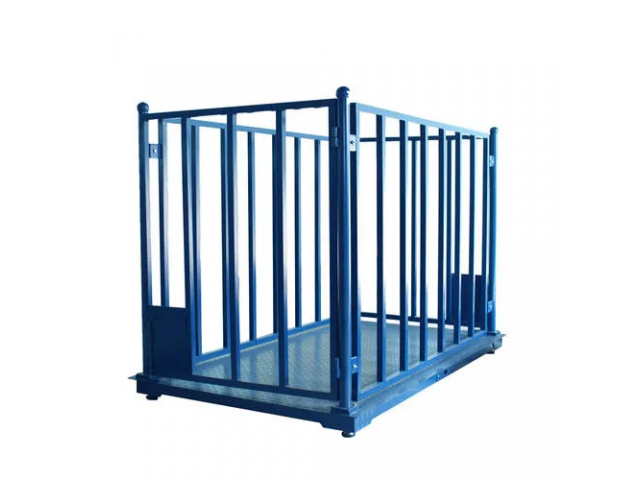
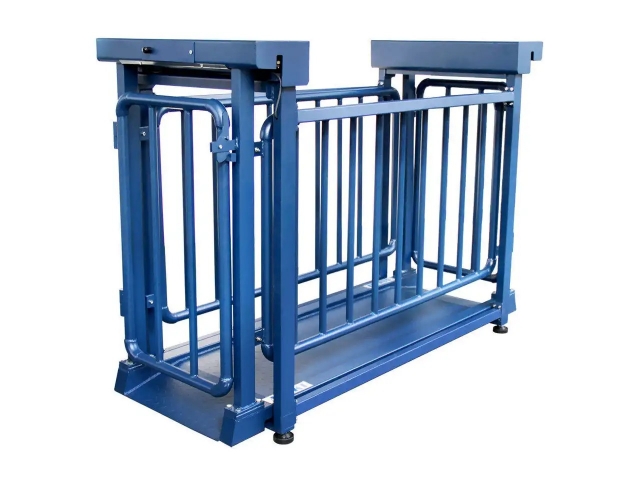
Veidt Weighing is a Cattle Scale factory in china. In the dynamic landscape of modern agriculture, livestock management stands as a cornerstone of global food security and economic stability. Among the myriad tools that underpin efficient livestock operations, cattle scales emerge as an indispensable component, bridging the gap between animal welfare, operational efficiency, and financial sustainability. From small-scale family farms to large commercial feedlots, the ability to accurately measure the weight of cattle has far-reaching implications, influencing everything from feeding strategies and health monitoring to marketing decisions and resource allocation.
At its core, the primary function of a cattle scale is to provide precise weight data, but the value of this data extends far beyond mere measurement. For livestock producers, weight information serves as a critical diagnostic tool for assessing animal health and well-being. Cattle that exhibit unexpected weight loss may be suffering from illness, parasitic infestations, or nutritional deficiencies, allowing producers to intervene early and prevent the spread of disease or further losses. Conversely, consistent weight gain is a key indicator of effective feeding practices and overall herd vitality, enabling producers to validate the success of their nutritional programs. In this sense, cattle scales act as a proactive monitoring system, empowering producers to make data-driven decisions that safeguard the health of their herds and reduce mortality rates.
Economically, the impact of accurate cattle weighing cannot be overstated. In commercial livestock operations, the value of cattle is directly tied to their weight, making precise measurements essential for fair transactions between producers, feedlots, and processors. Inaccurate weighing can lead to significant financial losses—either by undervaluing a herd and leaving money on the table or by overestimating weight and incurring unexpected costs. Moreover, weight data plays a pivotal role in optimizing feeding operations, which are often the single largest expense in cattle production. By tracking weight gain relative to feed intake, producers can calculate feed conversion ratios (FCR), identifying the most efficient feed formulations and adjusting rations to minimize waste. This not only reduces operational costs but also enhances the sustainability of livestock operations by lowering resource consumption.
The role of cattle scales also extends to regulatory compliance and traceability, areas of growing importance in the global food supply chain. While avoiding specific certification terminology, it is worth noting that many regions require detailed records of livestock movements, health status, and production metrics to ensure food safety and quality. Accurate weight data, recorded at key stages of the production cycle (e.g., weaning, feedlot entry, and slaughter), contributes to comprehensive herd records, facilitating traceability in the event of product recalls or disease outbreaks. This transparency not only meets regulatory expectations but also builds consumer trust in the safety and integrity of beef products.
To appreciate the modern functionality of cattle scales, it is essential to trace their technological evolution, which reflects broader advancements in agricultural technology. The earliest cattle weighing methods were rudimentary, relying on mechanical scales that required manual operation and physical effort. These traditional scales, often consisting of a platform supported by lever systems and counterweights, were limited by their size, portability, and accuracy. They were also labor-intensive, requiring multiple workers to guide cattle onto the platform and read the weight, making them inefficient for large herds.
The mid-20th century marked a significant shift with the introduction of electronic cattle scales, which replaced mechanical components with load cells and digital displays. Load cells—sensors that convert force (in this case, the weight of the cattle) into electrical signals—revolutionized accuracy, reducing measurement errors and providing real-time weight readings. Early electronic scales were still relatively stationary, but their improved precision and ease of use made them a staple in commercial feedlots and processing facilities. As electronics technology advanced, these scales became more compact, durable, and capable of handling larger weights, accommodating the needs of diverse livestock operations.
In recent decades, the integration of digital technology has transformed cattle scales into smart, connected devices. Modern cattle scales often feature wireless connectivity, allowing weight data to be transmitted directly to computers, tablets, or cloud-based platforms. This eliminates the need for manual data entry, reducing human error and enabling real-time data analysis. Producers can now access comprehensive herd weight databases, track individual animal performance over time, and generate reports that inform long-term management strategies. Some advanced systems even integrate with other livestock management tools, such as feeding systems, health monitoring devices, and GPS trackers, creating a fully integrated operational ecosystem.
Portability has also emerged as a key focus in the evolution of cattle scales, driven by the needs of small-scale producers and mobile livestock operations. Portable cattle scales, often featuring lightweight aluminum platforms and foldable designs, can be easily transported between pastures, barns, or remote locations. These scales are typically powered by rechargeable batteries, making them independent of electrical outlets and suitable for use in rural areas. The combination of portability and digital connectivity has made accurate weight measurement accessible to a broader range of producers, democratizing access to data-driven livestock management.
When selecting a cattle scale, producers must consider a range of factors to ensure that the device meets their specific needs. One of the most critical considerations is capacity—the maximum weight that the scale can accurately measure. Cattle vary significantly in size, from young calves (weighing 50–100 pounds) to mature bulls (weighing over 2,000 pounds), so scales must be selected based on the intended use. For example, a scale designed for weaning calves may have a lower capacity (e.g., 1,000 pounds), while a scale for feedlot cattle may require a capacity of 2,500 pounds or more.
Accuracy is another paramount factor, as even small measurement errors can have significant economic consequences. The accuracy of a cattle scale is typically specified as a percentage of the measured weight (e.g., ±0.1% or ±0.2%). Higher accuracy is particularly important for commercial operations where precise weight data is essential for pricing and inventory management. Producers should also consider the repeatability of the scale—its ability to produce consistent results when measuring the same animal multiple times— as this ensures reliability over time.
Durability and ruggedness are essential for cattle scales, which operate in harsh agricultural environments. Scales must be able to withstand exposure to dirt, moisture, manure, and extreme temperatures, as well as physical impacts from cattle. Materials such as steel or heavy-duty aluminum are commonly used for platform construction, as they are resistant to corrosion and damage. Additionally, scales should have sealed electronics to protect against moisture and debris, ensuring reliable performance in challenging conditions.
Ease of use is another important consideration, especially for producers who may not have extensive technical expertise. Scales with intuitive digital displays, simple calibration procedures, and user-friendly software reduce the learning curve and minimize the risk of operator error. For portable scales, ease of setup and transportation is also critical—features such as quick-assembly platforms and lightweight designs can save time and labor.
Connectivity options are increasingly important in modern cattle scales, as they enable data integration and remote monitoring. Wireless connectivity (e.g., Wi-Fi, Bluetooth, or cellular) allows weight data to be transmitted to mobile devices or cloud-based platforms, facilitating real-time access to information. Producers should consider their existing technology infrastructure and select scales that are compatible with their management software or data systems. Some scales also offer additional features, such as RFID integration, which allows producers to link weight data to individual animals via RFID tags, enhancing traceability and individual performance tracking.
The future of cattle scales is shaped by ongoing advancements in digital technology, data analytics, and sustainability. One emerging trend is the integration of artificial intelligence (AI) and machine learning into scale systems. AI-powered scales can analyze weight data alongside other variables (e.g., age, breed, feed intake, and health records) to identify patterns and predict future performance. For example, machine learning algorithms can forecast weight gain based on current feeding practices, enabling producers to optimize rations proactively. Additionally, AI can help detect anomalies in weight trends that may indicate health issues, providing early warnings before clinical symptoms appear.
Another trend is the development of more sustainable and energy-efficient cattle scales. As the agricultural industry focuses on reducing its environmental footprint, manufacturers are designing scales that consume less energy, use recycled materials, and have longer lifespans. Solar-powered portable scales, for example, eliminate the need for rechargeable batteries and reduce reliance on grid electricity, making them ideal for remote, off-grid operations. Additionally, durable designs that require minimal maintenance and replacement contribute to sustainability by reducing waste.
The integration of cattle scales into broader precision agriculture systems is also expected to accelerate. Precision agriculture, which leverages technology to optimize agricultural production, relies on data from multiple sources to create a holistic view of farm operations. Cattle scales, as a source of critical animal performance data, will play an increasingly important role in these systems, integrating with sensors that monitor soil quality, weather conditions, and feed quality. This integration will enable producers to make fully informed decisions that optimize not only livestock performance but also overall farm sustainability and profitability.
Furthermore, the growing demand for transparency in the food supply chain is likely to drive further innovations in cattle scale technology. Consumers are increasingly interested in the origin and production practices of their food, and traceability systems that include detailed weight data at key production stages will become more important. Future cattle scales may incorporate more advanced tracking technologies, such as blockchain integration, to provide immutable records of animal weight and movement, enhancing transparency and trust throughout the supply chain.
In conclusion, cattle scales have evolved from simple mechanical devices to sophisticated, data-driven tools that are essential to modern livestock management. Their role extends beyond mere weight measurement, encompassing animal health monitoring, economic optimization, and regulatory compliance. The technological advancements in cattle scales—from electronic load cells to wireless connectivity and AI integration—have made accurate weight data more accessible and useful than ever before, empowering producers of all sizes to implement data-driven management strategies. When selecting a cattle scale, producers must consider factors such as capacity, accuracy, durability, ease of use, and connectivity to ensure that the device meets their specific needs.
Looking ahead, the future of cattle scales is bright, with ongoing innovations in digital technology, sustainability, and integration with precision agriculture systems. As the livestock industry continues to face challenges such as increasing demand for food, rising production costs, and environmental pressures, cattle scales will remain a critical tool for enhancing efficiency, improving animal welfare, and ensuring the sustainability of beef production. By embracing these technological advancements, producers can not only improve their bottom line but also contribute to a more resilient and sustainable global food system.
Learn more about digital cattle scale, livestock cattle scale, heavy duty cattle scale, cattle weighing scale, portable cattle scale, electronic cattle scale, cattle platform scale, cattle squeeze chute scale, cattle scale for farm, cattle scale for ranch, stainless steel cattle scale, cattle scale with headgate, cattle scale with bluetooth, cattle scale with printer, cattle scale for feedlot, cattle scale with data logging, cattle scale for veterinary clinic, mobile cattle scale, cattle scale with lcd display, cattle scale auto-calibration, cattle scale for weighing calves, cattle scale for beef cattle, cattle scale for dairy cattle, cattle scale with overload protection, cattle scale for auction yard, cattle scale easy to clean, cattle scale battery operated, usb rechargeable cattle scale, cattle scale for livestock market, cattle scale with anti-slip platform, cattle scale for small farm, cattle scale for large ranch, cattle scale with remote monitoring, cattle scale for breeding cattle, cattle scale durable, cattle scale for weighing bulls, cattle scale for herd management, cattle scale with tare function, cattle scale for export cattle, cattle scale with backlight display, cattle scale for quarantine station, cattle scale for livestock transport, cattle scale for research facility, cattle scale multi-functional, cattle scale for organic farm, cattle scale for grazing land, cattle scale for livestock show, cattle scale for meat processing plant, cattle scale for veterinary research, pls contact us.
