





Changzhou Veidt Weighing Co., Ltd. © 2022 ALL RIGHTS RESERVED Privacy Policy | Calibration Weight | Test Weights | Cast Iron Weights | Standard Weights | Laboratory Weights | XML | SITEMAP
Product Category
Body Fat Scale
For decades, traditional weighing scales have served as the primary tool for people to track their physical changes, yet they have long been limited by a single, narrow data point: overall body weight. This singular measurement fails to reflect the complex internal composition of the human body, leaving countless individuals with incomplete and often misleading perceptions of their physical health and fitness progress. Many people experience the confusing scenario of maintaining a stable weight while noticing visible changes in body shape, energy levels, or physical vitality, a contradiction that stems from the fundamental difference between total body weight and body composition. Weight alone cannot differentiate between muscle mass, fat tissue, bone mass, and bodily fluids, all of which fluctuate independently and play distinct roles in shaping physical health and bodily function. It is in this context that the body fat scale has emerged as an essential upgrade to traditional weighing tools, transforming superficial weight tracking into in-depth body composition monitoring for ordinary households. Unlike conventional scales that only record gravitational pull on the body, modern body fat scales are designed to decode the internal structural state of the human body, providing users with multi-dimensional data that paints a comprehensive picture of physical condition. This shift from single-value measurement to systematic body analysis has redefined the way ordinary people perceive physical health, turning vague feelings of physical change into precise, trackable numerical data that supports scientific daily health management.
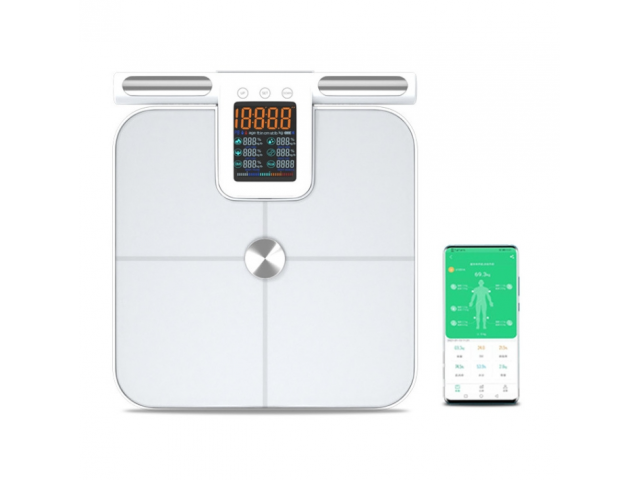
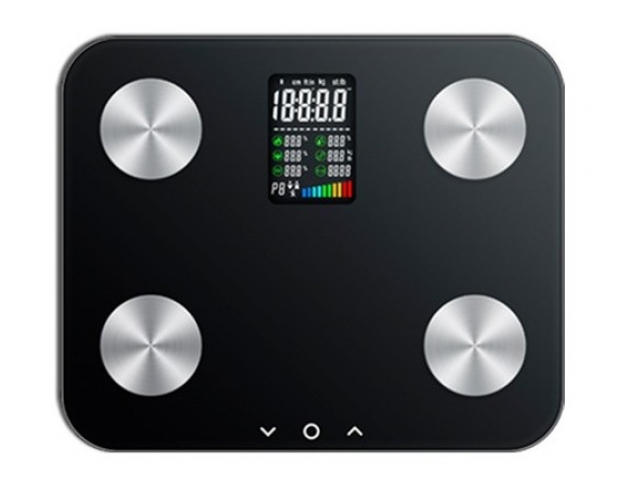
A qualified household body fat scale can generate a comprehensive set of body composition indicators far beyond simple body fat percentage, covering nearly all core measurable components of human physical structure to support all-round health tracking. The most fundamental indicator after body weight is body fat percentage, which reflects the proportion of adipose tissue in total body mass and serves as a key reference for evaluating physical fitness and fat accumulation status. Closely related to this is lean body mass, also known as fat-free mass, which includes all non-adipose tissues such as muscles, bones, organs, and bodily fluids, directly representing the body’s functional tissue volume and physical metabolic capacity. Many advanced body fat scales can further subdivide muscle mass data, distinguishing overall skeletal muscle content to help users track muscle gain or loss during fitness training and daily activity adjustments. Additionally, these devices can estimate subcutaneous fat content, which accumulates beneath the skin and affects body shape, providing targeted reference data for body shaping and fat reduction plans. Some optimized models also generate data on basal metabolic rate, a core physiological indicator that reflects the body’s basic energy consumption at rest, helping users formulate reasonable diet and exercise strategies aligned with their physical metabolic level.
One of the most valuable advantages of household body fat scales lies in their extreme convenience and accessibility, which enables long-term, high-frequency body data tracking that professional laboratory equipment cannot match. Professional body composition testing equipment is usually confined to medical institutions, professional fitness centers, and research laboratories, requiring users to travel to designated locations, make appointments, and pay additional time and economic costs for each test. Such limitations make long-term, daily body monitoring impossible for ordinary people, resulting in most individuals only conducting body composition tests sporadically, with no way to capture continuous physical change trends. Household body fat scales, by contrast, are compact in size, simple to operate, and suitable for daily placement in bedrooms, bathrooms, or living areas, allowing users to complete a full body composition test in just a few seconds at any time of day. The zero-threshold operation mode eliminates professional technical requirements, enabling every family member, from teenagers to the elderly, to independently complete measurements. This daily accessibility transforms body composition monitoring from an occasional professional examination into a daily health habit, supporting continuous data accumulation and trend observation.
Consistent daily measurement with a body fat scale delivers far greater health reference value than occasional single tests, as human body composition is in a state of dynamic real-time fluctuation affected by multiple daily factors. Short-term fluctuations in body water content, food digestion and absorption, daily activity volume, and sleep status can all cause temporary changes in weight and body fat data, making isolated single measurements unable to reflect true physical conditions. For example, drinking a large amount of water before measurement will increase bodily fluid volume and temporarily raise overall weight, while strenuous exercise will cause temporary muscle water loss and slight fluctuations in measured muscle mass. These short-term changes are physiological and temporary, not representative of long-term body composition changes. Only by adhering to fixed-time, standardized daily measurements can users filter out accidental data fluctuations through long-term data accumulation and capture the real, gradual changes in body composition brought by diet adjustment, exercise training, and lifestyle optimization. The trend lines formed by weeks, months, and even years of continuous data are far more valuable than individual accurate values, helping users objectively evaluate the effectiveness of their health management plans.
Body fat scales play an irreplaceable guiding role in scientific weight management and fitness shaping, correcting many common misconceptions in traditional weight loss and body conditioning. A widespread misunderstanding among the general public is equating weight loss with fat reduction, blindly pursuing lower numerical weight while ignoring internal body composition changes. Many people adopt extreme low-calorie diets or excessive aerobic exercise to reduce weight rapidly, only to lose a large amount of muscle mass and bodily water while reducing fat, resulting in reduced basal metabolism, loose body skin, and easy weight rebound. With the multi-dimensional data provided by body fat scales, users can clearly observe the changes in fat mass and muscle mass separately during the weight management process. When weight decreases while body fat percentage remains unchanged or even rises, users can promptly realize that their weight loss comes from muscle and water loss rather than effective fat reduction, and timely adjust their diet and exercise plans to increase protein intake and add resistance training to protect muscle mass. This data-driven adjustment mode enables fitness and weight management to move away from blind trial and error and toward targeted, scientific optimization.
Beyond fitness and weight management, long-term body composition tracking with body fat scales also provides important early warning references for daily physical health maintenance, helping users perceive potential physical risks in advance. Excessive body fat accumulation, especially subtle long-term fat growth that cannot be observed by the naked eye, is closely linked to changes in physical metabolic status and bodily organ burden. Continuous monitoring of body fat percentage trends can help users detect slow fat accumulation in the early stage, before obvious body shape changes occur, and adjust their lifestyle promptly to avoid long-term fat overload on the body. For middle-aged and elderly users, gradual muscle loss is an important sign of physical aging and declining physical function, which may lead to reduced physical strength, slowed metabolism, and decreased physical immunity. Regular muscle mass data tracking allows elderly users to clearly recognize muscle loss trends and supplement nutrition and increase appropriate exercise in a targeted manner to delay sarcopenia progression. Additionally, stable basal metabolic rate data can reflect the stability of basic physical functions; continuous declines in metabolic levels can serve as a reminder for users to adjust their sleep, exercise, and diet to improve overall physical vitality.
To ensure the stability and reference value of body fat scale measurement data, standardized measurement habits and correct usage methods are essential, as irregular operation is the main cause of inaccurate data fluctuations. The most critical principle for standardized measurement is maintaining consistent testing conditions every time, eliminating variable interference factors as much as possible. The optimal measurement time is consistently in the morning after waking up, after urination and before eating or drinking any water, as the human body is in a relatively stable state of water and metabolism at this time, with minimal interference from food intake and daily activities. Users must keep their feet clean and dry during measurement, as residual water, sweat, or dirt on the soles of the feet will affect the contact between the skin and the scale’s electrodes, interfering with electrical signal transmission and causing data deviation. It is also necessary to avoid measuring immediately after strenuous exercise, bathing, heavy meals, or long-term staying up late, as these behaviors will cause drastic fluctuations in body water and metabolism, resulting in unrepresentative measurement results. Maintaining a fixed standing posture, with feet evenly placed on the electrode areas and body upright, also helps ensure consistent measurement conditions and improve data comparability.
It is crucial for users to establish a rational understanding of body fat scale data, distinguishing between household measurement estimates and professional medical detection results to avoid excessive superstition or blind denial of device data. Household body fat scales are designed for daily trend tracking and civilian health reference, not for professional medical diagnosis or precise clinical detection. Due to the limitations of foot-to-foot electrical signal transmission mode, household devices cannot achieve the full-body comprehensive detection accuracy of professional medical equipment, and their individual measurement values have a certain range of reasonable error. However, this error is fixed and stable for individual users, meaning the long-term data trend captured by household body fat scales is highly credible and effective. Users do not need to pursue absolute precision of a single value but should focus on the continuous change direction and amplitude of body composition data. It is also important to avoid misusing body fat scale data for inappropriate groups; for example, individuals with implanted electronic medical devices, special physiological groups, and other crowds need to follow professional guidance for physical testing, as ordinary household body fat scales are not designed for their special physical detection needs.
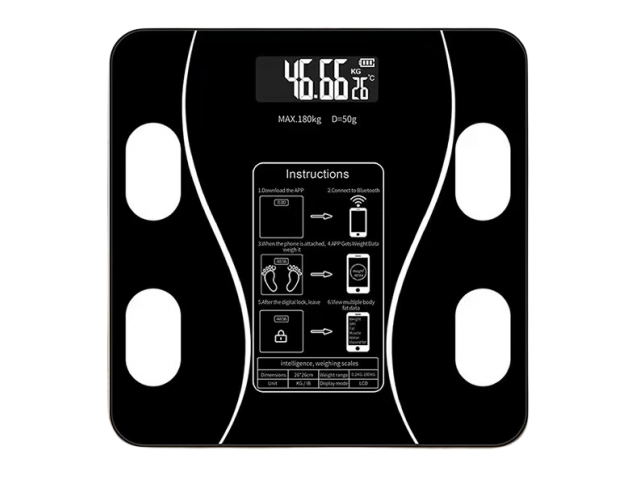
With the continuous progress of intelligent technology, modern body fat scales have broken through the limitations of single-device measurement and realized intelligent data linkage and personalized health analysis, further enriching their application value in daily life. Most mainstream body fat scales support long-term data storage and intelligent data synchronization, which can automatically record each measurement result and form continuous dynamic change curves of body weight, body fat, muscle mass, and other indicators over days, months, and years. These visualized data trends allow users to intuitively see the physical changes brought about by lifestyle adjustments, turning abstract health effects into concrete numerical changes. Many devices also support multi-user data management, enabling the whole family to share one device while independently storing personal measurement data, meeting the daily health tracking needs of all family members. Some optimized intelligent systems can also combine users’ long-term data changes to provide gentle, targeted health suggestions, reminding users to adjust their diet structure, increase exercise volume, or improve daily habits according to changes in body fat, muscle, and metabolism indicators.
In the era of personalized health management, the body fat scale has evolved from a simple household measuring tool into an indispensable daily health manager, carrying the public’s pursuit of scientific and refined physical health maintenance. It solves the core pain point of traditional weight measurement’s one-sidedness, allowing ordinary people to understand their internal body composition changes at low cost and high convenience, and helping everyone establish a correct body cognition and health management concept. The value of the body fat scale lies not in a single accurate measurement value, but in its ability to accompany users through long-term physical monitoring, record every subtle change of the body, and provide reliable data support for continuous optimization of lifestyle, scientific fitness, and positive physical state maintenance. As public health awareness continues to improve, this practical and convenient body composition detection tool will become more popular in ordinary families, helping more people get rid of blind body management misunderstandings and move toward a more scientific, healthy, and standardized daily health management mode.
