





Changzhou Veidt Weighing Co., Ltd. © 2022 ALL RIGHTS RESERVED Privacy Policy | Calibration Weight | Test Weights | Cast Iron Weights | Standard Weights | Laboratory Weights | XML | SITEMAP
Product Category
Balance
Electronic balances have become indispensable precision weighing instruments in modern scientific research, industrial production, pharmaceutical manufacturing, and daily laboratory testing, gradually replacing traditional mechanical balances with their outstanding accuracy, stable performance, and convenient operation. Unlike mechanical weighing devices that rely on lever balance principles and manual calibration, electronic balances adopt advanced electronic sensing and signal processing technologies to convert the gravity signal of measured objects into accurate digital data, realizing automatic weighing, instant data display, and real-time measurement feedback. With the continuous upgrading of electronic technology and sensor manufacturing processes, modern electronic balances have broken through the limitations of early weighing equipment, achieving ultra-high precision measurement, intelligent functional expansion, and diversified structural design. They can adapt to complex weighing environments and diverse measurement scenarios, covering microgram-level ultra-precision detection and kilogram-level conventional weighing, forming a complete product system that meets the weighing needs of different industries and experimental standards. The popularity of electronic balances has greatly improved the efficiency and accuracy of mass measurement work, providing reliable basic data support for experimental research, product quality inspection, ingredient proportioning, and industrial parameter calibration in various fields.
The classification of electronic balances is diverse, and the most common classification standard is based on measurement accuracy and readability, which divides products into multiple types with distinct performance characteristics and application boundaries. Among all types, analytical electronic balances represent the high-precision category of weighing equipment, featuring extremely high measurement resolution that can reach 0.0001g, enabling accurate capture of tiny mass changes of samples. This type of balance is usually equipped with a closed windproof structure to eliminate the interference of air flow on micro-weighing results, and it is widely applied in fine chemical experiments, pharmaceutical ingredient analysis, and trace substance detection. Slightly lower in precision than analytical balances are precision electronic balances, with a readability range of 0.001g to 0.01g, balancing accuracy and practicality, and suitable for conventional laboratory testing, daily sample weighing, and general industrial precision detection. In addition, semi-micro and ultra-micro electronic balances belong to the ultra-high precision subdivision types, with readability up to 0.01mg, dedicated to ultra-trace sample measurement in forensic analysis, precious metal detection, and advanced material research. Industrial electronic balances are another major classification, with relatively loose precision requirements above 0.1g but larger load capacity, designed for bulk material weighing, production line sampling inspection, and industrial finished product quality screening. Different types of electronic balances form a gradient product system, covering all precision intervals from ultra-micro measurement to conventional industrial weighing.
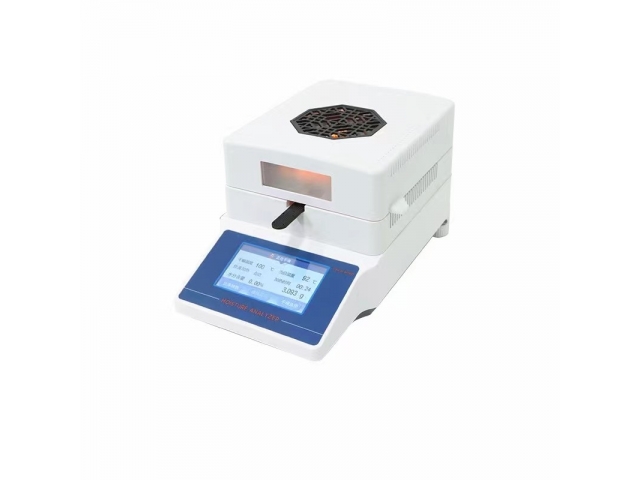
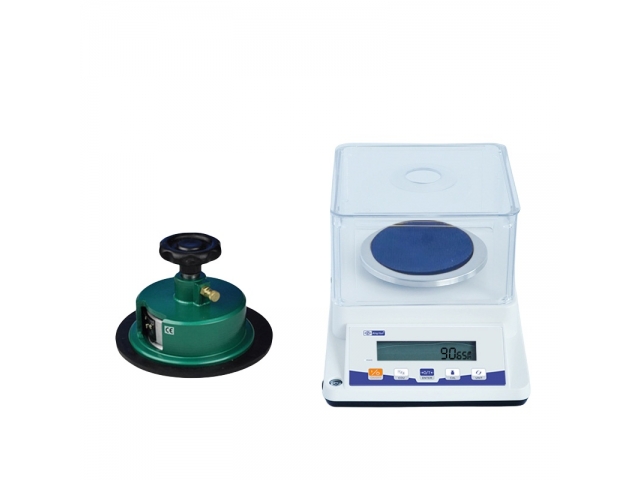
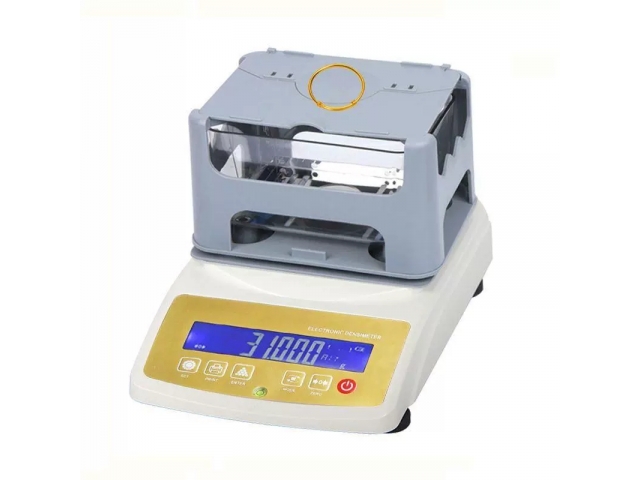
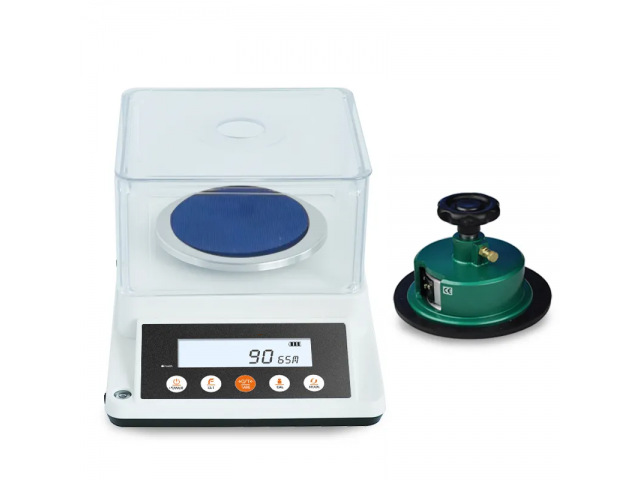
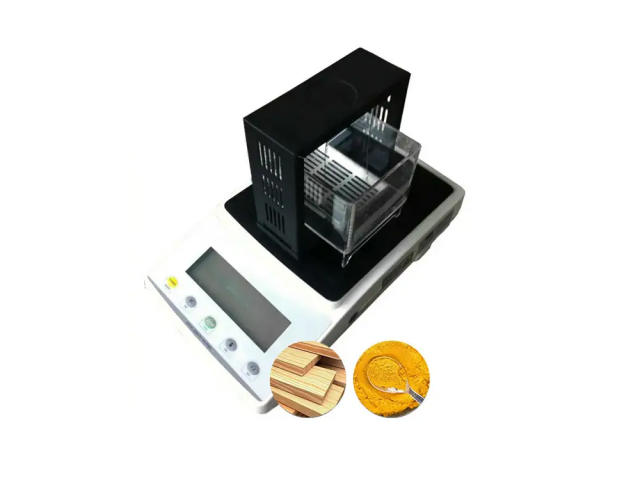
The structural and functional diversity of electronic balances is also reflected in their differentiated design based on usage scenarios and structural forms, further enriching the product classification system. Desktop electronic balances are the most mainstream type, with a compact and stable desktop structure, moderate volume, and convenient placement, suitable for fixed laboratory benches, detection rooms, and precision operation stations, and can meet the long-term stable weighing needs of daily experiments and testing. Portable electronic balances feature a miniaturized and lightweight structural design, with optimized internal circuit integration and reduced component volume, easy to carry and move, adapting to outdoor sampling, on-site rapid detection, and mobile operation scenarios. In addition, there are special electronic balances with functional customization, such as moisture-determining electronic balances that integrate heating and weighing functions, density-testing electronic balances equipped with auxiliary density measurement accessories, and counting electronic balances that support automatic quantity statistics of small parts. Each structurally differentiated electronic balance is designed for specific application scenarios, making the weighing work more targeted and efficient, and solving the measurement pain points that conventional single-function balances cannot meet in segmented fields.
The material selection of electronic balances directly determines their structural stability, measurement accuracy durability, environmental adaptability, and service life, and each core component adopts targeted high-performance materials through rigorous screening. The weighing pan, as the direct contact component with the measured object, is mostly made of high-grade stainless steel materials with excellent corrosion resistance, oxidation resistance, and wear resistance. This material can resist the corrosion of chemical reagents, moisture, and dust in laboratory and industrial environments, avoiding surface rust, deformation, or wear that may affect weighing accuracy, and it is also convenient for daily cleaning and maintenance to ensure long-term flatness of the weighing surface. The internal load cell and sensor core components adopt high-strength alloy materials and high-precision magnetic induction components, which have stable mechanical properties, small deformation coefficient, and strong anti-interference ability, ensuring that the sensor can accurately sense tiny gravity changes without structural fatigue or parameter drift after long-term use. The shell of electronic balances is mainly composed of engineering plastic and metal alloy composite materials. High-quality engineering plastics have the advantages of light weight, insulation, and anti-aging, while embedded metal frameworks enhance the overall structural stability, effectively resisting external vibration, impact, and temperature changes.
The auxiliary structural materials of electronic balances also play a key role in ensuring stable operation and accurate measurement, with every detail of material design serving precision measurement needs. The windproof cover of high-precision electronic balances is made of high-transparent tempered glass or high-strength transparent plastic, which not only provides a closed and stable weighing space to isolate air flow interference but also ensures clear observation of the weighing state, with good light transmittance and pressure resistance, not easy to scratch or damage. The internal circuit board and electronic components adopt high-temperature resistant and anti-oxidation electronic materials, which can maintain stable circuit operation in a certain temperature fluctuation range, avoid circuit failure or signal distortion caused by temperature and humidity changes, and improve the overall environmental adaptability of the equipment. The base support part is made of thickened metal and anti-slip shock-absorbing materials, which can effectively buffer the vibration generated by the external environment, prevent the equipment from shaking during weighing, and ensure the levelness and stability of the equipment placement. The scientific and reasonable collocation of various materials enables electronic balances to maintain consistent measurement performance in long-term use and complex working environments, reducing the error rate caused by material aging and structural changes.
Electronic balances have extremely wide application value, covering multiple fields such as scientific research laboratories, pharmaceutical industry, chemical industry, food processing, industrial manufacturing, and daily commodity detection, becoming a core basic tool for precision measurement. In scientific research and laboratory fields, electronic balances are used for accurate weighing of experimental reagents, sample preparation, quantitative analysis of experimental data, and precision calibration of experimental instruments, providing accurate mass data support for chemical synthesis, material research, biological experiments, and environmental monitoring. In the pharmaceutical industry, they are applied in the precise proportioning of pharmaceutical raw materials, weighing of pharmaceutical intermediates, detection of finished pharmaceutical products, and quality control of health care products, ensuring the accuracy of drug formula ratios and meeting the strict precision requirements of pharmaceutical production. In the chemical industry, electronic balances complete the quantitative weighing of chemical raw materials, trace detection of chemical products, and sampling analysis of industrial solvents, effectively avoiding experimental errors and product quality problems caused by inaccurate feeding.
In the food and agricultural fields, electronic balances are used for nutritional ingredient detection of food products, quantitative packaging inspection of finished food, weighing detection of agricultural products, and pesticide residue sample preparation, ensuring food safety and standardized production of agricultural products. In industrial manufacturing and precision processing industries, they are responsible for quality inspection of precision parts, quantitative detection of industrial raw materials, proportioning of production formulas, and sampling monitoring of production processes, helping enterprises control product quality and reduce production errors. In addition, electronic balances also play an important role in jewelry detection, precious metal weighing, teaching experiments, and environmental monitoring, realizing accurate measurement of different quality objects in various scenarios. With the improvement of industrial precision and experimental research standards, the application scope of electronic balances is still expanding, and their functional advantages are gradually penetrating into more segmented professional fields.
Compared with traditional mechanical balances and other weighing equipment, electronic balances have obvious comprehensive advantages in accuracy, operation, performance and intelligence, which is the core reason for their wide popularization. First of all, electronic balances have ultra-high measurement accuracy and stable repeatability. Relying on electromagnetic force balance sensing technology and high-precision signal processing system, they can capture tiny mass changes that mechanical balances cannot identify, and the measurement error is extremely small. The repeated weighing data of the same sample is highly consistent, avoiding manual reading errors and mechanical structural wear errors of traditional equipment. Secondly, the operation of electronic balances is extremely simple and efficient, eliminating the cumbersome steps of manual weight placement, lever adjustment and visual reading required by mechanical balances. Users can complete zeroing, tare weighing, and sample measurement with one key operation, and the weighing results are directly displayed on the digital screen, which greatly shortens the weighing time and improves work efficiency.
Electronic balances also have outstanding advantages in intelligent functions and environmental adaptability, with strong functional scalability and stable anti-interference performance. Most modern electronic balances are equipped with automatic zero tracking, automatic tare, overload protection, and fault self-diagnosis functions, which can automatically correct small zero drift caused by environmental changes, effectively prevent equipment damage caused by excessive load, and quickly judge and feed back equipment operation faults, improving the safety and stability of use. In terms of data processing, electronic balances support real-time data storage, data output, and data statistics, and can be connected with external computers and detection equipment to realize automatic recording and analysis of weighing data, avoiding manual recording errors and facilitating subsequent data sorting and experimental result summary. In addition, electronic balances have low environmental requirements, can maintain stable operation in a certain range of temperature and humidity changes, and have strong anti-vibration and anti-dust capabilities. Compared with mechanical balances that are sensitive to environmental changes and require strict placement conditions, electronic balances have stronger practicality and scene adaptability.
The specification and model system of electronic balances is complete, with differentiated design in load capacity, appearance size, functional configuration and structural type to meet the diverse needs of different scenarios. In terms of load capacity specifications, electronic balances cover a full range from ultra-small load to large load. Ultra-precision micro balances have a small load capacity, usually ranging from several grams to hundreds of grams, suitable for ultra-trace sample weighing; conventional precision balances have a load capacity of 200g to 1000g, which is the most widely used specification for daily laboratory weighing; industrial electronic balances have a larger load capacity, which can reach several kilograms or even tens of kilograms, meeting the needs of bulk material weighing. In terms of appearance specifications, desktop electronic balances have diversified size designs, from mini compact models suitable for small experimental stations to large stable models for professional precision laboratories; portable electronic balances are ultra-thin and miniaturized in size, easy to carry and store, adapting to mobile operation needs.
In terms of functional specifications, electronic balances are divided into basic conventional models and intelligent high-end models. Basic models only retain core weighing, zeroing and tare functions, with simple configuration and high cost performance, suitable for daily conventional weighing scenarios; intelligent high-end models are equipped with diversified extended functions such as density measurement, counting weighing, percentage weighing, temperature and humidity compensation, and data remote transmission, meeting the professional detection needs of high-precision experiments and industrial precision production. In addition, electronic balances also have differentiated structural specifications such as windproof and non-windproof models. High-precision models are equipped with fully enclosed windproof structures, while conventional low-precision models adopt open weighing pan structures, balancing functional applicability and product cost. The complete specification system enables users to select targeted products according to their own weighing accuracy requirements, load range, use environment and functional needs, realizing accurate matching of equipment and application scenarios.
The core performance parameters of electronic balances determine their measurement level and application scope, and key parameters such as readability, precision, linear error, repeatability error, and response time constitute the core evaluation system of equipment performance. Readability is the smallest mass increment that the electronic balance can display, which is the most intuitive parameter reflecting the equipment precision, ranging from 0.0001g for analytical balances to 0.1g for industrial balances, and the smaller the readability value, the higher the measurement accuracy. Repeatability error refers to the maximum deviation of multiple weighing results of the same sample under the same environment and operation conditions, which reflects the stability of the balance; high-quality electronic balances have extremely low repeatability error, ensuring the consistency of multiple measurement data. Linear error represents the deviation between the actual weighing value and the standard value in the full load range of the balance, which directly affects the measurement accuracy of different weight samples in the whole weighing interval.
Other important parameters of electronic balances also include working temperature range, power supply parameters, data resolution, and weighing response speed, which jointly guarantee the comprehensive performance of the equipment. The working temperature and humidity parameters determine the environmental adaptability of the balance, enabling the equipment to maintain stable measurement performance in the fluctuation range of conventional laboratory and industrial environments. Power supply parameters include wide voltage adaptation and low power consumption design, which can avoid measurement instability caused by voltage fluctuation and ensure long-term continuous operation of the equipment. The weighing response time of mainstream electronic balances is extremely short, which can complete stable measurement and data display in a few seconds, greatly improving the efficiency of batch weighing operation. In addition, parameters such as overload limit and calibration cycle also affect the service life and long-term use effect of the equipment. Reasonable parameter design enables electronic balances to maintain high precision, high stability and high efficiency in long-term use, fully meeting the strict measurement requirements of modern precision industries and scientific research fields.
