





Changzhou Veidt Weighing Co., Ltd. © 2022 ALL RIGHTS RESERVED Privacy Policy | Calibration Weight | Test Weights | Cast Iron Weights | Standard Weights | Laboratory Weights | XML | SITEMAP
Product Category
Bathroom Scale
Veidt Weighing is a Bathroom Scale factory in china. In the quiet corners of bathrooms around the globe, a simple yet powerful device stands guard over our relationship with health and wellness: the bathroom scale. Often overlooked in the chaos of modern life, this unassuming tool has evolved from a basic mechanical contraption to a sophisticated companion in our journey toward better health. It measures more than just numbers; it reflects habits, tracks progress, and sometimes challenges our perceptions of self. From the clunky balance scales of the past to the sleek, smart models of today, the bathroom scale has undergone a remarkable transformation, adapting to changing technologies and shifting cultural attitudes toward health.
The story of the bathroom scale begins thousands of years ago, rooted in humanity’s need to measure weight for trade, agriculture, and medicine. Early scales were simple balances—two pans suspended from a beam, with one holding a known weight and the other the object being measured. These devices, used by ancient civilizations such as the Egyptians, Greeks, and Romans, were primarily for commercial use, but their basic principle laid the groundwork for the personal scales we use today. It wasn’t until the 18th century that scales designed specifically for personal weight measurement began to emerge. These early personal scales were often large, heavy, and found primarily in doctors’ offices or pharmacies, as home use was not yet common. They relied on mechanical springs, a innovation that made scales more compact and portable than balance scales. The spring scale worked by using Hooke’s Law, which states that the force needed to extend a spring is proportional to the distance it is extended. When a person stood on the scale, the springs compressed, and a pointer attached to the spring mechanism would move along a calibrated dial to show the weight.
The 20th century brought significant advancements that made bathroom scales a staple in households worldwide. Mass production techniques made scales more affordable and accessible, and design improvements made them smaller and more aesthetically pleasing. By the mid-20th century, mechanical bathroom scales with a round dial or a vertical pointer were a common sight in homes. These scales were reliable enough for daily use, though they required regular calibration to maintain accuracy. The late 20th century saw the introduction of digital technology, which revolutionized the bathroom scale. Digital scales replaced mechanical springs with strain gauges—sensors that convert force into an electrical signal. When pressure is applied to the scale, the strain gauges bend, changing their electrical resistance. A microchip processes this change in resistance and converts it into a weight reading, which is displayed on a digital screen. This technology offered greater accuracy, easier readability, and the ability to measure weight in multiple units (pounds, kilograms, stones), making digital scales quickly popular among consumers.
Today, the evolution of bathroom scales continues with the rise of smart scales. These modern devices integrate digital technology with wireless connectivity, offering features far beyond basic weight measurement. Smart scales can measure body composition metrics such as body fat percentage, muscle mass, bone density, and water weight. They do this using bioelectrical impedance analysis (BIA), a technology that sends a weak electrical current through the body. Since different tissues (fat, muscle, bone) conduct electricity differently, the scale measures the resistance to the current and uses algorithms to estimate body composition. Many smart scales connect to smartphone apps via Bluetooth or Wi-Fi, allowing users to track their measurements over time, set goals, and even share data with healthcare providers. This integration of technology has transformed the bathroom scale from a simple measuring tool into a comprehensive wellness tracker, catering to the growing demand for personalized health monitoring.
Understanding how bathroom scales work is key to using them effectively and interpreting their readings. Mechanical scales, as mentioned earlier, rely on springs and Hooke’s Law. The spring inside the scale is pre-calibrated to compress a certain amount under a specific weight. Over time, however, springs can lose their elasticity, leading to inaccurate readings. This is why mechanical scales need to be calibrated regularly—usually by adjusting a screw or knob to reset the pointer to zero when no weight is applied. Digital scales, on the other hand, use strain gauges and microchips. The strain gauges are typically made of a thin metal foil bonded to a flexible backing. When weight is applied, the backing bends, stretching or compressing the metal foil and changing its electrical resistance. The microchip measures this resistance change and calculates the weight. Digital scales are generally more accurate than mechanical ones, but they require batteries and can be affected by uneven surfaces or excessive movement during measurement.
Smart scales add another layer of complexity with BIA technology. The weak electrical current used in BIA is harmless—so weak that most users don’t even feel it. The current travels through the body’s water, which is primarily in muscle and other lean tissues. Fat tissue contains little water, so it resists the current more strongly. The scale measures the impedance (resistance to the current) and uses factors such as height, age, gender, and weight to calculate body composition metrics. It’s important to note that BIA measurements are estimates, not precise measurements. Factors such as hydration levels, meal timing, and exercise can affect impedance, leading to fluctuations in body composition readings. For example, a person who is dehydrated may have higher impedance, leading the scale to overestimate body fat percentage. Despite this, BIA provides a useful way to track changes in body composition over time, which is often more informative than tracking weight alone.
The role of the bathroom scale in wellness is multifaceted and deeply personal. For many people, the scale is a tool for monitoring progress toward health goals, such as weight loss, weight gain, or maintaining a healthy weight. Regular weight checks can help identify trends—for example, a gradual increase in weight that might signal a need to adjust diet or exercise habits. For others, the scale is a source of accountability, providing a tangible reminder of their commitment to health. Athletes, for instance, may use scales to track changes in muscle mass or body fat, which can impact performance. People with certain health conditions, such as diabetes or heart disease, may need to monitor their weight as part of their medical management, as sudden weight gain or loss can be a sign of complications.
However, the relationship between people and their bathroom scales is not always positive. For some, the numbers on the scale can become a source of anxiety, self-criticism, or even obsession. This is partly due to a common misconception that weight is the sole measure of health. In reality, health is determined by a variety of factors, including diet, exercise, sleep, mental health, and body composition. A person may have a higher weight but a low body fat percentage and strong muscle mass, making them healthier than someone with a lower weight but a high body fat percentage. Conversely, a person may lose weight but lose muscle mass in the process, which can be detrimental to overall health. This is why it’s important to use the scale as one tool in a comprehensive wellness routine, rather than the sole indicator of health.
Cultural attitudes toward weight and body image have also shaped the way we perceive and use bathroom scales. In some cultures, thinness is highly valued, leading to excessive focus on weight loss. In others, a fuller figure may be seen as a sign of health and prosperity. These cultural norms can influence how often we weigh ourselves, how we react to the numbers, and whether we view the scale as a friend or a foe. In recent years, there has been a growing movement toward body positivity and a more holistic approach to health, which encourages people to look beyond the scale and focus on how their bodies feel and function, rather than just their weight. This shift has led many people to use bathroom scales less frequently or to complement scale measurements with other wellness indicators, such as energy levels, sleep quality, and physical fitness.
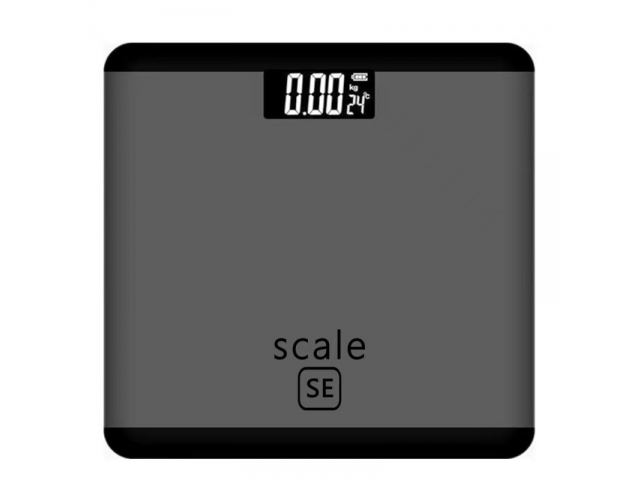
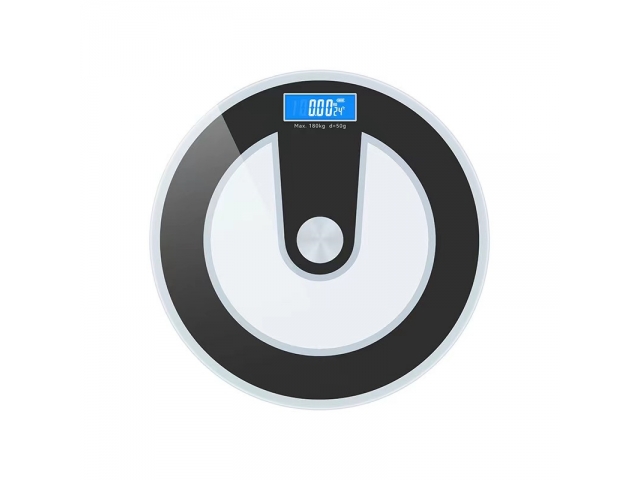
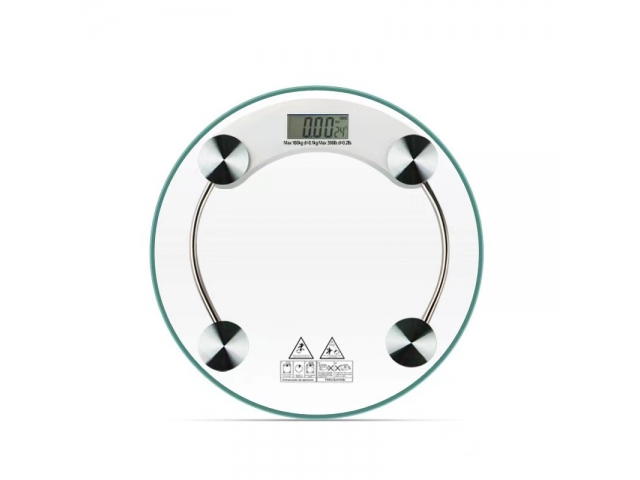
Choosing the right bathroom scale depends on individual needs, preferences, and goals. For those who simply want to measure weight, a basic digital scale is often sufficient. These scales are affordable, easy to use, and accurate enough for daily use. When choosing a basic digital scale, look for one with a large, easy-to-read display, a sturdy platform (preferably non-slip for safety), and a weight capacity that meets your needs. Most basic digital scales have a weight capacity of 300 to 400 pounds (136 to 181 kilograms), which is sufficient for most users.
For those interested in tracking body composition, a smart scale is a better option. When choosing a smart scale, consider the range of metrics it offers—some scales measure only body fat percentage, while others offer a comprehensive suite of metrics, including muscle mass, bone mass, water weight, and even metabolic rate. It’s also important to consider compatibility with your smartphone or other devices. Most smart scales work with iOS and Android apps, but it’s worth checking to ensure the app is user-friendly and offers the features you need, such as goal setting, progress tracking, and data visualization. Battery life is another consideration—some smart scales use rechargeable batteries, while others use replaceable ones. Finally, look for a smart scale with a durable, non-slip platform and a weight capacity that suits your needs.
Regardless of the type of scale you choose, there are best practices for using it effectively. First, weigh yourself at the same time each day, preferably in the morning before eating or drinking. This is because weight fluctuates throughout the day due to food, water, and activity levels, so weighing at the same time provides more consistent readings. Second, use the same scale each time, as different scales may have slight variations in accuracy. Third, stand still on the scale with your weight evenly distributed between both feet. Moving or shifting your weight can lead to inaccurate readings. Fourth, don’t weigh yourself too frequently. Daily weigh-ins can lead to unnecessary anxiety over normal fluctuations, so weekly or biweekly weigh-ins are often more effective for tracking long-term progress. Finally, keep a record of your measurements, whether in a notebook, a smartphone app, or a fitness tracker. Tracking readings over time allows you to see trends and adjust your wellness routine as needed.
The future of bathroom scales is likely to be shaped by continued advancements in technology and a growing focus on personalized health. We can expect to see smart scales with even more advanced features, such as integration with wearable devices (like fitness trackers and smartwatches), real-time health insights, and AI-powered recommendations based on measurement data. For example, a smart scale might one day be able to detect signs of dehydration or muscle loss and suggest changes to diet or exercise. We may also see scales that are more compact, portable, and aesthetically pleasing, designed to blend seamlessly with modern bathroom decor. Additionally, there may be a greater emphasis on accessibility, with scales designed for people with mobility issues or other disabilities.
Another trend that may influence the future of bathroom scales is the growing awareness of mental health and body positivity. Manufacturers may begin to market scales in a way that emphasizes their role as a wellness tool rather than a weight-tracking device, focusing on features that promote a healthy relationship with the body. For example, some smart scales already offer “weight trend” features that show long-term progress rather than daily fluctuations, helping users to focus on the big picture rather than small, normal changes. We may also see scales that de-emphasize weight and instead highlight body composition metrics, encouraging users to focus on building muscle and maintaining a healthy body fat percentage rather than achieving a specific weight.
In conclusion, the bathroom scale is a small but significant device that has played a vital role in human health and wellness for centuries. From its humble beginnings as a mechanical balance to its current form as a sophisticated smart device, the scale has evolved to meet the changing needs of society. It is a tool that can empower us to take control of our health, track progress toward our goals, and make informed decisions about our lifestyle. However, it is important to use the scale wisely, recognizing that weight is just one measure of health and that a holistic approach to wellness—including diet, exercise, sleep, and mental health—is essential. Whether you use a basic digital scale or a advanced smart scale, the key is to use it as part of a balanced wellness routine, focusing on progress rather than perfection.
As we look to the future, the bathroom scale will continue to evolve, adapting to new technologies and shifting cultural attitudes. But no matter how advanced it becomes, its core purpose will remain the same: to provide us with valuable information about our bodies, helping us to live healthier, happier lives. The next time you step on your bathroom scale, take a moment to appreciate its history and the role it plays in your wellness journey. It’s more than just a device that shows a number—it’s a companion in your pursuit of better health.
Learn more about digital bathroom scale, body weight scale, smart bathroom scale, digital body weight scale, bathroom weighing scale, body fat scale, smart body scale, electronic bathroom scale, digital weighing scale for bathroom, body composition scale, bluetooth bathroom scale, wireless bathroom scale, precision bathroom scale, bathroom scale digital, high precision bathroom scale, body weight bathroom scale, smart body fat scale, usb rechargeable bathroom scale, mechanical bathroom scale, bathroom scale with bmi, body fat bathroom scale, compact bathroom scale, bathroom scale with backlight, lightweight bathroom scale, anti-slip bathroom scale, bathroom scale for home, digital body composition scale, bathroom scale large display, waterproof bathroom scale, body scale for bathroom, bathroom scale battery operated, smart bathroom scale with app, bathroom scale accurate, multi-function bathroom scale, bathroom scale stainless steel, small bathroom scale, bathroom scale for body weight, bluetooth body weight scale, digital bathroom scale with bmi, household bathroom scale, bathroom scale easy to read, body weight scale for bathroom, digital bathroom scale anti-slip, bathroom scale for personal use, smart weighing scale for bathroom, bathroom scale with lcd display, electronic body weight scale, bathroom scale slim design, digital bathroom scale rechargeable, pls contact us.
