





Changzhou Veidt Weighing Co., Ltd. © 2022 ALL RIGHTS RESERVED Privacy Policy | Calibration Weight | Test Weights | Cast Iron Weights | Standard Weights | Laboratory Weights | XML | SITEMAP
Product Category
Cash Register Scale
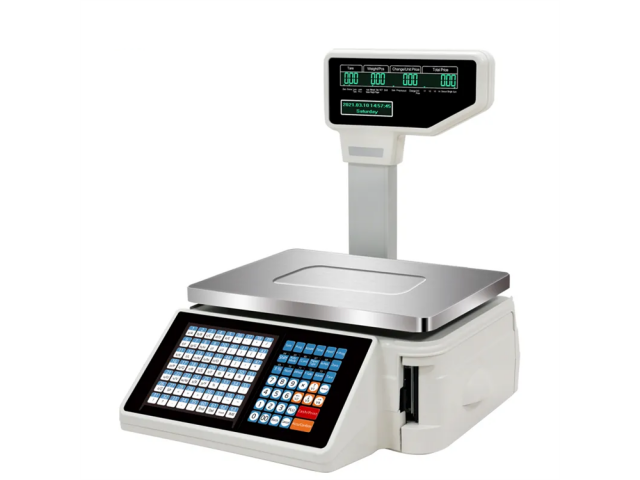
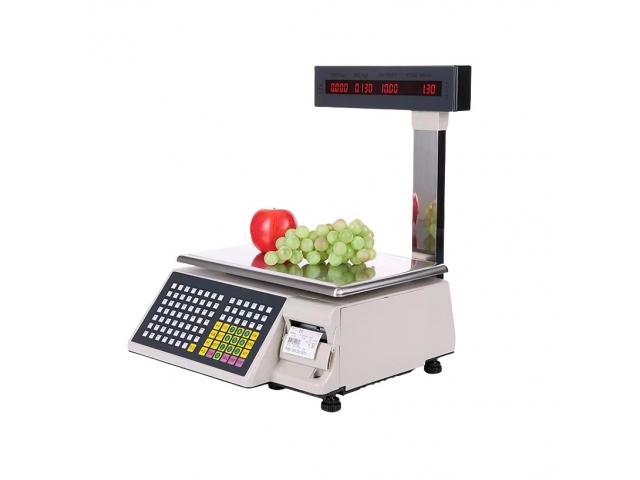
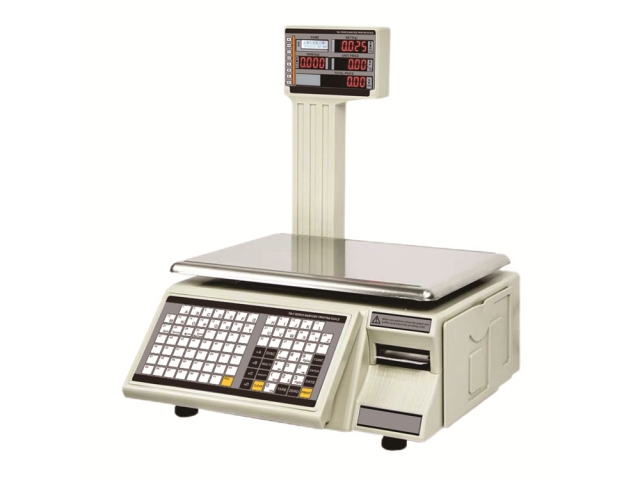
Veidt Weighing is a Cash Register Scale factory in china. In the dynamic landscape of retail and commercial transactions, efficiency, accuracy, and customer satisfaction stand as the cornerstones of success. Among the array of tools that facilitate seamless business operations, the cash register scale emerges as a yet indispensable device. Blending the functionalities of a weighing instrument with those of a point-of-sale (POS) system, cash register scales have revolutionized the way merchants handle transactions involving weighted goods. From local grocery stores and farmers’ markets to delis and convenience stores, these devices play a pivotal role in streamlining operations, reducing errors, and enhancing the overall shopping experience.
At its core, a cash register scale is a hybrid device designed to perform two primary functions: accurately measuring the weight of products and calculating the total cost based on the pre-set unit price. Unlike standalone scales that merely display weight readings or traditional cash registers that rely on manual input of product prices, cash register scales integrate these two processes into a single, cohesive workflow. This integration eliminates the need for separate steps, such as weighing a product on a scale, noting the weight, and then manually entering that value into a cash register to compute the cost. Instead, the moment a product is placed on the scale, the device automatically detects its weight, multiplies it by the unit price stored in its memory, and displays the total amount. This not only saves time for both merchants and customers but also significantly reduces the risk of human error, which can occur during manual data entry or miscalculations.
Beyond their basic weight and price calculation capabilities, modern cash register scales boast a range of advanced features that cater to the evolving needs of retailers. Many models come equipped with programmable memory functions, allowing merchants to store the unit prices of hundreds of different products. This is particularly useful for businesses that offer a wide variety of weighted items, such as bakeries with different types of bread, delis with various cuts of meat, or grocery stores with an assortment of fruits and vegetables. With programmable settings, employees no longer need to memorize or look up prices repeatedly, speeding up the checkout process and minimizing delays during peak hours. Additionally, most cash register scales include a digital display that is easily visible to both the cashier and the customer, promoting transparency in transactions. Customers can clearly see the weight of their purchases and the corresponding cost, fostering trust between the merchant and the consumer.
Another key feature of contemporary cash register scales is their compatibility with other POS systems and software. Many models can be connected to computers, receipt printers, barcode scanners, and inventory management software, creating a fully integrated retail ecosystem. This connectivity enables merchants to automate various aspects of their business operations. For example, when a product is weighed and scanned, the inventory levels in the system are automatically updated, providing real-time insights into stock availability. This helps retailers avoid stockouts, optimize inventory replenishment, and reduce waste from overstocking perishable goods. Furthermore, the integration with receipt printers allows for the generation of detailed receipts that include information such as product name, weight, unit price, total cost, and transaction date, which is beneficial for both record-keeping and customer reference.
The applications of cash register scales are diverse and span across numerous sectors of the retail industry. One of the most common uses is in grocery stores and supermarkets, where fresh produce, meat, seafood, and bulk items are sold by weight. In these settings, cash register scales enable quick and accurate checkout, even during busy periods. For instance, a customer purchasing a pound of apples can have the fruit weighed, priced, and rung up in a matter of seconds, reducing waiting times in checkout lines. Farmers’ markets and roadside stands also rely heavily on cash register scales, as they often sell fresh, locally sourced products that are priced by weight. These scales are typically portable and battery-operated, making them ideal for outdoor use where access to power outlets may be limited.
Delis, butcher shops, and bakeries are another sector where cash register scales are essential. These businesses deal with a wide range of products that vary in weight, such as sliced meats, cheeses, pastries, and custom-ordered cakes. Cash register scales allow employees to quickly weigh and price these items, ensuring consistency in portion sizes and pricing. For example, a deli customer ordering a half-pound of roast beef can have the meat sliced, weighed on the cash register scale, and the exact price calculated instantly. This level of precision not only enhances customer satisfaction but also helps businesses maintain profitability by ensuring that they are not undercharging or overcharging for their products.
Convenience stores and small retail outlets also benefit from the use of cash register scales, especially those that sell snacks, candies, or small quantities of fresh items. These scales are compact and easy to use, making them suitable for businesses with limited counter space. Additionally, some models are designed to handle both weighted and non-weighted items, providing versatility for merchants who sell a mix of products. For example, a convenience store can use the same device to weigh a bag of nuts and ring up a bottle of soda, eliminating the need for multiple pieces of equipment.
The evolution of cash register scales has been driven by advancements in technology and changing consumer demands. Early models of cash register scales were mechanical, relying on springs and levers to measure weight and compute prices. These devices were bulky, prone to wear and tear, and required regular calibration to maintain accuracy. However, with the advent of electronic technology in the mid-20th century, cash register scales underwent a significant transformation. Electronic scales replaced mechanical components with load cells and digital sensors, offering greater precision, reliability, and ease of use. Digital displays replaced analog dials, making weight and price readings more legible.
In recent years, the integration of computer technology and the Internet of Things (IoT) has further revolutionized cash register scales. Modern models are often equipped with touchscreen interfaces, making them more user-friendly and intuitive. Some scales also feature wireless connectivity, allowing them to sync with mobile devices, cloud-based POS systems, and inventory management software. This wireless capability enables merchants to access transaction data and inventory information from anywhere, providing greater flexibility and control over their business operations. For example, a store manager can monitor sales trends and inventory levels in real-time using a smartphone or tablet, even when they are not on-site.
Another notable technological advancement in cash register scales is the incorporation of barcode scanning functionality. Many modern scales come with built-in barcode scanners or can be connected to external scanners. This allows merchants to scan product barcodes to retrieve pre-stored unit prices, further speeding up the checkout process. For products that are sold by weight, the barcode can be generated after the item is weighed, containing information such as weight, price, and product code. This not only improves efficiency but also enhances inventory tracking, as each transaction is linked to a specific product code.
When selecting a cash register scale for a business, several key factors need to be considered to ensure that the device meets the specific needs of the operation. One of the most important considerations is the weight capacity of the scale. Different businesses require scales with different weight limits. For example, a convenience store selling small snacks may only need a scale with a capacity of 5 kilograms, while a butcher shop or grocery store handling larger items may require a scale that can handle up to 30 kilograms or more. It is essential to choose a scale with a weight capacity that exceeds the maximum weight of the products being sold to ensure accuracy and avoid damage to the device.
Accuracy is another critical factor when selecting a cash register scale. The accuracy of the scale directly impacts the profitability of the business and the trust of customers. Scales with higher accuracy are essential for businesses selling high-value items or products that are priced at a premium per unit weight. Most electronic cash register scales have an accuracy range of 0.1 grams to 1 gram, depending on the model and weight capacity. It is important to choose a scale that meets the accuracy requirements of the specific products being sold.
The size and design of the cash register scale are also important considerations, especially for businesses with limited counter space. Compact, space-saving models are ideal for small retail outlets, while larger scales with bigger weighing platforms may be necessary for businesses handling larger or bulkier items. Additionally, the design of the scale should be ergonomic, with a user-friendly interface that is easy for employees to operate. Touchscreen interfaces, large digital displays, and intuitive button layouts can help reduce training time and minimize errors during operation.
Compatibility with existing POS systems and software is another key factor to consider. Before purchasing a cash register scale, it is important to ensure that the device can integrate seamlessly with the business’s current POS hardware and software. This includes checking for compatibility with receipt printers, barcode scanners, computers, and inventory management systems. Choosing a scale that is compatible with existing systems can save time and money on additional equipment and software upgrades.
Durability and ease of maintenance are also important considerations for businesses that use cash register scales on a daily basis. Scales that are made from high-quality materials, such as stainless steel, are more resistant to wear and tear, spills, and damage from heavy use. Additionally, scales that are easy to clean and calibrate can help maintain accuracy and extend the lifespan of the device. It is important to choose a scale from a reputable manufacturer that offers reliable customer support and replacement parts, in case of any issues or breakdowns.
Looking ahead, the future of cash register scales is poised to be shaped by ongoing technological innovations and the growing trend towards digitalization in the retail industry. One of the key trends expected to drive the evolution of cash register scales is the increasing adoption of IoT technology. IoT-enabled scales will be able to collect and analyze vast amounts of data, providing merchants with valuable insights into consumer behavior, sales trends, and inventory management. For example, these scales can track which products are selling the most, at what times of the day, and in what quantities, allowing retailers to optimize their product offerings and pricing strategies.
Another trend that is likely to gain traction is the integration of artificial intelligence (AI) and machine learning into cash register scales. AI-powered scales can potentially recognize different types of products automatically, eliminating the need for manual input or barcode scanning. For example, a scale equipped with AI vision technology could identify a bunch of bananas or a loaf of bread simply by analyzing its shape, color, and size, and then automatically retrieve the corresponding unit price. This would further speed up the checkout process and reduce the risk of human error.
The growing demand for contactless and self-service checkout options is also expected to influence the design and functionality of cash register scales. In response to this trend, manufacturers are likely to develop more compact, user-friendly scales that can be integrated into self-service kiosks. These self-service scales would allow customers to weigh their own products, scan the barcodes, and complete the transaction independently, reducing the need for cashier assistance and minimizing waiting times. Contactless payment options, such as NFC (Near Field Communication) and mobile payments, are also likely to be integrated into future cash register scales, providing customers with greater convenience and flexibility.
Sustainability is another factor that is expected to play a role in the future of cash register scales. As businesses and consumers become more environmentally conscious, there will be a growing demand for energy-efficient scales that are made from sustainable materials. Manufacturers may develop scales that use rechargeable batteries, low-power components, and recyclable materials, reducing their carbon footprint and environmental impact.
In conclusion, cash register scales have come a long way from their mechanical origins, evolving into sophisticated, technologically advanced devices that are essential for modern retail operations. Their ability to combine accurate weight measurement with efficient price calculation and POS functionality makes them a valuable tool for businesses of all sizes, from small convenience stores to large supermarkets. As technology continues to advance, cash register scales are poised to become even more intelligent, connected, and user-friendly, offering merchants greater efficiency, insights, and flexibility. By carefully considering factors such as weight capacity, accuracy, compatibility, and durability, businesses can select the right cash register scale to meet their specific needs and enhance their overall operations. In an increasingly competitive retail environment, the humble cash register scale remains a critical component in delivering a seamless, efficient, and transparent shopping experience for customers, while helping merchants maintain profitability and grow their businesses.
Learn more about digital cash register scale, pos cash register scale, commercial cash register scale, cash register weighing scale, electronic cash register scale, retail cash register scale, cash register scale with printer, digital pos cash register scale, cash register scale for grocery store, cash register scale for supermarket, barcode cash register scale, cash register scale with barcode scanner, commercial digital cash register scale, cash register scale for retail shop, weighing cash register scale, cash register scale for convenience store, cash register scale with lcd display, smart cash register scale, cash register scale with touch screen, cash register scale for fruit shop, cash register scale for butcher shop, cash register scale heavy duty, cash register scale with label printer, portable cash register scale, cash register scale for farmers market, cash register scale for bakery, cash register scale for deli, cash register scale with cash drawer, cash register scale multi-functional, cash register scale accurate, cash register scale for small business, cash register scale stainless steel, cash register scale for pharmacy, cash register scale with bluetooth, cash register scale for fish market, cash register scale with weight and price calculation, cash register scale easy to use, cash register scale for wholesale store, cash register scale with led display, cash register scale for cafe, cash register scale for restaurant, cash register scale with inventory management, cash register scale energy saving, cash register scale for food store, cash register scale with usb port, cash register scale durable, cash register scale for boutique, cash register scale for hardware store, cash register scale with tax calculation, commercial scale for retail shop, pls contact us.
