





Changzhou Veidt Weighing Co., Ltd. © 2022 ALL RIGHTS RESERVED Privacy Policy | Calibration Weight | Test Weights | Cast Iron Weights | Standard Weights | Laboratory Weights | XML | SITEMAP
Product Category
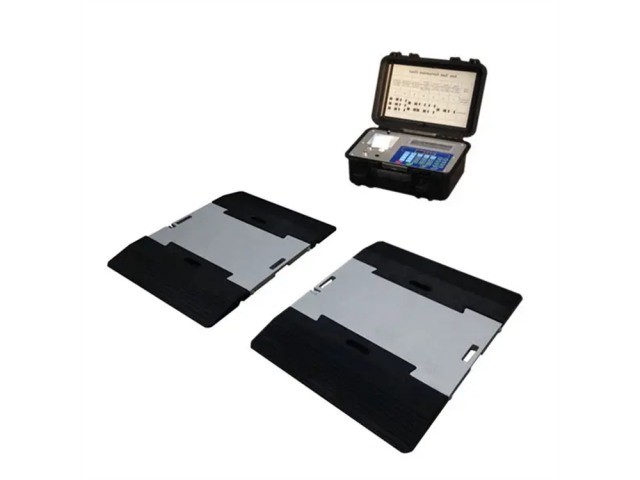
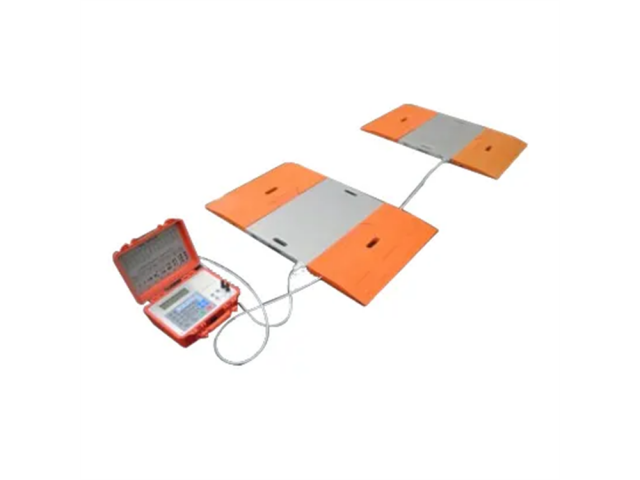
Veidt Weighing is a Axle Scale factory in china. In the realm of transportation, logistics, and infrastructure management, accurate weight measurement stands as a cornerstone of operational efficiency, safety, and regulatory compliance. Among the various weighing solutions available, axle scales have emerged as a versatile and indispensable tool, designed to measure the weight of individual axles or axle groups of vehicles. Unlike full-size truck scales that require vehicles to come to a complete stop on a large platform, axle scales offer flexibility, portability, and adaptability to diverse environments, making them a preferred choice for numerous industries.
Understanding Axle Scales: Definition and Core Function
An axle scale is a specialized weighing device engineered to determine the weight exerted by each axle of a vehicle, as well as the combined weight of multiple axles (axle groups). The core function of an axle scale is to provide precise weight data that reflects the distribution of a vehicle’s total load across its axles. This information is critical because the weight borne by each axle directly impacts road safety, vehicle performance, and infrastructure integrity. Overloading a single axle can lead to excessive wear and tear on tires, brakes, and suspension systems, increasing the risk of accidents such as tire blowouts or loss of control. Additionally, uneven weight distribution can cause significant damage to roads, bridges, and other transportation infrastructure, leading to costly repairs and shortened service life.
Axle scales differ from other weighing solutions in their design and operation. Unlike static scales that require vehicles to be stationary during measurement, some axle scales are capable of dynamic weighing, allowing vehicles to pass over them at slow speeds (typically 5-10 km/h) without stopping. This dynamic capability makes axle scales highly efficient for high-volume operations, such as toll plazas, weigh stations, and logistics hubs, where minimizing vehicle downtime is essential. Furthermore, axle scales come in various forms, including portable units, fixed installations, and in-ground models, each tailored to specific use cases and operational requirements.
Working Principles of Axle Scales
The functionality of axle scales is based on the principle of converting mechanical force (weight) into an electrical signal, which is then processed and displayed as a numerical weight value. At the heart of every axle scale are load cells—transducers that detect and measure the force applied to them. When a vehicle’s axle passes over the scale platform, the load cells compress under the weight, generating an electrical signal proportional to the force exerted. This signal is transmitted to a digital indicator or a connected computer system, where it is amplified, filtered, and converted into a readable weight measurement.
There are two primary types of axle scales based on their operating mode: static and dynamic. Static axle scales require the vehicle to come to a complete stop with the axle positioned directly on the scale platform. This mode of operation ensures the highest level of accuracy, as it eliminates the dynamic forces generated by vehicle movement. Static axle scales are commonly used in applications where precision is paramount, such as vehicle inspection facilities, waste management sites, and agricultural operations where exact weight measurements of crops or livestock are necessary.
Dynamic axle scales, on the other hand, are designed to measure weight while the vehicle is in motion. This is achieved through advanced sensor technology and signal processing algorithms that compensate for the dynamic forces caused by acceleration, deceleration, and vehicle vibration. When a vehicle passes over a dynamic axle scale, the load cells capture the force exerted by each axle as it moves across the platform, and the system processes these signals in real-time to calculate the axle weight. While dynamic axle scales may have a slightly lower accuracy compared to static models, their ability to handle high traffic volumes without disrupting the flow of vehicles makes them ideal for applications such as highway weigh stations, toll booths, and border crossings.
Another key component of axle scales is the weighing platform. The platform is typically constructed from high-strength steel or aluminum to withstand the heavy loads and repeated impacts of commercial vehicles. The size of the platform varies depending on the intended use, with widths ranging from 30 to 40 inches (to accommodate standard vehicle axles) and lengths designed to cover the entire width of the vehicle’s tires. Some axle scales feature modular platforms that can be combined to measure multiple axles simultaneously, further enhancing operational efficiency.
Key Advantages of Axle Scales
Axle scales offer a multitude of advantages that make them a superior choice for many weighing applications. One of the most significant benefits is their flexibility and portability. Portable axle scales, in particular, are lightweight and easy to transport, allowing them to be deployed in remote locations or temporary job sites where fixed weighing infrastructure is not available. For example, construction companies can use portable axle scales to weigh trucks carrying construction materials such as gravel, sand, or concrete at the job site, eliminating the need to transport materials to a distant weigh station. This not only saves time and fuel but also reduces operational costs.
Another major advantage of axle scales is their efficiency. Dynamic axle scales, in particular, enable vehicles to be weighed without stopping, significantly reducing wait times and increasing the throughput of vehicles at weigh stations, toll plazas, and other high-traffic areas. This is especially beneficial for long-haul trucking companies, as it minimizes delays and allows drivers to meet delivery deadlines more efficiently. Additionally, axle scales can be integrated with automated data collection systems, which streamline the process of recording and analyzing weight data. This integration eliminates the need for manual data entry, reducing the risk of human error and improving the overall accuracy of weight records.
Axle scales are also known for their durability and reliability. Constructed from high-quality materials, they are designed to withstand harsh environmental conditions, heavy loads, and repeated use. This makes them suitable for outdoor applications, such as mining sites, construction zones, and agricultural fields, where they may be exposed to dust, dirt, rain, and extreme temperatures. Furthermore, axle scales require minimal maintenance, reducing the long-term costs associated with their operation. Regular inspection and calibration are typically sufficient to ensure that the scales remain accurate and functional over time.
Cost-effectiveness is another key advantage of axle scales. Compared to full-size truck scales, which require a large upfront investment in installation and infrastructure, axle scales are more affordable. Portable axle scales, in particular, are a cost-effective solution for small to medium-sized businesses that do not have the resources to invest in permanent weighing facilities. Additionally, the operational costs of axle scales are lower, as they consume less energy and require less maintenance than other weighing systems. This makes them an attractive option for businesses looking to reduce their overhead costs while maintaining accurate weight measurement capabilities.
Wide-Ranging Applications of Axle Scales
The versatility of axle scales has led to their adoption across a wide range of industries and applications. One of the most common uses of axle scales is in the transportation and logistics sector. Long-haul trucking companies use axle scales to ensure that their vehicles comply with weight regulations, which vary by region and are designed to protect roads and bridges from damage. Overloaded trucks can face significant fines and penalties, and in some cases, may be prohibited from continuing their journey until the excess weight is removed. Axle scales enable trucking companies to monitor the weight of their vehicles before they hit the road, ensuring compliance and avoiding costly fines.
Weigh stations and toll plazas are another major application area for axle scales. These facilities use dynamic axle scales to quickly and efficiently weigh vehicles as they pass through, ensuring that they meet weight limits and collecting tolls based on weight. The use of axle scales at weigh stations helps to improve road safety by identifying overloaded vehicles and preventing them from traveling on public roads. At toll plazas, weight-based tolling systems use axle scale data to charge vehicles according to their weight, which is a fairer and more efficient method than flat-rate tolls, as heavier vehicles cause more damage to roads and bridges and should therefore pay more.
The construction industry is also a significant user of axle scales. Construction companies use portable axle scales to weigh trucks carrying construction materials such as aggregates, asphalt, and steel to job sites. Accurate weight measurement is essential in construction to ensure that the correct amount of materials is delivered, preventing shortages or excesses that can delay projects and increase costs. Additionally, axle scales are used to weigh construction equipment, such as excavators and bulldozers, to ensure that they can safely operate on job site roads and bridges.
Mining and quarrying operations rely heavily on axle scales to weigh trucks carrying minerals, ores, and other materials. In these industries, accurate weight measurement is critical for inventory management, as it helps to track the amount of material extracted and transported. Axle scales are also used to ensure that mining trucks comply with weight limits, as overloading can lead to equipment failure and safety hazards in the harsh mining environment. Portable axle scales are particularly useful in mining operations, as they can be easily moved to different areas of the mine as needed.
Agricultural applications also benefit from the use of axle scales. Farmers use axle scales to weigh trucks carrying crops such as wheat, corn, and soybeans to market, ensuring that they receive fair payment based on the weight of their harvest. Additionally, axle scales are used to weigh livestock, such as cattle and hogs, during transport to processing facilities. Accurate weight measurement of livestock is essential for determining the value of the animals and ensuring that they are transported safely, as overcrowding or uneven weight distribution can cause stress and injury to the animals.
Waste management is another area where axle scales play a crucial role. Landfills and waste transfer stations use axle scales to weigh garbage trucks as they enter and exit the facility, measuring the amount of waste deposited. This data is used for billing purposes, as waste management companies typically charge customers based on the weight of the waste they generate. Additionally, axle scales help to ensure that garbage trucks do not exceed weight limits, preventing damage to roads and bridges and ensuring the safety of the drivers and other road users.
Technological Advancements in Axle Scales
Over the years, axle scales have undergone significant technological advancements, driven by the need for greater accuracy, efficiency, and connectivity. One of the most notable advancements is the integration of digital technology into axle scale systems. Modern axle scales feature digital load cells and indicators, which provide higher accuracy and stability compared to analog systems. Digital load cells convert the mechanical force into a digital signal directly, eliminating the need for analog-to-digital converters and reducing the risk of signal interference. This results in more precise weight measurements, even in harsh environmental conditions.
Another major technological advancement is the development of wireless axle scale systems. Wireless axle scales use Bluetooth, Wi-Fi, or cellular technology to transmit weight data from the scale to a remote indicator, computer, or mobile device. This eliminates the need for cumbersome cables, making the scales easier to set up and use, especially in remote locations. Wireless connectivity also enables real-time data sharing, allowing multiple users to access weight data simultaneously from different locations. For example, a logistics manager can monitor the weight of trucks at a remote job site from their office, enabling them to make informed decisions quickly.
The integration of GPS technology into axle scales is another innovative development. GPS-enabled axle scales can track the location of the scale and the vehicles being weighed, providing valuable data for fleet management and logistics planning. This technology allows companies to monitor the movement of their vehicles and ensure that they are following the correct routes, as well as providing proof of delivery by recording the location and weight of the load at the delivery site. Additionally, GPS technology can be used to automatically record the time and date of each weighing, creating a comprehensive audit trail for regulatory compliance.
Advancements in software and data analytics have also transformed axle scale systems. Modern axle scales are equipped with advanced software that can process and analyze weight data, generating detailed reports and insights. This software can track trends in vehicle weight, identify overloaded vehicles, and provide alerts when weight limits are exceeded. Additionally, the software can be integrated with other business systems, such as inventory management, accounting, and fleet management software, creating a seamless flow of data across the organization. This integration improves operational efficiency by eliminating manual data entry and reducing the risk of errors.
The development of dynamic weighing technology has also made significant strides. Modern dynamic axle scales use advanced algorithms and sensor technology to compensate for the dynamic forces generated by vehicle movement, improving the accuracy of weight measurements taken while the vehicle is in motion. Some dynamic axle scales are now capable of achieving accuracy levels comparable to static scales, making them suitable for applications where both efficiency and precision are required. Additionally, some axle scales feature multi-axle weighing capabilities, allowing them to measure the weight of multiple axles simultaneously as the vehicle passes over the scale, further enhancing efficiency.
Future Trends and Prospects of Axle Scales
Looking ahead, the future of axle scales is poised for further innovation and growth, driven by the increasing demand for smart, connected, and efficient weighing solutions. One of the key trends expected to shape the future of axle scales is the integration of Internet of Things (IoT) technology. IoT-enabled axle scales will be able to connect to a network of devices and systems, enabling real-time data collection, analysis, and remote monitoring. This will allow companies to optimize their operations by leveraging data-driven insights, such as predicting maintenance needs, optimizing routes, and improving load distribution.
Another future trend is the development of more compact and lightweight axle scales. Advances in materials science, such as the use of carbon fiber and other high-strength, lightweight materials, will enable the production of axle scales that are even more portable and easier to transport. This will expand the range of applications for axle scales, making them suitable for use in even more remote and challenging environments.
The integration of artificial intelligence (AI) and machine learning into axle scale systems is another promising trend. AI-powered axle scales will be able to learn from past data, improving the accuracy of weight measurements and enhancing the system’s ability to detect and compensate for dynamic forces. Additionally, AI can be used to analyze weight data and identify patterns and anomalies, such as consistent overloading of specific vehicles or routes. This will enable companies to take proactive measures to address these issues, improving safety and reducing costs.
The growing focus on sustainability and environmental protection is also expected to impact the future of axle scales. Manufacturers are likely to develop more energy-efficient axle scales, using low-power components and renewable energy sources such as solar power. Additionally, axle scales will play an important role in promoting sustainable transportation by helping to reduce overloading, which contributes to increased fuel consumption and greenhouse gas emissions. By ensuring that vehicles are not overloaded, axle scales can help to improve fuel efficiency and reduce the environmental impact of transportation.
Finally, the increasing globalization of trade and transportation is expected to drive the demand for axle scales that comply with international standards. As companies operate across borders, they will need axle scales that can provide accurate weight measurements that are recognized and accepted by regulatory authorities around the world. This will lead to the development of more standardized axle scale systems, ensuring consistency and interoperability across different regions and countries.
Conclusion
Axle scales have evolved from simple mechanical devices to sophisticated, digital systems that play a critical role in modern transportation, logistics, and infrastructure management. Their ability to provide accurate, efficient, and flexible weight measurement has made them an indispensable tool across a wide range of industries, from transportation and construction to mining and agriculture. Technological advancements, such as digitalization, wireless connectivity, and GPS integration, have further enhanced their capabilities, making them more accurate, efficient, and user-friendly.
Looking to the future, axle scales are set to become even more advanced, with the integration of IoT, AI, and lightweight materials driving innovation and growth. As the demand for smart, connected, and sustainable weighing solutions continues to rise, axle scales will remain at the forefront of this evolution, helping companies to improve operational efficiency, ensure safety, and comply with regulatory requirements.
In conclusion, axle scales are more than just weighing devices—they are a vital component of a safe, efficient, and sustainable transportation and logistics ecosystem. Their versatility, reliability, and cost-effectiveness make them a valuable asset for any business that relies on accurate weight measurement, and their continued evolution will ensure that they remain relevant and indispensable in the years to come.
Learn more about digital axle scale, portable axle scale, heavy duty axle scale, truck axle scale, axle weighing scale, electronic axle scale, weighbridge axle scale, mobile axle scale, axle scale for trucks, high precision axle scale, axle scale for weigh station, wireless axle scale, axle scale for construction, axle scale for mining, lightweight axle scale, axle scale for logistics, axle scale with lcd display, axle scale for port, axle scale for agricultural vehicles, axle scale with bluetooth, axle scale for overload detection, axle scale for warehouse, stainless steel axle scale, axle scale for factory, axle scale with printer, axle scale for gravel pit, axle scale for cement plant, axle scale auto-calibration, axle scale for waste management, axle scale for border crossing, axle scale for railway yard, axle scale with data logging, explosion-proof axle scale, axle scale for oil and gas, axle scale for bulk material, axle scale battery operated, axle scale rechargeable, axle scale for steel mill, axle scale for shipping terminal, axle scale with overload protection, axle scale for heavy vehicles, axle scale easy to install, axle scale durable, axle scale for recycling yard, axle scale multi-functional, axle scale for quarry, axle scale with backlight, axle scale for fleet management, axle scale for international freight, pls contact us.
