





Changzhou Veidt Weighing Co., Ltd. © 2022 ALL RIGHTS RESERVED Privacy Policy | Calibration Weight | Test Weights | Cast Iron Weights | Standard Weights | Laboratory Weights | XML | SITEMAP
Product Category
Baby Scale
The early stages of an infant’s life represent one of the most dynamic and critical periods of human growth and development, marked by rapid physical changes that lay the foundation for lifelong health and wellness. For new caregivers, navigating the subtle nuances of a baby’s physical progress can feel overwhelming, as minor fluctuations in weight often serve as the most tangible indicator of whether an infant is feeding well, growing steadily, and thriving day by day. Unlike adult body weight, which remains relatively stable over short periods, a newborn’s weight can shift noticeably within hours, influenced by feeding frequency, hydration levels, sleep patterns, and even minor physiological adjustments typical of early infancy. This is where a dedicated baby scale emerges not as a trivial household gadget, but as an indispensable tool for attentive, informed caregiving. Far more precise and specialized than generic adult weighing devices, a baby scale is engineered specifically to capture the tiny, meaningful weight variations that define infant growth, turning vague parental observations into accurate, trackable data that guides daily care routines and supports proactive health monitoring. Every gentle weighing session becomes a quiet checkpoint, allowing caregivers to connect closely with their baby’s physical development and gain consistent insight into how well their little one is adapting to life outside the womb.
One of the most fundamental distinctions between a standard adult scale and a professional baby scale lies in precision, a feature that cannot be overstated when caring for vulnerable growing infants. Adult scales are designed to measure larger body masses with relatively broad incremental units, which are entirely incapable of detecting the small weight gains and losses that matter most for newborns and young babies. In the first few weeks of life, healthy infants often gain only a few grams or ounces per day, incremental changes that fall completely outside the detection range of ordinary household scales. A high-quality baby scale, by contrast, is equipped with highly sensitive internal sensors that deliver ultra-fine measurement increments, ensuring that even the slightest shifts in an infant’s weight are captured accurately. This level of precision is transformative for caregivers, as it allows them to verify effective feeding outcomes in real time. Whether an infant is breastfed, formula-fed, or following a mixed feeding routine, consistent small weight gains confirm that the baby is consuming sufficient nutrition, absorbing nutrients properly, and building healthy body mass. Without this precise measurement capability, caregivers are left to rely on guesswork, leading to unnecessary anxiety about underfeeding or overfeeding, or worse, missing subtle early signs of feeding inefficiencies that can impact long-term growth.
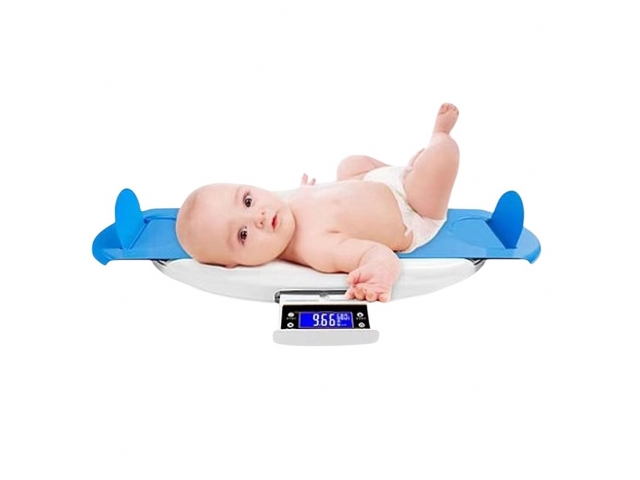
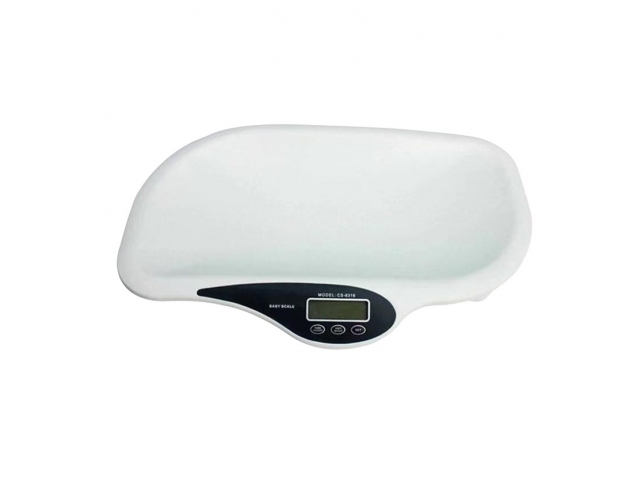
The ergonomic and structural design of modern baby scales is meticulously tailored to accommodate the unique physical traits and behaviors of infants, prioritizing both accurate measurements and infant comfort throughout every use. Unlike rigid, flat adult scale surfaces that offer no support for a baby’s delicate body, baby scales feature contoured, curved weighing platforms that cradle an infant’s head, torso, and limbs securely, mimicking the gentle, enclosed feeling of a caregiver’s arms or a crib mattress. This specialized shaping prevents infants from sliding or shifting during weighing, minimizing the movement that can skew measurement results and eliminating the risk of accidental slips or discomfort. The surfaces of these platforms are crafted from smooth, non-irritating materials that are free of harsh edges, rough textures, or protruding components, ensuring they are safe for direct contact with a baby’s sensitive skin. Many designs also incorporate subtle non-slip properties that stabilize wiggly, active infants who naturally squirm, kick, and twist during the weighing process. Additionally, the open, accessible layout of baby scale platforms allows caregivers to easily place, adjust, and retrieve their baby without awkward maneuvering, making the daily weighing routine simple, stress-free, and comfortable for both infant and caregiver alike.
Advanced functional features integrated into contemporary baby scales further elevate their practicality, addressing the most common challenges caregivers face during routine infant weight tracking. One of the most valuable built-in functions is the tare feature, which allows users to reset the scale’s reading to zero after placing blankets, soft liners, disposable diapers, or lightweight clothing on the weighing platform. This eliminates the extra weight of auxiliary items entirely, ensuring that only the infant’s pure body weight is recorded with complete accuracy. Equally essential is the automatic hold function, a smart feature designed to counteract the constant movement of active babies. Instead of requiring a still, stationary subject for a stable reading, the scale’s intelligent system detects minor movements, calculates a consistent average weight value, and locks the final measurement on the display until the user manually resets it. This functionality eliminates the frustration of repeated re-weighing attempts caused by normal infant fidgeting, drastically improving the efficiency of daily weighing routines. Many models also support multiple unit conversions, allowing caregivers to switch seamlessly between different weight measurement units to align with personal preference or routine tracking habits, creating a fully customizable user experience for diverse household needs.
Consistent weight tracking with a dedicated baby scale plays an irreplaceable role in supporting early childhood health management, serving as a simple yet powerful preventive health tool for families. Infant weight is a core physiological indicator that reflects overall bodily function, including digestive health, metabolic efficiency, nutritional absorption, and hydration status. Steady, gradual weight gain over days and months signals that an infant’s bodily systems are developing normally, that feeding routines are well-suited to their needs, and that they are free from underlying minor health disruptions. Conversely, stagnant weight growth, unexpected weight loss, or erratic weight fluctuations can serve as early warning signs of potential issues, such as feeding difficulties, digestive discomfort, insufficient nutrient intake, mild dehydration, or developing illnesses that may not yet present obvious visible symptoms. By recording weight data regularly with a baby scale, caregivers can build a continuous growth timeline for their infant, making subtle developmental trends far easier to identify than sporadic, irregular checkups allow. This consistent record empowers caregivers to notice small deviations early, adjust daily care habits promptly, and seek professional pediatric guidance in a timely manner when concerns arise, supporting proactive and responsive infant health care.
Baby scales also deliver exceptional practical value for refining daily feeding strategies, resolving one of the most common sources of uncertainty for new caregivers: determining adequate nutritional intake. For breastfed infants, in particular, it can be nearly impossible to visually gauge how much milk a baby consumes during each feeding session, leaving many parents unsure whether their child is getting enough nutrition to support healthy growth. Regular weighing with a precise baby scale eliminates this uncertainty entirely. Caregivers can observe daily and weekly weight gain patterns to confirm whether feeding frequency, feeding duration, and latching techniques are effective, adjusting breastfeeding routines accordingly to optimize nutrient intake. For formula-fed infants, weight tracking helps prevent overfeeding or underfeeding by revealing whether current formula portions align with the baby’s growth requirements. Even for infants transitioning to complementary foods, consistent weight monitoring allows caregivers to assess how well new foods are being tolerated and absorbed, guiding the gradual adjustment of complementary food types, textures, and portions. In every feeding stage, the accurate data from a baby scale turns subjective feeding guesswork into objective, actionable guidance for personalized infant care.
Beyond basic weight measurement, many modern baby scales integrate auxiliary practical functions that expand their role as a comprehensive infant growth monitoring tool, adapting to the full scope of early childhood developmental tracking needs. Some models incorporate retractable, soft measuring tapes that allow caregivers to easily measure an infant’s body length during routine weighing sessions, combining weight and height tracking in one convenient device. This dual tracking capability enables families to monitor overall physical growth proportion, rather than relying solely on weight data, creating a more holistic view of infant development. Advanced smart-enabled baby scales can synchronize recorded weight data with mobile applications, automatically organizing daily measurements into intuitive growth curves, trend charts, and chronological records. These digital tracking systems help caregivers visualize long-term growth patterns, identify steady progress or minor fluctuations over weeks and months, and store complete growth data securely for future reference. For growing families, many baby scales also feature generous weight capacity ranges that accommodate infants from newborn stage through toddler years, eliminating the need for repeated device upgrades and providing consistent growth monitoring support throughout multiple early developmental phases.
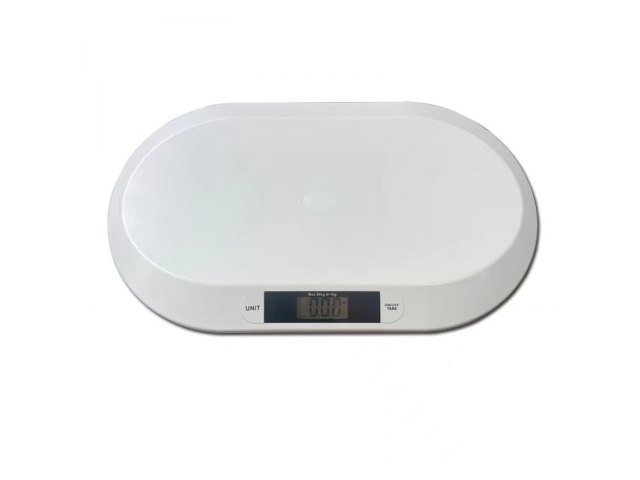
The usability and accessibility of baby scales are carefully optimized to suit caregivers of all experience levels, ensuring that even first-time parents with no prior infant care experience can operate the device with ease. The digital display panels on modern baby scales are designed with large, clear characters and adjustable backlighting, delivering high visibility in all lighting conditions, whether during bright daytime household routines or late-night feeding and weighing sessions in dimly lit nurseries. The operational interface is intentionally simplified, with minimal intuitive buttons that clearly correspond to core functions such as power control, unit switching, tare reset, and manual hold, eliminating complex technical operations that could create barriers for new users. Most baby scales are built with lightweight, compact body structures that do not occupy excessive household space, making them easy to place on flat, stable surfaces in nurseries, bedrooms, or living areas. Their portable design also allows for convenient relocation during household cleaning, travel, or temporary stays with family, ensuring that consistent weight tracking never needs to be interrupted by changes in environment. Additionally, automatic power-saving features such as intelligent shutdown mechanisms prevent unnecessary battery consumption, reducing long-term maintenance effort and improving daily usability.
Safety is embedded into every detail of baby scale design, prioritizing infant well-being during every weighing interaction and eliminating potential hazards present in generic weighing devices. All contact surfaces that touch an infant’s body are constructed from non-toxic, hypoallergenic materials that are safe for prolonged skin contact, resistant to dust accumulation, and free from harmful chemical components that could irritate delicate infant skin or cause allergic reactions. The entire structure of a baby scale is built with rounded, smooth edges and cornerless designs, completely eliminating sharp points or hard ridges that could scratch, pinch, or injure active infants during movement. The base of each scale is fitted with stable, anti-slip padding that anchors the device firmly on flat surfaces, preventing sliding, tipping, or wobbling even when an infant shifts position actively on the platform. The low-profile platform design reduces the risk of falls or injuries if a baby wiggles toward the edge, creating a secure, enclosed weighing space. Furthermore, the electrical components of digital baby scales are fully insulated and sealed to prevent dust, moisture, or liquid intrusion, reducing the risk of electrical faults and ensuring safe, reliable long-term use in busy household environments where spills and minor messes are common during infant care routines.
Proper maintenance and standardized daily use of a baby scale are essential to preserving its long-term accuracy, extending its service life, and ensuring consistent reliable measurement results for ongoing infant growth tracking. Daily cleaning routines are simple and low-effort, requiring only soft, damp cloths to wipe down the weighing platform and outer surfaces after each use, removing residual dust, lint, or minor spills from feeding and diaper changes. Harsh chemical cleaners, abrasive scrubbing tools, and excessive water exposure should be avoided to prevent material damage, surface fading, or internal component moisture buildup that could compromise sensor precision. Caregivers should always place the scale on a completely flat, rigid, horizontal surface before each use, avoiding soft carpets, cushioned surfaces, or uneven flooring that can distort sensor calibration and produce inaccurate readings. It is also important to allow infants to rest calmly on the platform as much as possible before recording measurements, utilizing the scale’s hold function to stabilize results during inevitable minor movements. Regular basic checks of battery status and surface integrity ensure that the device remains in optimal working condition, preventing sudden malfunctions during critical routine growth tracking sessions.
The emotional and psychological value of owning a dedicated baby scale for new families is often as significant as its practical functional benefits, easing the common anxiety and uncertainty that accompany early parenthood. The postpartum period is a time of immense adjustment for caregivers, filled with unfamiliar routines, endless small uncertainties, and frequent worry about whether their infant is growing and developing as expected. Without objective growth data, minor daily changes in a baby’s appetite, activity level, or body size can easily trigger unnecessary stress and self-doubt. A baby scale provides concrete, reliable evidence of steady growth progress, turning invisible daily developmental efforts into visible, trackable achievements. Every stable weight gain reading offers caregivers tangible reassurance that their feeding routines, care habits, and daily nurturing are supporting their baby’s healthy development effectively. This consistent sense of progress builds parental confidence, reduces postpartum anxiety, and allows families to focus more on enjoying precious early parenthood moments rather than fixating on unanswerable guesswork about their infant’s health. Over time, the accumulated weight records also become a precious chronological archive of a baby’s earliest growth journey, preserving unique memories of their fragile, formative newborn days.
As an essential piece of infant care equipment that combines precision technology, ergonomic design, safety optimization, and user-centric practicality, the baby scale stands as a quiet yet vital companion throughout the most formative early stages of an infant’s life. It bridges the gap between subjective parental observation and objective developmental data, transforming vague care routines into scientific, targeted nurturing practices that adapt to each baby’s unique growth rhythm. Beyond its core function of weight measurement, it supports holistic infant health monitoring, personalized feeding adjustment, long-term growth tracking, and emotional peace of mind for caregivers, addressing the most practical and emotional needs of modern family infant care. In every daily weighing session, the baby scale captures the tiny, steady gains that compose a baby’s growth, recording the subtle progress that shapes lifelong health. For every family welcoming a new life into their home, a high-quality baby scale is not merely a household tool, but a reliable partner that witnesses, supports, and safeguards the healthy, happy growth of their most precious little one, turning daily care into precise, loving, and informed nurturing.
