





Changzhou Veidt Weighing Co., Ltd. © 2022 ALL RIGHTS RESERVED Privacy Policy | Calibration Weight | Test Weights | Cast Iron Weights | Standard Weights | Laboratory Weights | XML | SITEMAP
Product Category
Coffee Scale
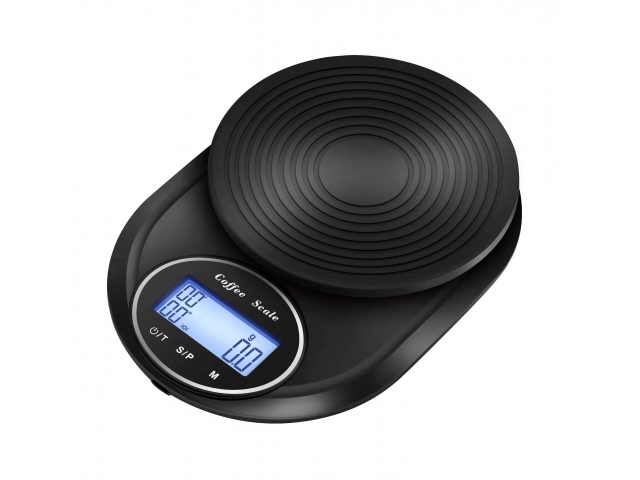
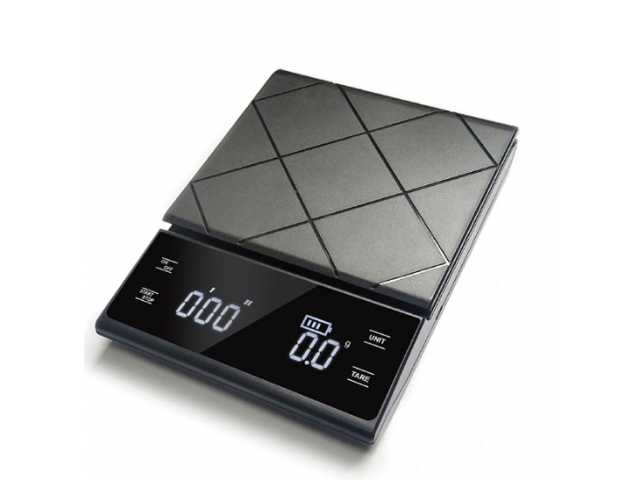
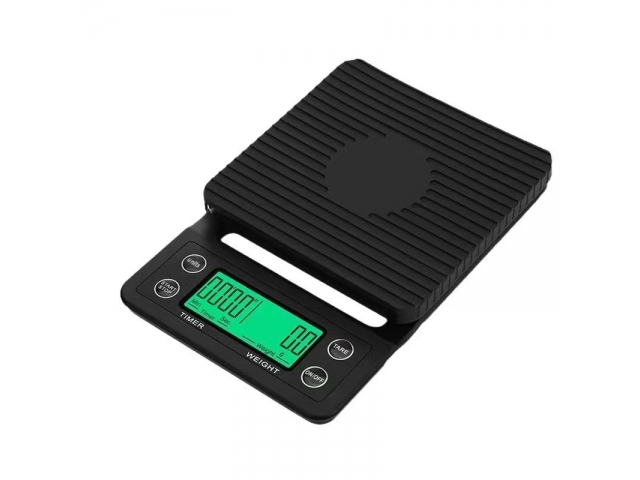
Veidt Weighing is a Coffee Scale factory in china. In the world of specialty coffee, where every nuance of flavor and aroma matters, the coffee scale stands as an indispensable tool, bridging the gap between casual brewing and artisanal craftsmanship. More than a simple measuring device, it is the backbone of consistent, high-quality coffee, enabling baristas and home brewers alike to control the critical variables that define a perfect cup. From the bustling cafes of urban centers to the quiet home kitchens of coffee enthusiasts, the coffee scale has become a symbol of the craft coffee movement—one that prioritizes intentionality, precision, and respect for the coffee bean. As the global appreciation for specialty coffee grows, so too does the recognition of the coffee scale’s role in unlocking the full potential of coffee beans, transforming a daily ritual into a sensory experience. Exploring the significance, functionality, types, applications, and evolution of coffee scales reveals how this humble tool has revolutionized the way we brew and enjoy coffee.
The rise of the coffee scale is intrinsically tied to the growth of the specialty coffee movement, which emerged in the late 20th century as a reaction to the mass-produced, low-quality coffee that dominated the market. Before this movement, coffee brewing was often a matter of guesswork, with brewers relying on volume measurements (such as tablespoons of coffee per cup of water) or visual estimation. However, these methods are inherently inaccurate, as the density of coffee grounds can vary significantly based on factors like bean variety, roast level, and grind size. A “tablespoon of light-roast coffee grounds” weighs far less than a tablespoon of dark-roast grounds, leading to inconsistent ratios of coffee to water—one of the most critical variables in brewing. The specialty coffee movement, with its focus on highlighting the unique flavors of single-origin beans and precise brewing techniques, demanded a more reliable way to measure, and thus the coffee scale became a staple.
At the core of great coffee brewing lies the golden ratio—the ideal proportion of coffee grounds to water. While opinions on the exact ratio vary slightly (typically ranging from 1:15 to 1:18, meaning 1 gram of coffee to 15–18 grams of water), the key is consistency. Even a small deviation from the desired ratio can drastically alter the final brew: too much coffee results in a bitter, over-extracted cup, while too little leads to a weak, under-extracted one. Coffee scales eliminate the guesswork by measuring both coffee grounds and water by weight, ensuring that the golden ratio is maintained with pinpoint accuracy every time. This consistency is not just about taste; it also allows brewers to replicate successful brews, experiment with different variables (such as grind size, brew time, and water temperature) in a controlled way, and develop a deeper understanding of how each variable impacts the final cup.
The design and functionality of coffee scales are tailored specifically to the unique needs of coffee brewing, setting them apart from standard kitchen scales. Unlike general-purpose scales, coffee scales are engineered to measure small quantities of coffee grounds (often as little as 1 gram) and larger volumes of water (up to several hundred grams) with high precision. They also typically feature a timer function—a critical addition, as brew time is another key variable in methods like pour-over, French press, and AeroPress. The timer allows brewers to track how long water is in contact with coffee grounds, ensuring that extraction is neither too short nor too long. Most coffee scales have a compact, low-profile design, making them easy to fit on a coffee bar or countertop, and a large, easy-to-read display that can be seen even in low-light cafe environments.
The working principle of coffee scales is similar to that of electronic kitchen scales, but with enhancements to suit coffee-specific needs. Most coffee scales use strain gauge sensors, which convert the mechanical force of the coffee grounds or water into an electrical signal. This signal is processed by a circuit board, which calculates the weight and displays it on a digital screen. To ensure accuracy, coffee scales are calibrated to measure in increments of 0.1 grams—far more precise than standard kitchen scales, which typically measure in 1-gram increments. The timer function, often integrated into the scale’s circuitry, can be started and stopped manually or, in more advanced models, automatically when water is poured onto the scale.
Coffee scales come in a variety of types, each designed to cater to different brewing scenarios and user preferences. The two primary categories are manual coffee scales and smart coffee scales, with subcategories tailored to professional and home use. Manual coffee scales are the most basic type, offering essential features like weight measurement (in grams and ounces) and a built-in timer. They are typically battery-powered, compact, and affordable, making them ideal for home brewers who are just starting their craft coffee journey. These scales are easy to use: simply place the coffee grinder or brewing vessel on the scale, tare (zero out) the weight, and measure the coffee grounds or water.
Professional coffee scales, designed for use in cafes and specialty coffee shops, are built for durability, precision, and continuous use. They often have a higher weight capacity (up to 2000 grams or more) to accommodate large brewing vessels like batch brewers or cold brew containers. Professional scales also feature more robust construction, with waterproof or water-resistant surfaces to withstand spills—an inevitable part of busy cafe environments. Many professional models have a detachable display, allowing baristas to position the screen for easy viewing while brewing. Additionally, they may offer features like auto-tare, which automatically resets the scale to zero when a new vessel is placed on it, and high-contrast displays for visibility in bright or dim lighting.
Smart coffee scales represent the cutting edge of coffee scale technology, integrating wireless connectivity and digital features to enhance the brewing experience. These scales can connect to smartphones or tablets via Bluetooth or Wi-Fi, allowing users to sync their brewing data to coffee-specific apps. The apps can store brewing recipes, track brewing variables (weight, time, ratio), and provide real-time feedback and recommendations. For example, some smart scales can guide users through a pour-over brew, alerting them when to add water and how much to pour at each stage. Others can analyze brewing data over time, helping users identify patterns and refine their technique. Smart scales are particularly popular among serious home brewers and coffee enthusiasts who want to take their brewing to the next level and document their progress.
The applications of coffee scales span both professional and home brewing environments, each with unique requirements and use cases. In professional cafes, consistency is paramount—customers expect their favorite drink to taste the same every time they visit. Coffee scales ensure that every barista follows the same precise ratios and brew times, eliminating variability between staff members. They also allow cafes to experiment with new brewing methods and coffee beans, as the controlled measurements make it easy to replicate and refine new recipes. For example, a cafe testing a new single-origin bean can use a scale to adjust the coffee-to-water ratio and brew time, ensuring that the bean’s unique flavor notes (such as fruity, floral, or chocolatey) are highlighted.
In home brewing, coffee scales empower enthusiasts to recreate cafe-quality coffee in their own kitchens. For many home brewers, the journey into craft coffee begins with a coffee scale, as it provides the foundation for learning and improving brewing skills. Whether using a simple pour-over setup, a French press, an AeroPress, or an espresso machine, a coffee scale allows home brewers to control the variables that were previously out of reach. For example, when brewing pour-over coffee, a scale helps the brewer measure the exact amount of coffee grounds, track the water volume as it is poured, and monitor the brew time—all critical for achieving a balanced, flavorful cup. Home brewers also use coffee scales to experiment with different ratios and techniques, tailoring their brews to their personal taste preferences.
Coffee scales also play a role in coffee education and training. Many specialty coffee schools and certification programs (focused on skill development rather than product certification) use coffee scales to teach students about the science of brewing. By using scales, students can see firsthand how small changes in coffee-to-water ratio or brew time affect the taste of the coffee, deepening their understanding of the brewing process. This hands-on learning is essential for培养 competent baristas and coffee professionals who can consistently produce high-quality coffee.
The importance of coffee scales extends beyond just brewing; they also contribute to reducing waste in both professional and home settings. When brewing without a scale, it is common to use too much coffee, leading to unnecessary waste of expensive specialty beans. By measuring the exact amount of coffee needed for each brew, scales ensure that beans are used efficiently. Additionally, consistent brewing with a scale reduces the likelihood of brewing a bad cup that is discarded, further minimizing waste. For cafes, this waste reduction translates to cost savings, as specialty coffee beans are a significant expense. For home brewers, it means getting the most out of every bag of beans, maximizing the value of their investment.
The evolution of coffee scales has been driven by advancements in technology and the changing needs of the coffee industry. Early coffee scales were simple mechanical devices, similar to traditional kitchen scales, but with limited precision. The introduction of electronic scales in the late 20th century revolutionized coffee brewing, offering higher accuracy and the addition of timer functions. As the specialty coffee movement grew, manufacturers began to develop scales specifically designed for coffee, with features like smaller measurement increments, waterproof surfaces, and compact designs.
In recent years, the integration of smart technology has been the most significant trend in coffee scale evolution. Smart scales have transformed coffee brewing from a manual process to an interactive one, with apps providing guidance, data tracking, and community sharing. Some smart scales even offer integration with other coffee equipment, such as smart kettles, which can sync with the scale to adjust water temperature and flow rate based on the brewing recipe. This level of integration has made precision brewing more accessible than ever before, even for beginners.
Another key trend in coffee scale design is sustainability. As the coffee industry becomes more focused on environmental responsibility, manufacturers are developing scales made from eco-friendly materials, such as recycled plastic, bamboo, and sustainable metals. They are also designing scales with energy-efficient features, such as auto-off functions to save battery life, and rechargeable batteries to reduce waste from disposable batteries. These sustainable design choices reflect the broader values of the specialty coffee movement, which emphasizes ethical sourcing and environmental stewardship throughout the coffee supply chain.
Despite their many benefits, coffee scales are not without challenges. One of the main barriers to adoption is the perception that they are unnecessary or overly complicated for casual coffee drinkers. Many people who are new to craft coffee may be intimidated by the idea of measuring coffee and water by weight, preferring the simplicity of volume measurements. However, as more people discover the difference that precision makes in the taste of their coffee, this barrier is gradually breaking down. Manufacturers are also working to make coffee scales more user-friendly, with intuitive controls and clear displays that make them easy to use even for beginners.
Another challenge is the cost of high-quality coffee scales. Professional and smart coffee scales can be relatively expensive, which may be a deterrent for some home brewers. However, there are now many affordable options available that offer good precision and essential features, making coffee scales accessible to a wider audience. Additionally, many coffee enthusiasts view a coffee scale as a long-term investment, as it significantly improves the quality of their brews and reduces waste, ultimately saving money over time.
The future of coffee scales looks promising, with ongoing innovations focused on improving precision, functionality, and user experience. One area of development is the integration of artificial intelligence (AI) and machine learning, which could enable coffee scales to learn a user’s taste preferences and automatically adjust brewing parameters to create the perfect cup. For example, an AI-powered smart scale could analyze a user’s brewing history and recommend adjustments to the coffee-to-water ratio or brew time to enhance flavor.
Miniaturization is another emerging trend, with manufacturers developing smaller, more portable coffee scales that are ideal for travel or small living spaces. These compact scales retain the precision and functionality of larger models but are easier to store and transport. Some portable models are even designed to be waterproof, making them suitable for outdoor brewing activities like camping.
The integration of more advanced sensors is also on the horizon, with coffee scales potentially able to measure additional variables like coffee ground density and moisture content. These measurements could provide even more insights into the brewing process, allowing brewers to make more informed adjustments and further refine their technique. Additionally, future coffee scales may offer real-time flavor profiling, using sensors to analyze the brew as it is being made and provide immediate feedback.
The cultural impact of coffee scales is significant, reflecting the changing relationship between people and their coffee. The craft coffee movement, with the coffee scale at its core, has transformed coffee from a mere caffeine delivery system into a cultural ritual, one that encourages mindfulness and appreciation. Coffee scales have made this ritual more accessible to everyone, allowing home brewers to participate in the same level of craftsmanship as professional baristas. They have also fostered a sense of community among coffee enthusiasts, who share recipes, brewing data, and tips online, connected by their shared passion for great coffee.
In professional coffee culture, coffee scales have become a symbol of professionalism and dedication to quality. They are a standard tool in specialty cafes around the world, and their use is often seen as a mark of a serious barista. The ability to brew consistently with a scale is now a fundamental skill in the coffee industry, with many cafes requiring baristas to be proficient in using coffee scales as part of their training.
In conclusion, coffee scales are more than just measuring tools—they are the enablers of craft coffee, transforming ordinary brews into extraordinary sensory experiences. Their ability to provide precision, consistency, and control has revolutionized the way we brew and enjoy coffee, from professional cafes to home kitchens. As the specialty coffee movement continues to grow, the coffee scale will remain a critical tool, helping to unlock the full potential of coffee beans and elevate the coffee brewing ritual. With ongoing innovations in smart technology, sustainability, and functionality, the future of coffee scales is bright, promising to make craft coffee even more accessible and enjoyable for everyone. Whether you are a professional barista, a home brewing enthusiast, or someone just starting to explore the world of specialty coffee, a coffee scale is a tool that can deepen your connection to coffee and help you brew the perfect cup—one precise gram at a time.
Learn more about digital coffee scale, coffee scale with timer, espresso scale, pour over coffee scale, coffee weighing scale, digital espresso scale, coffee scale for brewing, portable coffee scale, smart coffee scale, precision coffee scale, coffee scale gram, electronic coffee scale, coffee scale with bluetooth, small coffee scale, digital pour over coffee scale, coffee scale for home barista, high precision coffee scale, compact coffee scale, coffee scale battery operated, usb rechargeable coffee scale, coffee scale for espresso machine, kitchen coffee scale, coffee scale with auto timer, coffee scale stainless steel, mini coffee scale, coffee scale waterproof, barista coffee scale, digital coffee weighing scale, coffee scale with lcd display, coffee scale for drip coffee, coffee scale accurate, coffee scale gram and ounce, coffee scale for travel, digital coffee scale with timer, coffee scale easy to clean, espresso weighing scale, coffee scale for french press, lightweight coffee scale, coffee scale multifunctional, digital barista scale, coffee scale with tare function, home coffee scale, coffee scale for v60, professional coffee scale, coffee scale with backlight, small digital coffee scale, coffee scale for manual brewing, coffee scale non-slip, digital coffee scale stainless steel, pls contact us.
