





Changzhou Veidt Weighing Co., Ltd. © 2022 ALL RIGHTS RESERVED Privacy Policy | Calibration Weight | Test Weights | Cast Iron Weights | Standard Weights | Laboratory Weights | XML | SITEMAP
Product Category
Platform Scale
Platform scales stand as one of the most fundamental yet indispensable weighing instruments in modern industrial, commercial, and daily operational environments, serving as a critical bridge between physical load measurement and standardized operational data management. Unlike miniature household weighing devices designed for trivial mass detection, platform scales are engineered to accommodate diversified load ranges, versatile placement scenarios, and long-duration continuous operation, making them a core component of quantitative management in various industries. The core value of platform scales lies in their ability to convert the gravitational force of objects into recognizable, consistent, and repeatable numerical data, providing reliable dimensional basis for material statistics, transaction settlement, production monitoring, and quality control. In the context of increasingly refined modern production and circulation systems, the accuracy, stability, and durability of platform scales directly affect the rationality of resource allocation, the standardization of operational processes, and the authenticity of enterprise operational data. Even with the continuous upgrading of intelligent detection equipment in recent years, platform scales still maintain irreplaceable practical value due to their simple structural logic, low operation threshold, and wide environmental adaptability, running through every link from raw material warehousing, semi-finished product processing to finished product delivery and inventory counting.
The internal working mechanism of modern platform scales is built on mature physical sensing and electrical signal processing technology, with load cell systems serving as the core functional component that determines weighing performance. As a high-precision transducer, the load cell undertakes the key task of converting mechanical pressure generated by loaded objects into measurable electrical signal changes, realizing the transformation from physical force data to digital data. The mainstream strain gauge-based load cell adopted by most platform scales features a delicate structural design, where thin and flexible strain gauges are tightly bonded to the metal sensing matrix of the load cell. When an object is stably placed on the scale platform, the pressure acts evenly on the sensing matrix, causing slight elastic deformation of the metal structure. This tiny deformation drives the stretching or compression of the strain gauges, which in turn changes their internal electrical resistance. The variation of resistance presents a strict proportional relationship with the magnitude of the applied load, laying a precise physical foundation for subsequent weight calculation. After the original electrical signal is generated, it will be transmitted to the internal signal processing module of the scale, which filters out interference signals, amplifies effective signals, and converts analog signals into digital signals that can be identified and calculated by the microprocessor, finally presenting intuitive weight data on the display terminal.
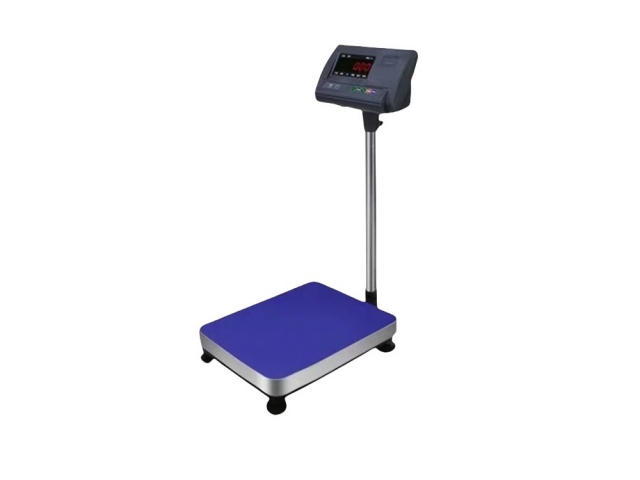
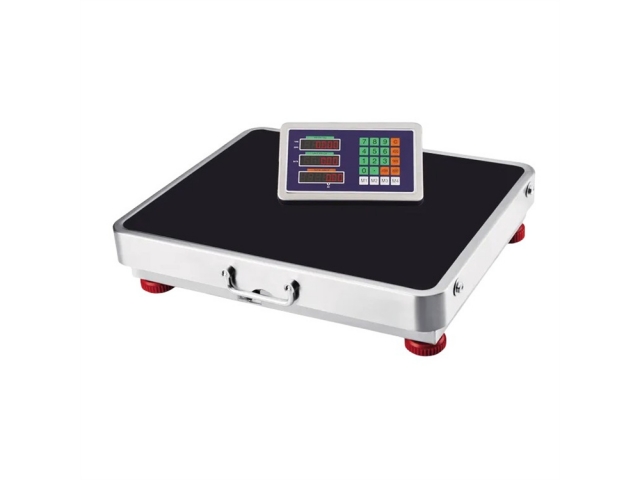
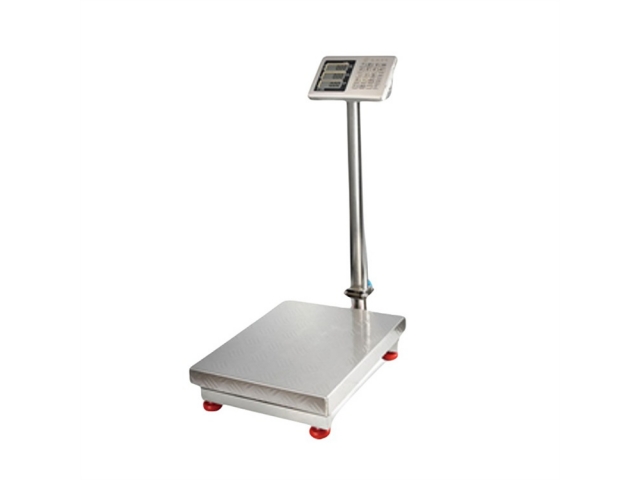
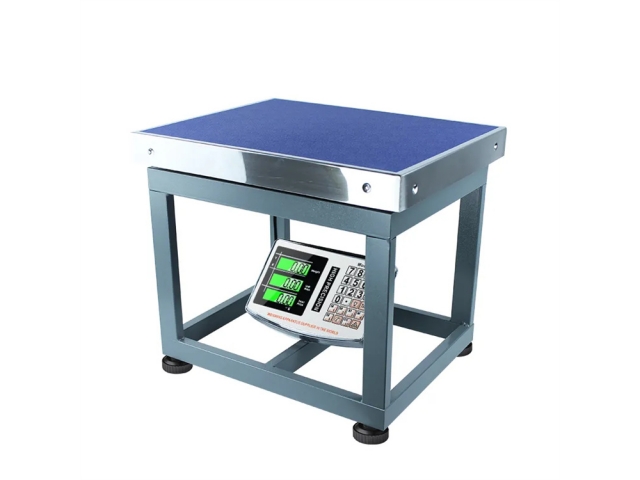
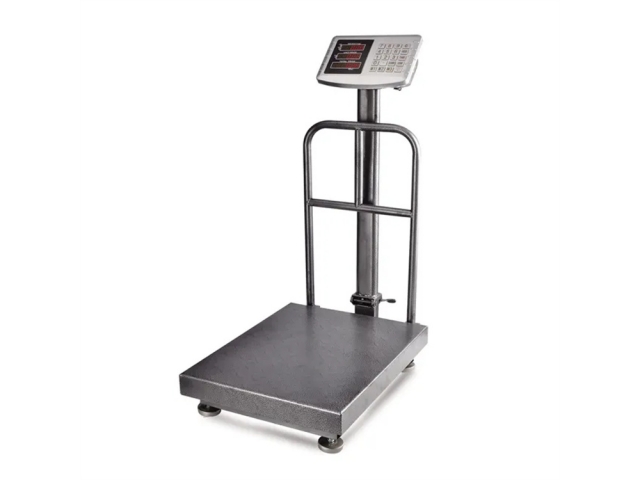
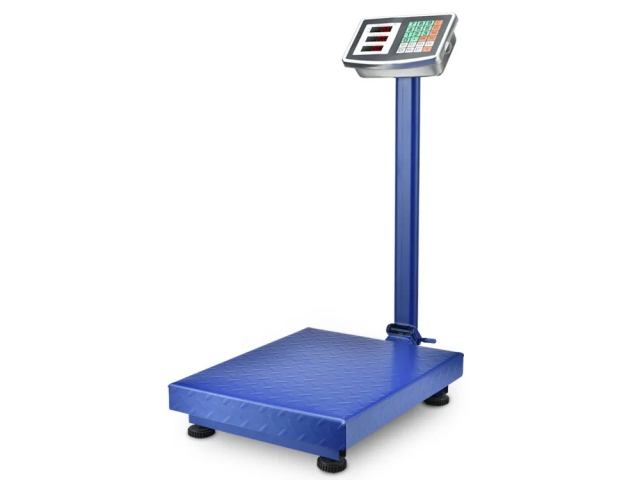
The overall structural design of platform scales follows the dual principles of mechanical stability and sensing accuracy, and the whole machine is composed of multiple collaborative functional parts, each undertaking unique operational responsibilities. The external bearing platform is the most intuitive component, usually made of high-strength metal materials with anti-corrosion, anti-wear, and anti-deformation properties. This structural design can effectively resist the impact of heavy loads, prevent long-term pressure-induced bending and deformation, and ensure the flatness of the bearing surface, which is a basic prerequisite for uniform force transmission and accurate weighing. The supporting and fixing structure at the bottom of the platform is designed to balance the overall stress of the equipment, avoid local stress concentration caused by uneven placement of goods, and disperse the load to each internal sensing unit evenly. In addition to the bearing structure and load cell sensing system, the platform scale is also equipped with independent signal transmission lines, junction boxes, data processing chips, and display modules. The junction box plays a key role in balancing the signal output of multiple load cells, correcting subtle signal differences caused by structural stress, and ensuring the consistency of overall sensing data. The intelligent chip is responsible for real-time calculation, data storage, and error judgment, while the display module realizes human-computer interaction, enabling operators to quickly read weighing results and complete basic data recording operations.
Platform scales exhibit extremely high scenario adaptability, which enables them to exert stable application value in multiple fields with different environmental conditions and operational requirements. In industrial production scenarios, platform scales are widely used for weighing and counting of raw materials, auxiliary materials, and finished products. Production workshops rely on platform scales to complete quantitative batching of production materials, ensuring the consistency of material proportioning in each production link, thereby stabilizing product quality and reducing quality fluctuations caused by inaccurate material dosage. At the same time, it is also used for weighing finished products on the production line, screening unqualified products with substandard weight specifications, and realizing preliminary quality screening of products. In logistics and warehousing links, platform scales undertake the core work of cargo weight detection, providing basic data for cargo stacking, transportation load planning, and inventory statistics. Warehouse managers use platform scale data to sort goods by weight, optimize storage space allocation, and improve the utilization rate of warehouse capacity; logistics operators judge transportation load standards based on weighing data, avoid overload operation, and ensure the safety and standardization of transportation work.
The application advantages of platform scales are further highlighted in agricultural and commercial circulation scenarios, providing convenient and accurate measurement support for grassroots production and trading links. In agricultural production, platform scales are used for weighing grain, cash crops, and agricultural supplies, helping producers accurately count crop yields, complete quantitative storage of agricultural products, and formulate reasonable sales and storage plans. For bulk agricultural products with large output and low unit value, the efficient and fast weighing function of platform scales greatly improves the efficiency of manual statistics, reduces the time cost of inventory sorting, and avoids economic losses caused by manual visual estimation errors. In commercial retail and bulk trading scenarios, platform scales provide fair and accurate measurement standards for commodity transactions. Whether it is bulk wholesale of daily necessities, building materials, and chemical raw materials, or quantitative settlement of scattered goods, platform scales can quickly and stably complete weighing work, maintain the fairness of trading links, and avoid measurement disputes caused by inaccurate weighing tools. Its simple operation mode enables ordinary operators to master the usage method in a short time, adapting to the efficient operational rhythm of commercial trading scenarios.
Compared with other types of weighing equipment, platform scales have unique performance characteristics and functional advantages, forming a clear differentiated competitive edge in the market of weighing instruments. Different from ultra-precision analytical scales that are only suitable for laboratory constant-temperature and dust-free environments, platform scales have lower requirements for external working environments and can operate stably in conventional industrial environments with dust, humidity, and slight temperature changes. Their robust mechanical structure can withstand frequent loading and unloading, accidental slight impact, and long-term continuous operation, with stronger environmental adaptability and service stability. Different from large-scale truck scales and rail scales used for super-heavy load weighing, platform scales have flexible volume and placement forms, can adapt to indoor and outdoor placement scenarios, and are convenient for movement and position adjustment according to operational needs, with higher operational flexibility. In addition, the functional design of platform scales is more targeted for practical operational needs, retaining core weighing functions while simplifying redundant complex configurations, reducing equipment failure rates and daily operation difficulty, and realizing the perfect balance between weighing accuracy, operational efficiency, and equipment cost performance.
Although platform scales have excellent inherent stability, their long-term weighing accuracy and service life are still affected by multiple external factors, and understanding these influencing factors is the premise of standardized equipment use. The placement environment is one of the core factors affecting weighing accuracy. Long-term placement on uneven ground will cause the internal stress structure of the scale body to be unbalanced, resulting in inconsistent stress on the load cell, and further leading to systematic deviation of weighing data. Long-term exposure to humid, corrosive, or dusty environments will cause corrosion and blockage of the scale body surface and internal sensing components, damage the structural stability of strain gauges and signal lines, and reduce sensing sensitivity. In addition, irregular operation behaviors in daily use will also cause equipment errors and damage, such as sudden heavy impact loading, long-term overload bearing, eccentric placement of goods leading to local stress concentration, and frequent vibration interference during weighing. These non-standard operations will not only cause temporary inaccurate weighing data, but also cause irreversible fatigue damage to the internal load cell structure over time, seriously affecting the service life and long-term stability of the equipment.
Scientific and standardized daily maintenance and regular calibration are essential measures to maintain the stable performance of platform scales and extend their service life, forming a complete set of equipment management system throughout the whole life cycle of the instrument. Daily maintenance work focuses on cleaning and protection, requiring operators to regularly clean the surface of the weighing platform, remove accumulated dust, residual materials, and oil stains on the platform and at the bottom gap, to prevent debris from affecting the flatness of the bearing surface and blocking the stress transmission path. In the cleaning process, it is necessary to avoid using strong corrosive chemical cleaners and high-pressure water flushing, so as to prevent corrosion of the metal structure and water ingress damage of internal electronic components. When the equipment is not in use for a long time, it should be covered with protective equipment to isolate dust, moisture, and accidental impact damage, and placed in a ventilated and dry environment to avoid long-term damp and rust. At the same time, operators need to conduct daily visual inspection before use, check whether the scale body is deformed, whether the connecting lines are loose or damaged, and whether the display function is normal, so as to discover potential hidden dangers in time.
Regular calibration and performance detection are core links to ensure the long-term accuracy of platform scales, eliminating systematic errors caused by long-term operation and environmental changes. After a period of continuous use, affected by mechanical fatigue of internal components, environmental temperature and humidity changes, and slight structural wear, the weighing data of platform scales will have subtle cumulative deviations, which will gradually affect the accuracy of measurement results if not corrected in time. Regular calibration work relies on standardized weighing detection methods to verify the accuracy of the scale with stable and reliable reference load values, and adjust the internal parameter settings of the equipment according to the deviation range to restore the consistent correspondence between load pressure and signal output. The calibration cycle needs to be adjusted according to the frequency of equipment use and operational scenario requirements. Equipment used for high-frequency continuous operation and high-precision measurement scenarios needs shorter calibration cycles, while equipment used intermittently in conventional scenarios can adopt relatively moderate calibration cycles. Timely calibration can not only ensure the accuracy of weighing data, but also effectively delay the aging speed of equipment components and maintain the stable working state of the system.
With the continuous development of intelligent manufacturing and digital operational systems, platform scales are also undergoing iterative upgrading of functions and performance, gradually moving from single weighing tools to intelligent data terminal equipment. Traditional platform scales only realize basic weight detection and real-time data display, with single functions and independent data processing, unable to adapt to the integrated management needs of modern industrial and commercial systems. The upgraded modern platform scales integrate intelligent data storage, data transmission, and statistical analysis functions, which can automatically record all weighing data within the working cycle, classify and sort data according to time, batch, and category, and realize remote data transmission and cloud storage. This intelligent transformation enables weighing data to be seamlessly connected with enterprise inventory management systems, production scheduling systems, and transaction settlement systems, realizing automatic collection and synchronous update of operational data, reducing manual recording errors and statistical workload, and improving the overall digital management level of enterprises. At the same time, modern platform scales also add intelligent fault self-detection functions, which can automatically identify abnormal data, component faults, and operational errors, and feed back prompt information to operators, improving the safety and stability of equipment operation.
The economic and operational value of platform scales is reflected in the subtle optimization of various operational links, becoming an invisible support for enterprise standardized operation and cost control. Accurate weighing data helps enterprises realize refined management of materials, avoid material waste and inventory backlog caused by inaccurate measurement, and effectively control production and operational costs. In the production batching link, accurate quantitative weighing ensures the stability of product formula ratio, reduces defective product rate, and improves product quality consistency and market competitiveness. In the inventory and logistics link, real and reliable weight data supports accurate inventory counting and scientific transportation scheduling, improves the efficiency of warehouse turnover and transportation operations, and reduces resource waste caused by blind scheduling. In the trading link, standardized and accurate weighing measurement maintains the fairness and credibility of transactions, helps enterprises establish good cooperative relationships and market reputation. As a basic measuring instrument with low investment and high return, platform scales create stable and lasting operational value for various industries through long-term stable and accurate service, and have become an indispensable part of modern social and economic operational systems.
Looking at the development trend of weighing instruments, platform scales will continue to evolve towards higher precision, stronger intelligence, better environmental adaptability, and higher integration, and their application scope and service value will be further expanded. With the continuous improvement of industrial refinement and digital operation requirements, the market's demand for platform scales is no longer limited to basic weighing functions, but puts forward higher requirements for data synchronization efficiency, equipment stability, fault self-repair capability, and multi-scenario adaptation. Future platform scale products will further optimize the internal sensing structure and signal processing algorithm, reduce environmental interference errors, and improve the overall measurement accuracy and stability of the equipment. At the same time, it will further integrate Internet of Things technology, big data analysis technology, and automatic control technology, realizing intelligent linkage with production, warehousing, logistics, and other links, and building a more complete quantitative measurement and data management system. As a basic industrial tool that has been accumulated and iterated for a long time, platform scales will always rely on stable performance and flexible adaptability, continuously empower the standardized, efficient, and digital development of various industries, and maintain their important basic status in the field of precision measurement and operational management.
