





Changzhou Veidt Weighing Co., Ltd. © 2022 ALL RIGHTS RESERVED Privacy Policy | Calibration Weight | Test Weights | Cast Iron Weights | Standard Weights | Laboratory Weights | XML | SITEMAP
Product Category
Pet Scale
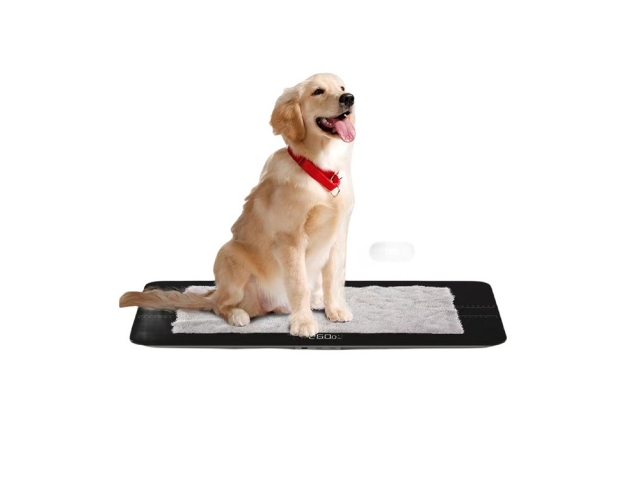
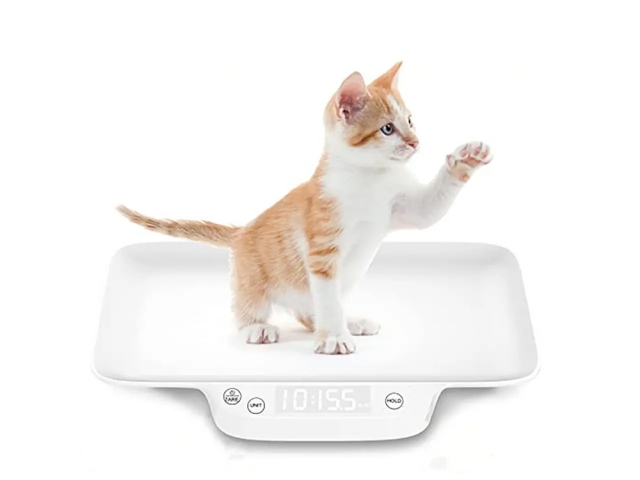
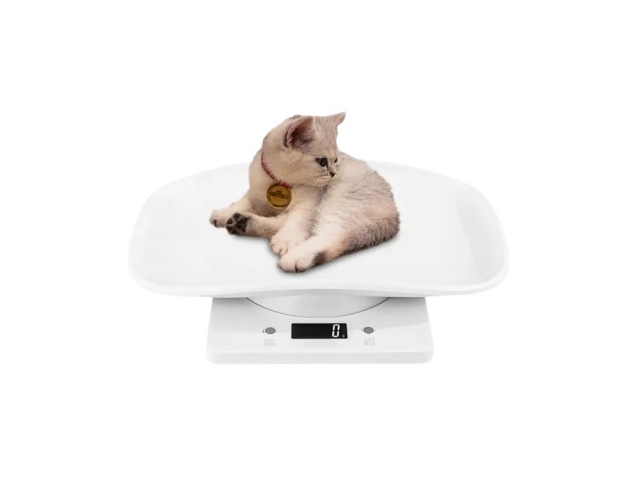
Veidt Weighing is a Pet Scale factory in china. Pets have long been cherished members of households, offering unconditional love, companionship, and even therapeutic benefits. As pet owners, our deepest desire is to ensure the well-being and longevity of these beloved creatures. While regular veterinary check-ups, balanced nutrition, and adequate exercise are widely recognized as foundational to pet health, there is one often-overlooked tool that can significantly contribute to proactive pet care: the pet scale. Far more than a simple device for measuring weight, a pet scale serves as a window into a pet’s overall health, enabling owners to detect subtle changes that may signal underlying issues, monitor growth and development, and tailor care routines to individual needs.
The significance of weight monitoring in pets cannot be overstated, as weight fluctuations—whether gains or losses—are often early indicators of health problems. Unlike humans, pets are unable to verbally communicate discomfort or illness, making it challenging for owners to detect issues until they become more severe. A sudden drop in weight, for instance, could be a sign of conditions ranging from dental pain that inhibits eating to more serious illnesses such as diabetes, kidney disease, or hyperthyroidism. Conversely, unexpected weight gain may indicate overfeeding, lack of exercise, or hormonal imbalances like hypothyroidism. For senior pets, in particular, weight changes are a common red flag; as animals age, their metabolism slows, and chronic conditions become more prevalent, making regular weight checks a critical component of geriatric care.
Puppies and kittens also benefit immensely from consistent weight monitoring. During the early stages of life, rapid and steady growth is a key indicator of proper nutrition and overall health. A failure to gain weight at an appropriate rate may signal malnutrition, parasitic infections, or congenital health issues that require immediate veterinary attention. Breeders and new pet owners alike rely on weight tracking to ensure that young animals are thriving, adjusting feeding schedules and portion sizes as needed to support healthy development. For example, small breed puppies have specific growth requirements, and deviations from expected weight milestones can alert owners to potential problems that might otherwise go unnoticed until the puppy reaches adulthood.
Beyond detecting health issues, pet scales play a vital role in managing chronic conditions. For pets with diabetes, weight management is essential to regulating blood sugar levels; excess weight can increase insulin resistance, making it more difficult to control the disease. Similarly, pets with heart disease or joint problems often require strict weight control to reduce strain on their bodies. A pet scale allows owners to track the effectiveness of dietary changes, medication, and exercise regimens, providing valuable data to share with veterinarians during check-ups. This collaborative approach to care ensures that treatment plans are adjusted promptly, improving the pet’s quality of life and reducing the risk of complications.
The utility of pet scales extends beyond traditional companion animals like dogs and cats. Small animals such as rabbits, guinea pigs, hamsters, and ferrets also benefit from regular weight checks. These creatures have high metabolisms and are prone to rapid weight loss when ill, making early detection even more crucial. For example, a rabbit with dental issues may stop eating, leading to weight loss that can quickly become life-threatening if not addressed. Reptile owners also use pet scales to monitor the health of their animals, as weight fluctuations can indicate issues with digestion, hydration, or reproductive health. Even birds, whose weight can be affected by stress, diet, or illness, benefit from periodic weigh-ins, especially since subtle changes in body condition are often hard to detect visually.
When selecting a pet scale, there are several key factors to consider to ensure that the device meets both the owner’s needs and the pet’s comfort. Accuracy is paramount; a scale that provides inconsistent or imprecise readings is of little value. Digital scales are generally preferred over analog models for their higher accuracy and ease of reading. The weight capacity of the scale is another important consideration; a scale designed for a small hamster will not be suitable for a large breed dog, and vice versa. It is advisable to choose a scale with a capacity slightly higher than the pet’s current weight to accommodate future growth or weight fluctuations.
The surface of the scale is also a critical factor in ensuring the pet’s comfort and safety. Pets may feel anxious or unstable on a slippery surface, leading to inaccurate readings or even injury. Look for scales with a non-slip platform, ideally made of a soft or textured material that provides traction. Some scales also feature raised edges to prevent the pet from falling off, which is particularly useful for small or skittish animals. Portability is another consideration for owners who travel with their pets or need to move the scale between rooms. Compact, lightweight scales are easier to store and transport, while larger, more durable scales may be better suited for permanent use in a specific area.
In addition to these practical features, some pet scales offer advanced functions that enhance the monitoring experience. For example, some digital scales can store multiple weight readings, allowing owners to track trends over time without the need for manual record-keeping. Others may include a tare function, which enables owners to weigh the pet in a carrier or blanket by subtracting the weight of the container. This is particularly useful for small or anxious pets that may not feel comfortable standing directly on the scale. Some scales also connect to smartphone apps via Bluetooth, allowing owners to sync weight data, set reminders for future weigh-ins, and even share information with their veterinarian. These technological advancements make weight monitoring more convenient and efficient, encouraging owners to maintain consistent routines.
While selecting the right scale is important, using it correctly is equally crucial to obtaining accurate readings. There are several best practices that owners should follow to ensure reliable results. First, weigh the pet at the same time each day, preferably before feeding or exercise, as food and activity can affect weight. Consistency in timing helps to eliminate variables and provides a more accurate picture of the pet’s baseline weight. Second, use the same location and conditions for each weigh-in. For example, if the pet is weighed on a hard floor in the kitchen, this should be the consistent location to avoid variations in the scale’s performance. Third, minimize distractions during the weigh-in to keep the pet calm and still. Anxious or moving pets may cause the scale to fluctuate, leading to inaccurate readings. For small pets, placing them in a familiar carrier or on a soft towel can help them feel more secure. Fourth, record each weight reading along with the date and any relevant notes, such as changes in diet, exercise, or behavior. This documentation makes it easier to identify trends and share information with the veterinarian.
It is also important for owners to understand what constitutes a normal weight for their pet, as this varies widely by species, breed, age, and individual factors. Consulting with a veterinarian is the best way to determine the ideal weight range for a specific pet. Veterinarians can provide guidance on healthy growth rates for puppies and kittens, target weights for adult pets, and appropriate weight management strategies for senior or chronically ill animals. In some cases, a veterinarian may recommend more frequent weigh-ins for pets with specific health conditions, such as obesity or diabetes. By working closely with a veterinarian, owners can ensure that their weight monitoring efforts are aligned with the pet’s overall care plan.
The act of regularly weighing a pet also has unexpected benefits for the human-animal bond. Taking the time to perform a weigh-in creates a routine of focused attention, which many pets enjoy. The gentle handling and interaction during the process can strengthen the trust between owner and pet, particularly for shy or anxious animals. For example, a cat that initially resists standing on the scale may gradually become more comfortable with the routine as it associates the experience with positive attention, such as treats or praise. Additionally, the insights gained from weight monitoring enable owners to be more attuned to their pet’s needs, fostering a deeper understanding of their health and well-being. This increased awareness allows owners to respond more quickly to changes in behavior or physical condition, demonstrating their commitment to the pet’s care.
Despite the many benefits of pet scales, there are some common misconceptions that may prevent owners from incorporating weight monitoring into their pet care routines. One of the most prevalent myths is that weight checks are only necessary during veterinary visits. While annual or bi-annual check-ups are important, they may not be frequent enough to detect subtle changes in weight that occur between appointments. A pet could lose or gain a significant amount of weight in a short period, and waiting until the next veterinary visit could delay the diagnosis and treatment of underlying health issues. Another misconception is that visual observation is sufficient to assess a pet’s weight. However, it can be difficult to detect small changes in weight, especially in pets with long fur or a naturally stocky build. A pet scale provides an objective measurement that eliminates the guesswork associated with visual assessments.
Another common mistake is assuming that pet scales are expensive or unnecessary. While some advanced models with additional features may come with a higher price tag, there are many affordable, basic scales that are suitable for most pet owners. The cost of a pet scale is minimal compared to the potential expenses associated with treating advanced health conditions that could have been detected earlier through weight monitoring. Investing in a pet scale is an investment in the pet’s health and longevity, potentially saving owners money and heartache in the long run.
In conclusion, pet scales are an invaluable tool for proactive pet care, offering a simple yet effective way to monitor a pet’s health, detect early signs of illness, and tailor care routines to individual needs. From puppies and kittens to senior pets, and from dogs and cats to small animals and reptiles, weight monitoring is relevant to all types of companion animals. By selecting the right scale, following best practices for accurate weigh-ins, and working closely with a veterinarian, owners can use pet scales to enhance their pet’s quality of life and strengthen the bond between them. In a world where pets are increasingly regarded as family members, the role of pet scales in nurturing healthy, happy companionship cannot be overstated. Whether you are a new pet owner or a seasoned caregiver, incorporating regular weight monitoring into your pet care routine is a simple step that can have a profound impact on your pet’s well-being for years to come.
Learn more about digital pet scale, dog scale, cat scale, pet weighing scale, digital dog scale, digital cat scale, portable pet scale, small pet scale, electronic pet scale, pet scale for dogs and cats, cat weighing scale, dog weighing scale, pet scale digital, puppy scale, kitten scale, precision pet scale, compact pet scale, pet scale for small animals, digital pet weighing scale, large pet scale, usb rechargeable pet scale, pet scale with lcd display, battery operated pet scale, pet scale for puppies and kittens, veterinary pet scale, pet scale accurate, pet scale for large dogs, pet scale lightweight, pet scale for rabbits, pet scale with tare function, pet scale for guinea pigs, digital puppy scale, digital kitten scale, pet scale easy to clean, pet scale non-slip, pet scale stainless steel, pet scale for home use, pet scale for veterinary clinic, multi-function pet scale, pet scale backlight display, pet scale for hamsters, small digital pet scale, pet scale for pet grooming, pet scale heavy duty, pet scale with weight tracking, pet scale for reptiles, pet scale portable lightweight, pet scale for pet hospital, pet scale memory function, pls contact us.
