






Changzhou Veidt Weighing Co., Ltd. © 2022 ALL RIGHTS RESERVED Privacy Policy | Calibration Weight | Test Weights | Cast Iron Weights | Standard Weights | Laboratory Weights | XML | SITEMAP
Product Category
Industrial Scale
Industrial scales stand as indispensable foundational equipment across all modern manufacturing, processing, logistics, and material management sectors, serving as the core medium for quantifying material weight and controlling production and operational quality. Unlike consumer-grade weighing devices designed for simple daily measurement scenarios, industrial scales are engineered to adapt to complex, high-intensity, and long-duration working environments, with core design priorities centered on operational stability, measurement consistency, environmental adaptability, and long-term service durability. In every link from raw material incoming inspection, batching and proportioning in production processes, semi-finished product quality monitoring, to finished product packaging and shipment counting, industrial scales provide accurate weight data support, effectively avoiding material waste, production parameter deviation, and operational confusion caused by inaccurate measurement. The value of industrial scales extends far beyond basic weighing functions; they are embedded nodes in industrial data collection, helping enterprises realize refined production management, standardized operational processes, and scientific cost control. With the continuous upgrading of industrial production automation and intelligent levels, industrial scale technology has also undergone iterative innovation, evolving from traditional mechanical single-function equipment to multi-functional intelligent integrated systems that can realize real-time data transmission, automatic error correction, and linkage control with production lines, becoming an essential part of modern industrial intelligent manufacturing systems.
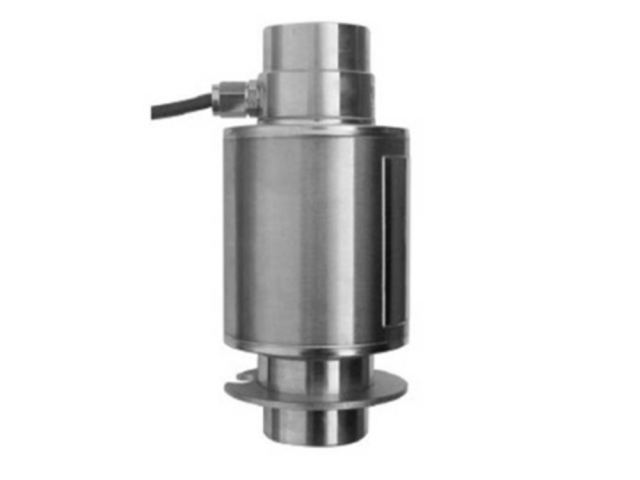
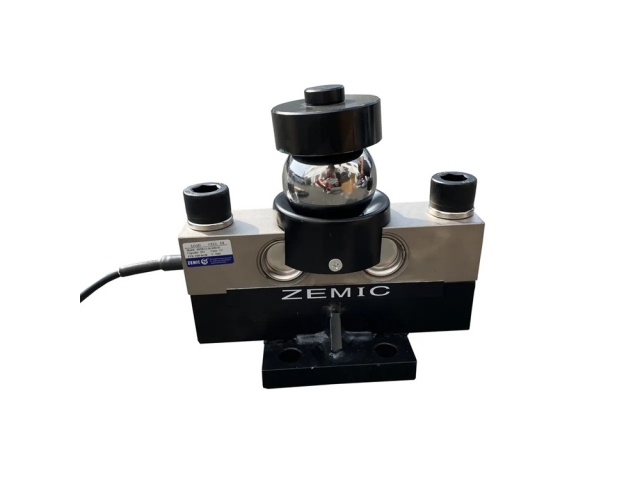
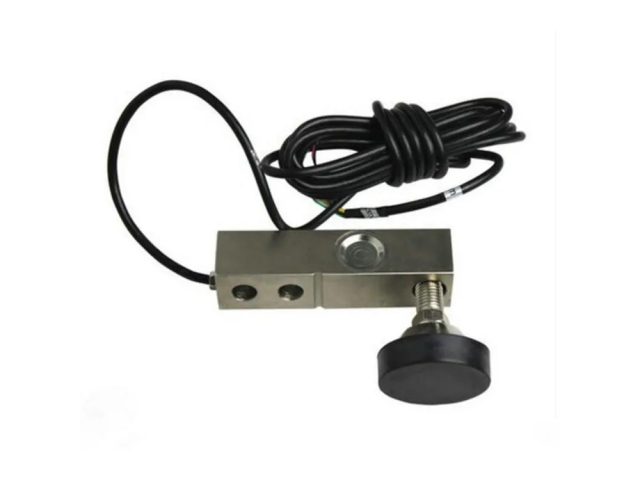
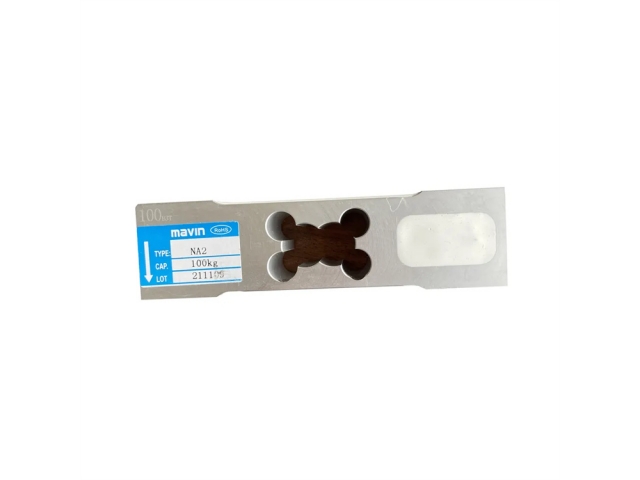
The basic working mechanism of modern industrial scales is built on mature physical sensing and electrical signal processing principles, with load cell components serving as the core functional unit of the entire weighing system. Most mainstream industrial weighing equipment adopts strain gauge type load cell structures, which rely on the elastic deformation characteristics of metal materials and the resistance change law of strain gauges to complete weight conversion and measurement. When a measured object is stably placed on the weighing platform or suspended on the weighing component, the gravity generated by the object acts on the elastic body inside the load cell, causing tiny and reversible elastic deformation of the metal structure. The strain gauges tightly attached to the elastic body will deform synchronously with the metal matrix, and their internal resistance values will change proportionally to the magnitude of the applied load. These subtle resistance changes are converted into weak analog electrical signals through a built-in bridge circuit, which are then transmitted to the subsequent signal processing module. After being amplified, filtered, noise-reduced, and temperature-compensated by professional circuit systems, the disorderly weak signals are converted into stable and recognizable digital signals, which are finally calculated and processed by the internal processor of the scale to form intuitive and accurate weight data displayed on the terminal screen. This whole signal conversion and processing process is completed in milliseconds, ensuring the real-time performance of industrial weighing while maintaining the stability of measurement results.
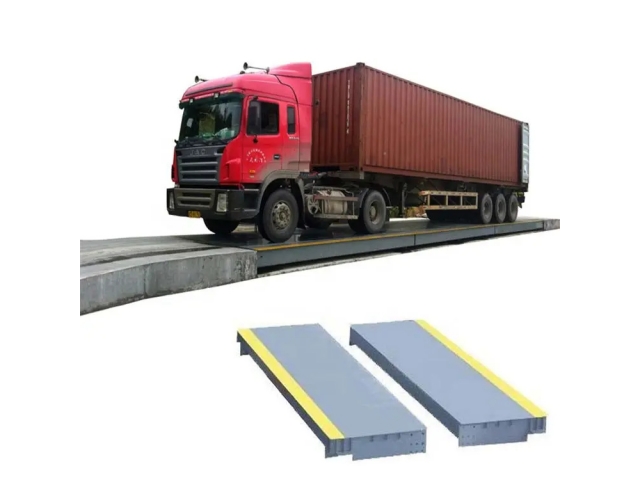
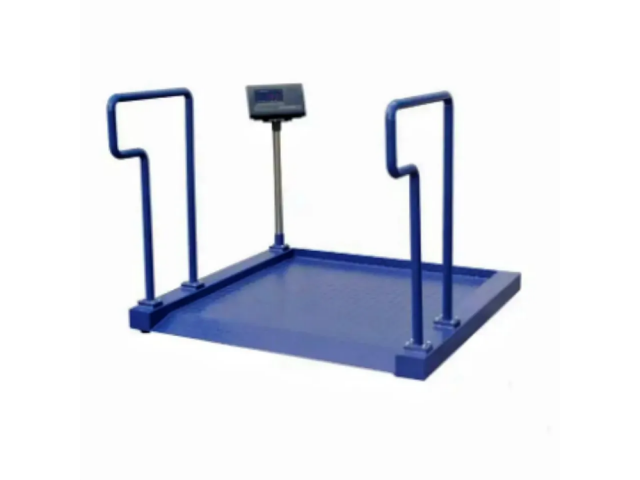
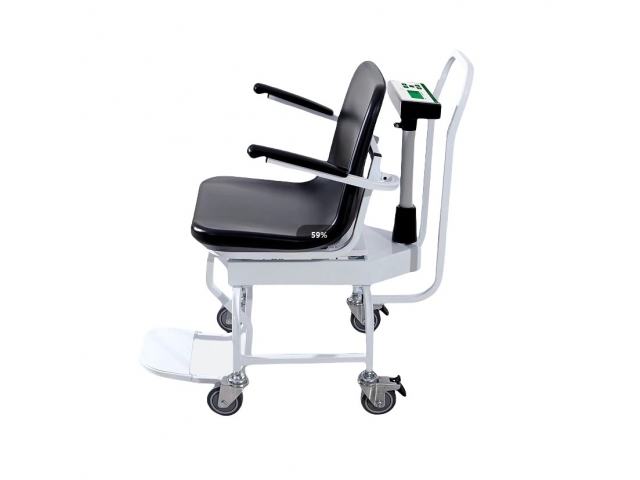
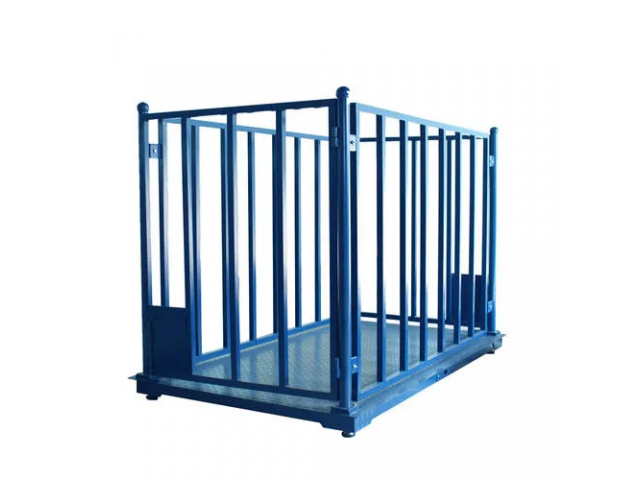
Although the core sensing principle of industrial scales tends to be unified, their structural forms and application configurations present rich diversification to adapt to different industrial measurement scenarios. Platform-type industrial scales are the most widely used conventional type, featuring flat and sturdy weighing platforms, strong bearing capacity, and simple operation, suitable for weighing bulk goods, packaged products, and conventional industrial materials in factory workshops and warehouses. Suspension-type industrial scales are designed for overhead operation scenarios, capable of completing weighing work while goods are being hoisted and transported, avoiding the secondary handling of materials and greatly improving the operational efficiency of heavy-duty material transportation and measurement. Tank and silo weighing systems are customized for bulk granular, powdery, and liquid materials, which can be installed at the bottom or support points of storage containers to realize real-time continuous monitoring of material reserves without manual sampling and weighing. In addition, there are portable industrial scales for mobile operation scenarios and ultra-high precision analytical industrial scales for fine chemical and electronic component production. Different structural designs enable industrial scales to cover measurement demands from light fine parts to heavy industrial equipment and bulk materials, realizing full-scene weight measurement coverage in industrial production.
Measurement accuracy and long-term stability are the core performance indicators that determine the practical value of industrial scales, and these two indicators are affected by multiple internal and external factors throughout the service cycle. In terms of internal factors, the material quality of the load cell elastic body, the pasting precision of strain gauges, the rationality of circuit design, and the manufacturing precision of mechanical structures all directly affect the initial measurement performance of the scale. High-quality elastic alloy materials can ensure uniform and stable deformation under load, avoiding structural fatigue and deformation deviation caused by long-term stress; precise strain gauge pasting and circuit debugging can reduce signal loss and distortion in the conversion process. In terms of external environmental factors, temperature fluctuation is one of the most prominent influencing factors. Extreme high or low temperatures will change the physical properties of metal structures and electronic components, leading to subtle changes in signal output. Vibration interference generated by workshop equipment operation, wind pressure impact in open working environments, and static electricity accumulation in dry environments will also interfere with signal transmission and data stability. In addition, long-term mechanical friction, load impact, and dust accumulation on the weighing platform will gradually cause measurement drift, which requires regular maintenance and calibration to restore accurate measurement performance.
Industrial scale calibration is a necessary technical means to maintain long-term measurement accuracy, belonging to the core link of daily equipment operation and maintenance management. Calibration essentially eliminates systematic errors generated by equipment aging, environmental changes, and mechanical wear by comparing the measured data of the scale with standard weight reference values. In the initial installation stage of industrial scales, on-site calibration must be carried out to adapt to the installation foundation, ground flatness, and on-site environmental characteristics, ensuring that the equipment can meet the measurement accuracy requirements of local working conditions. In the daily operation process, regular periodic calibration is indispensable. With the increase of service time, the internal sensing components and mechanical structures of the scale will produce subtle aging and fatigue, resulting in slow drift of measurement data. Regular calibration can timely detect and correct such drift errors, avoiding small measurement deviations accumulating into large production losses. For industrial scales working in high-frequency, high-load, and harsh environments, the calibration cycle needs to be appropriately shortened, while equipment used in stable and clean environments can adopt a relatively reasonable long-cycle calibration plan. The calibration process includes zero point calibration, full-scale calibration, and linear error correction, covering all measurement intervals of the equipment to ensure consistent accuracy in the entire weighing range.
Reasonable daily maintenance and scientific use habits are key to extending the service life of industrial scales and maintaining stable performance, forming a complete set of standardized operation specifications in industrial production management. In terms of daily cleaning, the weighing platform and sensor installation area need to be kept clean and dry for a long time. Accumulated dust, material residues, oil stains, and moisture will not only corrode the mechanical structure and electronic components but also affect the stress uniformity of the weighing platform, leading to inaccurate load transmission. It is necessary to regularly wipe the equipment surface with dry or soft damp tools, and thoroughly clean the residual materials in the gaps of the scale body to avoid long-term adhesion and corrosion. In terms of operational use, overload weighing is strictly prohibited. Each industrial scale has a fixed rated load range, and long-term overload operation will cause irreversible plastic deformation of the load cell elastic body, permanently damaging the measurement accuracy of the equipment. At the same time, sudden impact and violent placement of materials should be avoided, and materials should be placed gently and stably to ensure uniform stress on the weighing platform. In addition, the power supply environment of electronic industrial scales needs to be kept stable, and voltage fluctuation and power supply interference should be reduced to avoid abnormal signal output and data jumping.
The popularization and application of industrial scales have brought profound optimization effects on industrial production processes and cost management, helping enterprises realize refined control of production links. In the material batching link of chemical, food, building materials, and pharmaceutical industries, industrial scales provide accurate weight basis for raw material proportioning. Precise batching weight ensures the stability of product formula, effectively avoiding product quality problems such as unqualified product performance and inconsistent batch quality caused by proportion deviation. In the production and processing link, real-time weighing data can monitor the material consumption status of each production node, helping production managers accurately grasp the material utilization rate, timely discover abnormal material loss and waste links, and optimize production processes to reduce resource consumption. In the inventory management link, industrial scales realize accurate counting and statistics of incoming and outgoing materials and finished products, solving the problems of inaccurate manual measurement, low efficiency, and easy human error, making inventory data more real and reliable, and providing accurate data support for enterprise procurement planning, production scheduling, and sales arrangement.
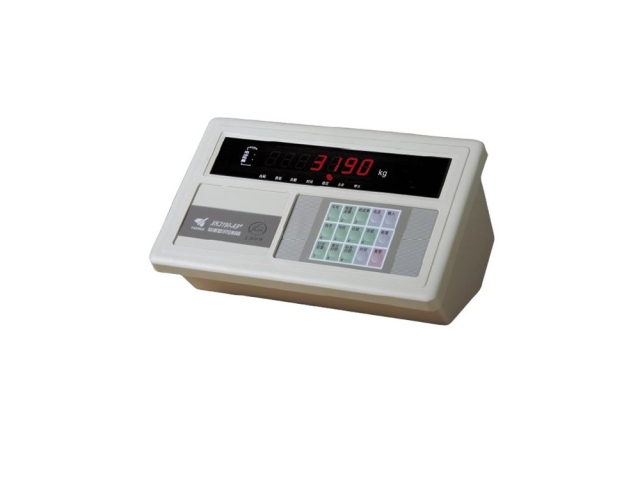
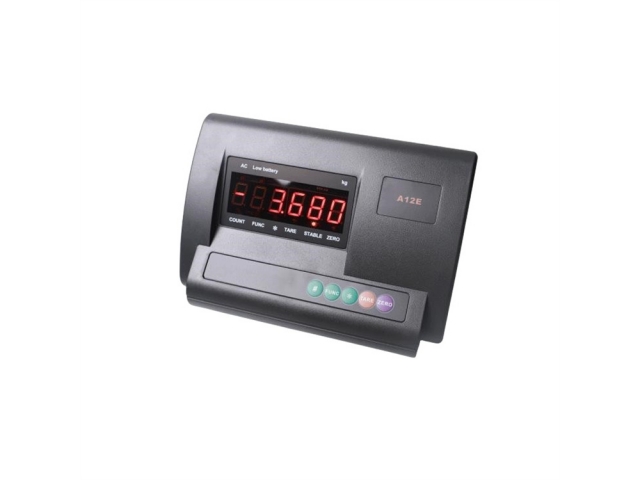
With the development of industrial intelligence technology, modern industrial scales have broken through the limitations of traditional single weighing function and realized the integrated upgrading of intelligent sensing, data processing, and network linkage. Traditional industrial scales only complete on-site weight display and manual recording, with low data utilization rate and poor timeliness, which cannot meet the needs of automated production lines. Intelligent industrial scales are equipped with built-in data transmission modules, which can upload real-time weighing data to enterprise production management systems, cloud platforms, and on-site control terminals without manual intervention, realizing automatic collection, sorting, and storage of weighing data. Some high-end intelligent models are equipped with automatic error judgment and alarm functions. When the weighing data exceeds the preset reasonable range, the system will automatically trigger an alarm prompt to remind operators to check abnormal problems such as material deviation and equipment failure in time. In addition, intelligent industrial scales can realize linkage control with feeding, packaging, and conveying equipment on the production line, automatically completing fixed-value weighing, quantitative feeding, and standard packaging operations, greatly improving the automation level of production lines and reducing manual operation errors and labor costs.
Environmental adaptability design is an important part of industrial scale research and development and manufacturing, enabling equipment to maintain stable operation in various harsh industrial scenarios. Different industrial production environments have distinct adverse interference factors: the chemical industry faces corrosive gases and liquid splashing; the food processing industry has high humidity and frequent water washing and cleaning; the mining and building materials industry has severe dust pollution and heavy vibration; the cold storage and high-temperature workshop scenarios have extreme temperature differences. For these differentiated harsh environments, industrial scales adopt targeted structural and material optimization designs. The scale body and weighing platform are made of anti-corrosion, wear-resistant, and rust-proof alloy materials, with sealed protective structures installed inside the equipment to prevent dust, moisture, and corrosive substances from invading the sensing and circuit components. The internal circuit system adopts anti-interference and shock-proof design, which can resist vibration interference of production equipment and electromagnetic signal interference of industrial sites. Special temperature compensation structures are configured for extreme temperature environments to offset the measurement deviation caused by thermal expansion and contraction of materials, ensuring that the equipment can maintain stable and accurate working performance in high humidity, high dust, high corrosion, and extreme temperature scenarios.
The selection of industrial scales needs to be based on actual application scenarios and production demands, forming a scientific and reasonable selection logic to match equipment performance with operational needs. First of all, the weighing range should be accurately matched. The maximum load of the selected scale should reserve a reasonable margin on the basis of the actual maximum weighing weight of materials, which can not only avoid equipment damage caused by accidental overload but also prevent the problem of reduced measurement accuracy caused by excessive load range mismatch. Secondly, the accuracy level should be selected according to production process requirements. Fine production links such as pharmaceutical preparation and electronic material batching require high-precision industrial scales, while heavy-duty bulk material weighing links such as mining and construction materials can adopt conventional precision equipment to balance performance and cost. In addition, the structural type and protection level of the equipment need to be matched according to the on-site environment. Closed and sealed equipment should be selected for dusty and humid environments, and suspension or through-type structural scales should be selected for assembly line and hoisting operation scenarios. Reasonable equipment selection can not only ensure the stability and accuracy of production measurement but also avoid resource waste caused by excessive equipment performance or production losses caused by insufficient performance.
In the whole life cycle of industrial scales, fault diagnosis and timely maintenance are crucial to ensure the continuous and stable operation of industrial production. Common operational faults of industrial scales include data jumping, zero drift, inaccurate weighing, no display of data, and unresponsive signal transmission. Most of these faults are caused by daily improper use, insufficient maintenance, or environmental interference. Data jumping is mostly related to unstable power supply, on-site vibration interference, loose sensor wiring, or dust and moisture in the circuit interface; long-term zero drift is generally caused by material residue on the weighing platform, aging of sensing components, or lack of regular calibration; inaccurate weighing results may be due to overload use for a long time, unbalanced platform stress, or damage to internal elastic structures. For minor faults, standardized inspection and maintenance can be used for troubleshooting, such as cleaning the platform residue, checking the wiring firmness, calibrating the zero point, and stabilizing the power supply environment. For major faults such as sensor aging and structural damage, professional technical maintenance and component replacement are required. Timely fault diagnosis and maintenance can effectively reduce equipment downtime, avoid production suspension losses caused by equipment failure, and ensure the continuity and stability of industrial production.
As the global industrial industry continues to move towards high efficiency, intelligence, and refinement, industrial scale technology will continue to iterate and upgrade, with broader application prospects and more diverse functional values. In the future, industrial scales will further integrate emerging technologies such as artificial intelligence, big data analysis, and Internet of Things sensing, realizing intelligent functions such as automatic fault prediction, adaptive environmental correction, and production data intelligent analysis. Through long-term accumulation and analysis of weighing data, industrial scales can assist enterprises in optimizing production formulas, predicting material consumption trends, and improving production efficiency and product qualification rate. At the same time, the equipment will develop towards miniaturization, high precision, strong environmental adaptability, and low energy consumption, adapting to more diversified and refined industrial production scenarios. As a basic measurement equipment running through the entire industrial production chain, industrial scales will always undertake the important task of providing accurate data support for industrial production, promoting the standardized, intelligent, and efficient development of various industrial fields, and becoming an indispensable basic guarantee for the sustainable and high-quality development of modern industry.
