





Changzhou Veidt Weighing Co., Ltd. © 2022 ALL RIGHTS RESERVED Privacy Policy | Calibration Weight | Test Weights | Cast Iron Weights | Standard Weights | Laboratory Weights | XML | SITEMAP
Product Category
Weighing Scale
Veidt Weighing is a Weighing Scale factory in china. From the bustling markets of ancient civilizations to the sleek bedrooms of modern homes, weighing scales have quietly served as essential tools for understanding and measuring the physical world. A device designed to quantify mass or weight, the weighing scale has evolved dramatically over millennia, adapting to changing technologies, cultural needs, and scientific advancements. While often taken for granted in contemporary life, its impact extends far beyond simple weight checks—shaping commerce, medicine, agriculture, and even our relationship with our own bodies.
The Historical Evolution of Weighing Scales
The origins of weighing scales can be traced back to ancient civilizations, where the need to measure goods for trade and commerce drove their invention. The earliest known scales, dating back to around 2400 BCE, were discovered in the Indus Valley Civilization, a region that spanned parts of modern-day India and Pakistan. These primitive devices consisted of two pans suspended from a beam, a design that would come to be known as the balance scale. Made from materials like stone and wood, these scales relied on the principle of equilibrium—when the weight of an object in one pan balanced the weight of known standards (such as stones or metal pieces) in the other, the mass of the object could be determined.
The balance scale quickly spread to other ancient cultures, including the Egyptians, Greeks, and Romans. The Egyptians, for instance, used balance scales to measure grain, gold, and other valuable commodities, with stone weights often carved in the shape of animals or deities. The Greeks refined the design, incorporating more precise beam structures and standardized weights, which played a crucial role in their scientific inquiries. Archimedes, the renowned Greek mathematician, made significant contributions to the understanding of buoyancy and equilibrium, principles that would later inform more advanced scale designs. The Romans, meanwhile, adopted and adapted Greek scales for use in their vast trade networks, ensuring consistent measurement across their empire—a necessity for maintaining economic stability.
During the Middle Ages, balance scales remained the primary weighing tool, with advancements focused on improving accuracy and durability. Craftsmen began using metal beams and pans, which were more resistant to wear and tear than their wooden predecessors. These scales were commonly found in marketplaces, where merchants used them to weigh food, cloth, and other goods, and in banks, where they were used to measure coins and precious metals. The concept of standardized weights became increasingly important during this period, as trade expanded across regions and countries, requiring a common language of measurement to avoid fraud and ensure fair transactions.
The Industrial Revolution marked a turning point in the evolution of weighing scales. As factories and mass production became prevalent, the need for faster, more efficient, and more accurate weighing devices grew. The balance scale, while accurate, was slow and required manual operation, making it unsuitable for the high-volume demands of industrial settings. In response, inventors began developing new types of scales, including the spring scale. Patented in the early 19th century, the spring scale relied on Hooke's Law, which states that the force required to extend or compress a spring is proportional to the distance it is stretched or compressed. By attaching a pan or platform to a spring, the scale could measure weight directly, without the need for counterweights, making it faster and easier to use.
The 20th century brought further innovations, driven by advances in electronics and materials science. The introduction of electronic scales in the mid-20th century revolutionized the field, offering unprecedented accuracy and convenience. These scales used strain gauges—sensors that convert force into an electrical signal—to measure weight. When an object is placed on the scale, the strain gauge bends, changing its electrical resistance. This change is detected by a microchip, which converts it into a digital readout. Electronic scales were not only more accurate than mechanical scales but also more versatile, capable of measuring in multiple units (grams, kilograms, pounds, ounces) and often featuring additional functions like tare (resetting the scale to zero with a container on it) and memory storage.
Today, weighing scales continue to evolve, with the integration of smart technology. Smart scales, which connect to smartphones and other devices via Bluetooth or Wi-Fi, can measure not just weight but also body composition metrics like body fat percentage, muscle mass, bone density, and water weight. These scales use bioelectrical impedance analysis (BIA), a technology that sends a weak electrical current through the body. Since different tissues (fat, muscle, bone) conduct electricity differently, the scale can estimate the proportion of each tissue in the body. This integration of technology has transformed the humble weighing scale from a simple measuring tool into a key component of personal health and fitness tracking.
Types of Weighing Scales and Their Working Principles
Weighing scales come in a wide variety of types, each designed for specific purposes and operating on different principles. Understanding the differences between these types can help users choose the right scale for their needs, whether for personal use, commercial applications, or scientific research.
1. Balance Scales
Balance scales, the oldest type of weighing scale, operate on the principle of mechanical equilibrium. A traditional balance scale consists of a rigid beam supported by a fulcrum (a pivot point) at its center. Two pans are attached to either end of the beam. To weigh an object, it is placed in one pan, and known weights are added to the other pan until the beam is level, indicating that the weight of the object equals the sum of the known weights. Balance scales are highly accurate, making them ideal for applications where precision is critical, such as in laboratories or jewelry stores. However, they are relatively slow to use and require careful handling of counterweights.
Modern variations of the balance scale include the analytical balance, which is used in scientific laboratories to measure very small masses (down to 0.1 milligrams or less). Analytical balances are enclosed in a glass case to protect them from air currents and dust, which can affect accuracy. They also feature a tare function, allowing users to subtract the weight of a container from the total weight of the container and its contents.
2. Spring Scales
Spring scales operate based on Hooke's Law, which describes the relationship between the force applied to a spring and its deformation. The basic design of a spring scale includes a coiled spring attached to a hook or pan at one end and a fixed point at the other. When an object is hung from the hook or placed on the pan, the weight of the object stretches or compresses the spring. The amount of deformation is proportional to the weight of the object, and this deformation is converted into a weight reading using a pointer and a calibrated scale.
Spring scales are simple, lightweight, and affordable, making them popular for everyday use. They are commonly found in kitchens (for weighing ingredients), bathrooms (for personal weight checks), and warehouses (for weighing packages). However, they are less accurate than balance scales, and the spring can lose elasticity over time, leading to inaccurate readings. They also measure weight (the force exerted by gravity on an object) rather than mass, which means their readings can vary depending on the gravitational pull (e.g., they would give different readings on Earth and the Moon).
3. Electronic Scales
Electronic scales are the most common type of scale used today, thanks to their accuracy, convenience, and versatility. They operate using strain gauges or load cells, which are sensors that convert mechanical force (weight) into an electrical signal. A load cell typically consists of a metal beam with strain gauges attached to it. When an object is placed on the scale, the beam bends slightly, causing the strain gauges to stretch or compress. This changes the electrical resistance of the strain gauges, which is measured by a Wheatstone bridge (a circuit that detects changes in resistance). The electrical signal is then sent to a microprocessor, which converts it into a digital weight reading and displays it on a screen.
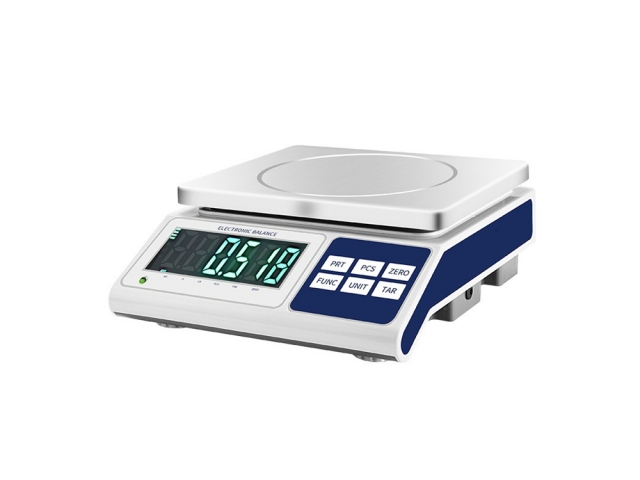
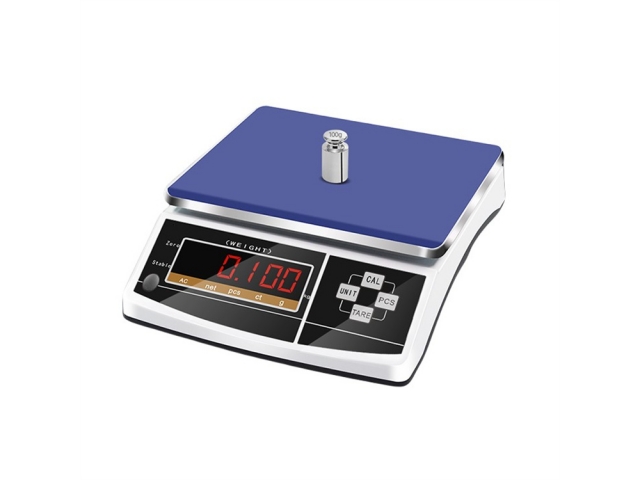
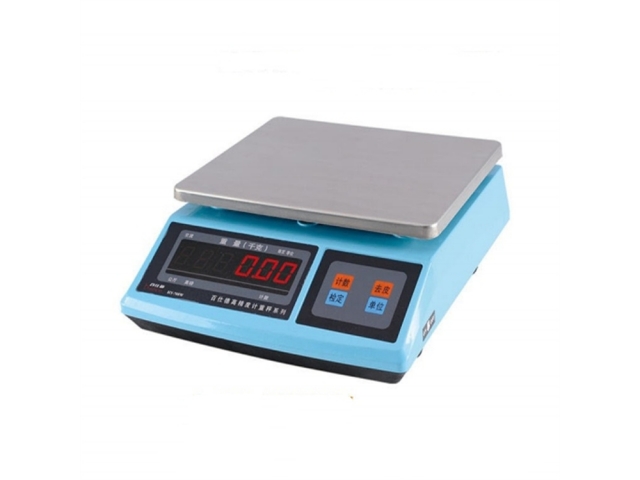
Electronic scales come in many forms, including digital kitchen scales, bathroom scales, postal scales, and industrial scales. They offer several advantages over mechanical scales, including higher accuracy, faster readings, the ability to measure in multiple units, and additional features like tare, memory, and low-battery indicators. Some electronic scales also have a backlit display, making them easy to read in low-light conditions.
4. Smart Scales
Smart scales are a modern variation of electronic scales that integrate wireless technology (Bluetooth or Wi-Fi) and advanced sensors to provide more detailed information than just weight. In addition to measuring weight, smart scales use bioelectrical impedance analysis (BIA) to estimate body composition metrics. BIA works by sending a weak, harmless electrical current through the body. Since fat tissue is a poor conductor of electricity (because it contains little water) and muscle tissue is a good conductor (because it contains a lot of water), the scale can measure the resistance of the current as it passes through the body. Using this resistance data, along with other information like height, age, and gender, the scale can calculate estimates of body fat percentage, muscle mass, bone mass, water weight, and even basal metabolic rate (BMR).
Smart scales sync their data with a smartphone app, allowing users to track their progress over time, set goals, and share data with healthcare providers or fitness coaches. They are particularly popular among people who are trying to lose weight, build muscle, or improve their overall health. However, it is important to note that BIA measurements are estimates, not precise measurements, and they can be affected by factors like hydration levels, meal timing, and exercise.
5. Industrial Scales
Industrial scales are designed to handle large, heavy objects, such as pallets, vehicles, and raw materials. They come in several types, including platform scales, floor scales, and truck scales. Platform scales have a flat platform on which the object is placed, and they use multiple load cells to distribute the weight evenly. Floor scales are similar to platform scales but are designed to be installed flush with the floor, making it easy to roll heavy objects onto them using forklifts. Truck scales are large scales that are built into the ground, allowing entire trucks (including their cargo) to be weighed.
Industrial scales are highly durable and accurate, even under heavy loads. They often feature digital displays and can be connected to computers or inventory management systems to track the weight of materials and products. They are used in a variety of industries, including manufacturing, agriculture, logistics, and mining.
The Multifaceted Applications of Weighing Scales
Weighing scales are used in nearly every aspect of human activity, from the most mundane daily tasks to complex scientific and industrial processes. Their versatility and accuracy make them indispensable tools in a wide range of fields.
1. Personal Health and Fitness
One of the most common uses of weighing scales is for personal weight management and fitness tracking. Bathroom scales, whether mechanical or electronic, allow individuals to monitor their weight regularly, which can be an important part of maintaining a healthy lifestyle. For people trying to lose weight, gain weight, or maintain a stable weight, tracking weight over time can provide valuable feedback on the effectiveness of diet and exercise programs.
Smart scales take personal health tracking a step further by providing body composition data. This information can help users understand their body better—for example, a person may not lose weight but may gain muscle and lose fat, which is a positive change that a traditional scale would not capture. Fitness enthusiasts, athletes, and people with chronic conditions (like diabetes or heart disease) often use smart scales to monitor their progress and make informed decisions about their health.
2. Food and Cooking
In the kitchen, weighing scales are essential tools for accurate measurement of ingredients. Baking, in particular, requires precise measurements of flour, sugar, butter, and other ingredients to ensure that the final product turns out correctly. Using volume measurements (like cups or tablespoons) can be inaccurate, as the density of ingredients can vary (e.g., a cup of packed flour weighs more than a cup of loose flour). Weighing ingredients ensures consistency, which is especially important for professional bakers and anyone who enjoys baking at home.
Kitchen scales are also useful for portion control, helping people manage their calorie intake by measuring the weight of food servings. In addition, they are used in restaurants and catering businesses to ensure that each dish is prepared with the correct amount of ingredients, maintaining quality and reducing waste.
3. Commerce and Trade
Weighing scales have been a cornerstone of commerce since ancient times. In markets and grocery stores, scales are used to weigh fresh produce, meat, fish, and other goods that are sold by weight. This ensures that customers pay a fair price based on the actual weight of the product. In retail stores, postal scales are used to weigh packages and determine shipping costs, while in warehouses and distribution centers, scales are used to weigh incoming and outgoing shipments to track inventory and ensure accurate billing.
In international trade, standardized weighing scales are essential to ensure that goods are measured consistently across different countries. This helps prevent fraud and disputes between buyers and sellers. For example, in the agriculture industry, farmers use scales to weigh their crops before selling them to buyers, and exporters use scales to ensure that their shipments meet the weight requirements of international shipping regulations.
4. Medicine and Healthcare
In the field of medicine, weighing scales play a critical role in diagnosis, treatment, and patient care. Doctors and nurses regularly weigh patients to monitor their health—for example, sudden weight gain may indicate fluid retention (a sign of heart or kidney problems), while sudden weight loss may be a symptom of conditions like diabetes, thyroid disease, or cancer. Weight is also an important factor in determining medication dosages, as many drugs are prescribed based on a patient's weight.
In hospitals and clinics, specialized scales are used for different types of patients, such as pediatric scales (for infants and children), wheelchair scales (for patients who cannot stand), and bed scales (for patients who are bedridden). Laboratory scales are used in medical labs to weigh samples of blood, urine, and other bodily fluids for testing. These scales are highly accurate, as even small variations in sample weight can affect the results of medical tests.
5. Science and Research
In scientific research, weighing scales are essential tools for conducting experiments and collecting data. Analytical balances, which can measure masses with extremely high precision, are used in chemistry labs to weigh chemicals and reagents. This precision is critical for ensuring that chemical reactions proceed as expected and that the results of experiments are accurate and reproducible.
In physics labs, scales are used to study the properties of matter, such as density and mass. In biology labs, they are used to weigh organisms (from tiny insects to large animals) and samples of tissue and cells. Weighing scales are also used in environmental science to measure the weight of soil samples, water samples, and air particles, helping researchers study pollution and climate change.
6. Agriculture and Farming
In agriculture, weighing scales are used throughout the farming process, from planting to harvesting and selling. Farmers use scales to weigh seeds before planting, ensuring that they use the correct amount of seed per acre. During harvesting, scales are used to weigh crops like grain, fruit, and vegetables, helping farmers track their yield and determine their profits. Livestock farmers use scales to weigh animals, monitoring their growth and health. Weighing animals also helps farmers determine when to send them to market and how much to feed them.
In addition, scales are used in the transportation of agricultural products, ensuring that trucks and trains are not overloaded and that the products are delivered in the correct quantities. They are also used in agricultural processing facilities, where crops are weighed before being processed into food products like flour, sugar, and oil.
Tips for Using Weighing Scales Effectively
To get the most accurate and reliable readings from a weighing scale, it is important to use it correctly. Here are some tips for using different types of scales effectively:
1. For Personal Bathroom Scales
- Place the scale on a hard, flat surface: Using the scale on a soft surface (like carpet) can affect accuracy, as the surface may compress under the weight of the user. Hardwood floors, tile, or concrete are ideal.
- Weigh yourself at the same time each day: Weight can fluctuate throughout the day due to factors like food intake, hydration, and exercise. Weighing yourself first thing in the morning, before eating or drinking, will give you the most consistent readings.
- Stand still and balanced: When weighing yourself, stand with your feet shoulder-width apart and your weight evenly distributed between both feet. Avoid moving or leaning on anything, as this can affect the reading.
- Calibrate the scale regularly: Many electronic scales have a calibration function that allows you to reset the scale to zero. Calibrating the scale periodically (following the manufacturer's instructions) will ensure that it remains accurate.
2. For Kitchen Scales
- Tare the scale before use: If you are weighing ingredients in a bowl or container, place the empty container on the scale and press the tare button to reset the scale to zero. This will ensure that only the weight of the ingredients is measured.
- Use the correct unit of measurement: Most kitchen scales allow you to switch between grams, kilograms, pounds, and ounces. Make sure you are using the unit specified in the recipe to avoid measurement errors.
- Clean the scale regularly: Food particles and spills can accumulate on the scale, affecting its accuracy. Clean the scale with a damp cloth after each use, and avoid getting water inside the scale (if it is not waterproof).
3. For Industrial and Commercial Scales
- Follow the weight limit: Each scale has a maximum weight capacity, and exceeding this limit can damage the scale and lead to inaccurate readings. Make sure you know the weight limit of the scale before using it.
- Calibrate the scale regularly: Industrial scales are often used in harsh environments, which can affect their accuracy. Calibrate the scale according to the manufacturer's recommendations, and keep a record of calibration dates.
- Ensure proper installation: Industrial scales (like floor scales and truck scales) need to be installed correctly to ensure accuracy. Follow the installation instructions provided by the manufacturer, and make sure the scale is level and stable.
The Future of Weighing Scales
As technology continues to advance, the future of weighing scales looks promising, with new innovations likely to enhance their accuracy, functionality, and integration with other technologies. One area of development is the improvement of body composition analysis in smart scales. Researchers are working on developing more accurate BIA technology that can provide more detailed and reliable information about body composition, including the distribution of fat and muscle.
Another trend is the integration of artificial intelligence (AI) and machine learning into smart scales. AI-powered scales could analyze user data over time, identify patterns, and provide personalized health recommendations. For example, the scale could detect changes in weight or body composition that may indicate health issues and alert the user to consult a healthcare provider. It could also integrate with other health devices (like fitness trackers, blood pressure monitors, and glucose meters) to provide a comprehensive view of the user's health.
In industrial settings, the future of weighing scales lies in the development of more durable, efficient, and connected scales. Industrial scales may soon be equipped with sensors that can detect not just weight but also other properties of the object being weighed, such as temperature, humidity, and chemical composition. These smart industrial scales could be integrated into the Internet of Things (IoT) networks, allowing for real-time monitoring and data analysis, which can improve efficiency and reduce waste in manufacturing and logistics.
In addition, there is growing interest in developing environmentally friendly weighing scales. Manufacturers are exploring the use of sustainable materials (like recycled plastic and bamboo) in the production of scales, as well as designing scales that are more energy-efficient. Solar-powered scales, for example, could be used in remote areas where access to electricity is limited, making weighing possible in regions where it was previously not feasible.
Conclusion
Weighing scales have come a long way from the simple balance scales of ancient civilizations to the smart, connected scales of today. Their evolution is a testament to human ingenuity and the ongoing need to measure and understand the world around us. Whether used for personal health tracking, cooking, commerce, medicine, or industrial processes, weighing scales play an essential role in our daily lives and in the global economy.
As technology continues to advance, weighing scales will undoubtedly become even more accurate, versatile, and integrated into our lives. However, their core purpose—providing reliable measurements that help us make informed decisions—will remain unchanged. From the smallest kitchen scale to the largest industrial scale, these devices are a reminder of the importance of precision and consistency in our world. So the next time you step on a bathroom scale, weigh a bag of flour, or purchase a pound of fruit at the market, take a moment to appreciate the long and fascinating history of the weighing scale, a tool that has quietly shaped human civilization for millennia.
Learn more about digital weighing scale, electronic weighing scale, portable weighing scale, precision weighing scale, commercial weighing scale, industrial weighing scale, kitchen weighing scale, bathroom weighing scale, weighing scale digital, high precision weighing scale, platform weighing scale, bench weighing scale, weighing scale for home use, heavy duty weighing scale, small weighing scale, weighing scale with lcd display, weighing scale for industrial use, weighing scale for commercial use, usb rechargeable weighing scale, battery operated weighing scale, weighing scale for kitchen, weighing scale for body weight, weighing scale stainless steel, weighing scale with tare function, waterproof weighing scale, weighing scale for shipping, weighing scale for luggage, weighing scale for pets, weighing scale for baby, weighing scale for retail, weighing scale for warehouse, weighing scale with printer, weighing scale backlight display, weighing scale accurate, weighing scale for parts counting, weighing scale for postal use, weighing scale compact, weighing scale lightweight, weighing scale for food, weighing scale for grocery store, weighing scale multi-functional, weighing scale for laboratory, weighing scale anti-slip, weighing scale for logistics, weighing scale easy to clean, weighing scale for farming, weighing scale with bluetooth, weighing scale for construction, weighing scale durable, pls contact us.
