





Changzhou Veidt Weighing Co., Ltd. © 2022 ALL RIGHTS RESERVED Privacy Policy | Calibration Weight | Test Weights | Cast Iron Weights | Standard Weights | Laboratory Weights | XML | SITEMAP
Product Category
Tea Scale
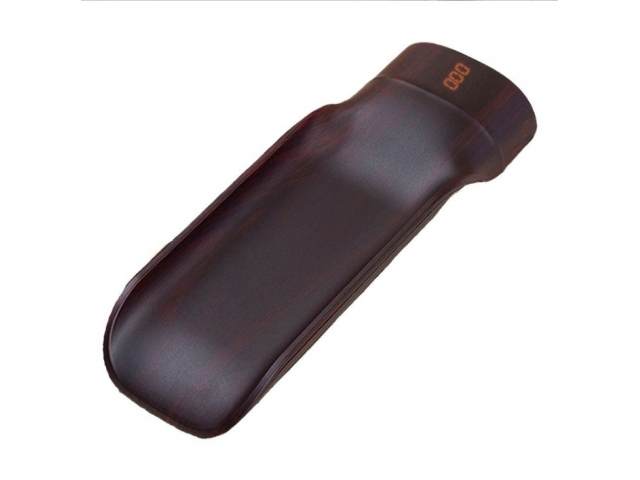
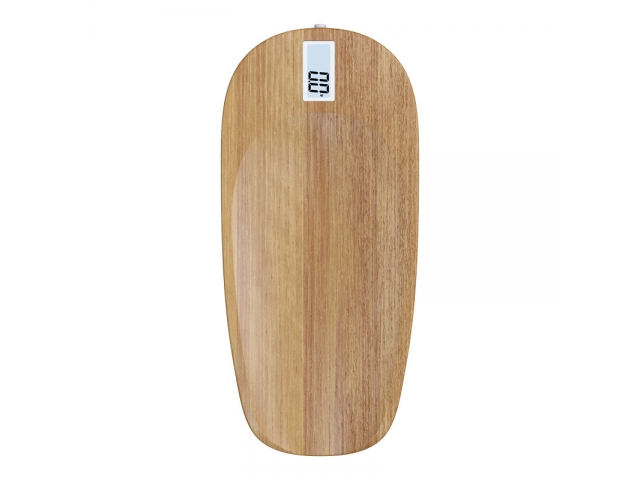
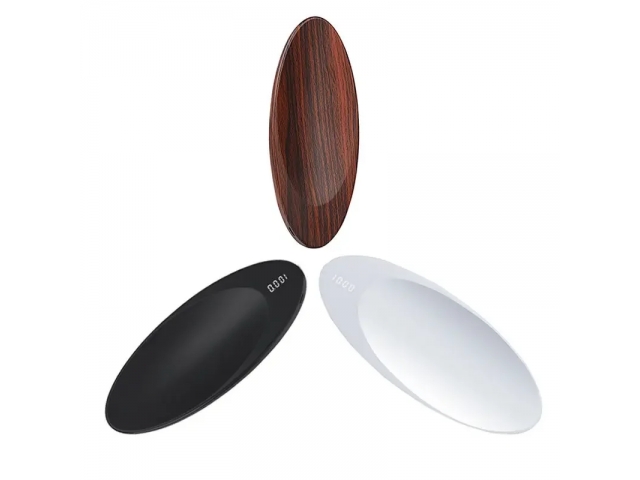
Veidt Weighing is a Tea Scale factory in china. In the intricate world of tea culture, where every step of the brewing process is a deliberate act of reverence for the leaf, the tea scale emerges as a quiet yet vital companion. More than a mere measuring device, it is the bridge between tradition and precision, ensuring that the unique flavors, aromas, and nuances of different tea varieties are fully unlocked. From the serene tea ceremonies of East Asia to the cozy tea corners of Western homes, the tea scale has become an indispensable tool for tea enthusiasts and connoisseurs alike, transforming the act of brewing from a matter of intuition to a harmonious blend of art and science. As global appreciation for fine tea grows, the role of the tea scale in preserving the integrity of tea culture while adapting to modern brewing practices becomes increasingly prominent. Exploring the significance, functionality, types, applications, and evolution of tea scales reveals how this humble tool safeguards the essence of tea and enhances the brewing experience for all.
The roots of the tea scale are deeply intertwined with the history of tea culture, which dates back over 5,000 years to ancient China. From the earliest days of tea consumption, when tea leaves were boiled in water as a medicinal beverage, to the elaborate tea ceremonies of the Tang and Song dynasties, precision in tea preparation has been valued. However, early measurements were often based on visual estimation or simple utensils like spoons and bowls, which varied in size and capacity. As tea culture evolved and spread to Japan, Korea, and other parts of the world, the demand for consistent, accurate measurement grew. In traditional tea ceremonies, such as Japan’s Chanoyu (tea ceremony) or China’s Gongfu tea, the ratio of tea leaves to water is sacred, as even a small deviation can alter the flavor profile of the brew. It was this reverence for consistency that laid the groundwork for the development of specialized tea scales.
Unlike coffee brewing, which focuses heavily on the golden ratio of grounds to water, tea brewing is a more nuanced practice, with ideal ratios varying widely depending on the tea variety, leaf form (whole leaf, broken, or powdered), and brewing method. For example, a delicate green tea like Longjing requires a lighter ratio of 1 gram of tea to 50 milliliters of water, while a robust black tea like Assam may need a ratio of 1 gram to 30 milliliters. Pu’er tea, which is often aged and compressed, requires precise measurement to balance its earthy, complex flavors. Without accurate measurement, brewers risk over-steeping (leading to a bitter, astringent cup) or under-steeping (resulting in a weak, flavorless brew). The tea scale eliminates this guesswork, allowing brewers to replicate the perfect ratio every time, ensuring that the tea’s true character shines through.
The design and functionality of tea scales are tailored to the unique needs of tea brewing, setting them apart from general-purpose kitchen scales or even coffee scales. Tea scales are engineered to measure small quantities of tea leaves with exceptional precision—often in increments of 0.1 grams—since many brewing methods require just 2–5 grams of leaves per serving. They also need to accommodate a variety of brewing vessels, from small Gongfu tea pots to larger teacups and teapots, so they typically feature a compact, low-profile platform that can fit easily on a tea tray. Many tea scales also include a timer function, which is critical for monitoring steeping time—a variable that, alongside tea-to-water ratio, is essential for achieving the perfect brew. The display of a tea scale is usually large and easy to read, even in dimly lit rooms or when viewed from a seated position during a tea ceremony.
The working principle of tea scales is similar to that of other electronic precision scales, but with modifications to suit the delicate nature of tea measurement. Most modern tea scales use strain gauge sensors, which convert the mechanical force exerted by the tea leaves (or the tea vessel and water) into an electrical signal. This signal is processed by a microchip, which calculates the weight and displays it on a digital screen. To ensure accuracy, tea scales are calibrated to handle small weights with minimal margin of error. The timer function, often integrated into the scale’s circuitry, can be started manually when water is poured over the leaves, allowing brewers to track steeping time with precision. Some advanced tea scales also feature a tare function, which allows users to zero out the weight of the brewing vessel, making it easy to measure just the tea leaves or the water added.
Tea scales come in a variety of types, each designed to cater to different brewing styles, user preferences, and settings. The primary categories include manual tea scales, professional tea scales, and smart tea scales, each with distinct features and benefits.
Manual tea scales are the most basic and affordable type, offering essential features like weight measurement (in grams and ounces) and a built-in timer. They are typically battery-powered, compact, and lightweight, making them ideal for home tea enthusiasts who are just beginning to explore the art of precise brewing. These scales are simple to use: place the tea vessel on the platform, tare the weight, add the tea leaves until the desired weight is displayed, and then use the timer to monitor steeping time. Manual tea scales are also portable, making them suitable for travel or taking to tea tastings.
Professional tea scales are designed for use in tea houses, specialty tea shops, and by serious tea connoisseurs who demand the highest level of precision and durability. They often feature a higher weight capacity (up to 1000 grams) to accommodate larger brewing vessels, and their sensors are calibrated to measure even the smallest increments (0.01 grams in some cases). Professional scales are built with robust materials, such as stainless steel or aluminum, to withstand frequent use, and many have a waterproof or water-resistant platform to handle spills—an inevitable part of tea brewing. Some professional models also include features like a detachable display for easy viewing, auto-tare, and memory functions to store frequently used tea-to-water ratios.
Smart tea scales represent the intersection of traditional tea culture and modern technology, offering advanced features that enhance the brewing experience. These scales can connect to smartphones or tablets via Bluetooth or Wi-Fi, allowing users to sync their brewing data to tea-specific apps. The apps can store brewing recipes for different tea varieties, track steeping times and ratios, and provide real-time guidance for beginners. For example, a smart tea scale might alert a user when the ideal amount of tea leaves has been added, or notify them when it’s time to pour the brew to avoid over-steeping. Some smart scales also offer integration with other tea accessories, such as electric kettles, which can sync with the scale to adjust water temperature based on the type of tea being brewed. Smart tea scales are particularly popular among tech-savvy tea enthusiasts who want to combine the ritual of tea brewing with the convenience of digital tools.
The applications of tea scales span both traditional and modern brewing environments, each with unique requirements. In traditional tea ceremonies, such as Gongfu tea (a Chinese tea brewing method that emphasizes small batches and multiple infusions) or Chanoyu, precision is paramount. Every aspect of the brewing process—from the amount of tea leaves to the temperature of the water and the length of each steep—is carefully controlled, and the tea scale ensures that these parameters are consistent. In Gongfu tea, for example, brewers typically use 3–5 grams of tea leaves for a 100-milliliter teapot, and the tea scale allows them to measure this exact amount, ensuring that each infusion is balanced and flavorful. The consistency provided by the tea scale is also essential for tea tastings, where participants need to compare different teas under the same brewing conditions to evaluate their flavor profiles accurately.
In modern home brewing, tea scales empower enthusiasts to recreate the authentic flavors of fine teas in their own kitchens. Many home brewers are drawn to international tea varieties, such as Japanese matcha, Taiwanese oolong, or Indian chai, each of which requires specific brewing parameters. A tea scale makes it easy to follow these parameters, even for beginners. For example, brewing matcha requires a precise amount of powder (typically 2 grams) and water (60–80 milliliters) to achieve the perfect consistency and flavor. Without a scale, measuring matcha by volume can be inaccurate, leading to a lumpy or bitter brew. Tea scales also allow home brewers to experiment with different ratios and steeping times, tailoring their brews to their personal taste preferences. For example, a user might adjust the ratio of black tea to water to make a stronger cup in the morning or a lighter cup in the afternoon.
Tea scales also play a vital role in the tea industry, particularly in tea production and quality control. Tea producers use scales to measure small batches of tea leaves during processing, ensuring that each batch meets the desired quality standards. For example, during the sorting process, scales help separate tea leaves by weight, as larger, heavier leaves are often considered higher quality. Tea retailers also use scales to measure tea for customers, ensuring that they receive the exact amount they purchase. In specialty tea shops, where customers often buy small quantities of high-quality tea, accurate measurement is essential for maintaining customer trust and ensuring fair pricing.
Beyond their practical applications, tea scales contribute to the preservation and promotion of tea culture. In a world where fast-paced lifestyles often lead to rushed, low-quality tea consumption, the tea scale encourages mindfulness and intentionality. By requiring brewers to measure ingredients precisely, it slows down the brewing process, allowing users to connect more deeply with the tea and the ritual of brewing. This mindfulness is at the heart of traditional tea culture, which views tea brewing as a meditative practice that promotes calm and reflection. Tea scales also make traditional tea brewing more accessible to a global audience, as they provide a clear, objective way to learn and replicate traditional techniques.
The evolution of tea scales has been shaped by advancements in technology and the changing needs of tea enthusiasts. Early tea scales were simple mechanical devices, such as balance scales made of wood or metal, which required separate weights to measure tea leaves. These scales were used primarily in traditional tea ceremonies and were often handcrafted, reflecting the artisanal nature of tea culture. The introduction of electronic scales in the 20th century revolutionized tea measurement, offering greater accuracy and convenience. Electronic tea scales eliminated the need for separate weights and introduced features like digital displays and timers, making them more user-friendly.
In recent years, the integration of smart technology has been the most significant trend in tea scale evolution. Smart scales have made precision brewing more accessible to beginners and have added a new layer of interactivity to the tea brewing experience. Many smart tea apps also include educational content, such as information about different tea varieties, brewing techniques, and tea culture, helping to spread knowledge and appreciation for tea around the world. Another trend in tea scale design is the incorporation of traditional materials and aesthetics, such as bamboo platforms or wooden handles, which blend modern functionality with the timeless beauty of traditional tea accessories.
Sustainability is also becoming an important consideration in tea scale design. As the tea industry focuses more on environmental responsibility—from sustainable tea farming to eco-friendly packaging—manufacturers are developing tea scales made from recycled or renewable materials. Many modern tea scales also feature energy-efficient designs, such as auto-off functions to save battery life and rechargeable batteries to reduce waste from disposable batteries. These sustainable features align with the values of many tea enthusiasts, who view tea culture as inherently connected to nature and environmental stewardship.
Despite their many benefits, tea scales face several challenges to widespread adoption. One of the main barriers is the perception that they are unnecessary for casual tea drinkers. Many people who enjoy tea as a daily beverage view precise measurement as overly complicated, preferring to use a spoon or eyeball the amount of tea leaves. However, as more people discover the difference that precision makes in the flavor of their tea, this barrier is gradually fading. Manufacturers are also working to make tea scales more user-friendly, with intuitive controls and clear instructions that make them easy to use even for beginners.
Another challenge is the cost of high-quality tea scales. Professional and smart tea scales can be relatively expensive, which may deter some home brewers. However, there are now many affordable manual tea scales available that offer good precision and essential features, making them accessible to a wider audience. Additionally, many tea enthusiasts view a tea scale as a long-term investment, as it enhances the quality of their tea brewing experience and allows them to get the most out of every bag of tea.
The future of tea scales looks promising, with ongoing innovations focused on improving precision, functionality, and user experience. One area of development is the integration of artificial intelligence (AI) and machine learning, which could enable tea scales to learn a user’s taste preferences and automatically adjust brewing parameters. For example, an AI-powered smart scale might analyze a user’s brewing history and recommend adjustments to the tea-to-water ratio or steeping time to create a more personalized brew. This level of customization would further enhance the connection between brewers and their tea.
Miniaturization is another emerging trend, with manufacturers developing smaller, more portable tea scales that are ideal for travel or small living spaces. These compact scales retain the precision of larger models but are easy to store and transport, allowing tea enthusiasts to enjoy high-quality brews wherever they go. Some portable tea scales are also designed to be waterproof, making them suitable for outdoor activities like camping or picnics.
The integration of advanced sensors is also on the horizon, with tea scales potentially able to measure additional variables like tea leaf moisture content or water hardness. These measurements could provide brewers with even more insights into the brewing process, allowing them to make more informed adjustments. For example, a scale that measures water hardness could recommend adjusting the tea-to-water ratio to compensate for mineral-rich water, which can affect the flavor of the brew.
The cultural impact of tea scales extends beyond the tea community, reflecting a broader global trend toward mindfulness and intentional consumption. In a world dominated by fast food and instant beverages, the act of brewing tea with a scale encourages people to slow down and savor the moment. Tea scales also serve as a bridge between different cultures, as they make traditional tea brewing techniques accessible to people around the world, fostering cross-cultural understanding and appreciation. Whether used in a traditional tea ceremony in Kyoto or a modern apartment in New York, the tea scale embodies the universal value of precision, respect, and enjoyment of the simple things in life.
In conclusion, tea scales are more than just measuring tools—they are guardians of tea culture, ensuring that the rich traditions and unique flavors of tea are preserved and celebrated. Their ability to provide precision, consistency, and control has revolutionized the way we brew and enjoy tea, making authentic, high-quality brews accessible to everyone from casual enthusiasts to professional connoisseurs. As technology continues to advance, tea scales will evolve to meet the changing needs of tea lovers, combining modern functionality with the timeless elegance of tea culture. Whether you are a seasoned tea connoisseur or just beginning your tea journey, a tea scale is a tool that can deepen your connection to tea, enhance your brewing skills, and transform every cup into a memorable experience. In the world of tea, where every leaf tells a story, the tea scale ensures that this story is told with clarity, precision, and reverence.
Learn more about digital tea scale, tea weighing scale, digital tea weighing scale, tea scale with timer, precision tea scale, small tea scale, mini tea scale, portable tea scale, electronic tea scale, tea scale gram, tea scale for loose tea, compact tea scale, high precision tea scale, tea scale for home use, digital mini tea scale, tea scale stainless steel, tea scale battery operated, usb rechargeable tea scale, tea scale accurate, tea scale for tea ceremony, tea scale lcd display, tea scale for brewing tea, tea scale lightweight, tea scale easy to clean, tea scale with tare function, loose tea weighing scale, digital tea scale with timer, tea scale for grams, traditional tea scale, tea scale multifunctional, small digital tea scale, tea scale for tea leaves, tea scale for gongfu tea, tea scale non-slip, tea scale for kitchen, tea scale backlight display, tea scale for travel, tea scale professional, digital tea scale stainless steel, tea scale for precise measuring, tea scale for home brewing, tea scale with auto shut off, tea scale for tea making, electronic tea weighing scale, tea scale compact design, tea scale for loose leaf tea, digital tea scale accurate, tea scale for tea lovers, tea scale gram and ounce, pls contact us.
