





Changzhou Veidt Weighing Co., Ltd. © 2022 ALL RIGHTS RESERVED Privacy Policy
Product Category
Cast Iron Weights
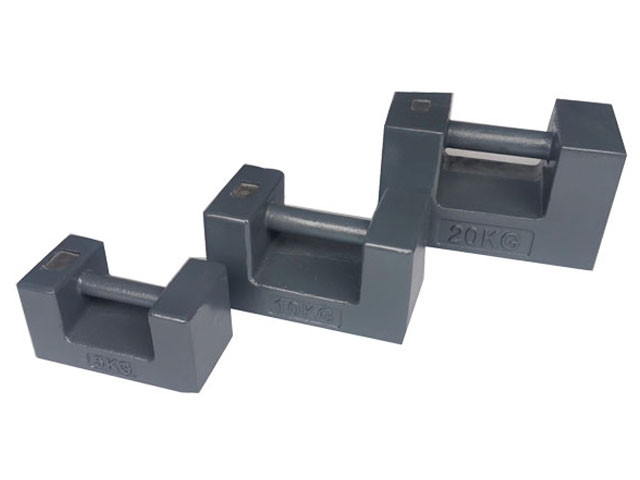
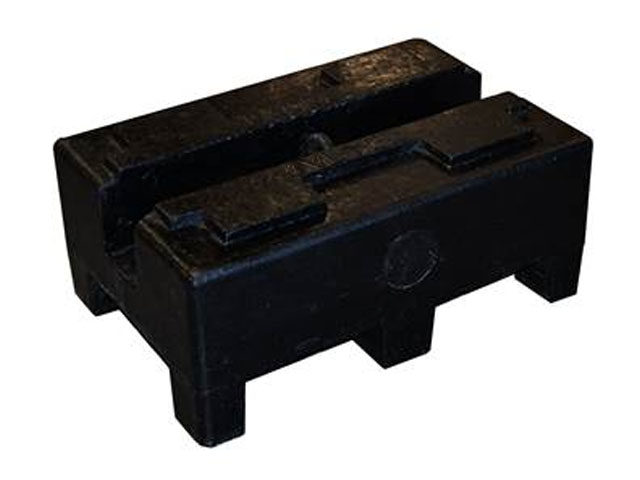
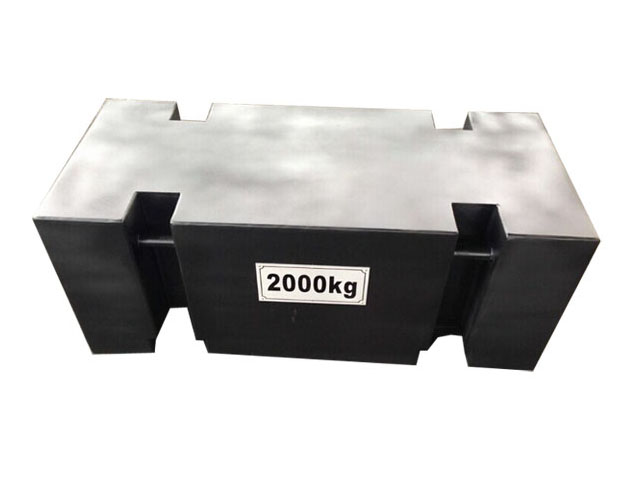
Veidt Weighing is a cast iron weight factory in china, cast iron weights are a traditional measuring tool mainly used for calibration, inspection, and verification of various weighing equipment. As a standard instrument for quality transmission, cast iron weights play an important role in industrial production, commercial trade, laboratory research, and other fields.
Characteristics of cast iron weights
- Material characteristics: Made of high-quality gray cast iron or ductile iron, with high density and stability
- Strong durability: The surface is usually treated with rust prevention, resulting in a long service life
- High cost-effectiveness: Compared to stainless steel weights, cast iron weights are more cost-effective
- Complete specifications: ranging from 1kg to 5000kg, meeting the needs of different occasions
Manufacturing process of cast iron weights
- Raw material selection: Select high-purity pig iron and strictly control the content of elements such as carbon, silicon, manganese, etc
- Casting process: sand casting or precision casting is used to ensure that the internal structure of the weight is dense
- Mechanical processing: Precision machining is performed on the cast blank to ensure precise geometric dimensions
- Surface treatment: sandblasting, spraying or electroplating treatment to improve rust prevention performance
- Metrological verification: verified by a professional metrology institution and issued with a verification certificate
Classification of cast iron weights
According to accuracy level:
- F1 level: High precision level
- F2 level: medium precision level
- M1 level: ordinary level
Classified by shape:
- Cylindrical cast iron weight
- Rectangular cast iron weight
- Lock shaped cast iron weight
- Increased weight cast iron weight
Application fields of cast iron weights
- Industrial weighing: used for calibration of large weighing equipment such as floor scales and truck scales
- Laboratory application: Used in laboratories that require a large number of process weights
- Teaching Demonstration: Demonstrating the Concept of Quality in Physics Teaching
- Quality Inspection: Measurement Standards of Product Quality Inspection Department
- Trade settlement: Calibration of measuring instruments by market supervision and management departments
Precautions for use
- Before use, the surface of the weight should be checked for rust and damage
- Special tools should be used during transportation to avoid direct hand contact
- The storage environment should be kept dry and ventilated to prevent moisture
- Regular inspection to ensure measurement accuracy
- Different levels of weights should be stored separately to avoid confusion
Maintenance and upkeep
- Regularly clean the surface of dust and dirt
- Slight rust can be lightly sanded with fine sandpaper and then reapplied with anti rust oil
- When not in use for a long time, rust proof oil should be applied and covered with a dust cover
- Check the status of the weights every six months
As a traditional measuring tool, cast iron weights still play an important role in modern measurement systems due to their stability, reliability, and economy, and are indispensable basic measuring instruments.
Cast iron weight stands as one of the most reliable and widely used mass standards and counterweight solutions across countless industries and everyday practical applications, a staple that has endured for centuries thanks to its unique material properties and functional design. Unlike lighter, more fragile alternative materials, cast iron offers a consistent density and robust physical structure that makes it ideal for creating stable, long-lasting weights that hold their form and mass integrity over extended periods of use. This material is not pure iron but an alloy rich in iron with a controlled carbon content, typically falling within a specific range that enhances its castability, hardness, and resistance to compression, key traits that set it apart from other metals used for weight-making purposes. The production of cast iron weights relies on time-tested casting techniques that have been refined over generations, allowing manufacturers to shape the alloy into various sizes and configurations to suit diverse needs, from small handheld weights for basic measurement tasks to large, heavy-duty blocks used in heavy industrial machinery and large-scale calibration work. Every step of the production process is focused on achieving uniform density throughout the finished weight, as consistency in mass distribution is critical to ensuring accurate performance, whether the weight is used for calibrating measuring equipment, balancing mechanical systems, or serving as a fixed counterweight in structural and operational setups.
The core material properties of cast iron that make it perfect for weight production begin with its high compressive strength, a quality that allows these weights to withstand heavy pressure and repeated use without bending, warping, or cracking. In industrial settings where weights are often stacked, lifted, or subjected to constant physical stress, this resistance to deformation is invaluable; unlike softer metals that may lose their shape or mass over time, cast iron maintains its original dimensions and weight stability, even in demanding working conditions. Additionally, cast iron has a relatively high density, meaning it can provide substantial mass in a compact, manageable size, making it efficient for storage and transportation compared to less dense materials that would require much larger volumes to achieve the same weight. This density consistency is carefully maintained during production, with molten cast iron poured into precision-crafted molds to ensure no internal voids, air bubbles, or uneven material distribution compromise the weight’s accuracy. While cast iron is known for its hardness and durability, it is also designed to be resistant to general wear and tear, with a solid surface that can withstand minor bumps, scrapes, and exposure to everyday industrial debris without significant damage that would alter its mass. Another key advantage of cast iron for weight production is its thermal stability; it expands and contracts minimally with moderate temperature changes, a crucial feature for weights used in environments where temperature fluctuations are common, as this prevents shifts in mass that could affect measurement accuracy or counterbalance performance.
The manufacturing process of cast iron weights is a meticulous blend of traditional craftsmanship and modern quality control, designed to deliver consistent, reliable results without relying on complex or overly specialized equipment. It starts with the careful preparation of raw materials, where high-quality iron and controlled amounts of carbon and other trace elements are mixed to create the ideal alloy composition for casting. This mixture is melted down in specialized furnaces at high temperatures until it reaches a fully liquid state, ensuring all components blend evenly and any impurities are removed to maintain material purity. Once molten, the alloy is poured slowly and steadily into preformed molds, which are crafted to match the desired shape and size of the finished weight—common shapes include solid cylinders, rectangular blocks, and ergonomically designed forms with built-in handles or lifting points for easier handling, especially for larger weights. The molds are designed to allow the molten iron to cool evenly, preventing rapid temperature changes that could cause internal stress, cracks, or uneven density. After cooling and solidifying, the newly formed cast iron weights are removed from the molds and undergo a series of finishing processes to refine their surface and structure. Excess material, such as casting sprue or rough edges, is trimmed away, and the surface is smoothed through grinding or sanding to create a uniform, even finish. Most cast iron weights also receive a protective surface treatment to guard against corrosion, as raw cast iron is susceptible to rust when exposed to moisture or humid conditions; this treatment typically involves a durable coating or paint that seals the surface without adding significant mass, ensuring the weight’s accuracy remains intact while extending its usable life.
Once finished, cast iron weights find their way into an incredibly diverse range of applications, spanning industrial, commercial, educational, and even residential settings, each leveraging the material’s core strengths for specific functional needs. In industrial and manufacturing environments, these weights are indispensable for calibrating various types of weighing equipment, from small bench scales used in production lines to large floor scales and vehicle scales used for weighing heavy cargo and machinery. Calibration is a routine and essential task in these settings, as accurate weight measurements are critical for quality control, inventory management, and fair trade practices, and cast iron weights provide a cost-effective, stable reference point for these calibrations. Beyond calibration, cast iron weights serve as vital counterweights in a wide array of mechanical systems, including elevators, cranes, conveyor belts, and industrial machinery, where they help balance moving parts, stabilize equipment during operation, and prevent tipping or uneven movement. In these heavy-duty applications, the durability and high mass of cast iron make it far more practical than lighter materials, as it can provide the necessary counterbalance without requiring an excessive number of units or overly large components. In agricultural settings, cast iron weights are used to balance farming equipment, add traction to heavy machinery, and calibrate scales used for weighing crops, feed, and supplies, standing up to the harsh, outdoor conditions of farms and rural workspaces with ease.
In commercial and logistical operations, cast iron weights play a key role in maintaining accurate weighing systems for shipping, warehousing, and retail, where consistent weight measurements directly impact operational efficiency and customer trust. Smaller cast iron weights are often used in retail environments for manual weighing tasks, while larger units are employed in warehouses and distribution centers to calibrate high-capacity weighing equipment. Educational institutions also rely heavily on cast iron weights as teaching tools, using them in science and physics classes to demonstrate principles of mass, weight, balance, and gravity. These weights are sturdy enough to withstand frequent handling by students, making them a practical choice for classroom experiments and hands-on learning activities that introduce basic measurement concepts. Even in residential and hobbyist spaces, cast iron weights have practical uses, such as stabilizing furniture, weighing down outdoor items to prevent movement in windy conditions, or serving as part of fitness and strength-training equipment. Their versatility stems from their no-fuss design and reliable performance, as they require minimal maintenance and can adapt to nearly any setting where a stable, fixed mass is needed.
Proper care and maintenance are essential to preserving the performance and lifespan of cast iron weights, even though they are built to be durable and low-maintenance. The primary concern for maintaining these weights is preventing corrosion, as moisture, humidity, and exposure to harsh chemicals can cause rust to form on the surface, which can gradually alter the weight’s mass and compromise its structural integrity. To avoid this, cast iron weights should be stored in dry, well-ventilated areas away from direct contact with water, damp soil, or corrosive substances. Regular cleaning is simple and straightforward: after use, any dust, dirt, or debris can be wiped away with a dry, soft cloth, and any minor moisture can be dried immediately to prevent rust from developing. For weights used in outdoor or high-humidity environments, periodic reapplication of a protective coating or light layer of corrosion-resistant oil can help maintain the surface barrier against moisture, though care must be taken to avoid adding excess material that could change the weight’s mass. It is also important to handle cast iron weights with care to avoid sharp impacts or heavy drops that could cause chips, cracks, or structural damage; while cast iron is strong, severe physical trauma can compromise its density and shape, leading to inaccuracies. Larger cast iron weights should be lifted and moved using appropriate tools or equipment, such as lifting hooks or hand trucks, to prevent injury and avoid unnecessary stress on the weight itself. Regular visual inspections are recommended to check for signs of wear, corrosion, or damage, addressing any minor issues early to prevent them from worsening and affecting the weight’s performance.
One of the most notable benefits of cast iron weights is their long-term cost-effectiveness and sustainability, making them a practical choice for businesses and users looking for reliable, long-lasting tools. Unlike disposable or short-lived weight solutions, cast iron weights can last for decades with proper care, reducing the need for frequent replacements and minimizing waste. The material is also fully recyclable, meaning that at the end of their usable life, old or damaged cast iron weights can be melted down and recast into new products, closing the recycling loop and reducing the environmental impact. This sustainability factor, combined with their low maintenance requirements and durable construction, makes cast iron weights a more eco-friendly option compared to many synthetic or non-recyclable weight materials. Additionally, the production process for cast iron weights is relatively efficient, with minimal material waste during manufacturing, as leftover cast iron can be recycled back into the melting process for future production runs. Unlike more expensive or specialized weight materials, cast iron offers a balance of performance and affordability that makes it accessible to a wide range of users, from small businesses and schools to large industrial facilities and logistics companies, without sacrificing quality or reliability.
When comparing cast iron weights to other types of weights made from materials like steel, aluminum, or plastic, the unique advantages of cast iron become even more apparent. Aluminum and plastic weights are lighter and more portable, but they lack the density and durability of cast iron, requiring larger sizes to achieve the same mass and being more prone to damage and wear over time. Steel weights offer similar strength to cast iron, but they are often more difficult to cast into complex shapes and may be less cost-effective for large-scale production. Cast iron strikes a perfect balance between density, durability, castability, and affordability, making it the preferred choice for applications where a stable, heavy, and long-lasting weight is needed. It does not warp under moderate pressure, does not lose its mass easily through wear, and can withstand the test of time in both indoor and outdoor settings. While it may not be the lightest option available, its weight-bearing capabilities and stability make it irreplaceable in many professional and practical scenarios where performance takes priority over portability.
The design of cast iron weights has evolved over time to better meet the needs of modern users, while still retaining the core functional principles that have made them popular for so long. Modern cast iron weights often feature ergonomic enhancements, such as rounded edges to prevent injury during handling, built-in handles or lifting points for easier transport, and stackable designs for efficient storage. These design tweaks do not alter the fundamental material properties or mass accuracy of the weights but improve their usability and practicality in daily use. Manufacturers also produce cast iron weights in a wide range of mass increments, from small units suitable for precise, light-duty tasks to massive blocks designed for heavy industrial counterweight and calibration needs, ensuring there is a cast iron weight suitable for nearly every application. This wide range of sizes and configurations allows users to select the exact weight they need for their specific task, whether it is calibrating a small laboratory scale, balancing a large industrial crane, or setting up a classroom physics demonstration.
In conclusion, cast iron weight remains an essential and timeless tool in modern industry, commerce, education, and daily life, valued for its unbeatable combination of durability, stability, density, and practicality. Its enduring popularity is a testament to the effectiveness of cast iron as a material for weight production, as it continues to outperform many newer, more trendy materials in real-world applications. From the careful casting process that ensures uniform density and structural integrity to the wide array of uses across different sectors, every aspect of cast iron weights is designed with functionality and reliability in mind. With proper maintenance, these weights can serve users faithfully for generations, providing consistent, accurate mass measurements and reliable counterbalance support whenever needed. As industries continue to evolve and new technologies emerge, the demand for dependable, low-maintenance, and sustainable weight solutions like cast iron weights remains strong, solidifying their place as a staple in professional and practical settings worldwide. Unlike temporary or specialized alternatives, cast iron weights offer a straightforward, effective solution that stands the test of time, proving that sometimes the most reliable tools are those rooted in proven materials and time-honored craftsmanship.
