





Changzhou Veidt Weighing Co., Ltd. © 2022 ALL RIGHTS RESERVED Privacy Policy | Calibration Weight | Test Weights | Cast Iron Weights | Standard Weights | Laboratory Weights | XML | SITEMAP
Product Category
Kitchen Scale
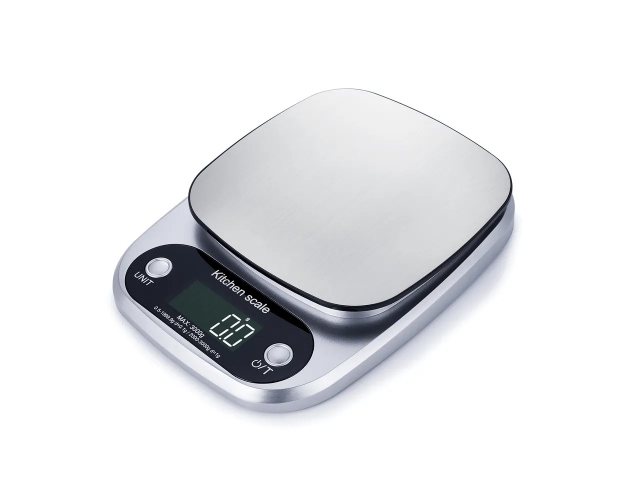
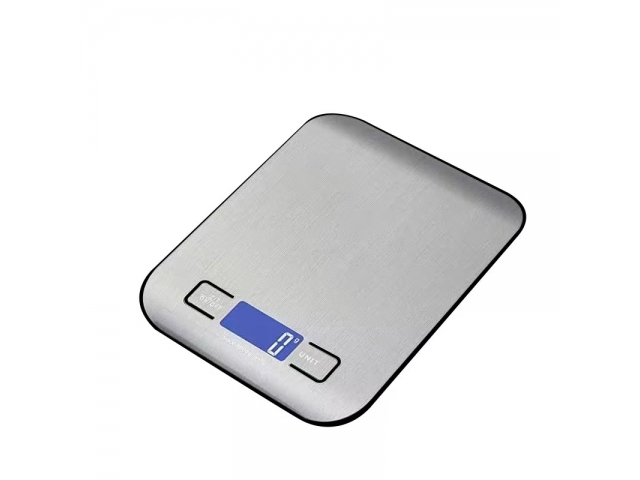
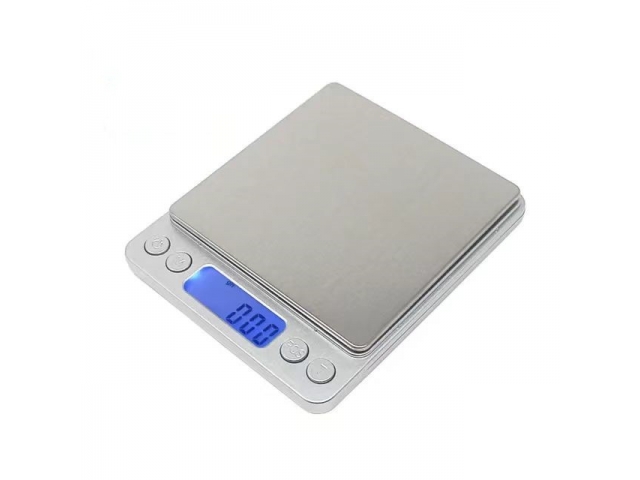
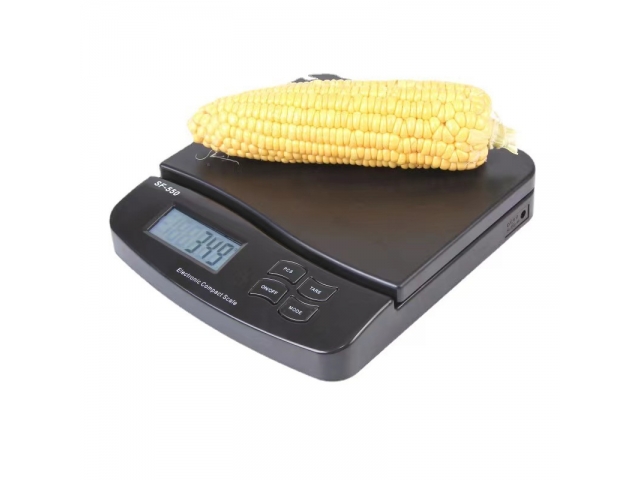
In the quiet rhythm of everyday domestic life, few household tools embody the intersection of simplicity and functionality as profoundly as the kitchen scale. Often overlooked amid more visually striking kitchen appliances and gadgets, this compact device stands as an unsung foundation of reliable food preparation, transforming casual guesswork into intentional, precise practice. For generations, home cooks and culinary enthusiasts have relied on intuitive estimation and volumetric measuring tools to portion ingredients, yet these traditional methods carry inherent inconsistencies that subtly alter the quality, texture, and flavor of every dish they touch. A kitchen scale redefines this dynamic by grounding food preparation in measurable consistency, turning the variable art of cooking into a practice that balances creative intuition with scientific accuracy. It is not merely a tool for professional culinary experts or dedicated baking enthusiasts, but an essential accessory for anyone who seeks to elevate their daily meals, reduce unnecessary waste, and build sustainable, mindful cooking habits. Even for those who consider themselves casual home cooks, the integration of a kitchen scale into routine meal preparation creates a subtle but profound shift in how ingredients are perceived, handled, and combined, fostering a deeper understanding of food composition and culinary balance that volumetric measuring can never fully cultivate.
The core advantage that distinguishes weight measurement from traditional volumetric measurement lies in its immunity to the physical variables that skew cup and spoon-based portioning. Dry ingredients such as fine flour, powdered sugar, cocoa powder, and ground spices are highly susceptible to variations in packing density, settling, and ambient humidity, all of which alter the volume of a fixed weight of product. A loosely scooped cup of all-purpose flour contains far less material than a tightly packed or compressed cup, creating discrepancies that can range from minor flavor inconsistencies to catastrophic failures in structured baked goods. Humid kitchen air causes fine powders to clump and expand, while dry air compacts them further, making volumetric measurements unreliable across different days, seasons, and kitchen environments. Liquid ingredients, too, present subtle volumetric challenges, as surface tension, meniscus formation, and slight variations in pouring speed can lead to inconsistent volume readings. Weight measurement eliminates all these variables entirely, capturing the exact mass of every ingredient regardless of texture, environmental conditions, or individual handling technique. This fundamental reliability is the reason why consistent culinary results, whether in delicate pastries, hearty breads, or balanced savory dishes, begin with the precise measurements only a kitchen scale can provide.
Baking, more than any other culinary discipline, demonstrates the irreplaceable value of a kitchen scale, as it operates less as creative art and more as calibrated science where every ingredient serves a specific structural and chemical purpose. Each component in a baked good interacts with others through precise chemical reactions: flour provides structural protein networks, sugar regulates moisture and caramelization, fat tenderizes texture, and leavening agents create the air pockets that produce light, fluffy crumb structures. Even a marginal excess or deficit of a single ingredient can disrupt these delicate reactions entirely, resulting in dense cakes, flat cookies, brittle pastries, or overly chewy bread loaves. Volumetric measuring amplifies these risks exponentially, as the common variance in scooping techniques can create ingredient discrepancies large enough to ruin hours of preparation. With a kitchen scale, bakers can replicate recipe results flawlessly every single time, recreating the exact texture, rise, flavor profile, and structural integrity of their favorite baked goods without trial and error. This consistency also empowers bakers to experiment confidently, as precise baseline measurements allow them to isolate variables and understand exactly how adjusting one ingredient impacts the final product, fostering genuine skill growth rather than relying on random luck or vague culinary intuition.
Beyond the specialized realm of baking, kitchen scales elevate everyday savory cooking by bringing intentional balance to dishes that are often dismissed as flexible and forgiving. Many home cooks assume that stir-fries, stews, sauces, and roasted vegetable dishes do not require precise measurement, leading to habitual overuse of seasonings, oils, and thickeners that disrupt flavor harmony and create unnecessary dietary imbalance. A pinch of salt, a drizzle of oil, and a handful of herbs are subjective terms that vary drastically from person to person, resulting in inconsistent dish flavor from one cooking session to the next. By weighing seasonings, cooking fats, fresh herbs, and aromatic ingredients, home cooks achieve consistent flavor depth and balance in every savory meal, ensuring that sauces maintain ideal thicknesses, marinades retain perfect flavor ratios, and seasoned dishes avoid the common pitfalls of over-salting, excessive greasiness, or under-seasoning. This precision also refines the subtle nuances of complex savory recipes, such as layered curries, slow-simmered broths, and compound sauces, where incremental ingredient ratios build layered, sophisticated flavors that cannot be achieved through guesswork alone.
Portion management stands as one of the most practical and transformative benefits of regular kitchen scale use, supporting mindful eating, balanced dietary habits, and sustainable food consumption for all household members. In an era where oversized portions and imprecise serving estimates contribute to unintended overconsumption and inconsistent nutrient intake, a kitchen scale provides objective, reliable serving measurements that align with intentional dietary goals. Whether individuals aim to maintain steady energy levels, balance macronutrient intake, or simply avoid food waste by serving appropriate meal sizes, weight-based portioning eliminates the subjective visual estimates that often lead to oversized or inadequate servings. For families preparing shared meals, consistent portioning ensures equitable serving sizes for every member, preventing uneven distribution of proteins, grains, and vegetables while eliminating the common issue of leftover food that spoils unused. This practice of measured portioning also builds long-term food awareness, training users to recognize standard serving sizes visually over time and fostering a more intuitive, mindful relationship with food that extends far beyond the kitchen counter.
Recipe scaling and adaptation becomes infinitely more accessible and accurate with the assistance of a kitchen scale, removing the frustrating limitations of volumetric measurement when adjusting batch sizes for different household needs. Many traditional recipes are written for fixed serving sizes, forcing home cooks to rely on complicated volumetric math or rough estimation when halving, doubling, or tripling batches for gatherings, meal prep, or long-term food storage. Volumetric conversions are prone to compounded error, as small measurement inaccuracies multiply exponentially with each adjustment to batch size. Weight-based measurement, by contrast, relies on straightforward arithmetic that maintains perfect ingredient ratio balance regardless of batch scale. Scaling a large batch of cookie dough for a neighborhood gathering or a small test portion of a new sauce recipe becomes a seamless process with zero loss of structural or flavor integrity. This flexibility also allows cooks to adapt international recipes seamlessly, as weight-based measurements transcend regional volumetric conventions, eliminating the need for confusing conversion charts and ensuring authentic, consistent results from global culinary traditions.
Sustainable cooking and reduced food waste are indirect yet powerful outcomes of consistent kitchen scale use, aligning everyday culinary practice with environmentally conscious household habits. A significant portion of domestic food waste stems from over-preparation, excess ingredient portioning, and inaccurate measuring that leaves unused ingredients leftover or renders entire dishes unpalatable and unsalvageable. When cooks measure ingredients precisely by weight, they use only the exact amount required for each recipe, eliminating the habitual over-scooping of dry goods, over-pouring of liquids, and excess addition of seasonings that accumulate as waste over time. Precisely portioned ingredients also produce perfectly balanced dishes that are far more enjoyable to eat, reducing the likelihood of leftover meals being discarded due to blandness, oversalting, or textural flaws caused by measurement error. Additionally, accurate ingredient weighing supports efficient bulk ingredient usage, allowing users to portion large bags of grains, flours, and legumes into precise single-recipe servings for meal prep, maximizing the lifespan of pantry staples and minimizing spoilage from improper portioning or overuse.
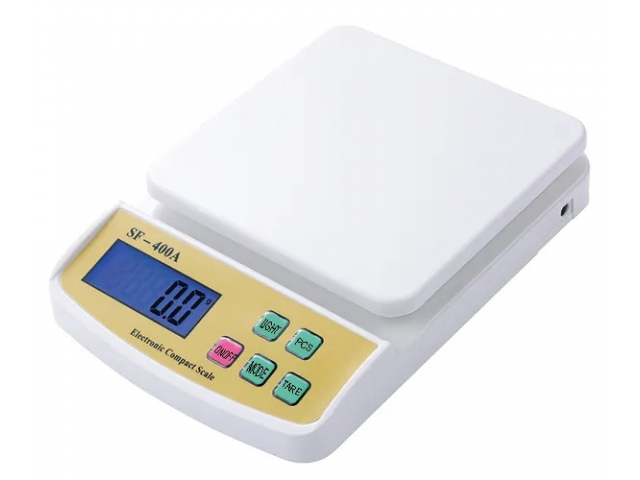
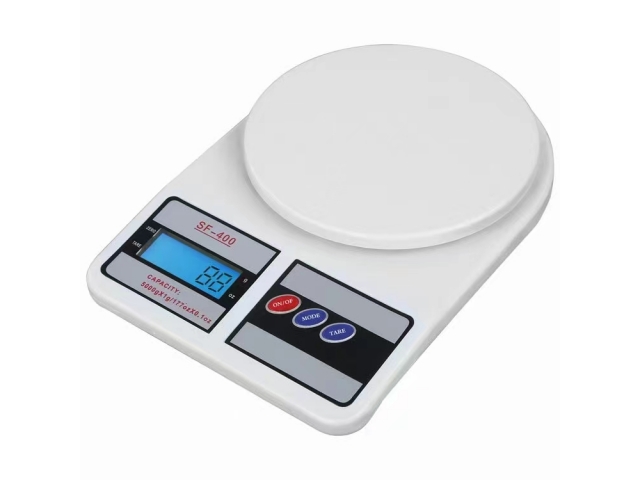
Modern kitchen scale designs prioritize intuitive usability and versatile functionality, making precision measurement accessible to cooks of all skill levels without adding complexity to routine kitchen workflows. Most contemporary models feature lightweight, compact construction that occupies minimal counter or storage space, fitting easily into crowded kitchen drawers alongside traditional measuring tools without requiring dedicated storage real estate. User-friendly tare functionality represents one of the most valuable design features, allowing cooks to place mixing bowls, measuring containers, or cooking vessels directly on the scale and reset the display to zero, subtracting the container weight to measure only the ingredient itself. This eliminates the tedious process of pre-measuring empty container weights, calculating net ingredient mass manually, and transferring ingredients between multiple vessels, streamlining prep work and reducing cleanup effort. Many scales also support multi-unit measurement display, accommodating diverse cooking preferences and recipe formats while maintaining consistent precision across all ingredient types, from ultra-fine spice powders to heavy liquid volumes and dense solid foods.
The precision capabilities of standard kitchen scales elevate the quality of specialty culinary practices that demand meticulous ingredient balance, including craft beverage brewing, homemade confectionery creation, and artisanal preserved food making. Coffee and tea brewing, for example, relies entirely on precise ratios of solid grounds to water to achieve optimal flavor extraction; even minor deviations in ground coffee weight drastically alter brew strength, bitterness, and aroma. A kitchen scale ensures consistent brew ratios every time, producing uniformly flavorful beverages that outperform guesswork-based brewing methods. Confectionery work, including candy making, caramel preparation, and chocolate tempering, depends on exact sugar, fat, and liquid ratios to achieve proper crystallization, texture, and stability, with tiny measurement errors capable of ruining entire batches of delicate sweets. Home preservation methods such as jam making, pickling, and fermenting also rely on precise ingredient balances to ensure flavor consistency and proper preservation, as inaccurate sweetener or acid ratios can compromise both taste and shelf stability of preserved foods.
Learning and growing as a home cook is significantly accelerated by regular kitchen scale use, as precise measurements turn abstract culinary principles into tangible, repeatable knowledge. Many new cooks struggle to understand why identical recipes produce wildly different results on separate occasions, a frustration rooted entirely in unrecognized volumetric measurement variability. By standardizing ingredient quantities through weight, cooks can isolate cooking variables such as baking time, temperature, mixing technique, and ingredient quality, allowing them to accurately identify which factors impact dish outcomes. This hands-on learning process builds genuine culinary literacy, teaching users how ingredient ratios shape texture, flavor intensity, moisture content, and structural stability across all types of cuisine. Over time, regular scale use cultivates a more scientific, intentional approach to cooking, moving beyond blind recipe following to active understanding of culinary mechanics, empowering cooks to modify recipes creatively, troubleshoot failures effectively, and develop original dishes with confidence and consistency.
Durability and low-maintenance design make kitchen scales a long-term, cost-effective kitchen investment that delivers consistent performance through years of regular daily use. Constructed with smooth, stain-resistant surface materials, modern kitchen scales withstand common kitchen hazards including spilled liquids, flour dust, oil splatters, and minor heat exposure, requiring only simple wiping cleanup to maintain optimal functionality. Their streamlined structure avoids the fragile seams, crevices, and porous surfaces of traditional measuring cups and spoons, which trap food residue, harbor dust, and require frequent thorough cleaning to prevent stale ingredient buildup. With no complex moving parts prone to wear and tear, quality kitchen scales maintain measurement accuracy for extended periods, avoiding the gradual calibration drift and physical warping that renders plastic volumetric tools unreliable over time. This combination of durability, easy maintenance, and sustained precision ensures that a single kitchen scale can support countless meals, baking projects, and culinary experiments, delivering ongoing value through every stage of a cook’s journey.
In the broader context of modern domestic cooking, the kitchen scale emerges as an essential tool for fostering consistency, mindfulness, creativity, and sustainability in every culinary task, no matter how large or small. It bridges the gap between professional culinary precision and home cooking accessibility, demystifying the reliable results once reserved for trained chefs and experienced bakers and making them available to every household cook. What begins as a simple tool for more accurate measuring evolves into a catalyst for better cooking habits, reduced waste, more intentional eating, and deeper culinary understanding. Every precise measurement taken on a kitchen scale builds greater confidence in the kitchen, turning uncertain guesswork into assured practice and inconsistent results into dependable, repeatable excellence. In a world where home cooking serves as both daily sustenance and creative outlet, the humble kitchen scale stands as an indispensable foundation for better meals, smarter habits, and a more mindful, rewarding approach to one of life’s most essential everyday activities.
