





Changzhou Veidt Weighing Co., Ltd. © 2022 ALL RIGHTS RESERVED Privacy Policy
Product Category
Test Weights
Veidt Weighing is a test weight factory in china, test weights are essential basic tools in the field of metrology, used for calibrating, testing, and verifying the accuracy of various weighing equipment. These precision manufactured metal blocks represent known and precise quality values, playing a critical role in laboratories, industrial production, and commercial transactions.
Classification of test weights
Test weights can be classified into various types based on their accuracy level and usage scenarios:
Classified by accuracy level
- E1 level weight: the highest precision level, used for calibrating high-precision balances and serving as a national metrology standard
- E2 level weight: laboratory grade high-precision weight
- F1 grade weight: precision industrial weight
- F2 grade weight: for general industrial use
- M1 level weights: suitable for commercial and industrial use
- M2 level weight: rough weighing purpose
Classified by material
- Stainless steel weights: the most common, highly corrosion-resistant, suitable for most environments
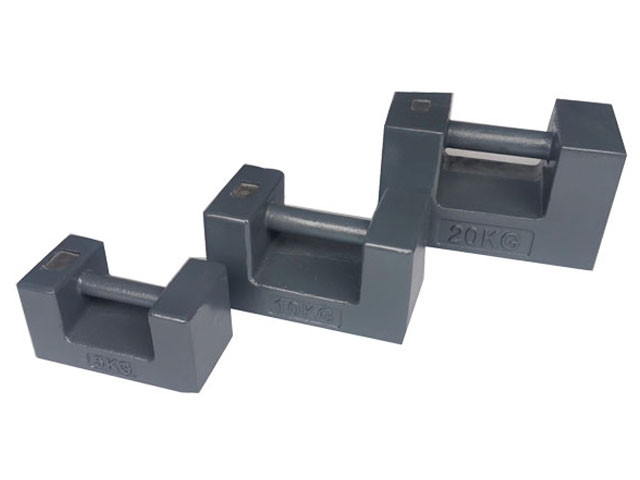
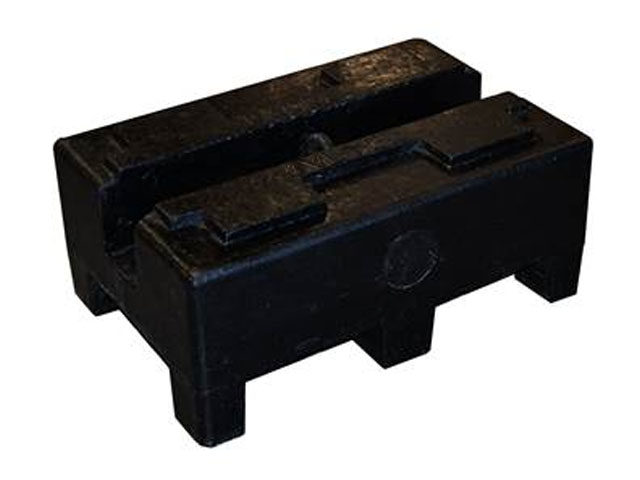
- Cast iron weights: Low cost, commonly used in industrial weighing systems
- Brass weights: Traditional material with certain oxidation resistance
- Aluminum alloy weights: lightweight, suitable for large and portable use
Technical characteristics of test weights
- Manufacturing standards
Modern test weights are manufactured strictly in accordance with the R111 recommendations or ASTM standards of the International Organization for Legal Metrology, ensuring consistency and reliability worldwide. - Surface treatment
High precision weights are usually subjected to special polishing treatment, resulting in extremely low surface roughness and reducing the effects of air buoyancy and static electricity. Some weights are treated with matte finish to reduce reflective interference. - Magnetic properties
High quality weights are made of materials with low magnetic susceptibility, usually less than 0.01, to avoid the influence of magnetic field on the weighing results.
Application areas of test weights
- Laboratory calibration: used for calibrating high-precision weighing equipment such as analytical scales and precision scales
- Industrial quality control: Regularly verify the accuracy of the weighing system on the production line
- Metrological verification: Government metrology departments conduct mandatory and arbitration verification
- Educational research: teaching physics experiments and quality measurement
- Commercial trade: Verify the accuracy of commercial scales to ensure fair transactions
Use and maintenance of test weights
Correct usage method
- Use specialized tweezers or gloves to handle and avoid direct contact with hands
- Handle with care to prevent collisions and scratches
- Before use, the temperature should be stabilized in the weighing environment
- Regular cleaning to remove surface dust and pollutants
Key points of maintenance and upkeep
- Store in a dry and dust-free environment
- Avoid contact with corrosive substances
- Regular inspection to ensure accurate measurement values
- Separate storage of weights of different grades to prevent confusion
Precautions for selecting test weights
- Select the appropriate accuracy level based on usage requirements
- Confirm the certification and traceability of weights
- Consider the temperature and humidity conditions of the usage environment
- Evaluate the technical support and service capabilities of suppliers
- Check the surface quality and machining accuracy of the weights
As the foundation of the measurement system, the quality of test weights directly affects the reliability of various weighing results. Whether it's precision experiments in scientific research institutions or daily weighing in supermarkets, these seemingly simple yet crucial metal blocks are indispensable. Correctly selecting, using, and maintaining test weights is the first step in ensuring measurement accuracy.
In a world that runs on accurate measurement, test weights stand as quiet, unassuming pillars of reliability, supporting countless processes that most people never stop to consider. Far more than simple solid masses, these carefully crafted objects serve as universal reference points for weighing equipment across every sector, from small local workshops and commercial kitchens to large-scale manufacturing facilities, research laboratories, and heavy-duty industrial operations. They fill a fundamental need: to verify that the tools used to measure weight perform consistently, delivering results that can be trusted day after day, without unexpected shifts or inaccuracies that could disrupt workflows, compromise quality, or create unnecessary risks. Unlike specialized tools designed for narrow tasks, test weights are versatile, adaptable, and essential to maintaining the integrity of measurement systems that touch nearly every part of modern life, even when their presence goes unnoticed by the average person.
At their core, test weights are defined by their stable, known mass, engineered to resist changes that could alter their weight over time or under varying conditions. This stability is not accidental; it is the result of thoughtful material selection and precise manufacturing, where every detail is tailored to the intended use case. Some test weights are made from dense, non-porous metals that hold their shape and mass reliably, even with regular handling, while others are constructed from durable composite materials suited for heavier, more rugged applications. The choice of material depends heavily on where and how the weight will be used: those meant for controlled indoor environments, such as laboratory settings, prioritize fine precision and resistance to minor environmental factors like mild humidity or gentle handling, while those designed for outdoor use or heavy industrial testing must withstand exposure to dust, temperature fluctuations, and repeated physical stress without warping, corroding, or losing their consistent mass. Each variation is built with a clear purpose in mind, ensuring that it can fulfill its role effectively without frequent adjustments or replacements.
The process of using a test weight is straightforward in theory but demands care and attention to detail in practice to yield meaningful results. To check a weighing device, whether it is a small bench scale, a large platform scale, a precision laboratory balance, or a heavy-duty lifting system, the test weight is placed gently and evenly on the weighing surface, allowing the equipment to register its known mass. The reading from the device is then compared to the established mass of the test weight, revealing whether the scale is calibrated correctly or requires minor adjustments to restore accuracy. This simple act of verification is critical because weighing tools, no matter how well-built, can experience gradual shifts in performance over time. Regular use, minor bumps or vibrations, changes in ambient temperature, and normal wear on internal components can all cause a scale to drift from its original calibration, leading to readings that are slightly off. In many cases, these small discrepancies may seem insignificant at first, but they can accumulate over time, leading to larger issues that affect product quality, operational efficiency, and even safety in high-stakes environments.
One of the most common areas where test weights play a vital role is in general commercial and small-scale production settings, where consistent weighing directly impacts product uniformity and operational smoothness. For example, in food production facilities, where ingredients are measured by weight to ensure consistent flavor, texture, and portion size across every batch, test weights are used regularly to confirm that mixing and portioning scales are working properly. A slight error in ingredient measurement, if left uncorrected, could lead to batches of product that do not meet internal quality standards, resulting in waste, rework, and inconsistent customer experiences. Similarly, in small manufacturing plants that produce goods with specific weight requirements, test weights help maintain production standards, ensuring that each item leaving the production line falls within the acceptable weight range set by the business. This level of consistency not only preserves product quality but also supports efficient inventory management, as accurate weight measurements help teams track raw material usage and finished goods output with greater reliability.
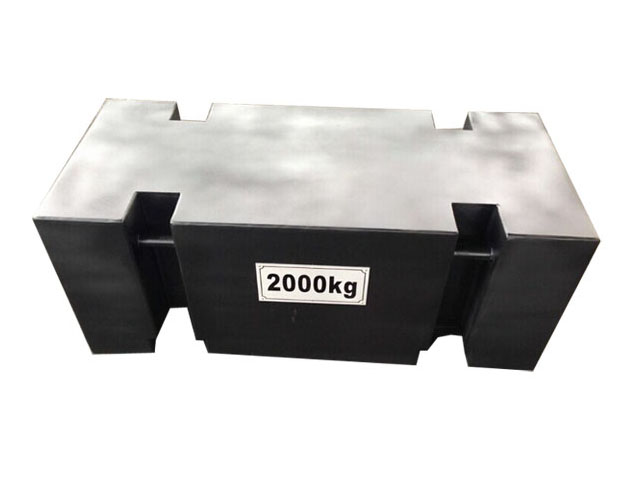
Moving into more specialized industrial environments, test weights take on an even more critical role, particularly in settings where heavy equipment and large-scale operations depend on precise load verification. In industries that rely on lifting machinery, material handling systems, and heavy-duty processing equipment, test weights are used to simulate real-world loads and confirm that machinery can handle specified weights safely and efficiently. This type of testing is not limited to one-time checks during equipment setup; it is an ongoing part of routine maintenance and safety protocols, performed periodically to ensure that machinery remains in good working order as it ages and endures daily use. For instance, in facilities that handle large, heavy components or raw materials, verifying the accuracy of load-measuring equipment helps prevent overloading, which can put unnecessary stress on machinery, increase the risk of mechanical failure, and create hazards for workers. Test weights provide a controlled, predictable way to conduct these checks, eliminating the guesswork and variability that would come with using irregular or unmeasured loads for testing.
In scientific and research laboratories, where precision is non-negotiable for valid experimental results, test weights are indispensable tools for maintaining the accuracy of highly sensitive weighing equipment. Laboratory work often involves measuring extremely small masses of substances, where even a tiny deviation in weight can alter the outcome of an experiment, skew data, or lead to incorrect conclusions. Test weights designed for these settings are crafted with extreme attention to detail, with smooth, easy-to-clean surfaces and a composition that minimizes the risk of contamination or mass change from contact with chemicals or moisture. Researchers and lab technicians rely on these weights to calibrate analytical balances and precision scales before conducting experiments, ensuring that every measurement is grounded in a consistent, reliable reference point. This level of precision is not only important for immediate research results but also for the reproducibility of experiments, allowing other researchers to replicate tests and build on existing findings with confidence that the measurement methods are sound.
Proper care and handling of test weights are just as important as their initial design and manufacturing, as neglect can lead to gradual changes in mass that undermine their effectiveness. Even the most durable test weight can be compromised by improper use, poor storage, or lack of regular maintenance. Basic best practices include handling weights with clean, dry hands or protective gloves to prevent the buildup of oils, dust, or debris on the surface, which can add small amounts of extra mass over time. When not in use, test weights should be stored in a clean, dry, stable environment, away from extreme temperatures, direct sunlight, moisture, and harsh chemicals that could cause corrosion, warping, or degradation. Avoiding unnecessary drops, bumps, or rough contact with hard surfaces is also essential, as physical impact can alter the shape or internal structure of a weight, even if the damage is not visible to the naked eye. Regular gentle cleaning, using mild, non-abrasive materials appropriate for the weight’s material, helps remove surface contaminants without damaging the finish or altering the mass. By following these simple steps, users can extend the usable life of test weights and ensure that they remain reliable reference points for years, reducing the need for frequent replacements and maintaining consistent measurement standards.
Test weights also play a key role in supporting operational efficiency across all types of organizations, regardless of size or industry. When weighing equipment is properly calibrated using reliable test weights, teams can avoid the downtime and costs associated with inaccurate measurements. For example, a production line with uncalibrated scales may produce batches of products that need to be reworked or discarded, leading to lost time, wasted materials, and delayed order fulfillment. In logistics and shipping operations, accurate weight measurements are essential for proper load distribution, transportation planning, and compliance with internal operational guidelines, and test weights ensure that the scales used to weigh shipments remain consistent. In agricultural settings, where bulk materials are often weighed for processing or distribution, test weights help maintain accurate measurements of grains, feeds, and other commodities, supporting fair and consistent handling throughout the supply chain. In every case, the consistent use of test weights creates a foundation of reliability that streamlines workflows, reduces errors, and minimizes unexpected disruptions to daily operations.
Another often-overlooked benefit of test weights is their role in promoting safety across various workplaces. In industrial settings where heavy loads are lifted, moved, or processed, accurate weight measurement is a critical safety factor. Overloading machinery or lifting equipment beyond its intended capacity can lead to mechanical breakdowns, falling loads, or structural damage, all of which pose significant risks to workers and nearby equipment. By regularly verifying load-measuring tools with test weights, teams can ensure that they are not exceeding safe operating limits, creating a safer work environment for everyone involved. In laboratory settings, accurate weighing of chemicals and substances helps prevent improper mixing or dosage, which can lead to hazardous reactions or exposure to harmful materials. Even in everyday commercial settings, such as grocery stores or food service establishments, accurate scales calibrated with test weights support fair practices and consistent portion control, reducing the risk of waste and ensuring that products are handled safely and responsibly.
The design of test weights has evolved gradually over time to meet the changing needs of different industries, with advancements focused on improving durability, stability, and ease of use without compromising core functionality. Modern test weights are available in a wide range of sizes and mass values, from tiny weights designed for micro-scale laboratory measurements to large, heavy-duty weights used for industrial load testing, allowing users to select the exact weight that matches their specific equipment and application. Some designs feature ergonomic handles or lifting points for safe, easy handling, especially for larger weights that require two people or lifting tools to move safely. Others are designed to be stackable or modular, allowing users to combine multiple weights to achieve a specific total mass for testing larger capacity scales or equipment. These design improvements are driven by real-world user needs, making test weights more practical and adaptable for diverse work environments, from compact lab spaces to large industrial warehouses and outdoor work sites.
It is important to recognize that test weights are not one-size-fits-all tools, and selecting the right weight for a specific task requires careful consideration of several factors. The mass of the test weight should align with the typical operating range of the weighing equipment being tested; using a weight that is too light or too heavy will not provide an accurate assessment of the device’s performance in real-world scenarios. The material and build quality should match the environmental conditions of the workspace, ensuring that the weight can withstand regular use without degradation. For precision-focused applications, such as laboratory work, a higher degree of manufacturing tolerance is necessary to ensure the weight’s mass is consistent and reliable. For heavy industrial use, durability and resistance to physical stress and environmental factors take priority. Taking the time to choose the appropriate test weight for each application ensures that verification efforts are effective and that the weighing equipment remains calibrated correctly for its intended use.
Beyond their immediate practical uses, test weights contribute to a larger culture of quality and accountability in organizations that prioritize consistent performance. When teams make regular use of test weights a standard part of their operations, they demonstrate a commitment to accuracy, quality control, and responsible practices. This commitment ripples through every aspect of the business, from product development and production to customer service and operational safety. Employees become more mindful of the importance of accurate measurement, and the overall reliability of products and services improves as a result. Customers and partners also benefit from this commitment, as they can trust that the products they receive or the services they use are consistent and meet established standards. In this way, test weights are not just tools for calibration; they are symbols of a dedication to doing things correctly and maintaining high standards in every task.
Even in an era of advanced digital technology and automated measurement systems, the role of test weights remains unchanged and irreplaceable. Modern weighing equipment may feature sophisticated digital displays, automated calibration features, and data tracking capabilities, but these systems still require a physical, reliable reference point to function accurately. Digital scales and automated weighing systems can still experience calibration drift from regular use, electrical fluctuations, or mechanical wear, just like traditional mechanical scales. Test weights provide a tangible, independent way to verify the accuracy of these high-tech tools, ensuring that digital measurements align with real-world mass values. This bridge between digital technology and physical reference points is essential for maintaining trust in automated systems, especially as industries increasingly rely on technology to streamline operations and reduce manual intervention.
As industries continue to evolve and new technologies emerge, the demand for reliable test weights will remain steady, as the need for accurate weight measurement is a constant across all sectors. Whether it is a small startup fine-tuning its production process, a research lab pushing the boundaries of scientific discovery, a large manufacturing plant scaling up production, or a construction site ensuring the safety of heavy machinery, test weights will continue to be a foundational tool. Their simplicity is their greatest strength: they do not rely on power, software, or complex components to serve their purpose, making them reliable even in remote or low-resource settings where advanced equipment may not be practical. This timeless utility ensures that test weights will remain relevant for years to come, adapting to new industry needs while retaining their core function as steady, trustworthy reference points for measurement.
In closing, test weights are far more than inert, solid objects; they are essential components of a functional, reliable, and safe modern society. They work silently behind the scenes, supporting every process that depends on accurate weight measurement, from the food we eat and the products we use to the research that drives innovation and the industrial operations that power economies. Their impact is felt in the consistency of products, the efficiency of workflows, the safety of workplaces, and the integrity of scientific data. Too often overlooked in favor of more advanced or visible tools, test weights deserve recognition for their quiet, indispensable role in maintaining precision and consistency across every corner of daily life. By investing in quality test weights, handling them with care, and using them regularly to verify weighing equipment, individuals and organizations can uphold high standards of accuracy, reduce waste and errors, and ensure that their operations run smoothly and reliably for the long term. In a world that values precision and dependability, the simple test weight remains an irreplaceable ally, standing the test of time as a cornerstone of accurate measurement.
