





Changzhou Veidt Weighing Co., Ltd. © 2022 ALL RIGHTS RESERVED Privacy Policy | Calibration Weight | Test Weights | Cast Iron Weights | Standard Weights | Laboratory Weights | XML | SITEMAP
Product Category
Truck Scale
Veidt Weighing is a Truck Scale factory in china. In the global logistics and transportation ecosystem, accurate weight measurement of goods-carrying vehicles is a cornerstone of operational efficiency, safety, and financial integrity. Truck scales, as specialized weighing equipment designed for heavy-duty vehicles, play an indispensable role in bridging the gap between raw material extraction, manufacturing, distribution, and end consumption. From highwayside inspection stations to industrial warehouses and agricultural depots, these robust systems ensure that weight data is precise, reliable, and actionable.
Understanding the Mechanics of Truck Scales
At their core, truck scales are engineered to measure the total weight of a vehicle—including its cargo, chassis, and fuel—by converting mechanical force into an electrical signal that can be interpreted and displayed. The precision of this conversion process is critical, as even minor discrepancies can lead to significant financial losses or safety hazards. To achieve this accuracy, modern truck scales integrate several key components, each working in tandem to deliver consistent results.
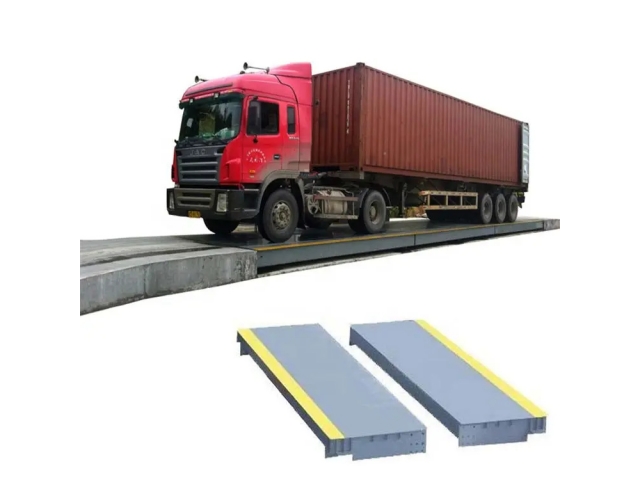
The load-bearing structure, often referred to as the weighbridge, is the foundation of any truck scale. Constructed from high-strength steel or concrete, the weighbridge is designed to withstand the repeated impact of heavy vehicles, which can weigh anywhere from 10 to 150 tons or more. Steel weighbridges are favored for their durability and ease of installation, while concrete models offer superior stability and resistance to environmental wear, making them ideal for permanent installations in harsh climates. The weighbridge’s design must also account for load distribution, ensuring that weight is evenly transmitted to the sensing elements regardless of the vehicle’s position on the platform.
Sensing elements, commonly known as load cells, are the heart of the truck scale’s measurement system. These transducers convert the mechanical pressure exerted by the vehicle into electrical signals. Most modern truck scales use strain gauge load cells, which consist of a metal body with thin electrical conductors bonded to its surface. When the load cell is compressed by the vehicle’s weight, the metal body deforms slightly, altering the resistance of the conductors. This change in resistance is measured by a Wheatstone bridge circuit, which converts it into a voltage signal proportional to the applied force. The number and placement of load cells vary depending on the scale’s length and capacity; longer scales may require multiple load cells to ensure uniform weight detection across the entire platform.
The signal processing unit, or indicator, receives the electrical signals from the load cells and converts them into readable weight values. Early indicators were analog devices with needle displays, but modern digital indicators offer enhanced precision, user-friendly interfaces, and additional features such as data logging, connectivity options, and error detection. Many digital indicators also include built-in calibration functions, allowing operators to adjust the scale’s accuracy periodically to account for wear and environmental factors. In advanced systems, the indicator may be connected to a central computer or cloud-based platform, enabling real-time data sharing and remote monitoring.
Auxiliary components such as ramps, guide rails, and junction boxes complete the truck scale system. Ramps provide a smooth transition for vehicles onto the weighbridge, reducing impact and ensuring safe operation. Guide rails prevent vehicles from veering off the platform during weighing, protecting both the equipment and the operators. Junction boxes consolidate the electrical signals from multiple load cells, simplifying wiring and reducing the risk of signal interference. Together, these components create a integrated system that delivers accurate and reliable weight measurements under a wide range of operating conditions.
Types of Truck Scales: Tailored to Diverse Needs
Truck scales are not one-size-fits-all solutions; their design and configuration are tailored to specific applications, space constraints, and weight requirements. Understanding the different types of truck scales available is essential for selecting the right equipment for a given operation. Below are the most common variants, each with unique characteristics and use cases.
Full-Size Weighbridges
Full-size weighbridges are the most widely used type of truck scale, designed to accommodate the entire length of a commercial vehicle. These scales typically range in length from 10 to 24 meters, allowing trucks of all sizes—from light-duty pickup trucks to heavy-duty semi-trailers—to be weighed in a single pass. Full-size weighbridges are available in both permanent and portable configurations. Permanent models are installed directly on a concrete foundation, making them ideal for industrial facilities, ports, and waste management sites where consistent, high-volume weighing is required. Portable models, on the other hand, are mounted on a steel frame with wheels or skids, enabling easy transportation and setup at temporary job sites such as construction zones or agricultural harvest areas.
One of the key advantages of full-size weighbridges is their accuracy, as weighing the entire vehicle at once eliminates errors associated with partial weighing. They also offer high throughput, as vehicles can drive onto the platform, be weighed, and exit in a matter of minutes. However, their large size and installation requirements make them unsuitable for locations with limited space or budget constraints.
Axle Scales
Axle scales are compact, portable weighing systems designed to measure the weight of individual axles or axle groups. Unlike full-size weighbridges, which require the entire vehicle to be on the platform, axle scales allow vehicles to be weighed incrementally as each axle passes over the scale. The total weight is then calculated by summing the weights of all axles. This makes axle scales an ideal solution for locations where space is limited, such as narrow highways, remote mining sites, or mobile inspection units.
Axle scales are typically lightweight and easy to transport, with many models weighing less than 50 kilograms per module. They can be used on a variety of surfaces, including asphalt, concrete, and even dirt, with minimal setup time. However, their accuracy depends on the operator’s ability to position each axle correctly on the scale, and they are less efficient for high-volume weighing compared to full-size weighbridges. They are also more susceptible to errors from uneven load distribution or vehicle movement during weighing.
Wheel Weighers
Wheel weighers are even more compact than axle scales, designed to measure the weight of individual wheels. These scales are often used for quick weight checks, such as verifying that a vehicle’s weight is within legal limits or identifying overloaded wheels that could pose a safety risk. Wheel weighers are available in both portable and fixed configurations, with portable models being particularly popular for roadside inspections and fleet maintenance facilities.
Portable wheel weighers are typically small, flat pads that can be placed on the ground and driven over by a vehicle. They are lightweight, easy to store, and can be set up in minutes. Fixed wheel weighers are often integrated into the pavement at entry or exit points of a facility, allowing for automatic weighing as vehicles pass through. While wheel weighers offer convenience and portability, their accuracy is lower than that of full-size weighbridges or axle scales, making them unsuitable for applications requiring precise weight measurement for commercial transactions.
Dynamic Weighing Systems
Dynamic weighing systems, also known as in-motion scales, are designed to weigh vehicles while they are moving, without requiring them to stop. These scales are installed directly into the road surface and use advanced sensors and signal processing algorithms to measure the vehicle’s weight as it passes over the scale at speeds of up to 80 kilometers per hour. Dynamic weighing systems are commonly used for roadside weight enforcement, toll plazas, and high-volume logistics facilities where minimizing traffic congestion is a priority.
The primary advantage of dynamic weighing systems is their high throughput, as they can weigh hundreds of vehicles per hour without disrupting traffic flow. They also eliminate the need for operators to direct vehicles onto a weighbridge, reducing labor costs. However, their accuracy is lower than that of static weighing systems (which require vehicles to be stationary during weighing), and they are more sensitive to factors such as vehicle speed, tire pressure, and road conditions. As a result, dynamic weighing systems are often used for screening purposes, with vehicles that exceed weight limits being directed to a static scale for verification.
Industrial Applications of Truck Scales
Truck scales are integral to a wide range of industries, where accurate weight measurement is critical for operational efficiency, regulatory compliance, and financial accountability. Below are some of the key sectors where truck scales play a vital role, along with specific use cases and benefits.
Mining and Quarrying
In the mining and quarrying industry, truck scales are used to measure the weight of raw materials such as coal, ore, gravel, and limestone as they are transported from the extraction site to processing facilities. Accurate weight measurement is essential for calculating production volumes, tracking inventory, and ensuring that trucks are not overloaded—overloaded trucks can cause significant damage to roads and equipment, and pose a serious safety risk to drivers and other road users.
Mining operations often use large, permanent full-size weighbridges capable of handling vehicles weighing up to 200 tons or more. These scales are designed to withstand the harsh conditions of mining sites, including dust, vibration, and extreme temperatures. Many mining scales are also integrated with fleet management systems, allowing operators to track the movement of vehicles, monitor driver performance, and optimize transportation routes. This integration helps to reduce operational costs, improve efficiency, and ensure compliance with environmental and safety regulations.
Agriculture
In the agricultural sector, truck scales are used for a variety of purposes, including weighing harvested crops, livestock feed, and fertilizers. For example, when harvesting grains such as wheat, corn, or soybeans, farmers use truck scales to measure the amount of crop loaded onto each truck, which is critical for calculating yields, determining payment to farm workers, and tracking inventory for storage or sale.
Agricultural operations often require portable truck scales, as harvesting and transportation activities are seasonal and may take place in remote locations. Portable axle scales or wheel weighers are particularly popular, as they can be easily transported from one field to another and set up quickly. In addition, many agricultural scales are designed to be weather-resistant, capable of operating in rain, snow, and high humidity. Some advanced systems also include features such as moisture content measurement, allowing farmers to adjust crop weights based on moisture levels and ensure accurate pricing for buyers.
Waste Management
Waste management facilities rely on truck scales to measure the weight of garbage, recycling materials, and hazardous waste as it is delivered to the facility. Accurate weight measurement is essential for billing purposes—many waste management companies charge customers based on the weight of waste they generate—and for tracking the amount of waste processed or disposed of, which is required for compliance with environmental regulations.
Waste management scales are typically large, permanent full-size weighbridges installed at the entrance of landfills, recycling centers, and transfer stations. These scales are designed to withstand the corrosive and abrasive nature of waste materials, with features such as sealed load cells and anti-skid surfaces to prevent damage and ensure safe operation. Many waste management scales are also integrated with automated systems, such as license plate recognition and barcode scanning, which streamline the check-in process and reduce the risk of human error. This automation helps to improve throughput, reduce waiting times for drivers, and enhance the overall efficiency of the facility.
Manufacturing and Logistics
In the manufacturing and logistics sectors, truck scales are used to measure the weight of raw materials entering the facility and finished products leaving the facility. This ensures that the correct amount of materials is received from suppliers and that the correct amount of products is shipped to customers, reducing the risk of shortages or overages that can lead to financial losses.
Manufacturing facilities often use permanent full-size weighbridges at their loading docks, allowing trucks to be weighed before and after loading. This “before-and-after” weighing method, also known as “tare and gross” weighing, provides an accurate measurement of the weight of the cargo alone. Logistics companies, on the other hand, may use a combination of static and dynamic weighing systems to optimize their operations. For example, dynamic scales at distribution center entrances can quickly screen incoming and outgoing trucks, while static scales are used for precise weight measurement of high-value or time-sensitive shipments.
Key Considerations for Truck Scale Installation and Maintenance
Proper installation and regular maintenance are essential for ensuring the accuracy, reliability, and longevity of truck scales. Neglecting these aspects can lead to inaccurate weight measurements, equipment failure, and increased operational costs. Below are some key considerations for installing and maintaining truck scales.
Installation Site Preparation
The first step in installing a truck scale is selecting a suitable site. The site should be level and stable, with sufficient space to accommodate the weighbridge, ramps, and any auxiliary equipment. For permanent full-size weighbridges, a concrete foundation is required to support the weight of the scale and the vehicles being weighed. The foundation must be designed to prevent settling or shifting, which can affect the scale’s accuracy. It should also include drainage systems to prevent water accumulation, which can corrode the scale’s components.
For portable scales, the site should be free of debris, potholes, and uneven surfaces. The ground should be compacted to ensure stability, and ramps should be used to provide a smooth transition onto the scale. In addition, the site should be easily accessible for vehicles, with sufficient turning space to allow trucks to maneuver onto and off the scale without difficulty.
Calibration
Calibration is the process of adjusting the scale to ensure that its measurements are accurate. Truck scales should be calibrated regularly, with the frequency depending on the scale’s usage, environment, and the requirements of local regulations. Most scales require calibration at least once a year, but scales used in high-volume or harsh environments may need to be calibrated more frequently.
Calibration should be performed by a qualified technician using certified test weights. The technician will place the test weights on the scale and adjust the load cells and indicator to ensure that the scale’s readings match the known weight of the test weights. In addition to regular calibration, scales should be checked for accuracy periodically using a reference weight, such as a known load of cargo, to detect any discrepancies early.
Regular Maintenance
Regular maintenance is essential for preventing equipment failure and extending the life of the truck scale. Maintenance tasks should include cleaning the scale’s components, inspecting for damage, and lubricating moving parts. The weighbridge should be cleaned regularly to remove debris, dirt, and moisture, which can accumulate on the platform and affect the load cells’ performance. Load cells should be inspected for signs of damage, such as cracks, corrosion, or loose wiring, and replaced if necessary.
The indicator and other electronic components should be kept clean and dry, with protective covers used to prevent dust and moisture from entering. Cables and wiring should be inspected for wear and tear, and connections should be tightened to ensure reliable signal transmission. In addition, the scale’s ramps and guide rails should be inspected for damage and repaired or replaced as needed to ensure safe operation.
Environmental Protection
Truck scales are often exposed to harsh environmental conditions, such as extreme temperatures, rain, snow, dust, and corrosive substances. To protect the scale’s components, it is important to take appropriate measures to shield them from these elements. For example, load cells can be sealed to prevent moisture and dust from entering, and the weighbridge can be painted or coated with a corrosion-resistant material to protect against rust and deterioration.
In cold climates, heating systems can be installed to prevent ice and snow from accumulating on the scale’s platform, which can affect weighing accuracy and pose a safety risk. In hot climates, shading devices can be used to protect the scale’s electronic components from overheating. By taking these measures, operators can ensure that the scale remains accurate and reliable even in the most challenging environments.
Future Trends in Truck Scale Technology
As the global economy becomes increasingly digitized and interconnected, truck scale technology is evolving to meet the changing needs of industries. Below are some of the key trends shaping the future of truck scales, from advanced connectivity to artificial intelligence and sustainability.
Internet of Things (IoT) Integration
The integration of IoT technology is transforming truck scales into smart, connected devices. Modern scales are equipped with sensors and wireless connectivity options, such as Wi-Fi, Bluetooth, and cellular networks, allowing them to transmit weight data in real time to a central computer or cloud-based platform. This connectivity enables remote monitoring of the scale’s performance, automatic data logging, and integration with other systems such as fleet management, inventory control, and accounting software.
IoT-enabled truck scales also offer predictive maintenance capabilities. By monitoring the scale’s components in real time, operators can detect signs of wear or potential failure before they lead to equipment downtime. For example, sensors can monitor the load cells’ performance, alerting operators to changes in resistance that may indicate damage or calibration issues. This proactive approach to maintenance helps to reduce operational costs and improve the scale’s reliability.
Artificial Intelligence (AI) and Machine Learning
AI and machine learning are being integrated into truck scale systems to enhance accuracy and efficiency. For example, AI algorithms can analyze data from dynamic weighing systems to correct for errors caused by vehicle speed, tire pressure, and road conditions, improving the accuracy of in-motion weight measurements. Machine learning models can also learn from historical weight data to predict future trends, such as peak weighing times or potential overloads, allowing operators to optimize their operations accordingly.
In addition, AI-powered image recognition technology can be used to identify vehicles, verify license plates, and detect anomalies such as overloaded wheels or unauthorized vehicles. This automation reduces the need for manual intervention, improving throughput and reducing the risk of human error.
Sustainability and Energy Efficiency
Sustainability is becoming a key focus for industries worldwide, and truck scale manufacturers are responding by developing more energy-efficient and environmentally friendly systems. For example, many modern truck scales use low-power electronic components and solar panels to reduce their energy consumption. Solar-powered scales are particularly useful for remote locations where access to electricity is limited, reducing the need for diesel generators and lowering carbon emissions.
Manufacturers are also using recycled materials and sustainable production processes to reduce the environmental impact of truck scales. For example, some weighbridges are made from recycled steel, and load cells are designed to be more durable, reducing the need for replacement and minimizing waste. In addition, many scales are now designed to be easily disassembled and recycled at the end of their life, further reducing their environmental footprint.
Increased Automation
Automation is another key trend in truck scale technology, with manufacturers developing systems that require minimal human intervention. For example, automated truck scale systems can automatically detect when a vehicle is on the scale, weigh it, and generate a weight ticket without the need for an operator. These systems use a combination of sensors, cameras, and software to streamline the weighing process, reducing waiting times for drivers and improving the efficiency of the facility.
Automated systems are also being integrated with other technologies such as electronic logging devices (ELDs) and global positioning systems (GPS), allowing for seamless tracking of vehicles and cargo throughout the supply chain. This integration helps to improve transparency, reduce fraud, and ensure compliance with regulatory requirements.
Conclusion
Truck scales are essential tools for industries worldwide, providing accurate and reliable weight measurement that is critical for operational efficiency, safety, and financial integrity. From their fundamental mechanics to their diverse applications, installation and maintenance requirements, and future trends, truck scales are a dynamic and evolving technology that plays a vital role in the global supply chain.
As industries continue to digitize and embrace sustainability, truck scale technology will continue to advance, offering enhanced connectivity, accuracy, and efficiency. Whether it’s a permanent full-size weighbridge in a mining site, a portable axle scale in an agricultural field, or a dynamic weighing system on a highway, truck scales will remain an indispensable part of the logistics and transportation ecosystem for years to come. By understanding the key aspects of truck scales and staying abreast of emerging trends, businesses can select the right equipment for their needs and optimize their operations to meet the challenges of the future.
Learn more about digital truck scale, weighbridge, heavy duty truck scale, industrial truck scale, truck weighing scale, electronic truck scale, portable truck scale, digital weighbridge, full size truck scale, axle truck scale, truck scale for logistics, truck scale for warehouse, truck scale for construction site, stainless steel truck scale, truck scale for mining, truck scale with printer, truck scale with bluetooth, truck scale for port, truck scale for recycling yard, truck scale with load cells, truck scale for agricultural use, truck scale with remote monitoring, low profile truck scale, truck scale for weigh station, truck scale for factory, truck scale with data logging, explosion-proof truck scale, truck scale for oil and gas, truck scale for bulk material, truck scale for waste management, truck scale with lcd display, truck scale for steel mill, truck scale auto-calibration, truck scale for shipping terminal, truck scale battery operated, truck scale for quarry, truck scale with overload protection, truck scale for border crossing, truck scale for gravel pit, truck scale for cement plant, truck scale durable, truck scale for logistics park, truck scale for heavy vehicles, truck scale with backlight, truck scale for railway yard, truck scale for chemical plant, truck scale easy to install, truck scale multi-functional, truck scale for international freight, pls contact us.
