





Changzhou Veidt Weighing Co., Ltd. © 2022 ALL RIGHTS RESERVED Privacy Policy | Calibration Weight | Test Weights | Cast Iron Weights | Standard Weights | Laboratory Weights | XML | SITEMAP
Product Category
Household Scale
In the intricate fabric of modern household life, countless small tools quietly optimize daily routines, improve living quality, and bring subtle but profound changes to family management. Among these overlooked yet essential gadgets, the household scale stands out as a versatile and practical device that integrates precision, convenience, and functionality. Unlike large household appliances that attract immediate attention with powerful performance or smart features, the household scale operates in a low-key manner, serving families in trivial daily scenarios ranging from food preparation and dietary management to personal health monitoring and daily item sorting. It has gradually evolved from a niche auxiliary tool into a standard household necessity, adapting to the refined and healthy lifestyle pursuits of contemporary people. Whether in ordinary family kitchens, quiet bedrooms, or tidy storage rooms, a well-maintained household scale can provide accurate data references for various daily behaviors, helping people get rid of subjective judgment errors and replace vague sensory estimation with objective numerical precision. This shift from ambiguity to accuracy is precisely the core value that household scales bring to modern family life, making trivial daily management more standardized, scientific, and orderly.
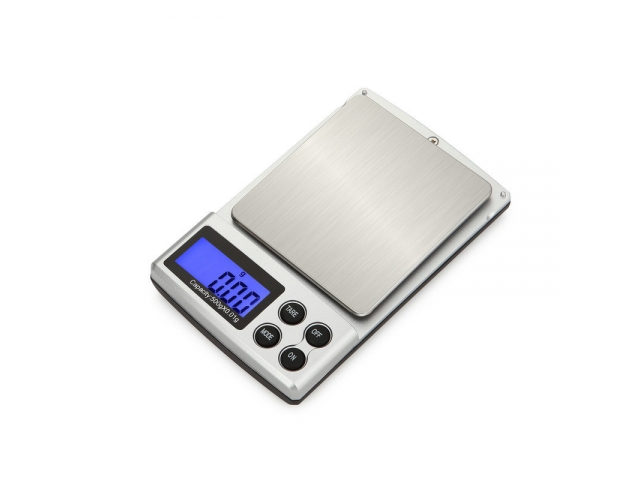
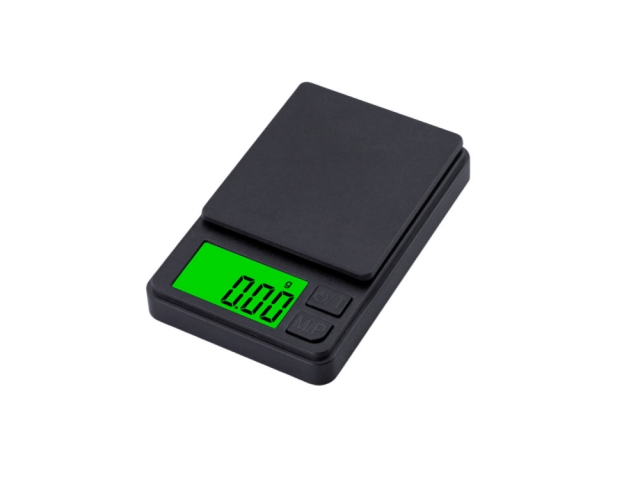
The most widely used scenario for household scales lies in daily kitchen cooking and baking, where its precision perfectly makes up for the shortcomings of traditional volume measurement methods. For a long time, home cooks have relied on intuitive volume tools such as measuring cups, spoons, and even visual estimation to prepare ingredients, a method that carries inherent and unavoidable errors. Factors such as the compactness of flour, the fluidity of liquid ingredients, the granularity of sugar and salt, and even the temperature and humidity of the living environment will affect the actual weight of ingredients contained in the same volume. A seemingly full cup of flour may vary significantly in actual weight due to different filling tightness, while a spoonful of seasoning scooped casually often leads to inconsistent taste of dishes every time. Such errors are negligible for casual home stir-frying, but they become decisive for delicate cooking and rigorous baking. Baking, in particular, is a culinary process that highly values proportional accuracy, where the scientific ratio of flour, water, sugar, yeast, and oil directly determines the fermentation state, taste texture, and finished appearance of bread, cakes, and cookies. Household scales eliminate all subjective guessing in ingredient preparation, allowing every ingredient to be added in strict accordance with quantitative standards, thus ensuring stable and consistent cooking and baking results every time and enabling ordinary home cooks to replicate professional-level culinary effects stably.
Beyond improving cooking accuracy, household scales play an irreplaceable core role in family dietary health management and scientific portion control. With the continuous improvement of public health awareness, more and more families have abandoned the traditional eating habit of overeating and began to pursue balanced nutrition and reasonable dietary intake. However, it is difficult for the human body to accurately judge the weight and calorie of food by feeling alone, leading to common problems such as excessive intake of staple food, unbalanced proportion of protein and vegetables, and invisible excess calorie accumulation. Household scales provide intuitive and accurate weight data for daily diet, helping family members formulate targeted dietary plans. For adults pursuing body management and fat regulation, weighing daily staple foods, lean meat, fruits, and vegetables can effectively control total daily calorie intake and maintain a balanced ratio of carbohydrates, proteins, and fats. For family members with mild sub-health conditions or dietary taboos, quantitative weighing can avoid excessive intake of sugar, salt, and oil, reducing the burden on the body. For growing children and elderly family members with weak physical functions, precise portion control can ensure adequate and appropriate nutritional supply, avoiding malnutrition caused by insufficient intake or physical discomfort caused by overeating. This refined dietary management mode guided by household scales makes healthy eating no longer an empty slogan but a quantifiable and implementable daily behavior.
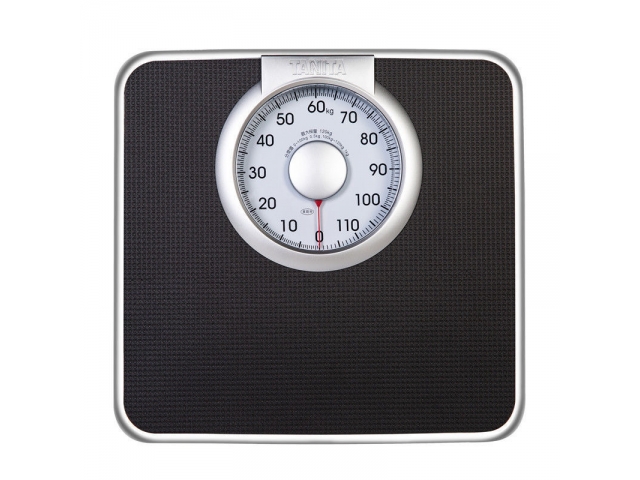
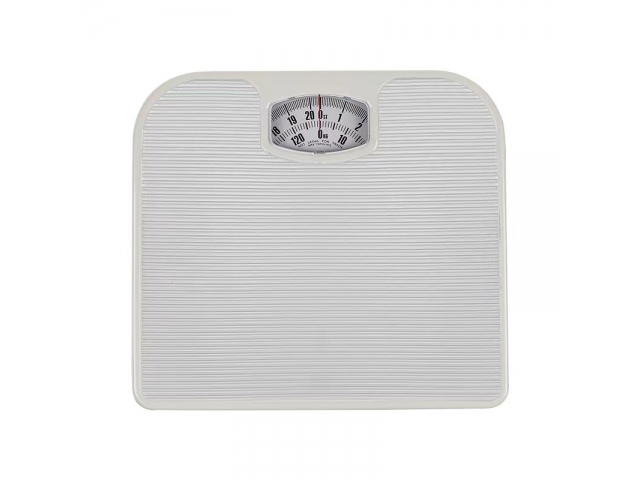
The functional diversity of modern household scales has broken the single weighing limitation of traditional mechanical scales, greatly expanding its application scope in family life and improving daily use flexibility. Early household weighing tools were mostly mechanical pointer scales, with single measurement units, low precision, cumbersome reading, and easy deviation after long-term use, which could only meet the most basic rough weighing needs. In contrast, mainstream modern household scales adopt mature digital sensing technology, with sensitive and stable sensing components that can capture tiny weight changes in an instant. Most products support the free switching of multiple common measurement units, adapting to different recipe standards and daily measurement habits, and can accurately weigh solid ingredients, liquid condiments, and small daily items. The most practical core function of modern household scales is the tare clearing function, which completely changes the traditional weighing mode. In the past, people needed to weigh empty containers first and then subtract the container weight to obtain the net weight of items, which was cumbersome and error-prone. The tare function allows users to place any container on the scale surface, clear the weight data with one click, and directly obtain the accurate net weight of subsequently added items. This function supports the sequential weighing of multiple ingredients in the same container, effectively avoiding the trouble of replacing multiple containers and repeated weighing, greatly improving the efficiency of ingredient preparation and daily measurement.
Household scales also play an important role in reducing family food waste and realizing economical and environmentally friendly daily life. In daily family meal preparation, subjective estimation often leads to excessive ingredient preparation. Too much staple food, vegetables, or meat that cannot be consumed in time will go bad and be discarded, causing unnecessary food waste and economic loss. This kind of trivial waste accumulates over time, forming a huge waste of family resources and conflicting with the current concept of green and low-carbon life. With the help of household scales, families can accurately calculate the required ingredient weight according to the number of diners and meal demand, prepare ingredients in a targeted manner, and maximize the reduction of surplus food. In addition, for preserved ingredients such as dried fruits, nuts, grains, and seasonings that are easy to deteriorate after long-term storage, household scales can help with quantitative sub-packaging. Families can divide bulk purchased ingredients into small portions of fixed weight according to daily consumption, seal and store them separately, which not only avoids mildew and deterioration caused by repeated opening of large packages but also facilitates daily quantitative taking, effectively extending the storage cycle of ingredients and reducing waste caused by spoilage. This quantitative and refined ingredient management mode makes family material storage more scientific and realizes the effective utilization of food resources.
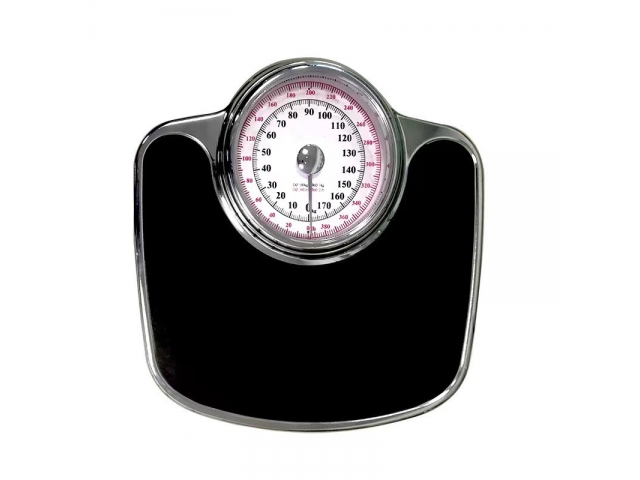
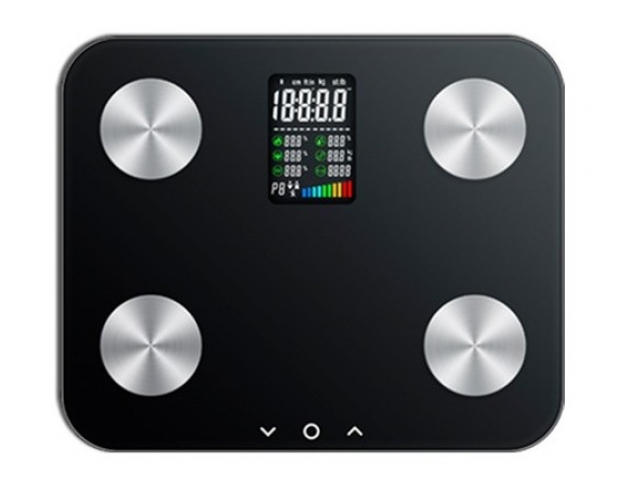
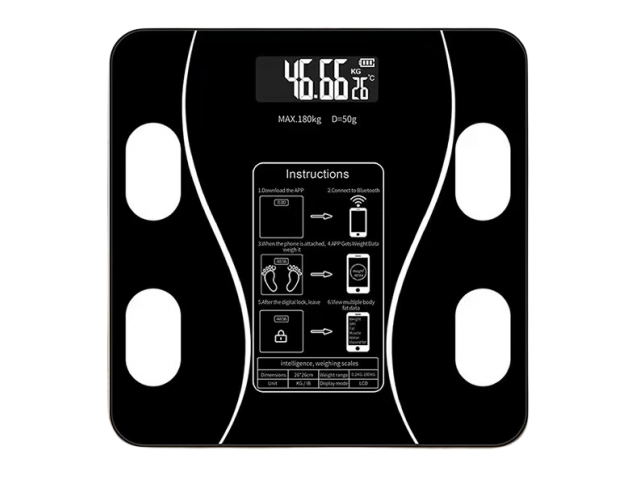
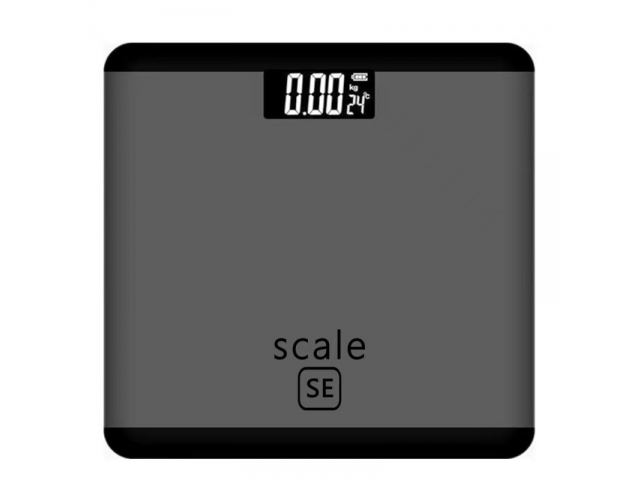
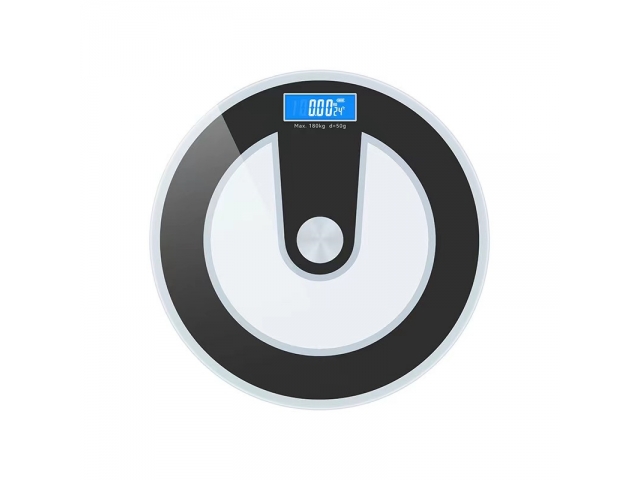
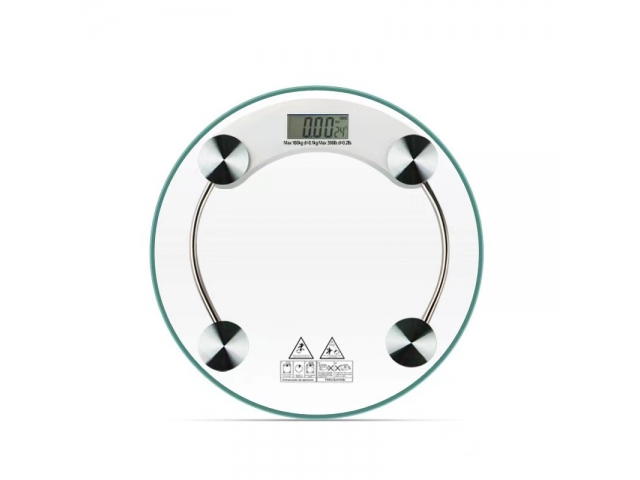
Personal physical health monitoring is another important daily scenario for household scales, becoming an important auxiliary tool for family health management. In addition to small kitchen scales specially used for ingredient weighing, floor-standing household body scales have become a standard configuration in most families, providing convenient daily physical data monitoring for all family members. Regular weight measurement is the most intuitive way to understand physical changes. For adults, persistent weight fluctuations often reflect changes in physical state, dietary structure, and exercise volume. Sustained weight gain may imply excessive calorie intake or insufficient exercise, while sudden abnormal weight loss may be a potential signal of physical discomfort. Daily weight recording through household scales can help people track physical changes in real time, adjust dietary and exercise habits in a timely manner, and maintain a healthy physical state. For adolescents in the growth and development period, regular weighing can monitor the growth rate, ensure that the nutritional supply matches physical development, and avoid growth retardation or obesity problems caused by unreasonable diet. For the elderly with declining physical functions, stable weight is an important symbol of physical health. Regular weighing can help family members detect abnormal physical changes early and provide timely health intervention.
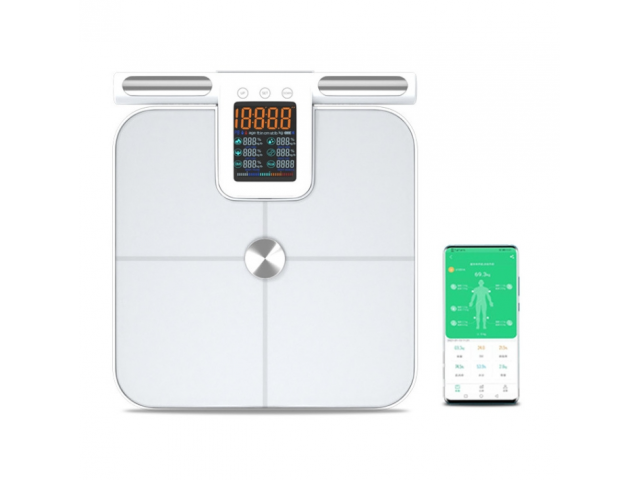
Many modern smart household body scales further enrich the connotation of family health management by combining intelligent sensing and data recording functions, upgrading from a single weighing tool to a professional family health monitoring terminal. Different from traditional single-function scales, smart household scales can capture multiple physical data through high-precision sensing components during weighing, providing a more comprehensive physical state analysis. It can synchronously record daily weight changes, generate continuous change curves, and intuitively display the long-term physical change trend of each family member, avoiding the limitation of single and fragmented data of occasional weighing. Some advanced models can also analyze the basic physical state according to daily weight fluctuations, provide reasonable suggestions for diet adjustment and exercise matching, and help users formulate more scientific health management plans. The data recording function also facilitates family members to form long-term health files. For users who need long-term physical condition observation and management, continuous and systematic data records can provide effective reference for daily health adjustment and even professional medical consultation, making family health management more systematic and targeted.
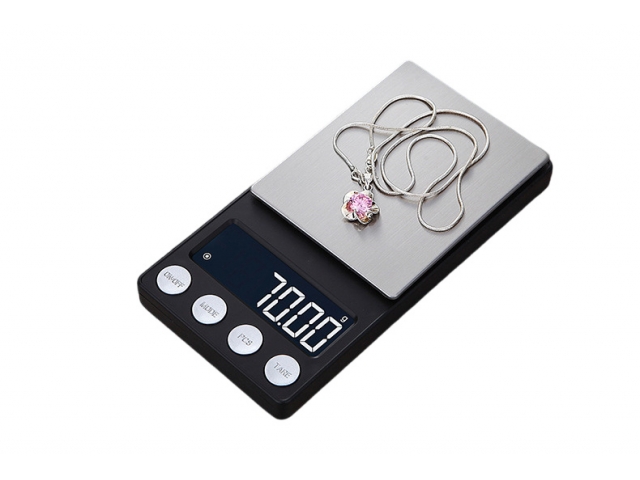
Household scales also have many practical auxiliary application scenarios in daily family life, bringing convenience to trivial daily sorting and life management. In daily life, people often need to quantitatively sort and store various small items, and household scales can provide accurate weight standards for these sorting behaviors. For example, when sorting bulk daily necessities such as cotton swabs, bath balls, and small hardware accessories, fixed-weight sub-packaging can realize standardized storage and convenient taking. When making handmade desserts, DIY seasonings, and homemade health teas, accurate weighing ensures the stable proportion of raw materials and consistent product quality. In addition, for families who often need to send and receive small parcels, household scales can accurately measure the weight of express items, helping users understand parcel weight information in advance, reasonably arrange packaging, and avoid the problem of excessive packaging or insufficient bearing capacity caused by inaccurate weight estimation. For pet-keeping families, household scales can also be used to quantitatively weigh pet feed, ensure scientific feeding dosage, avoid pet obesity or malnutrition caused by random feeding, and provide basic guarantee for pet health growth. These diverse trivial applications make household scales penetrate into every corner of family life and become an indispensable helper for refined life management.
The user-friendly design of modern household scales fully adapts to the daily use habits and home placement environment of ordinary families, realizing the perfect integration of practicality and home aesthetics. In terms of appearance design, household scales abandon the bulky and old-fashioned shape of traditional measuring tools, and adopt slim, simple and versatile design styles. The body is light and thin, occupying very little space, and can be easily placed on kitchen countertops, bedroom floors, storage cabinets and other positions, and can also be stored in a hidden manner when not in use, which does not affect the overall decoration style of the home. In terms of material selection, mainstream household scales use safe, environmentally friendly, wear-resistant and easy-to-clean materials. The smooth scale surface can effectively prevent the adhesion of oil stains, dust and water stains. In daily use, it only needs to be wiped gently with a damp cloth to keep it clean and tidy, avoiding the sanitary dead corners that are easy to appear in traditional kitchen tools. In terms of operation design, all functional buttons are simplified and intuitive, with large-screen high-definition digital display, clear and eye-catching readings, which are convenient for the elderly and children in the family to operate independently. The automatic induction and automatic shutdown functions effectively save electric energy, meeting the energy-saving and environmentally friendly living needs of modern families.
Correct daily use and scientific maintenance can effectively extend the service life of household scales and maintain long-term accurate measurement performance, which is an important part of daily family tool management. Although household scales are small in size and simple in operation, they are precise electronic sensing equipment, and unreasonable use and maintenance will easily lead to reduced accuracy and shortened service life. In daily use, it is necessary to avoid placing the scale in a humid, high-temperature or corrosive environment for a long time, so as to prevent internal sensing components from being affected by moisture, high temperature and corrosion, which will cause measurement deviation. When weighing items, it is necessary to avoid violent impact and excessive pressure beyond the weighing range, so as to prevent structural deformation and sensor damage of the scale body. For kitchen scales that are often in contact with oil stains and water, regular cleaning and drying maintenance should be done to prevent oil stains from penetrating into the interior of the scale body and affecting circuit operation. In terms of daily placement, it is necessary to keep the weighing platform flat and stable. Long-term tilting placement will cause cumulative errors in the sensor and affect the accuracy of subsequent weighing. Regular zero calibration is also essential. After long-term use or moving the position, the zero point of the scale may deviate, and timely calibration can ensure the stability of weighing data. These simple daily maintenance operations can maximize the performance of household scales and maintain long-term stable use effect.
With the continuous upgrading of people's living concepts and the continuous progress of smart home technology, the functional connotation and application value of household scales are constantly being enriched and expanded, and its status in modern family life is becoming increasingly important. In the era of pursuing refined life quality, people are no longer satisfied with simple material satisfaction, but pay more attention to the scientific, healthy and standardized nature of daily life. Household scales, as a small precision tool that connects diet, health and daily management, precisely meet this life demand. It turns the vague daily experience into accurate numerical data, makes every link of family life more controllable and standardized, and subtly improves the overall quality of family life. From accurate ingredient weighing to scientific dietary management, from daily physical health monitoring to refined daily item sorting, household scales are always silently responsible for data measurement and standard control, bringing stable and reliable convenience to every family member.
In conclusion, the household scale is a typical representative of small tools carrying great life value. It has no gorgeous appearance and powerful multi-functional performance of large household appliances, but it integrates precision, practicality and environmental protection in a small body, and penetrates into every trivial and important link of family life. It helps people get rid of the limitations of subjective experience, realize quantitative management of diet and health, reduce family resource waste, and optimize daily life details. In the future, with the continuous development of home intelligence and refined life concepts, household scales will continue to iterate and upgrade in functions and design, bringing more convenient, intelligent and humanized service to modern families, and becoming an indispensable and important part of high-quality modern family life.
