





Changzhou Veidt Weighing Co., Ltd. © 2022 ALL RIGHTS RESERVED Privacy Policy | Calibration Weight | Test Weights | Cast Iron Weights | Standard Weights | Laboratory Weights | XML | SITEMAP
NEWS LIST
test weight supplier
Saturday 03rd January 2026 Back to list
In the realm of precision measurement, test weights stand as fundamental tools that underpin the accuracy and reliability of countless industrial, scientific, and commercial processes. From calibrating scales in a local grocery store to ensuring the precision of industrial manufacturing equipment, test weights play an indispensable role. Behind these critical tools lies the unsung work of test weight suppliers, whose ability to provide consistent, high-quality products directly impacts the integrity of measurement systems across various sectors.
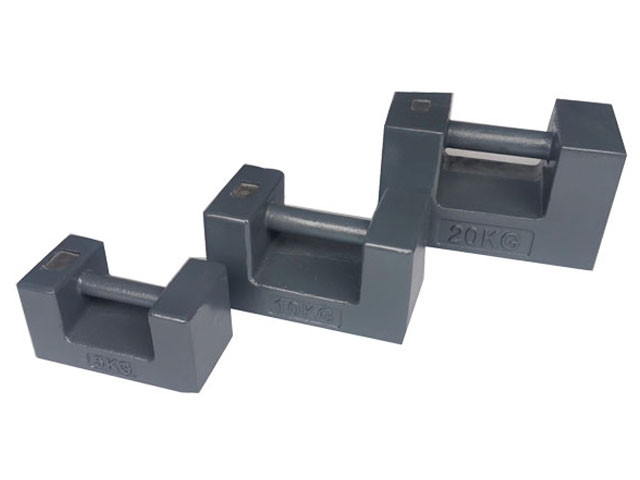
The importance of test weight suppliers extends far beyond mere product provision. They act as guardians of measurement accuracy, as the weights they supply serve as reference standards for calibrating a wide range of measuring instruments. In industries such as pharmaceuticals, where the precise measurement of ingredients can mean the difference between a safe medication and a hazardous one, or in aerospace, where even the smallest measurement error can lead to catastrophic failures, the role of test weight suppliers becomes even more critical. A single faulty or inaccurate test weight can propagate errors throughout an entire production or testing process, resulting in financial losses, compromised safety, and damaged reputations. Thus, suppliers are not just vendors but strategic partners that contribute to the overall quality and safety of the industries they serve.
When selecting a test weight supplier, several key factors must be taken into account to ensure that the chosen partner can meet the specific needs of the business. One of the primary considerations is the supplier’s ability to provide test weights that meet the required precision levels. Different applications demand different degrees of accuracy, and suppliers must be able to tailor their products to these varying requirements. For example, laboratory settings may require test weights with extremely tight tolerance levels, while general industrial use may allow for slightly broader tolerances. A reliable supplier should have a thorough understanding of these requirements and be able to provide products that align with the specific use case.
Consistency in product quality is another crucial factor. Test weights must be manufactured using materials that are stable and resistant to wear, corrosion, and environmental factors. Materials such as stainless steel, cast iron, and brass are commonly used due to their durability and stability. A reputable supplier will have strict quality control processes in place to ensure that each batch of test weights meets the same high standards. This includes rigorous testing of materials, precision machining processes, and final inspection to verify accuracy. Consistency in quality not only ensures the reliability of the test weights but also reduces the frequency of recalibration and replacement, leading to long-term cost savings for the customer.
Flexibility and customization capabilities are also important considerations when choosing a test weight supplier. Many businesses have unique requirements that cannot be met by standard test weight products. For instance, a manufacturing facility may need test weights of non-standard sizes or shapes to fit specific calibration equipment, or a research laboratory may require weights made from specialized materials to withstand extreme environmental conditions. A supplier that can accommodate these custom requests demonstrates a high level of expertise and commitment to customer satisfaction. This flexibility can be a key differentiator, especially in industries with highly specialized measurement needs.
The supplier’s technical expertise and customer support are additional factors that should not be overlooked. Test weights are technical products, and customers may require guidance on selecting the right product for their application, as well as advice on proper handling, storage, and calibration. A knowledgeable supplier will have a team of experts who can provide this guidance, helping customers make informed decisions and maximize the lifespan and performance of their test weights. Additionally, reliable after-sales support is essential. In the event of a problem with the product, the supplier should be responsive and able to provide timely solutions, whether that involves replacing a defective weight or offering technical assistance.
Logistical capabilities are another practical consideration. Test weights, especially those of larger sizes, can be heavy and difficult to transport. A supplier with strong logistical infrastructure can ensure that the products are delivered safely and on time, regardless of the customer’s location. This includes proper packaging to prevent damage during transit, as well as efficient shipping processes to minimize delivery times. For businesses that operate on tight schedules, timely delivery of test weights is critical to avoiding disruptions to their calibration and production processes.
Despite the critical role they play, test weight suppliers face a number of challenges in today’s competitive market. One of the primary challenges is the need to balance quality and cost. High-quality materials and precision manufacturing processes can be expensive, and suppliers must find ways to keep their products affordable while maintaining the required standards. This can be particularly challenging in a global market where low-cost competitors may cut corners on quality to offer lower prices. Reputable suppliers must therefore find innovative ways to optimize their manufacturing processes, reduce waste, and improve efficiency without compromising on product quality.
Another challenge is the rapid pace of technological advancement. As measurement technologies evolve, the requirements for test weights are also changing. For example, the increasing use of digital measuring instruments has led to a demand for test weights that are compatible with these systems, as well as a need for more precise and stable reference standards. Suppliers must stay abreast of these technological developments and invest in research and development to ensure that their products remain relevant and meet the evolving needs of their customers. This requires ongoing investment in new manufacturing technologies, materials, and testing methods, which can be a significant financial burden.
Environmental regulations are also becoming an increasingly important concern for test weight suppliers. Many countries have implemented strict regulations regarding the use of certain materials and the disposal of industrial waste. Suppliers must ensure that their manufacturing processes comply with these regulations, which may involve switching to more environmentally friendly materials, implementing waste reduction programs, and investing in pollution control technologies. While these measures are necessary for environmental protection, they can also increase production costs and require significant changes to existing processes.
The global supply chain disruptions that have become more frequent in recent years have also posed challenges for test weight suppliers. Disruptions such as raw material shortages, transportation delays, and trade barriers can impact the supplier’s ability to source materials, manufacture products, and deliver orders on time. To mitigate these risks, suppliers must develop resilient supply chains, which may involve diversifying their raw material sources, establishing local manufacturing facilities in key markets, and maintaining adequate inventory levels. This requires careful planning and flexibility, as well as the ability to adapt quickly to changing market conditions.
Despite these challenges, the test weight supplier industry is poised for growth, driven by several emerging trends. One of the key trends is the increasing demand for precision measurement across various industries. As manufacturing processes become more advanced and global competition intensifies, businesses are placing greater emphasis on quality control and accuracy, which in turn drives the demand for high-quality test weights. This trend is particularly evident in industries such as automotive, electronics, and medical devices, where precision is critical to product performance and safety.
The growing adoption of Industry 4.0 technologies is also shaping the future of test weight suppliers. Industry 4.0, which involves the integration of digital technologies such as the Internet of Things (IoT), artificial intelligence (AI), and big data into manufacturing processes, is transforming the way test weights are manufactured, monitored, and used. For example, IoT sensors can be embedded in test weights to track their usage, performance, and calibration status, allowing customers to monitor their assets in real time and schedule recalibration proactively. AI and big data analytics can also be used by suppliers to optimize their manufacturing processes, improve quality control, and predict maintenance needs, leading to greater efficiency and cost savings.
Another emerging trend is the increasing focus on sustainability. As businesses and consumers become more environmentally conscious, there is a growing demand for test weights that are manufactured using sustainable materials and processes. Suppliers are responding to this demand by exploring alternative materials that are more environmentally friendly, such as recycled metals, and by implementing energy-efficient manufacturing processes. Additionally, there is a growing trend toward the reuse and recycling of test weights, which helps to reduce waste and minimize the environmental impact of the industry.
The globalization of markets is also creating new opportunities for test weight suppliers. As businesses expand their operations across borders, they require test weights that meet the measurement standards of different countries and regions. Suppliers that can provide products that are compatible with international standards and regulations have a competitive advantage in this global market. This requires a thorough understanding of the different measurement systems and standards used around the world, as well as the ability to adapt products to meet these varying requirements.
In conclusion, test weight suppliers play a vital role in ensuring the accuracy and reliability of precision measurement systems across a wide range of industries. Their ability to provide high-quality, consistent, and customized products directly impacts the quality, safety, and efficiency of the businesses they serve. When selecting a test weight supplier, businesses should consider factors such as precision, quality consistency, customization capabilities, technical expertise, customer support, and logistical capabilities. Despite facing challenges such as balancing quality and cost, keeping up with technological advancements, complying with environmental regulations, and navigating global supply chain disruptions, the industry is poised for growth driven by trends such as increasing demand for precision measurement, adoption of Industry 4.0 technologies, focus on sustainability, and globalization.
As the world becomes more dependent on precise measurement, the role of test weight suppliers will only become more important. By embracing innovation, investing in technology, and maintaining a commitment to quality and customer satisfaction, test weight suppliers can continue to support the evolving needs of industries around the world and contribute to the advancement of precision measurement technologies.
