





Changzhou Veidt Weighing Co., Ltd. © 2022 ALL RIGHTS RESERVED Privacy Policy | Calibration Weight | Test Weights | Cast Iron Weights | Standard Weights | Laboratory Weights | XML | SITEMAP
NEWS LIST
test weight for crane
Saturday 03rd January 2026 Back to list
In the realm of heavy industry, construction, and logistics, cranes stand as indispensable workhorses, enabling the lifting and movement of massive loads that would otherwise be insurmountable. From towering skyscraper construction sites to bustling port terminals, from manufacturing facilities to infrastructure development projects, cranes play a pivotal role in driving productivity and progress. However, the safe and efficient operation of cranes is contingent upon a multitude of factors, among which test weight verification stands out as a fundamental and non-negotiable practice. Test weight for cranes, often referred to as load testing, is not merely a routine procedure but a critical safeguard that ensures the structural integrity, operational reliability, and safety of these complex machines.
The importance of test weight for cranes cannot be overstated, as it directly addresses the inherent risks associated with lifting heavy loads. Cranes are designed to operate within specific load limits, and any deviation from these limits can lead to catastrophic consequences, including structural failure, load drops, equipment damage, and, most importantly, serious injuries or fatalities. Test weight verification serves as a proactive measure to validate that a crane can safely handle its rated load capacity, as well as withstand occasional overloads within acceptable margins. Beyond safety, test weight also ensures operational efficiency. A crane that has undergone rigorous load testing is less likely to experience unexpected breakdowns or malfunctions during operation, minimizing downtime and reducing the costs associated with repairs and project delays. Moreover, regular test weight procedures contribute to the longevity of the crane, as they help identify potential issues early on, such as wear and tear of components, misalignments, or weaknesses in the structure, allowing for timely maintenance and intervention.
At the core of test weight for cranes lie several fundamental principles that guide the entire process. The first and foremost principle is adherence to the crane’s design specifications. Every crane is engineered with a specific maximum load capacity, which is determined by factors such as the strength of the boom, jib, cables, hooks, and the overall structural framework. Test weight procedures must be tailored to these design specifications to ensure that the test accurately reflects the crane’s intended operational conditions. Another key principle is the use of appropriate test weights that are accurate, reliable, and compatible with the crane’s lifting mechanism. The test weights must be of known mass, and their configuration must mimic the typical load distribution that the crane will encounter during actual operations. Additionally, the principle of gradual load application is critical to prevent sudden shocks or stresses on the crane’s components. Loads should be applied incrementally, allowing sufficient time for the crane to stabilize at each load level, and observations should be made continuously throughout the process. Finally, test weight procedures must be conducted under controlled conditions, with clear communication among the test team members and strict adherence to predefined safety protocols.
The process of test weight for cranes is a comprehensive and systematic undertaking that involves several distinct phases, each of which is crucial to the accuracy and reliability of the test results. The first phase is pre-test preparation, which lays the groundwork for a successful test. During this phase, the test team conducts a thorough inspection of the crane to ensure that all components are in good working condition. This inspection includes checking the boom, jib, cables, hooks, winches, brakes, hydraulic systems, electrical systems, and safety devices such as limit switches and load indicators. Any signs of damage, wear, or malfunction must be addressed before the test proceeds. Additionally, the test team reviews the crane’s technical documentation, including design drawings, load capacity charts, and previous maintenance records, to gain a complete understanding of the crane’s specifications and operational history. The test site is also prepared during this phase, ensuring that the ground is stable and capable of supporting the crane and the test weights, and that there is sufficient clear space around the test area to prevent interference or hazards. The test weights are inspected and calibrated to ensure their accuracy, and the lifting equipment, such as slings and shackles, are checked to ensure they are suitable for the test load.
The second phase is the actual test execution, which involves the application of test weights and the collection of data. Before applying the test load, the crane is positioned correctly, and the lifting mechanism is checked to ensure it is functioning properly. The test load is then attached to the crane’s hook using appropriate lifting equipment, and the load is lifted incrementally. The first load applied is typically a light load, often 25% of the rated capacity, to verify the basic functionality of the crane. Subsequent loads are applied in increments of 25% to 50% of the rated capacity until the rated load is reached. At each load level, the crane is held in a stationary position for a predetermined period, usually 5 to 10 minutes, to allow for observations. During this time, the test team monitors the crane for any signs of structural deformation, such as bending or stretching of the boom, excessive deflection of the cables, or movement of the crane’s base. The team also checks the performance of the brakes, winches, and hydraulic or electrical systems to ensure they are operating smoothly and efficiently. Data such as load values, deflection measurements, and operational parameters are recorded at each stage of the test.
After the rated load test is completed, some applications may require an overload test to verify the crane’s safety margin. The overload test typically involves applying a load that is 10% to 25% above the rated capacity, depending on the crane’s design and intended use. This test is conducted with extreme caution, as it pushes the crane to its limits. The same observation and data collection procedures are followed during the overload test. If any signs of structural failure or operational malfunction are detected during the test, the test is immediately stopped, and the crane is taken out of service for inspection and repair.
The third phase is post-test analysis and documentation. Once the test is completed, the test team analyzes the collected data to evaluate the crane’s performance. The data is compared against the crane’s design specifications and acceptable limits to determine if the crane meets the required safety and operational standards. If the crane passes the test, a detailed test report is prepared, documenting the test procedures, results, and observations. The report includes information such as the crane’s identification number, test date and time, test load levels, deflection measurements, and any anomalies or issues encountered during the test. If the crane fails the test, the report identifies the specific problems and recommends corrective actions, such as repairs, component replacements, or further testing. The test report is an important document that is kept on file for future reference and is often required for regulatory compliance and insurance purposes.
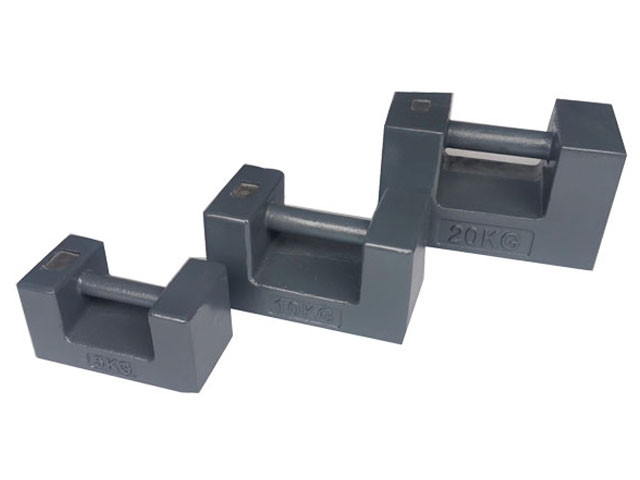
There are several key methodologies and techniques used in test weight for cranes, each with its own advantages and applications. The most common method is the use of solid test weights, which are typically made of steel, concrete, or other high-density materials. Solid test weights are available in various shapes and sizes, including blocks, plates, and cylinders, and can be stacked or combined to achieve the desired load. This method is simple, reliable, and accurate, making it suitable for most crane types and applications. However, solid test weights can be cumbersome and difficult to transport and handle, especially for large cranes with high load capacities.
Another widely used method is the water bag test, which involves the use of large, flexible bags filled with water to create the test load. Water bags are lightweight and easy to transport and deploy, making them ideal for use in remote locations or on construction sites where space is limited. The load can be easily adjusted by adding or removing water, allowing for precise load control. Water bag tests are also less damaging to the crane than solid test weights, as the load is distributed more evenly. However, this method requires careful preparation to ensure that the water bags are properly sealed and secured to prevent leaks, which could lead to inaccurate load measurements and safety hazards.
Hydraulic load testing is another advanced methodology that is commonly used for cranes with hydraulic lifting systems. This method involves using a hydraulic cylinder to apply a controlled load directly to the crane’s lifting mechanism. The hydraulic system allows for precise load application and control, and the load can be monitored in real-time using pressure gauges and other sensors. Hydraulic load testing is particularly useful for testing the performance of hydraulic components such as cylinders, pumps, and valves. However, this method requires specialized equipment and trained personnel, making it more expensive than other methods.
In recent years, technological advancements have led to the development of non-destructive testing (NDT) techniques for crane load testing. NDT techniques, such as ultrasonic testing, magnetic particle testing, and visual inspection with drones, allow for the detection of internal and external defects in the crane’s structure without causing damage to the equipment. These techniques are often used in conjunction with traditional load testing to provide a more comprehensive evaluation of the crane’s structural integrity. For example, ultrasonic testing can be used to detect cracks or flaws in the boom or other structural components, while magnetic particle testing can identify surface defects in the cables and hooks.
Several essential considerations must be taken into account when conducting test weight for cranes to ensure the safety and accuracy of the process. First and foremost, the test team must consist of qualified and experienced personnel who are familiar with crane operations and load testing procedures. The team should include a test supervisor, crane operators, engineers, and safety officers, each with clearly defined roles and responsibilities. Communication is also critical during the test, and the team should use reliable communication devices, such as two-way radios, to ensure that all instructions are clearly understood and followed.
Another important consideration is the weather conditions. Test weight procedures should not be conducted in adverse weather conditions, such as strong winds, heavy rain, snow, or fog, which can affect the stability of the crane and the accuracy of the test results. High winds, in particular, can create additional loads on the crane and the test weight, leading to inaccurate measurements and potential safety hazards. The test should be rescheduled if weather conditions are not favorable.
The stability of the crane’s base is also a crucial factor. The crane must be set up on a stable and level surface that can support the weight of the crane and the test load. If the ground is soft or uneven, it may be necessary to use outriggers, mats, or other stabilizing devices to distribute the load and prevent the crane from tipping over. The outriggers should be fully extended and properly supported, and the crane’s level should be checked before the test begins.
Additionally, it is important to ensure that the test area is clear of any obstacles or personnel who are not involved in the test. A safety perimeter should be established around the test area, and warning signs should be posted to alert others of the ongoing test. Only authorized personnel should be allowed within the safety perimeter to minimize the risk of injury in the event of an accident.
Regularity is another key consideration in test weight for cranes. Crane load testing should not be a one-time event but rather a regular part of the crane’s maintenance program. The frequency of testing depends on several factors, including the crane’s age, usage, operating environment, and regulatory requirements. In general, cranes that are used frequently or in harsh environments should be tested more often than those that are used infrequently or in mild conditions. Most regulatory bodies recommend that cranes undergo load testing at least once a year, but some applications may require more frequent testing, such as every six months or after major repairs or modifications.
The role of test weight for cranes extends beyond individual equipment safety to encompass broader industry standards and best practices. In many countries, there are strict regulations and guidelines governing crane operations and load testing, which are designed to protect workers, equipment, and the environment. Compliance with these regulations is not only a legal requirement but also a moral obligation for companies and organizations that use cranes. By adhering to test weight standards, companies can demonstrate their commitment to safety and quality, enhancing their reputation and credibility in the industry.
Furthermore, test weight for cranes contributes to the continuous improvement of crane design and technology. The data collected during load testing provides valuable insights into the performance of crane components and systems, which can be used by manufacturers to identify areas for improvement. This feedback loop helps drive innovation in crane design, leading to the development of safer, more efficient, and more reliable cranes. For example, data from load tests may reveal that a particular type of boom material is prone to deformation under heavy loads, prompting manufacturers to switch to a stronger or more durable material.
In conclusion, test weight for cranes is a critical and multifaceted practice that plays an indispensable role in ensuring the safety, reliability, and efficiency of crane operations. From pre-test preparation to post-test analysis, every phase of the test weight process is designed to validate the crane’s ability to handle its rated load capacity and withstand the demands of real-world operations. By adhering to core principles, using appropriate methodologies, and considering essential factors such as personnel qualifications, weather conditions, and base stability, test weight procedures can effectively mitigate the risks associated with crane operations. Regular load testing not only ensures compliance with regulatory requirements but also contributes to the longevity of cranes, minimizes downtime, and enhances overall operational performance. As the heavy industry and construction sectors continue to grow and evolve, the importance of test weight for cranes will only increase, serving as a cornerstone of safe and sustainable crane operations worldwide. Whether through the use of traditional solid test weights, innovative water bag systems, advanced hydraulic testing, or cutting-edge non-destructive techniques, test weight remains an essential practice that protects lives, preserves equipment, and drives progress in industries that rely on cranes to get the job done.
