





Changzhou Veidt Weighing Co., Ltd. © 2022 ALL RIGHTS RESERVED Privacy Policy | Calibration Weight | Test Weights | Cast Iron Weights | Standard Weights | Laboratory Weights | XML | SITEMAP
NEWS LIST
standard iron weight plates
Saturday 03rd January 2026 Back to list
In the world of fitness, where equipment trends come and go—from high-tech smart machines to trendy resistance bands—one piece of gear has stood the test of time: standard iron weight plates. These unassuming, durable discs have been a staple in gyms, home workout spaces, and athletic training facilities for decades, and for good reason. Unlike flashy, specialized equipment that often targets niche fitness goals, standard iron weight plates offer unparalleled versatility, reliability, and accessibility. They cater to users of all fitness levels, from beginners taking their first steps into strength training to seasoned athletes honing their performance.
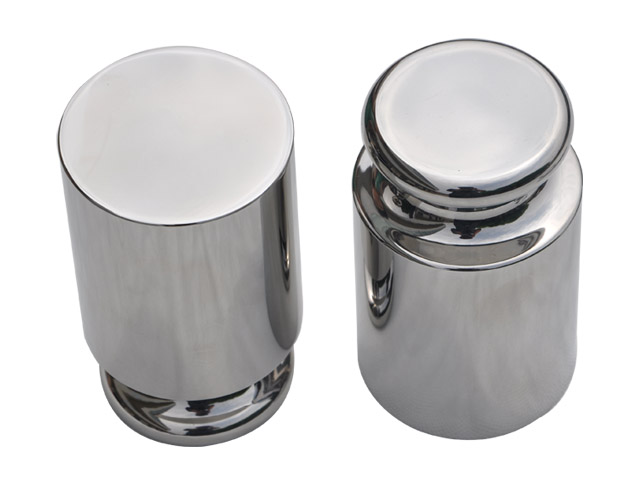
To understand the enduring appeal of standard iron weight plates, it’s first important to clarify what sets them apart from other types of weight plates. Standard iron weight plates are defined by their material—solid iron or iron alloy—and their universal sizing, typically featuring a 1-inch (25.4mm) hole that fits most standard weight bars. This distinguishes them from Olympic weight plates, which have a larger 2-inch (50mm) hole and are often used in competitive lifting. What makes standard iron plates unique is their simplicity. They lack the decorative coatings or specialized features of some modern plates, such as rubber casings or digital weight readouts, but this simplicity is precisely their strength. The solid iron construction ensures exceptional durability, capable of withstanding repeated drops, impacts, and heavy use without cracking, warping, or losing their shape. Unlike plastic or rubber plates, which can degrade over time—especially when exposed to sunlight, moisture, or extreme temperatures—iron plates maintain their integrity for years, making them a long-term investment in fitness.
One of the most significant advantages of standard iron weight plates is their versatility. They can be used to perform a wide range of exercises that target every major muscle group, making them suitable for full-body workouts, strength training, muscle building, and even functional fitness. For upper-body training, they can be paired with a standard barbell to perform bench presses, overhead presses, bent-over rows, and bicep curls. For lower-body workouts, exercises like squats, lunges, deadlifts, and calf raises are easily executed with the addition of iron plates. Beyond barbell exercises, standard iron plates can also be used independently or with other simple equipment. For example, they can be held in hand for weighted planks, Russian twists, or step-ups; placed on a dip belt for added resistance during dips or pull-ups; or even used as makeshift weights for functional movements like carries or throws. This versatility eliminates the need for multiple pieces of specialized equipment, making standard iron weight plates an economical choice for home gyms where space and budget may be limited.
Another key benefit of standard iron weight plates is their accessibility. Unlike high-end fitness equipment that can cost thousands of dollars, standard iron plates are relatively affordable, especially when purchased in sets. This accessibility makes strength training accessible to a wider audience, allowing individuals to build their own home gyms without breaking the bank. Additionally, their universal 1-inch hole size means they are compatible with most standard weight bars, which are also widely available and affordable. For beginners, this accessibility is particularly valuable. Starting a strength training routine can be intimidating, and the simplicity of standard iron plates reduces the learning curve. There’s no need to navigate complex settings or figure out how to adjust digital controls—just add or remove plates to adjust the weight to your fitness level. As users progress, they can easily add more plates to increase resistance, ensuring that the equipment grows with them and continues to challenge their muscles.
Standard iron weight plates also offer unique advantages for strength development and muscle growth. The solid iron construction provides a stable, consistent weight that allows for precise progression. Unlike some adjustable dumbbells or weight machines, where the weight may feel unstable or uneven, iron plates distribute weight evenly across the bar, ensuring proper form and reducing the risk of injury. This stability is crucial for compound exercises like squats and deadlifts, which require a strong foundation to target the correct muscle groups effectively. Additionally, the tactile nature of iron plates—their cold, solid feel—can help users focus on their movement and form, enhancing the mind-muscle connection that is essential for effective training. For athletes, standard iron plates are ideal for building functional strength, as they mimic the real-world resistance that the body encounters in sports and daily activities. Unlike machines that isolate muscles, exercises performed with iron plates engage multiple muscle groups and core stabilizers, leading to more balanced and functional fitness.
In addition to their use in traditional strength training, standard iron weight plates are also valuable in functional fitness and high-intensity interval training (HIIT). Functional fitness focuses on movements that prepare the body for daily tasks and sports, and iron plates are perfect for this purpose. Exercises like plate carries, where you hold a plate in each hand and walk for distance or time, target the core, shoulders, and legs, improving grip strength and overall stability. Plate throws, where you hurl a plate onto the ground (safely, of course), are a great way to build power and explosive strength. HIIT workouts, which combine short bursts of intense exercise with periods of rest, often incorporate iron plates due to their versatility and ease of use. For example, a HIIT routine might include rounds of weighted squats, plate push-ups, and Russian twists, all using standard iron plates to add resistance and intensity. The ability to quickly add or remove plates makes it easy to adjust the intensity of the workout, catering to different fitness levels and goals.
Maintenance of standard iron weight plates is relatively straightforward, adding to their appeal. Unlike rubber or plastic plates that can require regular cleaning to prevent mold or deterioration, iron plates only need basic care to keep them in good condition. The primary concern with iron plates is rust, which can occur if they are exposed to moisture for extended periods. To prevent rust, it’s important to store the plates in a dry, well-ventilated area. If the plates do become damp, wiping them down with a dry cloth immediately can help prevent rust formation. For plates that already have minor rust spots, a wire brush or steel wool can be used to scrub away the rust, followed by a light coating of oil (such as mineral oil or WD-40) to protect the surface. Unlike coated plates, where the coating can chip or peel over time, iron plates can be restored to their original condition with minimal effort. This low-maintenance nature means that standard iron weight plates require little time or money to keep them functional, making them a practical choice for busy individuals or gym owners.
When it comes to choosing standard iron weight plates, there are a few factors to consider to ensure you get the right set for your needs. First, consider the weight increments. Standard iron plates are available in a range of weights, typically starting from 2.5 pounds (1.13kg) up to 45 pounds (20.41kg) or more. For beginners, a set that includes lighter weights (2.5kg, 5kg, 10kg) is ideal, as it allows for gradual progression. More advanced users may want to invest in heavier plates to challenge themselves. Second, consider the quantity. A basic set might include two of each weight, but if you plan on lifting heavy, you may need additional plates to reach your desired weight. Third, check the quality of the plates. Look for plates that are made from solid iron (not iron-coated plastic) and have a smooth, even surface. The hole should be properly sized to fit standard 1-inch bars without being too loose or too tight. Finally, consider your storage space. Standard iron plates are compact and can be stored on a plate tree or in a storage rack, which helps keep your workout space organized and prevents damage to the plates.
Despite the proliferation of modern fitness equipment, standard iron weight plates remain a popular choice among fitness enthusiasts, trainers, and athletes. Their enduring popularity can be attributed to their simplicity, durability, versatility, and accessibility. In a world where fitness trends come and go, iron plates offer a timeless, reliable solution for anyone looking to build strength, improve fitness, or maintain a healthy lifestyle. They are not flashy or high-tech, but they get the job done, and they do it well. Whether you’re setting up a home gym, training for a sport, or just looking to stay in shape, standard iron weight plates are an investment that will pay off for years to come.
In conclusion, standard iron weight plates are more than just pieces of fitness equipment—they are a testament to the enduring value of simplicity and functionality in fitness. Their solid iron construction ensures durability, their universal sizing ensures compatibility, and their versatility makes them suitable for a wide range of exercises and fitness goals. They are accessible to users of all fitness levels and budgets, and their low-maintenance nature makes them a practical choice for long-term use. Whether you’re a beginner taking your first steps into strength training or a seasoned athlete pushing your limits, standard iron weight plates offer the reliability and performance you need to achieve your fitness goals. In a fitness landscape dominated by trends and technology, standard iron weight plates remain a constant, proving that sometimes the simplest tools are the most effective.
