





Changzhou Veidt Weighing Co., Ltd. © 2022 ALL RIGHTS RESERVED Privacy Policy | Calibration Weight | Test Weights | Cast Iron Weights | Standard Weights | Laboratory Weights | XML | SITEMAP
NEWS LIST
standard cast iron weights
Saturday 03rd January 2026 Back to list
In the realm of measurement and industrial accuracy, few tools are as indispensable yet underappreciated as standard cast iron weights. These unassuming objects serve as the backbone of countless operations, from calibrating scales in local markets to ensuring the precision of heavy machinery in manufacturing plants. Their durability, stability, and cost-effectiveness have made them a preferred choice across diverse sectors for centuries.
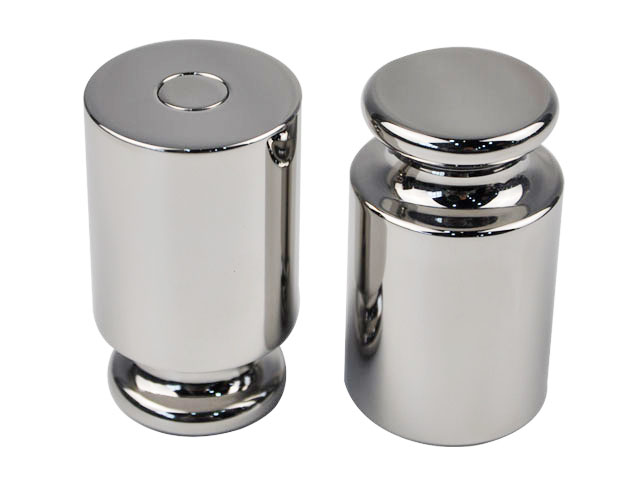
To understand the value of standard cast iron weights, it is first essential to grasp the unique properties of cast iron that make it ideal for this purpose. Cast iron is an alloy primarily composed of iron, carbon, and silicon, with carbon content typically ranging between 2% and 4%. This chemical composition endows cast iron with several key characteristics that are critical for weight applications. Unlike other metals such as aluminum or copper, cast iron boasts exceptional density, which means that weights made from this material can achieve significant mass without excessive size. This compactness is particularly advantageous in settings where space is limited, such as laboratory calibration rooms or industrial control panels.
Another vital property of cast iron is its high degree of stability. Once cast and properly treated, cast iron weights exhibit minimal dimensional changes over time, even when exposed to fluctuations in temperature and humidity. This stability ensures that their mass remains consistent, a trait that is non-negotiable for objects tasked with maintaining measurement accuracy. Additionally, cast iron is highly resistant to wear and tear, capable of withstanding repeated handling, impacts, and exposure to harsh industrial environments without deforming or losing mass. This durability translates to a long service life, making cast iron weights a cost-effective investment for businesses and institutions alike.
The manufacturing process of standard cast iron weights is a meticulous undertaking that demands precision and attention to detail to ensure consistency and accuracy. The process begins with the selection of high-quality cast iron raw materials. Foundries carefully source iron ore and other additives to create an alloy with the exact carbon and silicon content required for optimal performance. Impurities in the raw materials are minimized through a series of purification steps, as even small amounts of foreign substances can alter the density and stability of the final product.
Once the raw materials are prepared, the casting process commences. The most common method used for manufacturing cast iron weights is sand casting, a time-tested technique that allows for the production of complex shapes and sizes with relative ease. In this process, a mold is created by packing sand around a pattern that replicates the desired shape of the weight. The pattern is typically made from wood, metal, or plastic and is designed to account for the shrinkage of cast iron as it cools. After the mold is prepared, molten cast iron—heated to temperatures exceeding 1,300 degrees Celsius—is poured into the mold cavity. The molten metal fills the mold, taking on the shape of the pattern, and is left to cool and solidify.
Once solidified, the mold is broken apart to reveal the rough cast iron weight. At this stage, the weight undergoes a series of finishing processes to refine its shape and ensure accuracy. Excess material, known as flash, is removed using grinding or machining tools. The weight is then subjected to a heat treatment process, such as annealing, which involves heating the metal to a specific temperature and then allowing it to cool slowly. This heat treatment relieves internal stresses in the cast iron, enhancing its stability and reducing the risk of future deformation. Finally, the weight is precision-machined to achieve its exact target mass. This machining process is critical, as it allows manufacturers to adjust the weight to meet strict standard tolerances. Advanced measuring tools, such as precision balances and calipers, are used to verify the mass of each weight before it is deemed ready for use.
Standard cast iron weights come in a wide range of sizes and configurations to suit different applications. They can be as small as a few grams, used for calibrating laboratory balances, or as large as several tons, employed in industrial settings to test heavy-duty scales and machinery. Common configurations include cylindrical weights, rectangular weights, and hexagonal weights, each designed to facilitate easy handling and storage. Some weights are equipped with handles or hooks to simplify transportation and placement, while others feature flat surfaces to ensure stable positioning on scales or other measurement devices.
The applications of standard cast iron weights are vast and varied, spanning numerous industries and sectors. One of the most common uses is in the calibration of weighing equipment. Scales of all types—from the small digital scales used in pharmacies and jewelry stores to the large platform scales found in warehouses and shipping yards—require regular calibration to ensure accurate readings. Standard cast iron weights serve as the reference standard for this calibration process. By comparing the reading of a scale when a known cast iron weight is placed on it, technicians can adjust the scale to eliminate any errors, ensuring that it provides reliable measurements.
In the manufacturing industry, standard cast iron weights play a crucial role in quality control and production processes. Many manufacturing operations require precise measurement of raw materials, components, and finished products to ensure they meet design specifications. For example, in the automotive industry, cast iron weights are used to calibrate the scales that measure engine parts and other components, ensuring that each part is within the required weight tolerance. In the construction industry, they are used to test the accuracy of concrete mixers and other equipment that measures materials by weight. Additionally, cast iron weights are used in the testing of machinery, such as cranes and hoists, to verify their load-bearing capacity and ensure safe operation.
The agricultural sector also relies heavily on standard cast iron weights. Farmers and agricultural processors use scales to measure crops, livestock feed, and fertilizers, and these scales must be calibrated regularly to ensure fair and accurate transactions. Cast iron weights are ideal for this purpose due to their durability and resistance to the harsh outdoor conditions often encountered in agriculture. They are also used in the calibration of equipment such as grain elevators and livestock scales, helping to maintain the integrity of the agricultural supply chain.
Laboratory and scientific research is another area where standard cast iron weights are essential. In scientific experiments, precise measurement is critical to the validity of results. Cast iron weights are used to calibrate analytical balances and other precision measuring instruments in chemistry, physics, and biology laboratories. Their stability and accuracy ensure that the measurements taken during experiments are reliable, allowing researchers to draw valid conclusions from their data. Additionally, cast iron weights are used in metrology—the science of measurement—where they serve as reference standards for the development and maintenance of measurement systems.
Beyond these industrial and scientific applications, standard cast iron weights also play a role in everyday life. They are used in the calibration of scales in grocery stores, markets, and post offices, ensuring that consumers are charged correctly for the products they purchase. They are also used in fitness centers to calibrate weightlifting equipment, helping athletes and fitness enthusiasts track their progress accurately. In some cases, cast iron weights are even used in educational settings to teach students about the principles of measurement and mass.
One of the key advantages of standard cast iron weights over other types of weights—such as those made from stainless steel or aluminum—is their cost-effectiveness. Cast iron is a relatively inexpensive material, and the sand casting process used to manufacture cast iron weights is less complex and costly than the processes required to produce weights from other metals. This makes cast iron weights an affordable option for businesses and institutions with budget constraints, without compromising on quality or accuracy. Additionally, the long service life of cast iron weights means that they do not need to be replaced frequently, further reducing long-term costs.
Another advantage of cast iron weights is their versatility. As mentioned earlier, they are available in a wide range of sizes and configurations, making them suitable for a diverse array of applications. Whether it is calibrating a small laboratory balance or testing a large industrial scale, there is a cast iron weight that can meet the requirements. Additionally, cast iron weights can be customized to suit specific needs, such as adding handles or adjusting the shape to fit a particular measurement device. This versatility makes them a flexible solution for many measurement challenges.
Despite their many advantages, standard cast iron weights do require proper maintenance to ensure their long-term accuracy and performance. One of the most important maintenance tasks is regular cleaning. Cast iron weights can accumulate dust, dirt, and other debris over time, which can add to their mass and affect measurement accuracy. To prevent this, weights should be cleaned regularly using a soft cloth or brush. Harsh chemicals should be avoided, as they can damage the surface of the cast iron and potentially alter its properties.
Proper storage is also critical for maintaining the integrity of cast iron weights. They should be stored in a dry, clean environment to prevent rust and corrosion. Moisture can cause cast iron to rust, which not only affects the appearance of the weights but can also lead to a loss of mass over time. To further protect against rust, some cast iron weights are coated with a protective layer of paint or oil. This coating should be inspected regularly and reapplied if necessary. Additionally, weights should be stored in a way that prevents them from being damaged or deformed, such as placing them on flat surfaces and avoiding stacking them in a way that puts excessive pressure on the lower weights.
Regular inspection and calibration are also essential for ensuring the accuracy of standard cast iron weights. Even with proper maintenance, weights can undergo slight changes in mass over time due to wear and tear or environmental factors. For this reason, it is recommended that cast iron weights be inspected and recalibrated at regular intervals. The frequency of calibration depends on the application and the level of accuracy required. For example, weights used in laboratory settings may need to be calibrated more frequently than those used in less precise industrial applications. During calibration, the weight is compared to a reference standard of known mass, and any discrepancies are corrected through machining or other adjustments.
In recent years, there have been some advancements in the manufacturing of standard cast iron weights, aimed at improving their accuracy and performance. For example, the use of computer-aided design (CAD) and computer-aided manufacturing (CAM) technologies has allowed for more precise pattern making and machining, resulting in weights that meet tighter tolerances. Additionally, new heat treatment techniques have been developed to enhance the stability and durability of cast iron, further extending the service life of the weights. Despite these advancements, the basic principles of cast iron weight manufacturing remain largely unchanged, a testament to the effectiveness of the traditional methods.
Looking to the future, standard cast iron weights are likely to remain a vital tool in measurement and industry. While new materials and technologies may emerge, the unique combination of density, stability, durability, and cost-effectiveness offered by cast iron is difficult to match. In industries where precision and reliability are paramount, such as manufacturing, aerospace, and healthcare, cast iron weights will continue to play a crucial role in ensuring quality and accuracy. Additionally, as global trade and commerce continue to expand, the need for standardized measurement tools—including cast iron weights—will only grow, as they help to ensure fair and consistent transactions across borders.
In conclusion, standard cast iron weights are unsung heroes of the modern world, playing a critical role in countless applications that rely on precision measurement. Their unique properties, meticulous manufacturing process, and versatility make them an indispensable tool in industries ranging from manufacturing and agriculture to scientific research and everyday commerce. While they require proper maintenance to ensure their accuracy, their cost-effectiveness and long service life make them a wise investment for any organization that values reliable measurement. As technology continues to advance, standard cast iron weights will undoubtedly evolve to meet the changing needs of industry, but their fundamental role in maintaining the integrity of measurement systems will remain unchanged. Whether in a laboratory, a factory, or a local market, standard cast iron weights are a testament to the importance of precision and standardization in our daily lives.
