





Changzhou Veidt Weighing Co., Ltd. © 2022 ALL RIGHTS RESERVED Privacy Policy | Calibration Weight | Test Weights | Cast Iron Weights | Standard Weights | Laboratory Weights | XML | SITEMAP
NEWS LIST
standard cast iron weight plates
Saturday 03rd January 2026 Back to list
In the world of fitness and strength training, certain equipment pieces stand the test of time, transcending trends and technological advancements. Among these, standard cast iron weight plates hold a special place. Unlike their modern counterparts with fancy coatings or digital integrations, these simple, robust weights have remained a staple in gyms, home workout spaces, and athletic facilities for decades. Their enduring popularity is not merely a matter of nostalgia; it stems from a unique combination of durability, functionality, versatility, and affordability that few other weight training tools can match.
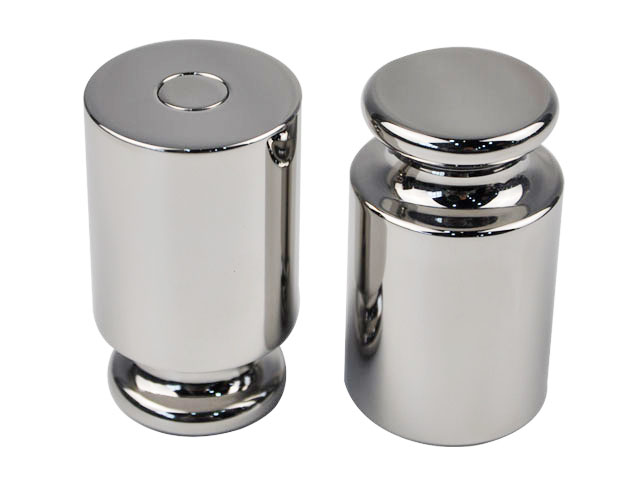
To understand the appeal of standard cast iron weight plates, it is first essential to grasp what defines them. At their core, these weight plates are made from cast iron, a material known for its exceptional strength and hardness. The manufacturing process involves melting iron and pouring it into molds of specific shapes and sizes, which are then allowed to cool and solidify. This casting method ensures that each plate has a consistent weight and structure, a crucial factor for effective strength training. Standard cast iron weight plates typically feature a circular design with a central hole that allows them to be slid onto weight bars. The diameter of the central hole varies slightly depending on the region, but the most common sizes are 1-inch (for standard bars) and 2-inch (for Olympic bars), making them compatible with the majority of weightlifting equipment available globally.
One of the most prominent characteristics of standard cast iron weight plates is their durability. Cast iron is a material that can withstand heavy use, repeated impacts, and harsh environmental conditions without showing significant signs of wear and tear. Unlike plastic or rubber-coated weights, which can crack, chip, or degrade over time, cast iron plates are resistant to damage from drops, collisions, and exposure to moisture or extreme temperatures. This durability means that a set of standard cast iron weight plates can last for decades, even with daily use in a busy gym setting. For home users, this translates to a long-term investment that does not require frequent replacement, making them a cost-effective choice in the long run.
Another key advantage of standard cast iron weight plates is their functional simplicity. They have no moving parts, no electronic components, and no complex mechanisms to maintain. This simplicity makes them incredibly easy to use, even for beginners. Unlike some modern weight equipment that requires assembly, calibration, or battery replacements, cast iron plates can be taken out of the box and used immediately. All you need to do is slide them onto a weight bar, secure them with collars, and start your workout. This ease of use eliminates any barriers to entry, allowing fitness enthusiasts of all skill levels to incorporate them into their training routines without any hassle.
Versatility is yet another factor that contributes to the popularity of standard cast iron weight plates. They can be used for a wide range of strength training exercises, making them a versatile addition to any workout space. From classic compound movements like squats, deadlifts, bench presses, and overhead presses to isolation exercises such as bicep curls, tricep extensions, and lateral raises, cast iron plates can be adapted to suit almost any training goal. They can also be used without a weight bar for exercises like lunges, step-ups, or weighted planks, adding resistance to bodyweight movements and enhancing their effectiveness. This versatility makes them ideal for both full-body workouts and targeted muscle group training, catering to the diverse needs of fitness enthusiasts.
In addition to their versatility in exercises, standard cast iron weight plates are also highly adaptable in terms of weight progression. They are available in a wide range of weight increments, from as light as 0.5 kilograms (or 1 pound) to as heavy as 25 kilograms (or 55 pounds) or more. This allows users to gradually increase the weight as their strength improves, a fundamental principle of progressive overload that is essential for muscle growth and strength development. Beginners can start with lighter weights to master proper form and technique, while advanced users can stack heavier plates to challenge themselves and push their limits. The ability to fine-tune the weight load makes cast iron plates suitable for users at all stages of their fitness journey.
Affordability is another significant benefit of standard cast iron weight plates. Compared to other types of weight plates, such as rubber-coated, urethane, or adjustable plates, cast iron plates are generally more affordable. This is because the manufacturing process for cast iron is relatively simple and cost-effective, and the material itself is readily available. For individuals who are building a home gym on a budget, standard cast iron weight plates offer an excellent way to acquire high-quality training equipment without breaking the bank. Even for commercial gyms that need to purchase large quantities of weights, cast iron plates provide a cost-efficient solution that does not compromise on quality or durability.
Despite their many advantages, standard cast iron weight plates are not without their minor drawbacks. One of the most notable is their lack of noise dampening. Unlike rubber or urethane-coated plates, which absorb shock and reduce noise when dropped, cast iron plates can produce a loud clanging sound when they come into contact with the floor or other plates. This can be a concern for home users who live in apartments or shared spaces, as the noise may disturb neighbors. However, this issue can be mitigated by using a weightlifting mat or platform, which absorbs some of the impact and reduces the noise level. Another minor drawback is that cast iron plates can rust if not properly maintained. Exposure to moisture, such as sweat or humid environments, can cause surface rust over time. Fortunately, this is easily preventable with regular cleaning and occasional oiling to protect the surface.
When it comes to maintaining standard cast iron weight plates, the process is relatively straightforward. Regular cleaning with a dry cloth to remove dust, dirt, and sweat is usually sufficient to keep them in good condition. If surface rust does appear, it can be removed using a wire brush or steel wool, followed by a light application of oil (such as mineral oil or machine oil) to prevent further rusting. It is also important to store the plates in a dry, well-ventilated area to avoid exposure to moisture. By following these simple maintenance steps, users can ensure that their cast iron plates remain in optimal condition for many years.
The applications of standard cast iron weight plates extend beyond traditional gym settings. They are also widely used in athletic training facilities, physical therapy clinics, and even in some industrial settings for functional training. In athletic training, cast iron plates are used to help athletes build strength, power, and endurance, which are essential for performance in sports such as football, basketball, track and field, and wrestling. In physical therapy, they are used to assist with rehabilitation exercises, helping patients regain strength and mobility after injuries or surgeries. The adjustable weight increments and simple design make them ideal for customized therapy programs that cater to the specific needs of each patient.
Another area where standard cast iron weight plates shine is in functional training. Functional training focuses on movements that mimic real-life activities, such as lifting, carrying, pushing, and pulling. Cast iron plates are perfect for this type of training because they can be easily manipulated and used in a variety of ways. For example, users can carry a single plate in each hand for walking lunges, lift a plate overhead for shoulder stability exercises, or push a plate across the floor for core and upper body strength training. The versatility of cast iron plates makes them an essential tool for functional training programs that aim to improve overall fitness and daily living capabilities.
In recent years, there has been a growing trend towards modern, high-tech fitness equipment, such as smart weights, adjustable dumbbells, and digital workout machines. While these tools offer certain benefits, such as space-saving features and connectivity options, they have not replaced standard cast iron weight plates. Instead, many fitness enthusiasts and gyms continue to use cast iron plates alongside modern equipment, recognizing that they offer unique advantages that cannot be replicated by high-tech alternatives. For example, the tactile feel of cast iron plates, the ability to stack them in any combination, and the simplicity of their design make them a favorite among purists who value the fundamentals of strength training.
The timeless appeal of standard cast iron weight plates also lies in their association with the history and culture of strength training. For decades, they have been used by bodybuilders, weightlifters, and fitness icons to build legendary physiques and achieve remarkable feats of strength. This rich history gives cast iron plates a sense of authenticity and tradition that resonates with many fitness enthusiasts. Using cast iron plates is not just about working out; it is about connecting with a long-standing tradition of hard work, discipline, and physical excellence.
When choosing standard cast iron weight plates, there are a few factors to consider to ensure that you select the right set for your needs. First, you should consider the size of the central hole to ensure compatibility with your weight bar. If you have a standard 1-inch bar, you will need plates with a 1-inch hole, while an Olympic 2-inch bar requires plates with a 2-inch hole. Second, you should consider the weight increments that you need. Beginners may want to start with a set that includes lighter weights (such as 1kg, 2.5kg, and 5kg), while advanced users may need heavier weights (such as 10kg, 15kg, and 20kg). Finally, you should consider the quality of the plates. Look for plates that have a smooth, consistent surface, no cracks or defects, and a precise weight. While most standard cast iron weight plates are of high quality, it is still important to inspect them before purchasing.
In conclusion, standard cast iron weight plates are a timeless and indispensable tool in the world of fitness and strength training. Their durability, functional simplicity, versatility, affordability, and adaptability make them a preferred choice for fitness enthusiasts of all skill levels, from beginners to professionals. Despite the emergence of modern, high-tech fitness equipment, cast iron plates continue to hold their own, thanks to their unique advantages and the rich tradition associated with them. Whether you are building a home gym, outfitting a commercial facility, or simply looking for a reliable way to improve your strength and fitness, standard cast iron weight plates are an excellent investment that will serve you well for many years to come. Their enduring popularity is a testament to their practical value and the fact that sometimes, the simplest tools are the most effective.
