





Changzhou Veidt Weighing Co., Ltd. © 2022 ALL RIGHTS RESERVED Privacy Policy | Calibration Weight | Test Weights | Cast Iron Weights | Standard Weights | Laboratory Weights | XML | SITEMAP
NEWS LIST
stainless steel calibration weights
Saturday 03rd January 2026 Back to list
In the realm of precision measurement, calibration weights stand as unsung heroes, ensuring that scales and balances operate with the accuracy required across countless industries and applications. Among the various materials used to craft these critical tools, stainless steel has emerged as a preferred choice, offering a unique combination of durability, stability, and resistance to environmental factors.
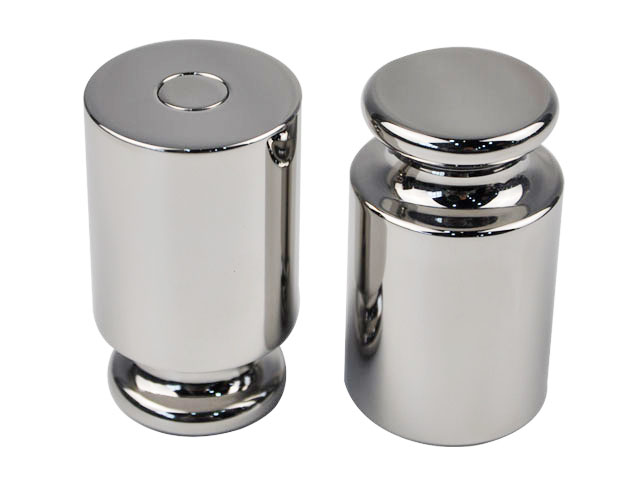
To understand the value of stainless steel calibration weights, it is first essential to grasp the core purpose of calibration weights themselves. Calibration—the process of comparing a measuring instrument’s output to a known standard—is the foundation of reliable measurement. Without accurate calibration, scales used in laboratories, manufacturing facilities, or commercial settings could produce erroneous readings, leading to flawed research, substandard products, or financial losses. Calibration weights serve as these "known standards," providing a reference point against which the performance of weighing equipment is evaluated and adjusted. The material of these weights is therefore paramount, as it directly impacts their ability to maintain consistent mass over time and under varying conditions.
Stainless steel, a family of iron-based alloys containing at least 10.5% chromium, possesses a set of properties that make it ideal for calibration weight production. One of the most notable advantages is its exceptional corrosion resistance. Unlike carbon steel, which readily rusts when exposed to moisture, oxygen, or harsh chemicals, stainless steel forms a passive chromium oxide layer on its surface. This thin, invisible layer acts as a barrier, preventing further oxidation and degradation. This resistance is particularly crucial for calibration weights, which may be used in environments with high humidity, such as laboratories handling aqueous solutions, or in industrial settings where exposure to chemicals is common. A weight that corrodes or oxidizes will experience a change in mass, rendering it inaccurate and unreliable as a calibration standard.
Another key property of stainless steel is its mechanical strength and durability. Calibration weights are often subjected to regular handling—being moved between storage and weighing equipment, placed on and removed from scales, and occasionally transported between locations. Stainless steel’s robustness ensures that these weights can withstand such handling without suffering deformation, chipping, or cracking. Deformation is a critical concern for calibration weights, as even a minor change in shape can alter their mass. Unlike more brittle materials, stainless steel maintains its structural integrity under normal use, preserving its precise mass for extended periods. This durability translates to a longer service life, reducing the need for frequent replacement and lowering long-term costs for users.
Stability of mass is perhaps the most vital characteristic of any calibration weight, and stainless steel excels in this regard. Mass stability refers to a weight’s ability to retain its specified mass over time, unaffected by environmental factors or normal wear. Stainless steel alloys are carefully formulated to minimize mass drift, which can occur due to chemical reactions, absorption of moisture, or loss of material. For example, some stainless steel grades used in calibration weights have low porosity, reducing the likelihood of moisture absorption or contamination by foreign substances. This stability ensures that the weight remains a trustworthy reference standard, eliminating the need for frequent re-calibration of the weight itself.
The versatility of stainless steel further contributes to its popularity in calibration weight manufacturing. Different grades of stainless steel can be tailored to meet the specific needs of various applications. For instance, austenitic stainless steels, such as 304 and 316, are widely used due to their excellent corrosion resistance and ductility. 316 stainless steel, in particular, offers enhanced resistance to chloride environments, making it suitable for use in marine laboratories, food processing facilities, or any setting where saltwater or chloride-based chemicals are present. Ferritic stainless steels, on the other hand, are valued for their magnetic properties and resistance to stress corrosion cracking, making them appropriate for certain industrial applications where magnetic compatibility is required. This range of grades allows manufacturers to produce calibration weights that are optimized for diverse operating conditions, ensuring performance and reliability across sectors.
The applications of stainless steel calibration weights are as varied as the industries that depend on precision measurement. In the scientific and research community, these weights are indispensable tools in laboratories conducting chemical, biological, and physical experiments. For example, in analytical chemistry, precise measurements of reagents are critical to the success of experiments, and calibrated balances—ensured by accurate stainless steel weights—are essential for achieving reproducible results. In pharmaceutical research, where the purity and dosage of compounds are paramount, calibration weights play a key role in verifying the accuracy of scales used to measure active ingredients. The corrosion resistance of stainless steel is particularly beneficial in these settings, where exposure to solvents, acids, and other harsh chemicals is common.
Manufacturing and industrial sectors also rely heavily on stainless steel calibration weights to maintain product quality and consistency. In industries such as automotive manufacturing, where precision components are produced to tight tolerances, calibrated scales are used to ensure that parts meet exact weight specifications. Stainless steel weights are used to calibrate these scales, ensuring that measurements are accurate and reliable. In the food and beverage industry, calibration weights are essential for verifying the accuracy of scales used in ingredient measurement, portion control, and packaging. The hygiene properties of stainless steel—its resistance to bacterial growth and ease of cleaning—make it an ideal choice for these applications, where food safety is a top priority. Additionally, in the electronics industry, where small, precise components are manufactured, stainless steel calibration weights are used to calibrate microbalances, ensuring that even the smallest measurements are accurate.
Commercial settings, such as retail stores, markets, and postal services, also use stainless steel calibration weights to ensure fair and accurate transactions. Retail scales used to weigh produce, meat, and other goods must be calibrated regularly to comply with legal metrology requirements, which mandate that scales provide accurate measurements to protect consumers. Stainless steel weights are used to calibrate these scales, ensuring that they meet the required accuracy standards. Postal scales, which are used to determine shipping costs based on weight, also rely on calibration weights to ensure that measurements are accurate, preventing overcharging or undercharging customers. The durability and stability of stainless steel make these weights ideal for frequent use in high-traffic commercial environments.
Proper maintenance and handling of stainless steel calibration weights are essential to preserve their accuracy and extend their service life. While stainless steel is durable and corrosion-resistant, it is not impervious to damage, and improper handling can lead to mass changes or deformation. One of the most important maintenance practices is regular cleaning. Weights can accumulate dust, dirt, or contaminants during use, which can add to their mass and affect calibration accuracy. Cleaning should be performed using a mild detergent and a soft cloth or brush, avoiding abrasive materials that could scratch the surface. After cleaning, weights should be thoroughly dried to prevent moisture buildup, which could compromise the passive oxide layer. In environments where exposure to chemicals is common, additional cleaning may be necessary to remove any chemical residues that could cause corrosion.
Proper storage is another critical factor in maintaining the integrity of stainless steel calibration weights. Weights should be stored in a clean, dry environment, away from sources of moisture, heat, or chemicals. They should be placed in a dedicated storage case or rack to prevent contact with other objects that could cause scratches or dents. It is also important to store weights in a way that minimizes their exposure to air, as prolonged exposure to humid air can eventually lead to surface discoloration or minor corrosion. Some users choose to store weights in sealed containers with desiccants to absorb moisture, further protecting them from environmental damage.
Handling practices also play a significant role in preserving calibration weights. Weights should always be handled with clean, dry hands, or with the use of gloves to prevent the transfer of oils, dirt, or moisture. Dropping or striking a weight can cause deformation or chipping, which will alter its mass, so careful handling is essential. When placing weights on a scale, they should be set down gently to avoid damaging the scale’s pan or the weight itself. Additionally, weights should not be used for any purpose other than calibration, as using them as tools or for lifting objects can cause damage.
Regular re-calibration of the weights themselves is another important maintenance step. While stainless steel weights are stable, factors such as prolonged use, environmental conditions, or accidental damage can cause small changes in mass over time. Re-calibration involves comparing the weight to a higher-level standard weight to verify its accuracy. The frequency of re-calibration depends on the application and the level of precision required. In high-precision environments, such as laboratories, weights may need to be re-calibrated annually or even more frequently. In less demanding settings, re-calibration every two to three years may be sufficient. Regular re-calibration ensures that the weights remain accurate and reliable, providing trustworthy reference standards for scale calibration.
The choice of stainless steel over other materials for calibration weights is justified by the limitations of alternative options. For example, brass was once a common material for calibration weights due to its low cost and ease of machining. However, brass is prone to corrosion, especially in humid environments, and its mass can change over time due to oxidation. This makes it less suitable for applications requiring long-term stability. Aluminum is lightweight and corrosion-resistant, but it is relatively soft and prone to deformation, making it unsuitable for high-precision calibration. Tungsten carbide is extremely dense and stable, but it is brittle and expensive, limiting its use to specialized high-precision applications. Stainless steel, by contrast, offers a balance of corrosion resistance, durability, stability, and affordability that makes it suitable for a wide range of calibration needs.
Looking to the future, the role of stainless steel calibration weights is likely to remain vital as industries continue to demand higher levels of precision in measurement. Advances in manufacturing technology may lead to even more precise stainless steel weights, with tighter tolerances and improved mass stability. Additionally, as industries such as renewable energy, aerospace, and biotechnology expand, the need for accurate calibration will grow, further driving the demand for reliable stainless steel calibration weights. The ongoing development of new stainless steel alloys with enhanced properties, such as improved corrosion resistance or higher strength, may also expand the range of applications for these weights, making them even more versatile.
In conclusion, stainless steel calibration weights are essential tools in the world of precision measurement, offering a unique combination of corrosion resistance, durability, mass stability, and versatility. Their widespread adoption across scientific, industrial, commercial, and retail sectors is a testament to their reliability and effectiveness. Proper maintenance and handling are crucial to preserving their accuracy, ensuring that they continue to serve as trustworthy reference standards for years to come. As industries continue to prioritize precision and quality, the importance of stainless steel calibration weights will only continue to grow, solidifying their place as indispensable components of modern measurement systems.
