





Changzhou Veidt Weighing Co., Ltd. © 2022 ALL RIGHTS RESERVED Privacy Policy | Calibration Weight | Test Weights | Cast Iron Weights | Standard Weights | Laboratory Weights | XML | SITEMAP
NEWS LIST
scale calibration weights
Saturday 03rd January 2026 Back to list
In the realm of measurement accuracy, scale calibration weights stand as unsung heroes, ensuring that the scales we rely on for countless daily and industrial tasks provide reliable and consistent results. From the local grocery store weighing produce to high-precision manufacturing facilities monitoring component weights, the integrity of these measurements hinges on the proper use of calibration weights. Yet, despite their ubiquity and importance, many people remain unfamiliar with the nuances of these essential tools.
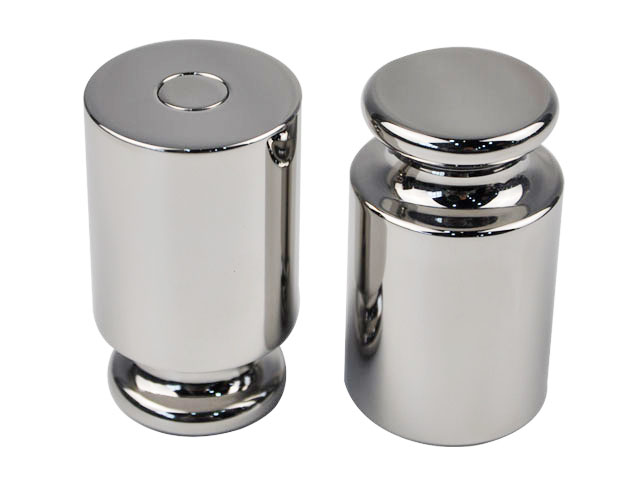
At its core, the purpose of scale calibration weights is to verify and adjust the accuracy of weighing scales. Over time, scales can drift from their original calibration due to a variety of factors, including regular use, environmental conditions such as temperature and humidity fluctuations, mechanical wear and tear, and even transportation or relocation. Without periodic calibration using standardized weights, these discrepancies can lead to incorrect measurements, which can have far-reaching consequences. In commercial settings, for example, inaccurate scales can result in financial losses for either the business or the customer—either by undercharging for goods that are heavier than recorded or overcharging for lighter items. In industrial applications, such as pharmaceutical manufacturing or aerospace component production, imprecise weight measurements can compromise product quality, safety, and compliance with industry regulations. Even in household settings, a poorly calibrated kitchen scale can affect the outcome of cooking and baking, leading to failed recipes or inconsistent results. Thus, scale calibration weights serve as a reference point, allowing users to adjust scales to meet predefined accuracy standards and ensure that measurements are trustworthy.
The significance of calibration weights extends beyond individual transactions and product quality; it also plays a crucial role in maintaining consistency and interoperability across global markets. In an increasingly interconnected world, products and components often move across international borders, and standardized measurements are essential to ensure that these items meet the same quality and safety requirements regardless of their origin. Calibration weights, when designed and used in accordance with global measurement standards, help facilitate this consistency by providing a common reference for weighing scales worldwide. This not only simplifies trade but also ensures that consumers and businesses can have confidence in the products they buy and sell, regardless of where they are manufactured or sold. Moreover, in scientific research and development, precise measurements are the foundation of reliable experiments and discoveries. Calibration weights enable researchers to ensure that their weighing equipment is accurate, allowing them to collect data that is reproducible and trustworthy—an essential requirement for advancing scientific knowledge.
Scale calibration weights come in a wide range of types, each designed to meet specific application requirements. One of the primary distinctions among calibration weights is their material composition, which directly impacts their durability, stability, and accuracy. Stainless steel is one of the most common materials used for calibration weights, thanks to its resistance to corrosion, wear, and deformation. Stainless steel weights are suitable for a variety of environments, including laboratories, industrial facilities, and commercial settings, and they offer excellent long-term stability, ensuring that their weight remains consistent over time. Another popular material is brass, which is often used for lower-precision applications. Brass weights are cost-effective and relatively durable, making them ideal for general-purpose calibration tasks, such as calibrating bathroom scales or basic commercial scales. For high-precision applications, such as metrology laboratories or advanced manufacturing, weights made from materials like tungsten carbide are preferred. Tungsten carbide is extremely dense, which allows for smaller, more compact weights with high mass, and it offers exceptional stability and resistance to wear, making it ideal for applications where the highest level of accuracy is required.
In addition to material-based classifications, calibration weights are also categorized by their shape and design. Cylindrical weights are among the most common, featuring a simple, compact design that makes them easy to handle and store. These weights are often used for calibrating bench scales, floor scales, and other common weighing equipment. Cube-shaped weights are another popular option, offering a stable base that prevents rolling, which is particularly useful in environments where precision handling is critical. For specialized applications, such as calibrating hanging scales or crane scales, hook-shaped or loop-shaped weights are used, allowing them to be easily attached to the scale’s load cell. Some calibration weights also feature handles or knobs for easy gripping, which is essential when working with larger, heavier weights that require manual handling. The shape of the weight is not merely a matter of convenience; it also plays a role in ensuring accurate calibration, as improper handling or placement can introduce errors into the measurement process.
Another key classification of calibration weights is based on their accuracy class, which defines the maximum allowable error for a given weight. Accuracy classes range from low-precision classes suitable for general use to high-precision classes designed for metrological applications. For example, lower accuracy classes are typically used in commercial settings, such as grocery stores or warehouses, where a small degree of error is acceptable. Higher accuracy classes, on the other hand, are required in laboratories, pharmaceutical manufacturing, and other industries where even the smallest measurement error can have significant consequences. The accuracy class of a weight is determined by rigorous testing and calibration processes, ensuring that it meets predefined standards for precision and stability. When selecting calibration weights, it is essential to choose a class that matches the accuracy requirements of the scale being calibrated, as using a weight with a lower accuracy class than needed will result in inaccurate scale calibration, while using a higher accuracy class than necessary may be unnecessarily costly.
Selecting the right scale calibration weights requires careful consideration of several factors, including the intended application, the accuracy requirements of the scale, environmental conditions, and handling needs. The first step in selecting calibration weights is to determine the range of weights needed to calibrate the scale. Scales have specific capacity ranges, and calibration weights should cover the entire range of the scale to ensure that it is accurate at all measurement points. For example, a scale with a capacity of 100 kilograms should be calibrated using weights that range from a small increment (such as 1 kilogram) up to 100 kilograms. Using weights that only cover a portion of the scale’s range can result in inaccurate measurements at the untested points.
The accuracy requirements of the application are also a critical factor in selecting calibration weights. As mentioned earlier, different industries and applications have varying levels of acceptable error. For example, a kitchen scale used for home baking may only require a low-precision calibration weight, while a scale used to measure pharmaceutical ingredients may need a high-precision weight with a very low allowable error. It is important to consult the manufacturer’s specifications for the scale to determine the required accuracy class of the calibration weights. Additionally, environmental conditions can impact the performance of calibration weights, so it is important to select weights that are compatible with the environment in which they will be used. For example, in humid or corrosive environments, such as marine or chemical processing facilities, corrosion-resistant materials like stainless steel or tungsten carbide are essential to ensure that the weights maintain their accuracy over time. In high-temperature environments, weights made from materials with high thermal stability should be selected to prevent deformation or weight loss due to heat.
Handling and storage requirements are also important considerations when selecting calibration weights. Larger, heavier weights may require specialized handling equipment, such as lifting devices or gloves, to prevent injury and ensure proper placement on the scale. Weights with handles or knobs are easier to handle manually, while smaller weights may require tweezers or other precision tools to avoid contamination or damage. Storage conditions are equally important, as improper storage can lead to damage, contamination, or changes in weight. Calibration weights should be stored in a clean, dry environment, away from dust, moisture, and extreme temperatures. They should also be stored in a way that prevents contact with other objects that could scratch or damage their surface, as even minor damage can affect their accuracy. Some weights come with specialized storage cases or containers that help protect them from damage and contamination, which is particularly important for high-precision weights.
Proper usage and maintenance of scale calibration weights are essential to ensure their long-term accuracy and reliability. When using calibration weights, it is important to handle them with care to avoid contamination, damage, or changes in weight. For example, oils from human skin can transfer to the surface of the weights, leading to a slight increase in weight over time. To prevent this, users should wear clean, lint-free gloves when handling calibration weights, especially high-precision ones. Additionally, weights should be placed gently on the scale platform to avoid damaging the scale’s load cell or the weight itself. Rough handling can cause deformation or scratches, which can alter the weight’s mass and compromise its accuracy.
Regular cleaning is another important maintenance practice for calibration weights. Dust, dirt, and other contaminants can accumulate on the surface of the weights, affecting their accuracy. Weights should be cleaned regularly using a soft, dry cloth to remove any debris. For more stubborn contaminants, a mild detergent solution can be used, but the weights should be thoroughly rinsed and dried afterward to prevent corrosion. It is important to avoid using abrasive cleaners or tools, as these can scratch the surface of the weights. High-precision weights may require more specialized cleaning procedures, such as ultrasonic cleaning, to ensure that all contaminants are removed without damaging the weight.
Periodic re-calibration of the weights themselves is also essential to ensure that they maintain their accuracy over time. Even the highest-quality calibration weights can drift from their original mass due to wear and tear, environmental factors, or handling. The frequency of re-calibration depends on the usage conditions and the accuracy class of the weight. High-precision weights used in demanding environments may need to be re-calibrated annually, while lower-precision weights used in less demanding applications may only need re-calibration every two to three years. It is important to keep detailed records of all calibration and re-calibration activities, including the date of calibration, the results, and any adjustments made. These records can help track the performance of the weights over time and ensure compliance with industry regulations.
Looking to the future, several emerging trends are shaping the development and use of scale calibration weights. One of the most significant trends is the integration of technology into calibration processes. For example, some modern calibration weights are equipped with RFID tags, which allow for easy tracking and inventory management. This technology enables users to quickly identify and locate weights, as well as track their calibration history and usage. Another trend is the development of more environmentally friendly materials for calibration weights. As sustainability becomes a growing concern across industries, manufacturers are exploring alternative materials that are recyclable, non-toxic, and have a lower environmental impact. For example, some companies are developing calibration weights made from recycled stainless steel or other sustainable materials, without compromising on accuracy or durability.
Advancements in manufacturing technology are also leading to more precise and consistent calibration weights. Computer numerical control (CNC) machining and other advanced manufacturing processes allow for tighter tolerances and more uniform weight distribution, ensuring that each weight meets exact specifications. Additionally, 3D printing technology is being explored as a way to create custom-shaped calibration weights for specialized applications, offering greater flexibility and customization options. These technological advancements are not only improving the quality and accuracy of calibration weights but also making them more accessible and cost-effective for a wider range of users.
Another emerging trend is the increasing focus on remote calibration and monitoring. With the rise of the Internet of Things (IoT), some weighing scales and calibration equipment are now equipped with sensors and connectivity features that allow for remote monitoring of scale performance and automatic calibration reminders. This technology enables users to track the accuracy of their scales in real time and schedule calibration activities proactively, reducing the risk of inaccurate measurements and minimizing downtime. While remote calibration of scales is still in its early stages, it has the potential to revolutionize the way calibration is performed, making it more efficient and convenient for users across various industries.
In conclusion, scale calibration weights are essential tools that play a vital role in ensuring the accuracy and reliability of weighing scales across a wide range of applications. From commercial transactions to scientific research and industrial manufacturing, these weights provide a standardized reference point that upholds quality standards, ensures fairness, and facilitates global trade. Understanding the different types of calibration weights, their accuracy classes, and the factors to consider when selecting them is essential for choosing the right weights for a given application. Proper usage and maintenance practices, including careful handling, regular cleaning, and periodic re-calibration, are also critical to ensuring the long-term accuracy and reliability of these weights.
As technology continues to advance, the future of scale calibration weights looks promising, with innovations in materials, manufacturing, and connectivity set to improve their performance and accessibility. Whether in a small grocery store, a high-tech laboratory, or a large manufacturing facility, the importance of scale calibration weights cannot be overstated. By investing in high-quality calibration weights and following best practices for their use and maintenance, businesses and individuals can ensure that their weighing scales provide accurate and reliable results, ultimately contributing to better quality products, fairer transactions, and more trustworthy scientific research. In a world where precision matters more than ever, scale calibration weights remain a cornerstone of measurement integrity.
