





Changzhou Veidt Weighing Co., Ltd. © 2022 ALL RIGHTS RESERVED Privacy Policy | Calibration Weight | Test Weights | Cast Iron Weights | Standard Weights | Laboratory Weights | XML | SITEMAP
NEWS LIST
scale calibration weight set
Saturday 03rd January 2026 Back to list
In the realm of measurement accuracy, few tools are as indispensable as scale calibration weight sets. These precision-engineered tools serve as the foundation for ensuring that scales—whether used in industrial manufacturing, scientific research, medical facilities, or everyday commerce—provide reliable and consistent readings. Without proper calibration, even the most advanced scales can drift from their accurate measurements, leading to costly errors, compromised quality control, and potential risks to safety or compliance.
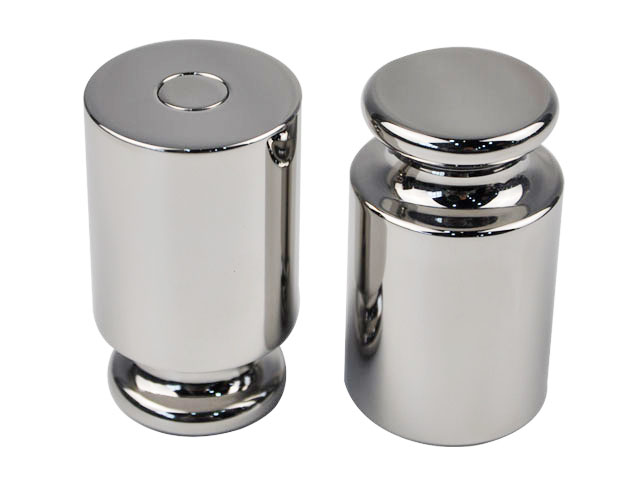
Understanding the Fundamental Purpose of Scale Calibration Weight Sets
At its core, a scale calibration weight set is designed to verify and adjust the accuracy of a weighing scale. Calibration itself is the process of comparing a measurement device’s output to a known, reference standard—in this case, the weights in the set. The goal is to identify any deviation between the scale’s indicated weight and the actual weight of the calibration standard. If discrepancies are found, the scale can be adjusted to align with the reference, ensuring that subsequent measurements are precise.
The importance of this process cannot be overstated. Imagine a pharmaceutical laboratory where a scale is used to measure active ingredients for medication. A slight inaccuracy could result in dosages that are too high or too low, endangering patient health. Similarly, in a manufacturing plant, a mis calibrated scale might lead to incorrect amounts of raw materials being used, affecting product quality and increasing waste. In commercial settings, such as grocery stores or hardware shops, inaccurate scales can lead to unfair pricing, eroding customer trust and potentially violating consumer protection regulations. In all these scenarios, scale calibration weight sets act as the "truth check" that ensures measurement reliability.
It is important to distinguish between calibration and verification. While calibration involves adjusting the scale to meet accuracy standards, verification is simply the process of checking if the scale meets those standards without making adjustments. Scale calibration weight sets are used for both purposes, depending on the user’s needs and the requirements of their specific application. Regardless of the intent, the reliability of the calibration weight set itself is paramount—if the reference weights are inaccurate, the entire calibration process is rendered meaningless.
Types of Scale Calibration Weight Sets: Materials and Classifications
Scale calibration weight sets come in a wide range of types, differentiated primarily by their material composition and accuracy class. These factors are closely tied to the intended use of the weights, as different applications demand varying levels of precision and durability.
Material Composition
The material used to construct calibration weights directly impacts their stability, durability, and resistance to environmental factors. The most common materials include:
Stainless Steel: Stainless steel is one of the most widely used materials for calibration weights due to its excellent corrosion resistance and mechanical stability. It is particularly suitable for use in environments where moisture or chemicals may be present, such as laboratories, food processing facilities, and pharmaceutical plants. Stainless steel weights are available in various grades, with higher-grade alloys offering greater resistance to wear and tear. They are also non-magnetic, which is crucial for applications where magnetic interference could affect measurement accuracy.
Brass: Brass is another popular material for calibration weights, valued for its affordability and ease of machining. It has good density and stability, making it suitable for general-purpose calibration applications, such as in commercial retail or small-scale manufacturing. However, brass is more prone to corrosion than stainless steel, especially in humid environments, so it may require more frequent maintenance to preserve accuracy. Brass weights are often plated with a protective layer, such as nickel or chrome, to enhance their corrosion resistance.
Aluminum: Aluminum weights are lightweight and cost-effective, making them ideal for applications where portability is a priority, such as field calibration of portable scales. However, aluminum has lower density than stainless steel or brass, so larger volumes are required to achieve higher weights. It is also more susceptible to scratches and deformation, which can affect accuracy over time. Aluminum weights are typically used for low-precision applications, such as checking the accuracy of bathroom scales or small postal scales.
Tungsten Alloys: Tungsten alloys are used for high-precision calibration weights due to their extremely high density. This high density allows for smaller, more compact weights that are easier to handle and store, while still providing the required mass. Tungsten alloy weights are highly resistant to corrosion and wear, making them suitable for use in demanding environments, such as aerospace laboratories or nuclear facilities. However, they are significantly more expensive than stainless steel or brass weights, so they are typically reserved for applications that require the highest levels of accuracy.
Accuracy Classes
Calibration weights are also classified by their accuracy, which is defined by the maximum allowable error (MAE) for each weight in the set. These classes are standardized to ensure consistency across different manufacturers and applications. While specific classification systems may vary slightly between regions, the most common classes include:
Class 1: Class 1 weights are the most precise, with the smallest maximum allowable errors. They are used for calibrating high-precision scales, such as analytical balances in scientific laboratories, which require measurements to be accurate to within a few micrograms. Class 1 weights are typically made from high-quality materials, such as tungsten alloys or stainless steel, and are designed for use in controlled environments where temperature, humidity, and air currents are closely monitored.
Class 2: Class 2 weights offer a high level of precision, with slightly larger maximum allowable errors than Class 1. They are commonly used for calibrating precision scales in industrial quality control, pharmaceutical manufacturing, and medical facilities. Class 2 weights are often made from stainless steel and are suitable for use in environments where some level of environmental variation is acceptable.
Class 3: Class 3 weights are designed for general-purpose calibration applications, such as calibrating commercial scales in retail stores, manufacturing scales for bulk materials, and laboratory scales that do not require the highest levels of precision. They have larger maximum allowable errors than Class 1 and 2 weights but are still sufficiently accurate for most everyday applications. Class 3 weights are typically made from brass or stainless steel and are more affordable than higher-class weights.
Class 4: Class 4 weights are the least precise, with the largest maximum allowable errors. They are used for calibrating low-precision scales, such as bathroom scales, postal scales, and industrial scales used for rough measurements. Class 4 weights are often made from aluminum or brass and are the most cost-effective option for basic calibration needs.
Key Factors Influencing the Performance of Calibration Weight Sets
The performance of a scale calibration weight set is influenced by several key factors, including environmental conditions, handling practices, and regular maintenance. Understanding these factors is essential for ensuring that the weights maintain their accuracy over time.
Environmental Conditions
Temperature, humidity, and air pressure can all affect the mass and stability of calibration weights. Most calibration weights are calibrated at a standard temperature (typically 20°C or 68°F), and deviations from this temperature can cause thermal expansion or contraction of the weight material, leading to temporary changes in mass. For example, stainless steel expands slightly when heated, increasing its volume and decreasing its density, which can result in a small decrease in mass. Similarly, high humidity can cause corrosion or oxidation of certain materials, such as brass, which can permanently alter the weight’s mass.
To minimize the impact of environmental conditions, it is important to store and use calibration weights in a controlled environment. Ideally, the storage area should be clean, dry, and free from extreme temperature fluctuations. Weights should be allowed to acclimate to the temperature of the calibration environment before use, as sudden temperature changes can cause condensation to form on the weight surface, adding to its mass.
Handling Practices
Improper handling is one of the most common causes of damage to calibration weights. Even small scratches, dents, or deposits of dirt or oil can alter the weight’s mass, reducing its accuracy. To avoid this, users should always handle calibration weights with care, using gloves to prevent the transfer of oils from the skin. Weights should never be dropped, and they should be placed on a clean, flat surface when not in use.
When using calibration weights with a scale, it is important to ensure that the scale’s weighing platform is clean and free from debris. The weights should be placed gently on the platform, and the scale should be allowed to stabilize before taking a reading. Avoid touching the weights or the scale’s platform during the calibration process, as this can introduce errors.
Regular Maintenance and Recalibration
Over time, calibration weights can lose their accuracy due to wear and tear, corrosion, or environmental damage. To ensure that they remain reliable, it is important to perform regular maintenance and have them recalibrated at specified intervals. Maintenance tasks include cleaning the weights regularly to remove dirt, dust, and oil, inspecting them for signs of damage, and storing them properly.
Recalibration involves having the weights tested by a qualified laboratory to verify their accuracy. If the weights are found to be outside their allowable error range, they may be adjusted or replaced. The frequency of recalibration depends on the type of weight, its material, and the environment in which it is used. High-precision weights used in demanding environments may need to be recalibrated annually, while general-purpose weights may only need recalibration every two to five years.
Applications of Scale Calibration Weight Sets Across Industries
Scale calibration weight sets are used in a wide range of industries, each with unique requirements for accuracy and precision. Below are some of the most common applications:
Scientific Research and Laboratories
In scientific research, accurate measurements are critical to the validity of experimental results. Analytical balances used in chemistry, biology, and physics laboratories require precise calibration to ensure that measurements of samples are accurate to within micrograms. Class 1 or 2 calibration weight sets, typically made from tungsten alloys or high-grade stainless steel, are used for this purpose. These weights are essential for experiments involving chemical reactions, material analysis, and drug discovery, where even the smallest error can lead to incorrect conclusions.
Pharmaceutical and Medical Industries
The pharmaceutical industry relies heavily on accurate weighing to ensure the safety and efficacy of medications. From measuring raw materials to formulating drugs and packaging finished products, every step requires precise measurements. Calibration weight sets are used to calibrate scales in pharmaceutical manufacturing facilities, quality control laboratories, and pharmacies. In medical facilities, scales used to measure patient weight, medication dosages, and medical supplies also require regular calibration to ensure accurate readings. Class 2 weights are commonly used in these applications, as they offer the high level of precision needed to meet strict quality standards.
Industrial Manufacturing and Quality Control
In industrial manufacturing, scale calibration weight sets are used to ensure that production processes are consistent and that products meet quality specifications. For example, in the automotive industry, scales are used to measure the weight of components to ensure that they are within design tolerances. In the food and beverage industry, scales are used to measure ingredients, portion sizes, and finished products to ensure consistency and compliance with labeling regulations. Class 2 or 3 weights are typically used in these applications, depending on the level of precision required. Quality control laboratories in manufacturing facilities also use calibration weight sets to verify the accuracy of testing equipment.
Commercial Retail and Trade
In commercial retail, scales are used to weigh products such as produce, meat, and bulk goods, and accurate measurements are essential for fair pricing. Regulatory bodies often require retail scales to be calibrated regularly to ensure that consumers are not overcharged. Class 3 weights are commonly used for calibrating retail scales, as they offer sufficient accuracy for this purpose. In addition, postal services and courier companies use calibration weight sets to calibrate scales used for measuring packages, ensuring that shipping rates are calculated correctly.
Aerospace and Defense
The aerospace and defense industries require extremely high levels of precision in their manufacturing and testing processes. Scales used to measure aircraft components, missile parts, and other critical items must be calibrated with the highest-precision weight sets. Class 1 weights made from tungsten alloys are often used in these applications, as they can provide the accuracy needed to ensure the safety and reliability of aerospace and defense systems. Calibration weight sets are also used to calibrate scales in wind tunnel testing and other aerodynamic research applications.
Selecting the Right Scale Calibration Weight Set
Selecting the right scale calibration weight set requires careful consideration of several factors, including the intended application, the required level of accuracy, the material of the weights, and the environmental conditions in which they will be used. Below are some key steps to help users make the right choice:
1. Determine the Required Accuracy Level
The first step in selecting a calibration weight set is to determine the level of accuracy needed for the application. This is typically determined by the type of scale being calibrated and the requirements of the industry or regulatory body. For example, high-precision analytical balances require Class 1 or 2 weights, while general-purpose retail scales can use Class 3 weights. It is important to select a weight set with an accuracy class that is appropriate for the scale’s maximum allowable error—using a weight set with a lower accuracy class than required will result in inaccurate calibration, while using a higher accuracy class than needed will unnecessarily increase costs.
2. Choose the Appropriate Material
The material of the calibration weights should be selected based on the environmental conditions in which they will be used and the level of durability required. For environments with high moisture or chemicals, stainless steel weights are the best choice due to their corrosion resistance. For high-precision applications, tungsten alloys offer the greatest accuracy and stability. For general-purpose applications or where cost is a concern, brass or aluminum weights may be suitable.
3. Consider the Weight Range and Configuration
Calibration weight sets are available in a variety of weight ranges and configurations, from small sets with weights ranging from 1 mg to 100 g for laboratory use to large sets with weights up to 100 kg or more for industrial scales. It is important to select a set that includes the appropriate range of weights for the scale being calibrated. In addition, some sets include accessories such as weight hangers, tweezers, or storage cases, which can be useful for handling and storing the weights.
4. Evaluate Environmental Compatibility
Before selecting a calibration weight set, it is important to consider the environmental conditions in which the weights will be stored and used. If the weights will be exposed to extreme temperatures, high humidity, or corrosive substances, it is essential to select a material that can withstand these conditions. For example, in a food processing facility with high humidity and frequent washdowns, stainless steel weights are more suitable than brass weights.
5. Balance Cost and Performance
Finally, it is important to balance cost and performance when selecting a calibration weight set. Higher-precision weights made from premium materials are more expensive, but they may be necessary for certain applications. For applications that do not require the highest levels of accuracy, more affordable options such as brass or aluminum weights can provide sufficient performance. It is also important to consider the long-term costs of maintenance and recalibration when making a selection—high-quality weights may require less frequent maintenance and recalibration, reducing overall costs over time.
Best Practices for Using and Maintaining Scale Calibration Weight Sets
To ensure that scale calibration weight sets maintain their accuracy and reliability over time, it is important to follow best practices for their use and maintenance. Below are some key guidelines:
Proper Handling
- Always wear clean, lint-free gloves when handling calibration weights to prevent the transfer of oils, dirt, or moisture from the skin.
- Use tweezers or weight handling tools for small weights to avoid direct contact and reduce the risk of dropping.
- Never drop or bang the weights against hard surfaces, as this can cause dents, scratches, or deformation that alters their mass.
- Place weights gently on the scale’s weighing platform to avoid damaging the platform or the weights.
Cleaning and Inspection
- Clean the weights regularly using a soft, dry cloth to remove dirt, dust, and oil. For stubborn stains, use a mild detergent and water, but ensure that the weights are thoroughly dried afterward to prevent corrosion.
- Inspect the weights regularly for signs of damage, such as scratches, dents, corrosion, or discoloration. If any damage is found, the weights should be recalibrated or replaced immediately.
- Check the weights for any signs of contamination, such as chemical residues, and clean them thoroughly if necessary. Contamination can alter the weight’s mass and affect calibration accuracy.
Proper Storage
- Store calibration weights in a clean, dry, and dust-free environment with a stable temperature and humidity. Avoid storing them in areas with extreme temperature fluctuations, direct sunlight, or high moisture levels.
- Use the original storage case or a dedicated weight storage container to protect the weights from damage and contamination. The storage case should have individual compartments for each weight to prevent them from rubbing against each other.
- Do not store weights near magnetic fields, as some materials can become magnetized, which can affect their mass and the accuracy of the calibration process.
Regular Recalibration
- Establish a regular recalibration schedule based on the manufacturer’s recommendations, the type of weight, and the application. High-precision weights used in demanding environments should be recalibrated more frequently than general-purpose weights.
- Have the weights recalibrated by a qualified laboratory that uses traceable reference standards. Traceability ensures that the calibration is accurate and meets international standards.
- Keep detailed records of all calibration activities, including the date of calibration, the results, and any adjustments made. These records are essential for quality control, regulatory compliance, and troubleshooting.
Conclusion
Scale calibration weight sets are essential tools for ensuring the accuracy and reliability of weighing scales across a wide range of industries. From scientific research and pharmaceutical manufacturing to industrial production and commercial retail, these precision tools play a critical role in maintaining quality control, ensuring safety, and complying with regulatory requirements. By understanding the fundamental purpose of calibration weight sets, the various types available, and the key factors influencing their performance, users can select the right set for their specific needs.
Following best practices for handling, cleaning, storage, and recalibration is essential for maintaining the accuracy and longevity of calibration weight sets. By investing in high-quality weights and adhering to these guidelines, users can ensure that their measurement processes remain reliable and consistent, minimizing errors and reducing the risk of costly mistakes. As technology continues to advance, the demand for accurate and reliable calibration tools will only grow, making scale calibration weight sets an even more important part of modern measurement systems.
