





Changzhou Veidt Weighing Co., Ltd. © 2022 ALL RIGHTS RESERVED Privacy Policy | Calibration Weight | Test Weights | Cast Iron Weights | Standard Weights | Laboratory Weights | XML | SITEMAP
NEWS LIST
elevator weights
Saturday 03rd January 2026 Back to list
In the vertical transportation landscape, elevators stand as indispensable components that facilitate seamless movement within buildings, ranging from residential high-rises to commercial complexes and industrial facilities. Behind the smooth and safe operation of these systems lies a suite of precision components, among which elevator weights hold a position of paramount importance. Often overlooked by the general public, these weights are fundamental to ensuring the stability, efficiency, and safety of elevator operations.
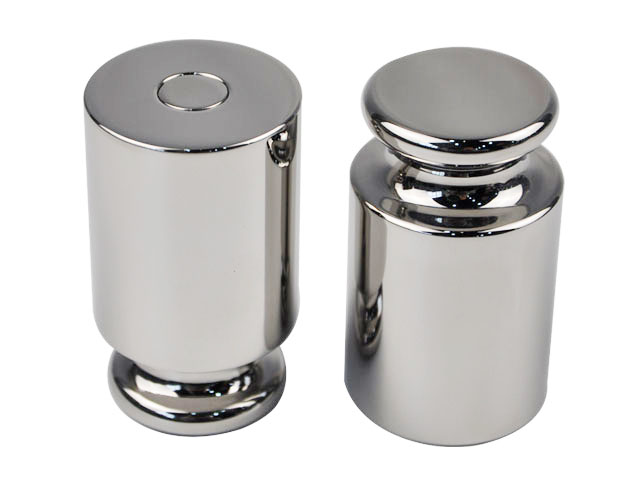
At the core of an elevator’s functionality is the principle of counterbalance, a mechanical concept that has been the backbone of vertical transportation for centuries. Elevator weights, primarily serving as counterweights, are designed to offset the weight of the elevator car and its passengers. This counterbalancing effect is critical for reducing the load on the elevator’s motor and drive system. Without an appropriately sized counterweight, the motor would be required to exert significantly more force to lift the car, leading to excessive energy consumption, accelerated wear and tear on mechanical components, and potentially compromising the safety of the system. In essence, elevator weights act as a mechanical "assistant" that distributes the load evenly, allowing the elevator to operate with greater efficiency and reliability.
Beyond their primary counterbalancing function, elevator weights also play a vital role in ensuring the safety of the elevator system. Modern elevators are equipped with a range of safety mechanisms, such as overspeed governors and safety brakes, which are triggered in the event of a malfunction, such as a sudden drop in the elevator car. Elevator weights contribute to the activation of these safety systems by maintaining the proper tension in the elevator’s cables or ropes. In the case of a cable failure, the counterweight’s mass helps to slow the descent of the car, providing additional time for the safety brakes to engage and bring the car to a controlled stop. This layer of protection is essential for safeguarding the lives of passengers and preventing catastrophic accidents.
Elevator weights come in a variety of types, each tailored to specific elevator designs and operational requirements. The most common type is the solid counterweight, which is typically constructed from a single block of dense material. Solid counterweights are favored for their simplicity, durability, and high density, which allows for a compact design that occupies minimal space within the elevator shaft. Another prevalent type is the modular counterweight, composed of multiple individual weight blocks that can be assembled or disassembled to adjust the total weight. This modular design offers greater flexibility, making it ideal for elevators that may require weight adjustments due to changes in the building’s usage or modifications to the elevator system. Additionally, there are specialized weights, such as compensating weights, which are used in high-rise elevators to offset the weight of the elevator cables. As the elevator car moves up and down, the length of the cable hanging from the car changes, and compensating weights help to maintain a consistent counterbalance throughout the entire travel range.
The selection of materials for elevator weights is a critical decision that impacts their performance, durability, and cost-effectiveness. The key requirement for elevator weight materials is high density, as this allows for a smaller volume while achieving the required mass. Cast iron is one of the most widely used materials for elevator weights due to its high density, excellent castability, and relatively low cost. Cast iron weights are durable and can withstand the rigors of continuous elevator operation, making them suitable for a wide range of applications. Steel is another popular material, particularly for modular counterweights, as it offers high strength and can be easily fabricated into various shapes and sizes. For applications that require even higher density, materials such as lead or tungsten may be used, although these are less common due to their higher cost and, in the case of lead, environmental concerns. In recent years, there has been a growing focus on sustainable materials, leading to the exploration of recycled metals and eco-friendly alternatives that maintain the required density and performance while reducing environmental impact.
The application of elevator weights extends across various types of elevator systems, each with unique requirements. In residential elevators, which typically have smaller capacities and shorter travel distances, solid cast iron counterweights are commonly used due to their cost-effectiveness and simplicity. Commercial elevators, on the other hand, often have higher capacities and may require modular counterweights to accommodate varying passenger loads. High-rise elevators, such as those found in skyscrapers, rely heavily on compensating weights to address the changing cable weight during long vertical travels. Industrial elevators, designed to carry heavy loads such as machinery or goods, require robust, high-density weights that can withstand the extreme loads and harsh operating conditions. Additionally, elevator weights are used in maintenance and testing procedures to ensure that the elevator system operates within the specified safety and performance parameters.
Proper maintenance of elevator weights is essential to ensure the long-term reliability and safety of the elevator system. Over time, elevator weights can be subject to wear and tear, corrosion, and damage due to constant movement and exposure to environmental factors such as moisture and dust. Regular inspections are necessary to check for signs of damage, such as cracks, deformation, or corrosion, which could compromise the weight’s integrity and performance. If corrosion is detected, it should be addressed promptly through cleaning and protective coating applications to prevent further deterioration. Additionally, the connections and fasteners that secure the weights in place should be inspected regularly to ensure they are tight and secure. Loose fasteners can lead to excessive vibration, noise, and even the displacement of the weights, which poses a significant safety risk. In the case of modular weights, the individual blocks should be checked to ensure they are properly aligned and secured, and any missing or damaged blocks should be replaced immediately.
The design and application of elevator weights are also influenced by a range of factors, including elevator capacity, travel distance, speed, and the specific requirements of the building. When designing an elevator system, engineers must carefully calculate the required weight of the counterweight to ensure optimal performance. The counterweight mass is typically determined based on the weight of the empty elevator car plus a percentage of the maximum passenger load. This calculation ensures that the motor is not overloaded during normal operation and that the elevator can stop safely in the event of a malfunction. Additionally, the size and shape of the weights must be carefully considered to fit within the constraints of the elevator shaft. In buildings with limited shaft space, compact, high-density weights are preferred to maximize the available space for the elevator car and other components.
As elevator technology continues to advance, the role and design of elevator weights are also evolving to meet new demands. The growing trend toward smart elevators, equipped with advanced sensors, artificial intelligence, and energy-efficient systems, is driving innovations in counterweight design. For example, some modern elevator systems use variable counterweights that can adjust their mass dynamically based on the number of passengers in the car. This dynamic adjustment optimizes energy efficiency by ensuring that the counterbalance is always perfectly matched to the load, reducing energy consumption and extending the lifespan of the motor and drive system. Additionally, the integration of renewable energy sources, such as regenerative braking systems, has led to changes in the design of elevator weights to work in harmony with these energy-saving technologies. Regenerative braking systems capture the energy generated when the elevator descends and convert it into electricity, which can be reused to power the building or the elevator system itself. Elevator weights play a key role in this process by facilitating the smooth descent of the car, which maximizes the energy recovery potential.
Environmental sustainability is another key driver of change in the elevator weight industry. As governments and organizations around the world implement stricter environmental regulations, there is a growing emphasis on reducing the environmental impact of elevator components. This has led to the increased use of recycled materials in the production of elevator weights, as well as the development of eco-friendly coating materials that are free from harmful chemicals. Additionally, manufacturers are exploring ways to reduce the weight of elevator components without compromising performance, which can lead to lower energy consumption and reduced carbon emissions during the elevator’s operation. The use of lightweight yet high-strength materials is also being investigated as a way to minimize the overall mass of the elevator system, including the counterweights.
The global elevator market is expected to grow significantly in the coming years, driven by urbanization, the construction of new high-rise buildings, and the modernization of existing elevator systems. This growth will inevitably increase the demand for elevator weights, creating opportunities for manufacturers to innovate and expand their product offerings. However, the market also presents challenges, such as the need to comply with evolving safety and environmental standards, and the pressure to reduce costs while maintaining high performance. To meet these challenges, manufacturers are investing in research and development to develop new materials and designs that offer improved performance, durability, and sustainability.
In conclusion, elevator weights are a critical component of elevator systems, playing a vital role in ensuring safety, efficiency, and reliability. From their primary function as counterweights to their contribution to safety mechanisms, elevator weights are essential to the smooth operation of elevators in a wide range of applications. The selection of materials, design considerations, and maintenance requirements of elevator weights are all key factors that impact their performance and longevity. As elevator technology continues to advance, driven by the need for greater energy efficiency, sustainability, and smart functionality, the design and application of elevator weights will continue to evolve. By understanding the importance of elevator weights and staying abreast of the latest trends and innovations, manufacturers, engineers, and building owners can ensure that elevator systems are safe, efficient, and sustainable for years to come.
