





Changzhou Veidt Weighing Co., Ltd. © 2022 ALL RIGHTS RESERVED Privacy Policy | Calibration Weight | Test Weights | Cast Iron Weights | Standard Weights | Laboratory Weights | XML | SITEMAP
NEWS LIST
elevator test weights
Saturday 03rd January 2026 Back to list
Vertical transportation systems, particularly elevators, are indispensable components of modern urban infrastructure. From residential buildings and commercial malls to hospitals and industrial facilities, elevators facilitate the seamless movement of people and goods, enhancing accessibility and efficiency. However, the safe operation of elevators relies on a complex interplay of mechanical, electrical, and structural components, all of which must perform optimally under varying conditions. Among the numerous quality control and safety assurance measures implemented throughout the lifecycle of an elevator, the use of elevator test weights stands out as a fundamental practice. These specialized weights are essential for verifying the performance, reliability, and safety of elevators, ensuring that they can withstand design loads and operate smoothly in real-world scenarios.
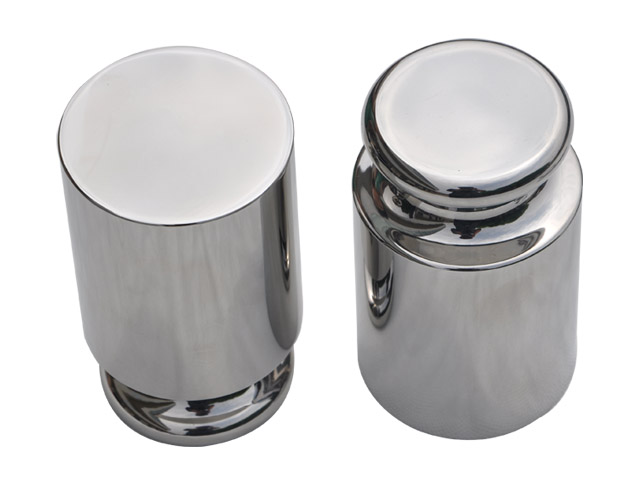
The importance of elevator test weights stems from the inherent risks associated with elevator operation. An elevator that fails to handle its rated load can lead to catastrophic consequences, including mechanical breakdowns, entrapment of passengers, or even structural collapse. Such failures not only pose a direct threat to human life but also result in significant economic losses, including property damage, downtime for repairs, and legal liabilities. Elevator test weights address these risks by providing a tangible and standardized method to validate the elevator’s load-bearing capacity and operational performance. By simulating the maximum expected load, test weights enable engineers and technicians to identify potential weaknesses in the elevator system, such as inadequate braking force, faulty suspension systems, or inefficient motor performance, before the elevator is put into service or during routine maintenance. This proactive approach to safety ensures that elevators meet the rigorous performance requirements necessary for safe operation, protecting both passengers and property.
Elevator test weights come in a variety of types, each designed to suit specific testing scenarios and elevator configurations. The most common type is the solid steel weight, which is preferred for its high density, durability, and stability. Solid steel weights are typically cast or machined into precise shapes, such as rectangular blocks or cylindrical discs, and are often equipped with lifting lugs or handles for easy maneuvering. These weights are ideal for static load testing, where the elevator is stationary, and the weight is applied to verify the structural integrity of the car, suspension ropes, and supporting structure. Another type of elevator test weight is the modular weight system, which consists of multiple smaller weight units that can be combined to achieve the desired load. Modular weights offer greater flexibility, as they can be adjusted to match different rated loads of elevators, making them suitable for testing a wide range of elevator models. Additionally, modular weights are easier to transport and store compared to large solid weights, particularly in confined spaces such as elevator shafts or maintenance facilities.
In addition to solid and modular weights, there are also specialized test weights designed for dynamic load testing. Dynamic testing involves applying the test weight while the elevator is in motion, simulating real-world usage conditions. These weights may be equipped with additional features, such as shock absorbers or anti-slip surfaces, to prevent movement or damage during the test. For high-speed elevators, which are commonly found in skyscrapers and high-rise buildings, dynamic test weights must be carefully designed to withstand the inertial forces generated during acceleration and deceleration. Some advanced dynamic test weight systems also incorporate sensors to measure parameters such as vibration, noise, and load distribution, providing valuable data for engineers to analyze the elevator’s performance under dynamic conditions.
The application of elevator test weights spans the entire lifecycle of an elevator, from manufacturing and installation to routine maintenance and modernization. During the manufacturing phase, test weights are used to validate the design and production of elevator components, ensuring that each part meets the specified performance standards. For example, elevator car frames and platforms are tested with weights to verify their load-bearing capacity, while motors and gearboxes are subjected to load tests to ensure they can provide sufficient power to lift the rated load. Once the elevator components are manufactured, test weights are used during the installation process to commission the elevator system. Commissioning tests typically include static load tests, dynamic load tests, and balance tests. Static load tests involve placing the test weight in the elevator car and verifying that the car does not sag excessively, the suspension ropes remain taut, and the braking system can hold the load securely. Dynamic load tests, on the other hand, involve operating the elevator with the test weight at different speeds and in different directions to ensure smooth operation, accurate floor alignment, and proper functioning of safety devices such as overspeed governors and emergency brakes.
Routine maintenance is another critical phase where elevator test weights play a vital role. Elevators are subject to wear and tear over time, and components such as suspension ropes, bearings, and brakes can degrade, affecting the elevator’s performance and safety. Regular load testing with test weights helps to detect these issues early, allowing technicians to perform necessary repairs or replacements before a failure occurs. Maintenance schedules typically specify load testing at regular intervals, such as annually or every two years, depending on the elevator’s usage and environmental conditions. For example, elevators in high-traffic commercial buildings may require more frequent testing due to the higher number of cycles and heavier loads they handle. During maintenance testing, test weights are also used to rebalance the elevator, ensuring that the counterweight and car are properly aligned, which reduces wear on the motor and other components and improves energy efficiency.
Elevator modernization projects, which involve upgrading or replacing outdated components to improve performance, safety, or energy efficiency, also rely on test weights. When new components such as motors, controllers, or suspension systems are installed, test weights are used to validate the performance of the upgraded system. This ensures that the modernized elevator meets current safety standards and operates reliably with the new components. For example, if an elevator’s motor is replaced with a more powerful model, load testing with test weights verifies that the new motor can handle the rated load efficiently and that the braking system is compatible with the new motor’s performance characteristics.
The effective use of elevator test weights requires adherence to strict best practices to ensure accurate and safe testing. First and foremost, it is essential to select the appropriate type and size of test weight for the specific elevator and testing scenario. The test weight must be calibrated to ensure its accuracy, as inaccurate weights can lead to incorrect test results, potentially compromising the safety of the elevator. Calibration should be performed by a qualified laboratory or technician using standardized equipment, and calibration certificates should be maintained to document the weight’s accuracy over time. Additionally, proper handling and storage of test weights are crucial to prevent damage or degradation. Test weights should be stored in a dry, clean environment away from corrosive substances, and should be handled with care to avoid impact or scratches, which can affect their weight and stability.
Safety is also a key consideration during the testing process. Load testing with elevator test weights involves working in confined spaces such as elevator shafts, which pose inherent risks to technicians. It is essential to follow safety protocols, such as locking out the elevator’s power supply before testing, using proper personal protective equipment (PPE) such as hard hats, safety shoes, and harnesses, and ensuring that the testing area is clear of unauthorized personnel. Additionally, the elevator system should be thoroughly inspected before testing to ensure that all components are in good working order, and that there are no obstructions in the elevator shaft or car. During testing, technicians should closely monitor the elevator’s performance, including any unusual noises, vibrations, or movements, and stop the test immediately if any issues are detected.
Another important best practice is to document all test results accurately. Test reports should include details such as the date and time of the test, the type and size of test weight used, the test procedures followed, and the results obtained. This documentation is essential for compliance with safety regulations, as it provides evidence that the elevator has been tested and meets the required standards. Test reports also serve as a valuable reference for future maintenance and testing, allowing technicians to track the elevator’s performance over time and identify trends or recurring issues.
The field of elevator test weights is also evolving in response to advances in technology and changes in the elevator industry. One notable trend is the integration of smart technology into test weight systems. Smart test weights are equipped with sensors and wireless communication capabilities, allowing real-time monitoring of load distribution, vibration, and temperature during testing. This data is transmitted to a central system, where it can be analyzed by engineers to identify potential issues more accurately and efficiently. Smart test weights also enable remote testing, reducing the need for technicians to work in confined spaces and improving safety. Additionally, the use of digital tools such as 3D modeling and simulation software is becoming more common in the design and selection of test weights. These tools allow engineers to simulate the testing process, predict the behavior of the elevator under different load conditions, and optimize the design of test weights for specific applications.
Another trend is the growing focus on sustainability in the elevator industry, which is influencing the design and materials used in test weights. Manufacturers are increasingly using recycled materials such as recycled steel to produce test weights, reducing the environmental impact of their production. Additionally, modular test weight systems, which are more reusable and adaptable than single-piece weights, are gaining popularity as they reduce waste and improve resource efficiency. There is also a growing interest in lightweight test weight materials that maintain high density, such as composite materials, which can reduce the weight of the test weights themselves, making them easier to transport and handle while still providing the required load capacity.
The regulatory landscape for elevators and elevator test weights is also evolving, with stricter safety standards being implemented around the world. Governments and regulatory bodies are updating their requirements to ensure that elevators meet the highest levels of safety and performance, which is driving the need for more rigorous testing with accurate and reliable test weights. For example, the European Union’s Machinery Directive and the United States’ ASME A17.1 Safety Code for Elevators and Escalators set strict requirements for elevator testing, including load testing with calibrated test weights. Compliance with these regulations is mandatory for elevator manufacturers, installers, and operators, and failure to comply can result in severe penalties, including fines and the suspension of elevator operations.
Despite the advancements in technology and regulatory oversight, there are still challenges associated with the use of elevator test weights. One of the main challenges is the cost of high-quality test weights and calibration services, which can be a barrier for small elevator companies or those operating in developing countries. Additionally, the logistics of transporting and handling large test weights can be complex and costly, particularly for elevators in remote locations or high-rise buildings. There is also a need for more standardized testing procedures and protocols, as different regions and countries may have varying requirements, making it difficult for global elevator manufacturers to comply with multiple sets of regulations. However, these challenges are being addressed through ongoing research and collaboration between industry stakeholders, regulatory bodies, and academic institutions.
In conclusion, elevator test weights are essential components of the safety and quality assurance processes for vertical transportation systems. Their role in verifying the load-bearing capacity, performance, and reliability of elevators cannot be overstated, as they help to prevent catastrophic failures and ensure the safety of passengers and goods. From manufacturing and installation to maintenance and modernization, test weights are used throughout the elevator’s lifecycle, providing valuable data and ensuring compliance with safety regulations. The evolution of test weight technology, including the integration of smart sensors and sustainable materials, is further enhancing their effectiveness and efficiency. While there are challenges associated with their use, ongoing advancements in technology and standardization are helping to overcome these barriers. As urbanization continues to drive the demand for elevators, the importance of elevator test weights will only grow, ensuring that vertical transportation systems remain safe, reliable, and efficient for years to come.
