





Changzhou Veidt Weighing Co., Ltd. © 2022 ALL RIGHTS RESERVED Privacy Policy | Calibration Weight | Test Weights | Cast Iron Weights | Standard Weights | Laboratory Weights | XML | SITEMAP
NEWS LIST
test weight kit
Saturday 14th March 2026 Back to list
In the realm of precision measurement and equipment verification, a test weight kit stands as an indispensable tool that bridges the gap between theoretical accuracy and real-world operational reliability. Far more than a simple collection of weighted pieces, this kit serves as a foundational reference for calibrating, testing, and validating a vast array of weighing devices across countless industries, ensuring that measurements remain consistent, trustworthy, and aligned with operational needs. Whether deployed in a controlled laboratory setting, a bustling manufacturing floor, a busy commercial warehouse, or a remote field operation, the test weight kit fulfills a critical role in upholding measurement integrity, a cornerstone of quality control, safety compliance, and efficient workflow management. Unlike specialized single-use weights, a comprehensive test weight kit offers versatility, portability, and adaptability, making it suitable for both routine checks and targeted precision tests, catering to the diverse demands of modern industrial and commercial operations.
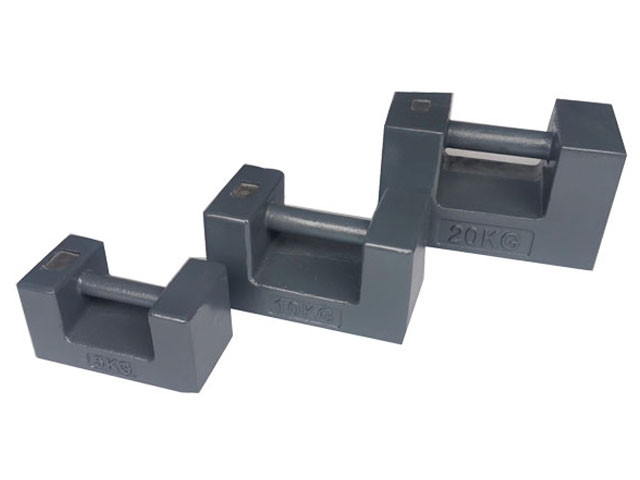
At its core, a standard test weight kit is composed of a curated set of weighted units, crafted to cover a range of mass values that align with common weighing device capacities and calibration requirements. These weights are typically engineered with durable, stable materials that resist deformation, corrosion, and wear, ensuring long-term performance even with frequent handling and use. Common materials include high-grade metals chosen for their density consistency and resistance to environmental factors such as moisture, dust, and temperature fluctuations, which can alter the mass and accuracy of lesser-quality weights. Each weight in the kit is precisely manufactured to maintain a consistent mass value, with meticulous attention to detail during production to eliminate discrepancies that could compromise measurement results. The kit also often includes protective storage solutions, such as fitted cases or compartments, designed to shield each weight from scratches, dents, and contamination—factors that can gradually degrade accuracy over time. Additionally, many kits feature specialized handling tools, like non-slip grips or lightweight tongs, to prevent direct skin contact with the weights, as natural oils and residues from hands can accumulate and affect mass stability, especially for smaller, more precision-focused weights.
The design philosophy behind a well-crafted test weight kit centers on practicality and usability, ensuring that even users with basic training can operate it effectively without sacrificing accuracy. The weights are often available in standardized incremental values, following logical numerical sequences that allow users to combine pieces to achieve specific target masses, catering to both full-capacity calibration and partial-load testing of weighing equipment. This modularity is a key advantage, as it eliminates the need for multiple separate weights and enables seamless adaptation to different types of scales, balances, and load-measuring devices. From compact analytical balances used in scientific research to heavy-duty platform scales employed in logistics and material handling, the test weight kit can be tailored to match the operational range of the equipment in question. Larger kits designed for industrial use may include heavier, robust weights suitable for testing high-capacity machinery, while smaller, compact kits are ideal for laboratory work, jewelry appraisal, pharmaceutical preparation, and other tasks that demand micro-precision. This flexibility ensures that the kit remains a cost-effective investment, capable of serving multiple functions across different departments or operational sites within a single organization.
One of the most vital applications of a test weight kit lies in the routine calibration of weighing equipment, a process that is often overlooked but critical to maintaining operational accuracy. Over time, even the most reliable scales and balances can experience drift in their measurements due to frequent use, minor mechanical wear, environmental changes, or accidental impacts. Without regular calibration, these small discrepancies can escalate, leading to inaccurate readings that have far-reaching consequences. In manufacturing settings, imprecise weighing can result in flawed product formulations, inconsistent component assembly, and compromised product quality, potentially leading to waste, rework, and customer dissatisfaction. In commercial environments, such as retail or shipping, inaccurate scales can lead to unfair trade practices, lost revenue, or disputes with customers and partners. In scientific and laboratory settings, flawed measurements can render experimental data invalid, derailing research projects and compromising the integrity of analytical results. By using a test weight kit to conduct regular, systematic calibrations, operators can identify and correct measurement drift early, ensuring that weighing devices perform within acceptable tolerance levels and deliver consistent, reliable results every time they are used.
Beyond calibration, test weight kits play a pivotal role in equipment verification and performance testing, especially for machinery that operates under load-bearing conditions. In industries such as construction, manufacturing, and material handling, various lifting and weighing systems must be tested to confirm they can handle specified loads safely and accurately. A test weight kit allows technicians to simulate real-world operating conditions by applying known, controlled masses to the equipment, monitoring its response, and verifying that it functions as intended. This type of testing is crucial for identifying potential mechanical issues, such as faulty load sensors, weak structural components, or malfunctioning readout displays, before the equipment is put into full operational use. For example, in a manufacturing plant, overhead cranes and conveyor scales can be tested with incremental weights from the kit to ensure they accurately measure and handle materials without errors or safety risks. In agricultural settings, grain scales and feed mixing equipment can be verified to ensure precise measurement of bulk materials, supporting efficient inventory management and production planning. This proactive testing not only enhances operational safety but also extends the lifespan of equipment by preventing overloading and reducing unnecessary strain on mechanical parts.
The usability of a test weight kit is further enhanced by its adaptability to diverse working environments, ranging from sterile, temperature-controlled laboratories to harsh, rugged industrial sites. For indoor, controlled settings, the kit maintains its accuracy with minimal maintenance, as the stable conditions protect the weights from environmental damage. In outdoor or high-traffic industrial environments, the durable construction of the weights and protective storage case ensures the kit can withstand dust, debris, and occasional rough handling without losing its calibration integrity. Portable versions of the kit are designed for field use, featuring lightweight yet sturdy construction that makes them easy to transport to remote job sites, temporary work zones, or multiple locations across a large facility. This portability is particularly valuable for service technicians, quality inspectors, and auditors who need to conduct on-site verification of weighing equipment across different locations, eliminating the need to transport bulky, specialized testing equipment. Whether used in a fixed laboratory bench or a mobile field operation, the test weight kit retains its core functionality, providing a reliable reference point for mass measurement regardless of location.
Proper maintenance and handling of a test weight kit are essential to preserving its accuracy and extending its service life, and these practices are straightforward enough to integrate into daily operational routines. First and foremost, weights should always be handled with care, using the provided tools or clean, lint-free gloves to avoid direct contact with skin. This prevents the buildup of oils, dirt, and other contaminants that can alter the mass of the weights over time. After each use, the weights should be wiped clean with a soft, non-abrasive cloth to remove any surface debris, and returned promptly to their designated compartments in the storage case to prevent scratches, dents, or misplacement. The storage case should be kept in a cool, dry area away from direct sunlight, extreme temperatures, and corrosive chemicals, as these factors can degrade the material of the weights and affect their dimensional stability. It is also recommended to periodically inspect each weight for signs of damage, such as cracks, chips, or warping, and to assess overall accuracy by cross-referencing with a reference standard if available. While high-quality test weights are designed for long-term stability, regular visual and functional checks help catch potential issues early, ensuring the kit remains a reliable measurement tool for years to come.
Investing in a quality test weight kit also brings long-term operational benefits that extend beyond immediate measurement accuracy. By ensuring consistent, precise weighing, the kit helps reduce material waste in production processes, as raw materials are measured correctly and used efficiently. This not only cuts down on unnecessary costs but also supports sustainable operational practices by minimizing resource consumption. In regulated industries where measurement accuracy is tied to compliance standards, the kit provides a tangible way to demonstrate due diligence in maintaining equipment performance, reducing the risk of operational disruptions or penalties associated with non-compliance. Additionally, reliable measurement equipment calibrated with a test weight kit boosts overall workflow efficiency, as operators can trust the readings they receive and make informed decisions quickly, without delays caused by rechecking measurements or resolving inaccuracies. For businesses of all sizes, from small laboratories to large industrial enterprises, this combination of accuracy, efficiency, and reliability translates to improved productivity, enhanced product quality, and a stronger competitive edge in the market.
Another often-underappreciated advantage of a test weight kit is its role in training and skill development for personnel responsible for operating weighing equipment. New technicians can use the kit to learn the fundamentals of measurement calibration, understand how to identify measurement errors, and practice proper equipment testing techniques in a controlled, low-risk environment. This hands-on experience helps build proficiency and confidence, ensuring that staff members can perform calibration and verification tasks correctly and consistently. Even experienced operators benefit from regular use of the kit, as it reinforces best practices and keeps their skills sharp, reducing the likelihood of human error during routine maintenance checks. As a training tool, the test weight kit serves as a practical, tangible resource that bridges theoretical knowledge with real-world application, making it an invaluable asset for workforce development in any industry that relies on precision weighing.
As technology continues to advance and operational demands become more stringent, the role of the test weight kit remains unchanged in its core purpose: to provide a reliable, consistent reference for mass measurement. While digital measurement tools and automated calibration systems have become more prevalent, they still require a physical, traceable reference to validate their performance—and that reference is often a test weight kit. Even the most sophisticated digital scales and load cells rely on accurate mass standards to ensure their electronic components function correctly, making the test weight kit a complementary tool to modern technology, not a replacement for it. This timeless relevance ensures that the test weight kit will continue to be a staple in precision measurement workflows, adapting to new industry requirements and technological advancements while retaining its fundamental value.
In summary, a test weight kit is far more than a collection of weighted pieces; it is a foundational tool that underpins accuracy, safety, and efficiency across a vast spectrum of industries and applications. From calibrating delicate laboratory balances to verifying heavy-duty industrial weighing systems, its versatility, durability, and reliability make it an indispensable part of any operation that values precise measurement. By prioritizing proper handling, routine maintenance, and regular use, organizations can leverage the full potential of a test weight kit to uphold measurement integrity, reduce operational risks, and optimize overall performance. In a world where accuracy is paramount, the test weight kit stands as a quiet yet essential ally, ensuring that every measurement is trustworthy, every process runs smoothly, and every operational decision is grounded in reliable data.
