





Changzhou Veidt Weighing Co., Ltd. © 2022 ALL RIGHTS RESERVED Privacy Policy | Calibration Weight | Test Weights | Cast Iron Weights | Standard Weights | Laboratory Weights | XML | SITEMAP
NEWS LIST
test weight for truck scale
Saturday 21st March 2026 Back to list
Across logistics, manufacturing, agriculture, construction, and waste management, truck scales serve as a foundational tool for measuring heavy vehicle loads with consistency, supporting fair transactions, operational efficiency, and safe transportation practices. These large-scale weighing systems are exposed to constant heavy use, varying environmental conditions, and gradual mechanical wear over time, meaning their ability to deliver reliable weight readings can shift without regular, targeted verification. Test weights stand as the most straightforward and trusted reference for calibrating and validating truck scale performance, acting as a fixed, known standard that eliminates guesswork and ensures measurements align with real-world load values. Unlike temporary or makeshift testing methods that rely on unevenly distributed loads or unmeasured materials, dedicated test weights are engineered to provide uniform, stable mass, making them indispensable for maintaining the integrity of truck scale operations in both high-volume commercial settings and smaller, periodic use facilities. Every business or organization that relies on truck scales—from local shipping yards to large industrial distribution centers—depends on this simple yet critical tool to avoid costly errors, uphold fairness in buying and selling goods by weight, and protect against the risks associated with inaccurate load measurements.
To understand the value of test weights for truck scales, it is first necessary to recognize how truck scales function and where inaccuracies typically emerge. A standard truck scale consists of a heavy-duty platform, load-bearing sensors that convert weight pressure into measurable data, a display unit, and supporting structural components that distribute the vehicle’s weight evenly across the platform. Over months and years of use, these components can experience subtle changes: load sensors may drift in their sensitivity due to repeated heavy loading, the platform may settle slightly into its foundation, debris or moisture can build up beneath the surface and alter weight distribution, and temperature fluctuations can cause minor expansion or contraction in metal and concrete parts. Even small, unnoticeable changes in any of these areas can lead to measurable differences in weight readings, which add up significantly over time when processing dozens or hundreds of trucks daily. Test weights address this issue by providing a fixed, unchanging mass that technicians can place systematically across the scale platform to identify discrepancies, compare displayed readings to the actual known weight, and make precise adjustments to restore accuracy. Without this fixed reference point, scale operators would have no reliable way to confirm if their equipment is reading correctly, leaving them vulnerable to financial losses, disputes with customers or partners, and potential safety hazards from overloaded or underloaded vehicles.
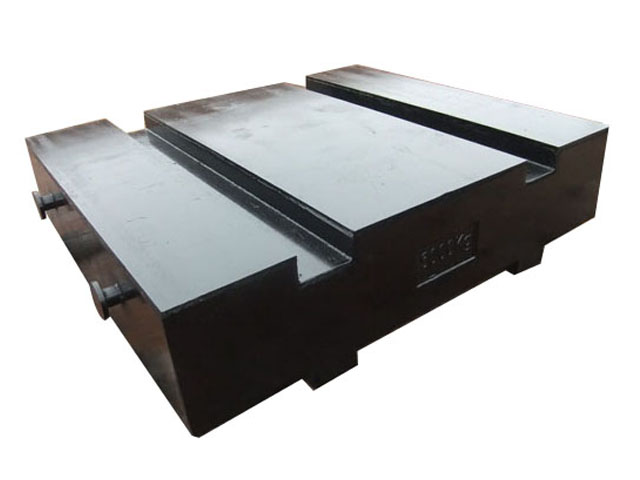
Test weights designed for truck scale use are built to withstand rigorous, repeated use in outdoor and industrial environments, prioritizing durability, stability, and uniform mass distribution. Most commonly constructed from dense, robust cast iron or steel, these weights are manufactured to strict internal quality standards that ensure each individual weight block holds a consistent mass without warping, cracking, or deteriorating under heavy handling or exposure to dust, moisture, or temperature extremes. Unlike lightweight or fragile testing tools, truck scale test weights are made to resist damage from being moved, stacked, and placed onto the scale platform repeatedly, maintaining their structural integrity and mass accuracy over years of use. They are typically available in modular, stackable sizes, allowing technicians to combine multiple weights to reach the desired total mass needed for testing—whether that means a smaller load for checking individual sensor points or a much larger combined load to test the scale’s full capacity range. This modular design is key to practical use, as truck scales vary widely in their maximum weight capacity, and testing protocols often require verifying accuracy at multiple load levels, from light partial loads to heavy full loads that mimic real-world truck weights. The physical design of these weights also includes built-in handling features, such as reinforced lifting points or smooth edges, to support safe and efficient movement by trained technicians or specialized handling equipment, reducing the risk of injury and ensuring precise placement on the scale platform.
The process of using test weights to validate a truck scale is methodical and focused on thoroughness, designed to check every critical area of the scale and ensure consistent performance across the entire platform. A proper testing session begins with preparing the scale and its surrounding area: technicians clear away any debris, dirt, or loose materials from the platform surface and beneath the scale, check for visible signs of damage or uneven settling, and confirm that the scale is powered on and in stable working condition. Once the scale is prepped, technicians start with preliminary checks using smaller sets of test weights, placing the weights at key points across the platform—including each corner, the center, and midpoint areas—to test for uneven weight distribution, a common issue that can cause inaccurate readings if a truck is positioned slightly off-center. This step, often referred to as corner testing, ensures that every load sensor on the scale is responding uniformly to the same mass, identifying any sensors that may be underperforming or out of alignment. After completing corner and sectional tests, technicians move to full-load testing, stacking test weights to reach a significant portion of the scale’s maximum capacity to simulate the weight of a fully loaded truck. During this phase, technicians record the displayed weight reading and compare it directly to the total known mass of the test weights, noting any differences or inconsistencies. If discrepancies are found, trained technicians make targeted adjustments to the scale’s internal components to align the readings with the test weight values, then repeat the testing process to confirm that the adjustments have resolved the issue and restored consistent accuracy.
Consistency in testing frequency is just as important as the testing process itself, and test weights play a central role in maintaining a regular, reliable maintenance schedule. The ideal frequency of truck scale testing depends on several factors, including the volume of daily truck traffic, the type of materials being weighed, the environmental conditions of the scale’s location, and the level of precision required for daily operations. Scales used in high-volume settings, such as busy shipping ports, agricultural grain elevators, or construction material yards, where dozens of trucks are weighed each day, require more frequent testing—often several times per year—due to the constant wear and tear on components. Scales used less frequently, or in milder environmental conditions, may only need testing once or twice a year, but regular checks are still essential to catch gradual shifts in accuracy before they lead to significant problems. Test weights enable this consistent maintenance by providing a portable, reusable reference that can be deployed on-site whenever testing is needed, eliminating the need for complex or specialized equipment and allowing for quick, efficient validation without lengthy downtime. Each testing session with test weights also creates a record of the scale’s performance over time, helping operators track trends in accuracy, identify potential component wear before it leads to failure, and plan for proactive maintenance or repairs instead of reacting to sudden equipment malfunctions that can disrupt daily operations.
Beyond immediate accuracy, using test weights for regular truck scale validation delivers long-term operational and financial value for businesses and organizations across all industries. One of the most direct benefits is the prevention of financial losses related to inaccurate weight readings. When goods are bought, sold, or transported by weight, even a small error in the scale reading can result in significant cumulative losses over time: a scale that reads slightly high can lead to overcharging customers and damaged business relationships, while a scale that reads slightly low can result in lost revenue for sellers or overloaded trucks that incur unexpected fees or safety risks. For businesses that handle high-value materials such as metals, agricultural commodities, or construction aggregates, these small errors can translate to substantial financial impact over weeks and months. Test weight validation eliminates this risk by ensuring that every weight reading is accurate and reliable, creating a level playing field for all parties involved in a transaction and building trust between suppliers, carriers, and buyers. Additionally, accurate truck scale readings support safe transportation practices by ensuring that trucks are not loaded beyond legal weight limits, reducing wear on roads and bridges, lowering the risk of vehicle accidents caused by overloading, and helping businesses comply with transportation guidelines without intentional effort. In this way, test weights do more than just calibrate a scale—they support responsible, sustainable, and ethical operations across the entire supply chain.
Safe handling of test weights is a critical consideration throughout every testing process, as these dense, heavy objects pose inherent risks if not managed properly by trained personnel. Due to their solid construction and high mass, even individual test weight blocks can be heavy, and stacked sets of test weights used for full-scale testing can reach several tons, requiring specialized equipment such as forklifts, weight carts, or dedicated lifting machinery to move and position safely. Technicians responsible for scale testing must be trained in proper lifting and handling techniques, understand how to secure test weights during transport to the scale site, and know how to position weights evenly on the scale platform to avoid sudden shifts or falls. Personal safety protocols, including the use of protective gear and clear communication between team members during testing, help prevent workplace injuries and ensure that the testing process runs smoothly and efficiently. Proper storage of test weights when not in use is also important for maintaining their accuracy and longevity: storing them in a dry, stable environment away from corrosive materials, excessive moisture, or extreme temperatures prevents damage to the metal structure and ensures that the mass of the weights remains consistent over time. Regular visual inspections of test weights for cracks, chips, or signs of wear are also recommended, as physical damage to the weight block could alter its mass and compromise the reliability of future testing.
Environmental factors play a significant role in truck scale performance, and test weights are uniquely suited to help validate accuracy across changing conditions, making them a versatile tool for year-round maintenance. Truck scales are often installed outdoors, exposed to rain, snow, ice, high humidity, extreme heat, and cold—all of which can affect the scale’s components and its ability to read weights accurately. For example, cold temperatures can cause metal components to contract slightly, while high heat can lead to expansion, and moisture can seep into sensor housings and affect electrical performance. Testing with test weights during different seasonal conditions allows technicians to assess how the scale responds to environmental changes and make adjustments as needed to maintain consistent accuracy year-round. This adaptive testing ensures that the scale remains reliable no matter the weather, which is essential for businesses that operate continuously through all seasons, such as agricultural operations harvesting crops in fall, construction projects working through mild winter months, or logistics companies shipping goods year-round. Test weights provide a constant reference point amid these environmental variables, giving scale operators confidence that their equipment will perform accurately regardless of external conditions.
It is also important to distinguish test weight validation from other forms of scale maintenance, as test weights serve a unique purpose that cannot be fully replaced by alternative methods. Some scale operators may attempt to use loaded trucks, bulk materials, or other makeshift loads to test scale accuracy, but these methods lack the consistency and precision of dedicated test weights. Loaded trucks can have uneven weight distribution, varying cargo densities, and unmeasured changes in vehicle weight due to fuel, passengers, or equipment, making them an unreliable reference point. Bulk materials such as gravel, grain, or sand can shift during placement, absorb moisture, or have inconsistent density, leading to variable load values that do not provide a clear picture of scale accuracy. Test weights, by contrast, have a fixed, unchanging mass that is consistent every time they are used, eliminating variables and providing a clear, objective measure of scale performance. This reliability makes test weights the standard for practical, on-site scale validation, preferred by technicians and operators alike for its simplicity and effectiveness. While routine visual inspections, cleaning, and minor component adjustments are important parts of scale maintenance, none of these steps can replace the targeted, accurate validation that test weights provide.
Investing in proper test weight use and regular scale testing is an investment in the long-term reliability and lifespan of a truck scale, as well as the overall efficiency of a business’s operations. A well-maintained truck scale that is regularly validated with test weights will have a longer service life, as small issues are identified and resolved early before they escalate into costly, major repairs or full scale replacement. Downtime is also minimized, as proactive testing and adjustments prevent sudden scale failures that can halt truck traffic, delay shipments, and disrupt daily workflows. For small businesses and large enterprises alike, this reduced downtime and lower long-term maintenance cost add significant value, making test weight testing a cost-effective practice rather than an unnecessary expense. Additionally, accurate scale measurements improve operational efficiency by streamlining loading and shipping processes, reducing the need for re-weighing trucks, and eliminating delays caused by inaccurate load calculations. Every aspect of operations that relies on weight data—from inventory management to shipping logistics—becomes more efficient and reliable when the truck scale is properly validated with test weights.
As heavy vehicle usage and load transportation continue to evolve, the need for consistent, accurate truck scale measurements remains unchanged, and test weights will continue to be a core component of effective scale management. The simplicity of test weights—their fixed mass, durable design, and straightforward application—makes them a timeless tool, unaffected by changes in technology or industry trends. While scale technology has advanced over time, with digital displays and automated data collection becoming more common, the fundamental need for a physical, known reference to validate accuracy remains the same. Test weights bridge the gap between digital scale systems and real-world physical mass, ensuring that advanced technological features do not overshadow the basic need for reliable, verifiable measurements. Whether used for a small, local truck scale or a large-scale industrial weighing system, test weights provide the same level of consistent reference, making them a universal solution for scale accuracy across all types of operations.
In summary, test weights are an essential, irreplaceable tool for maintaining the accuracy, reliability, and functionality of truck scales in every industry that relies on heavy vehicle load measurements. Their durable design, fixed mass, and modular structure make them practical for on-site testing, while their role in validating scale performance prevents financial losses, supports fair trade practices, and promotes safe transportation. Regular testing with test weights ensures that truck scales remain accurate through years of use and changing environmental conditions, extending equipment lifespan, reducing operational downtime, and improving overall efficiency. Safe handling and proper storage of test weights further enhance their value, ensuring they remain a reliable reference for years to come. For any business or organization that depends on truck scales, prioritizing regular test weight validation is not just a maintenance task—it is a critical part of responsible operations, ethical business practices, and long-term success. By relying on test weights as the standard for scale accuracy, operators can maintain confidence in their weight measurements, build trust with partners and customers, and ensure smooth, efficient operations for years to come.
