





Changzhou Veidt Weighing Co., Ltd. © 2022 ALL RIGHTS RESERVED Privacy Policy | Calibration Weight | Test Weights | Cast Iron Weights | Standard Weights | Laboratory Weights | XML | SITEMAP
NEWS LIST
test weight for precision balance
Saturday 21st March 2026 Back to list
In the world of precise measurement, precision balances stand as indispensable tools across laboratories, manufacturing facilities, research institutions, and quality control departments, where even the tiniest deviation in weight readings can lead to flawed data, faulty product outcomes, or unreliable experimental results. At the heart of maintaining the accuracy and consistency of these delicate instruments lies the test weight, a seemingly simple yet critically important component that serves as the reference standard for calibration, verification, and routine performance checks. Unlike general-purpose weighing tools that tolerate minor discrepancies, precision balances are engineered to detect minute mass changes, often down to fractions of a milligram, making them highly sensitive to wear, environmental conditions, and internal drift over time. Test weights act as the stable benchmark against which all balance measurements are validated, ensuring that every reading produced by the balance reflects true mass rather than distorted values caused by mechanical wear, electrical fluctuations, or external interference. Without properly selected, handled, and maintained test weights, even the most sophisticated precision balance cannot deliver consistent, trustworthy results, turning a high-precision instrument into a source of costly errors and unreliable data.
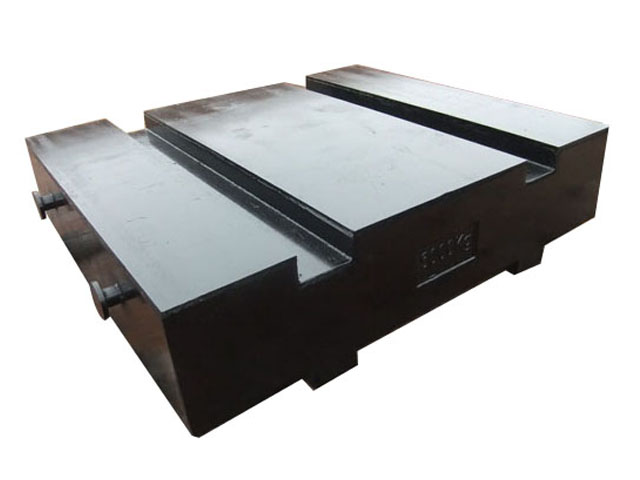
To understand the full role of test weights for precision balances, it is essential to first grasp the core function of calibration itself. Calibration is the process of comparing the readings of a measuring instrument—in this case, a precision balance—against a known, stable reference mass, which is exactly what a test weight provides. This process is not a one-time task but a recurring necessity, as precision balances are prone to gradual shifts in performance with regular use. Daily handling, minor bumps, changes in ambient temperature and humidity, dust accumulation on the weighing pan, and even subtle electrical variations can all cause the balance’s internal sensors and mechanical components to drift away from their original calibrated state. A test weight eliminates this uncertainty by offering a fixed, unchanging mass value that the balance can use to reset its internal settings, adjust its measurement scale, and confirm that its readings align with established measurement principles. Whether used for a quick daily verification to confirm the balance is functioning correctly or a full calibration procedure to restore accuracy after a period of use, test weights provide the objective reference that makes precise weighing possible in professional settings.
Selecting the right test weight for a precision balance is a deliberate process that requires careful consideration of the balance’s specifications and intended use, as mismatched weights can render calibration ineffective or even damage the instrument. One of the primary factors to consider is the weight range of the balance, including its maximum capacity and minimum readable value. A test weight that exceeds the balance’s maximum weighing capacity can strain the internal load cell and mechanical parts, leading to permanent damage and permanent loss of precision, while a weight that is too small may not provide a meaningful reference for the balance’s full measurement range. It is standard practice to choose test weights that cover key points across the balance’s operating range, such as approximately 25%, 50%, and 100% of its maximum capacity, to ensure accuracy is verified across the entire spectrum of typical use cases. Additionally, the physical size and design of the test weight matter; weights that are compact, smooth, and free of sharp edges are ideal, as they can be placed gently and evenly on the center of the weighing pan without causing uneven pressure or scratching the pan surface, which could alter future measurements.
The material composition of test weights also plays a vital role in their performance and longevity, as different materials offer varying levels of stability, resistance to environmental damage, and consistency in mass. Most high-quality test weights designed for precision balance use are made from dense, non-corrosive metals that resist wear, tarnish, and mass change over time, ensuring that their reference value remains stable for extended periods. These materials are chosen for their ability to maintain a constant mass even when exposed to mild fluctuations in temperature and humidity, which are common in most laboratory and industrial spaces. Unlike lower-quality weights made from porous or easily damaged materials, these specialized metal weights do not absorb moisture, collect dust in microscopic crevices, or develop surface oxidation that would add or remove tiny amounts of mass. This stability is non-negotiable for precision balance use, as even a microgram of added material from corrosion or dust can throw off a high-precision reading, especially when measuring small samples or fine substances like powders, chemicals, or pharmaceutical ingredients.
Proper handling of test weights is equally as important as their selection and material quality, as careless handling is one of the most common causes of mass deviation and shortened lifespan for these reference tools. One fundamental rule that must always be followed is avoiding direct contact with bare hands when handling test weights. Human skin naturally produces oils, sweat, and tiny skin particles, all of which can transfer to the surface of the weight and add minimal but impactful mass over time. Even a single fingerprint left on a test weight can alter its mass enough to create noticeable errors in precision balance calibration, particularly for smaller, lighter weights used for micro-measurements. For this reason, clean, lint-free gloves or specialized non-metallic forceps should always be used to handle test weights, ensuring that no foreign substances are transferred to their surface. When placing a test weight on the balance pan, it must be set down gently and slowly, never dropped or slid across the pan, as impact can cause dents, scratches, or internal stress that changes the weight’s mass, while sliding can leave tiny particles from the weight or pan on the surface that affect future weighings. The test weight should always be positioned directly in the center of the pan to ensure even weight distribution, as off-center placement can cause the balance to read inaccurately due to uneven pressure on the load cell.
Equally critical to proper handling is the correct storage of test weights when they are not in use, as improper storage can lead to damage, contamination, or mass change far more quickly than regular use. Test weights should never be left exposed on workbenches, where they can collect dust, absorb moisture, or be knocked over accidentally. Instead, they should be returned immediately to a dedicated, custom-fitted storage case after each use. These cases are designed with individual slots or nests for each weight, preventing them from rubbing against each other, scratching, or colliding, which can cause surface damage and mass loss. The storage area should be a clean, dry, and temperature-stable space, free from direct sunlight, corrosive fumes, or excessive humidity, all of which can accelerate corrosion or tarnishing on the weight’s surface. Avoiding storage near windows, heating vents, air conditioners, or chemical storage areas is essential, as these locations expose the weights to rapid temperature changes and potentially harmful substances that can compromise their integrity. For long-term storage, it is also advisable to keep the storage case closed tightly to prevent dust and moisture from entering, further protecting the weights from environmental damage.
Regular inspection and cleaning of test weights are key maintenance practices that help preserve their accuracy and extend their usable life, even with careful handling and storage. Over time, even with protective measures, tiny amounts of dust, lint, or minor residue can accumulate on the weight’s surface, and occasional visual inspections can catch early signs of damage or contamination before they impact calibration results. Inspections should be done gently, using a soft, lint-free cloth to wipe the surface and check for scratches, dents, discoloration, or signs of corrosion. Any visible damage, no matter how small, should be taken seriously, as even a tiny scratch or dent can alter the weight’s mass and make it unfit for use as a reference standard. Cleaning should be performed only when necessary, using a soft, dry cloth or a cloth lightly dampened with a mild, non-corrosive cleaning solution; harsh chemicals, abrasive scrubbers, or excessive moisture should never be used, as these can damage the weight’s surface and cause permanent mass changes. After cleaning, the weight must be allowed to dry completely in a controlled environment before being returned to storage or used for calibration, as any remaining moisture can lead to corrosion or affect the balance’s readings.
Environmental conditions also play a significant role in the effectiveness of test weight calibration for precision balances, and the same factors that impact the balance itself will impact the reliability of the test weight as a reference. Calibration should always be performed in a space that is free from air currents, vibrations, and rapid temperature fluctuations, as these elements can disrupt both the balance’s performance and the stability of the test weight reading. Air drafts, even from a nearby open door or ventilation system, can create slight pressure changes on the weighing pan that cause the balance to display fluctuating readings, making it impossible to get an accurate comparison between the test weight’s known mass and the balance’s displayed value. Vibrations from nearby equipment, foot traffic, or machinery can also disturb the balance’s internal components, leading to unstable readings. Temperature changes can cause minor expansion or contraction of both the balance’s parts and the test weight itself, leading to temporary mass or dimension changes that affect accuracy. For this reason, calibration should be carried out in a dedicated, low-traffic area with stable temperature and humidity, and the balance should be allowed to warm up and acclimate to the environment for a set period before calibration begins, ensuring that both the instrument and the test weight are in a stable state for accurate comparison.
The frequency of calibration and verification using test weights depends largely on how often the precision balance is used and the level of accuracy required for the tasks it performs. Balances used for high-stakes applications such as pharmaceutical compounding, chemical research, or materials testing, where absolute precision is critical, require more frequent verification—often daily or before each critical weighing session—to ensure no drift has occurred since the last check. For balances used in general laboratory work or less frequent testing, weekly or monthly verification may be sufficient, with full calibration performed on a regular schedule to reset any gradual drift. It is important to keep a detailed log of all calibration and verification activities, noting the date, the test weights used, the readings obtained, and any adjustments made to the balance; this log provides a clear record of the balance’s performance over time and helps identify patterns of drift that may indicate the need for maintenance or repair. While it may be tempting to skip routine verification when the balance seems to be working correctly, consistent use of test weights for regular checks prevents small, unnoticeable errors from accumulating into large discrepancies that can compromise entire batches of work or research data.
Common mistakes in using test weights with precision balances often stem from overlooking small details or prioritizing convenience over proper procedure, and these mistakes can have a significant impact on measurement accuracy. One frequent error is using damaged or contaminated test weights without inspection, assuming that any weight will work for calibration regardless of its condition. Another is handling weights with bare hands or placing them incorrectly on the pan, leading to consistent but inaccurate readings. Some users also rush the calibration process, not allowing the balance to stabilize after placing the test weight or not waiting for the reading to settle completely, resulting in hasty, unreliable adjustments. Using test weights that are not matched to the balance’s capacity or resolution is another common misstep, as is calibrating in a poor environment with drafts, vibrations, or temperature changes. Additionally, failing to store weights properly and leaving them exposed to the elements leads to gradual degradation that goes unnoticed until a major calibration error occurs. By recognizing and avoiding these mistakes, users can ensure that their test weights remain reliable reference standards and that their precision balances continue to perform at their intended level of accuracy.
Beyond calibration and verification, test weights also play a role in troubleshooting precision balance issues when unexpected readings or inconsistencies arise. If a balance begins to display fluctuating values, inconsistent readings for the same sample, or values that do not align with expected results, a test weight can be used to quickly determine whether the problem lies with the balance itself or with external factors such as sample contamination or user error. By placing a known, stable test weight on the pan and checking the reading, users can isolate the issue: if the balance reads the test weight correctly, the problem is likely related to the sample or handling technique; if the reading is off, the balance requires calibration, adjustment, or further inspection for mechanical or electrical issues. This diagnostic role makes test weights an essential tool for maintaining uptime and efficiency in busy laboratories and production settings, where downtime due to instrument issues can be costly and disruptive.
Investing time and care into proper test weight management is not just a matter of maintaining instrument accuracy; it is a commitment to quality, reliability, and consistency in all measurement-based work. In research settings, accurate weighing ensures that experiments are reproducible and results are valid, allowing scientists to draw meaningful conclusions and advance knowledge. In manufacturing and quality control, precise weight measurements guarantee that products meet specifications, comply with internal quality standards, and perform as intended for end users. In pharmaceutical and food production, precise weighing is critical for ensuring product safety and consistency, where even small variations in ingredient amounts can affect product efficacy or quality. Test weights are the quiet foundation of this accuracy, working behind the scenes to ensure that every measurement is grounded in a stable, reliable reference point.
As measurement technology continues to advance and precision balances become more sensitive and sophisticated, the role of test weights remains unchanged and irreplaceable. No amount of technological innovation can eliminate the need for a physical, stable reference mass to validate instrument performance, as digital systems and internal sensors still require external verification to ensure they are functioning correctly. Test weights are a timeless tool in the world of precision measurement, their value lying not in complexity but in their unwavering stability and reliability. By adhering to strict guidelines for selection, handling, storage, inspection, and cleaning, users can maximize the lifespan of their test weights and ensure that their precision balances deliver accurate, consistent results for years to come. Taking the time to follow proper procedures with test weights is a small investment that yields massive returns in terms of data integrity, product quality, and operational efficiency, making it an essential practice for anyone who relies on precision weighing in their work.
In summary, test weights are the cornerstone of effective precision balance operation, serving as the critical link between raw instrument readings and true mass measurement. Their importance extends far beyond simple calibration, touching every aspect of precise weighing, from routine daily use to troubleshooting and quality assurance. Proper care and attention to these small but mighty tools prevent measurement errors, reduce instrument downtime, and uphold the highest standards of accuracy in all fields that rely on precise weight data. Whether in a small research lab, a large industrial facility, or a specialized quality control unit, the disciplined use of test weights ensures that precision balances fulfill their purpose as reliable, high-performance measuring instruments, supporting excellence in every task that requires exact and consistent weight determination.
