





Changzhou Veidt Weighing Co., Ltd. © 2022 ALL RIGHTS RESERVED Privacy Policy | Calibration Weight | Test Weights | Cast Iron Weights | Standard Weights | Laboratory Weights | XML | SITEMAP
NEWS LIST
test weight for laboratory
Saturday 21st March 2026 Back to list
In every laboratory, regardless of its focus—whether basic scientific research, material analysis, pharmaceutical development, environmental testing, or industrial quality control—accurate mass measurement stands as one of the most foundational and non-negotiable elements of reliable work. At the heart of maintaining this accuracy lies the laboratory test weight, a seemingly simple yet profoundly critical tool that serves as the universal reference for calibrating, verifying, and validating all types of weighing equipment, from delicate micro-analytical balances to larger bench-top scales. These test weights are not mere pieces of shaped metal; they are precision-engineered reference masses designed to hold a consistent, known weight value under controlled conditions, acting as the bridge between raw instrument readings and trustworthy, repeatable data that forms the basis of all subsequent experiments, analyses, and conclusions. Without properly maintained and correctly used test weights, even the most advanced weighing instruments would produce inconsistent, unreliable results, undermining the integrity of entire research projects, quality assessments, and compliance protocols across countless laboratory settings.
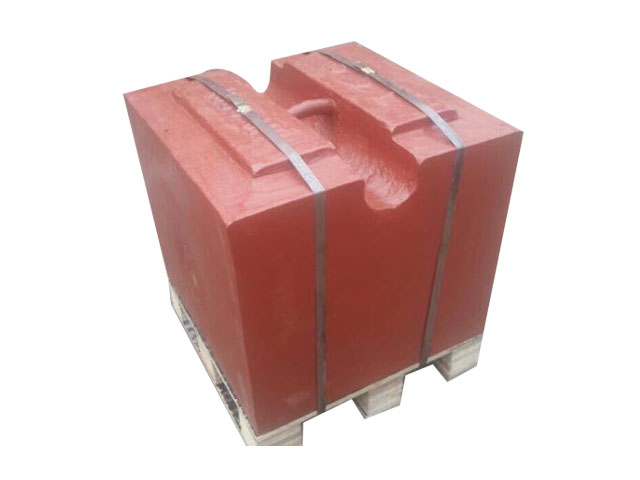
The core function of laboratory test weights revolves around calibration and routine performance checks, two processes that are integral to the daily operation of any functional lab. Calibration involves comparing the reading of a weighing instrument to the known, fixed mass of a test weight, identifying any deviations between the displayed value and the actual reference mass, and making subtle adjustments to the instrument to align its output with the true weight. This process is not a one-time task; it must be repeated at regular intervals to account for natural drift in instrument performance, which can occur due to a range of factors including minor mechanical wear, changes in internal electronic components, exposure to temperature fluctuations, or even regular handling during daily use. Routine verification, on the other hand, is a quicker check performed before critical weighing tasks to confirm that the balance or scale is operating within acceptable tolerance levels, using test weights of appropriate mass to ensure that no unexpected errors have developed since the last full calibration. For laboratories handling sensitive substances, such as fine chemical reagents, pharmaceutical ingredients, or trace environmental samples, this step is especially vital, as even a tiny deviation in mass measurement can lead to significant errors in concentration calculations, reaction outcomes, or sample purity assessments.
Laboratory test weights are available in a wide range of mass values and physical designs, each tailored to meet the specific needs of different weighing instruments and laboratory applications. Mass values span from extremely small milligram weights used for micro-analytical balances that measure down to sub-milligram increments, up to larger gram and kilogram weights for general-purpose bench scales and bulk material testing. The physical design of these weights is carefully crafted to support accurate handling and placement; most standard laboratory weights feature a cylindrical shape with a small, raised knob on top, a design that allows for safe handling using specialized forceps or lifting tools without direct skin contact. This design choice is intentional, as direct touching with bare hands can transfer skin oils, moisture, and tiny particles of debris to the weight’s surface, which can gradually alter its mass over time and compromise its accuracy. Smaller milligram weights are often designed as flat, thin pieces or fine wires, requiring extra gentle handling with precision tweezers to avoid bending, scratching, or contamination that could affect their reference value. Larger weights used for heavier capacity scales may have a more robust, block-like structure with a secure grip point, built to withstand regular handling while maintaining their structural integrity and mass consistency.
The materials used to manufacture laboratory test weights are selected with extreme care, prioritizing stability, resistance to environmental damage, and non-reactivity to ensure long-term mass consistency. One of the most common materials for high-precision laboratory test weights is a specialized grade of stainless steel, chosen for its excellent resistance to corrosion, rust, and tarnish, as well as its non-magnetic properties. Magnetic materials are unsuitable for test weights because they can interfere with the internal electromagnetic mechanisms of digital analytical balances, causing inaccurate readings and inconsistent performance. Stainless steel weights also have a smooth, polished surface that resists the buildup of dust, chemical residues, and moisture, making them easy to clean and maintain without altering their mass. For less high-precision, general laboratory use, some test weights are made from brass, a durable metal that holds its shape well and offers good resistance to wear, though it may tarnish slightly over time with exposure to air and requires more frequent gentle cleaning to preserve its mass. Heavier, industrial-grade test weights used in larger laboratory scales may be made from coated cast iron, which provides exceptional durability and stability for higher mass values, with a protective coating to prevent rust and surface damage in less controlled laboratory environments. Each material is chosen to balance precision, durability, and practicality, matching the weight’s intended use case and the level of accuracy required by the laboratory’s work.
Proper handling and storage of laboratory test weights are just as important as their precision manufacturing, as even small mistakes in care can lead to gradual changes in mass and a loss of reference accuracy. One of the most fundamental rules of test weight handling is avoiding direct skin contact at all times. Human skin naturally produces oils, sweat, and tiny flakes of skin, all of which can adhere to the weight’s surface and add minute amounts of mass that, while invisible to the naked eye, can significantly impact the readings of high-precision balances. Instead, laboratory staff should always use dedicated plastic or metal forceps, weight lifters, or clean, lint-free gloves when handling test weights, taking care to grip the weight gently by its designated handle or knob rather than its flat weighing surface. When placing a test weight on a balance pan, it should be set down slowly and centered carefully to avoid jostling the instrument or causing uneven pressure, which can temporarily disrupt the balance’s internal mechanisms and lead to false readings. After use, test weights should never be left exposed on lab benches, where they can collect dust, spill chemical residues, or be accidentally knocked over and damaged. Instead, they should be returned promptly to their custom-fitted storage case, usually lined with soft, non-abrasive material to prevent scratching and designed to hold each weight securely in its designated slot, keeping them organized and protected from environmental contaminants.
Environmental conditions within the laboratory also play a key role in preserving the accuracy and longevity of test weights, as extreme or fluctuating conditions can affect both the weights themselves and the performance of the weighing instruments they are used to calibrate. Ideally, test weights should be stored and used in a controlled laboratory environment with stable temperature, moderate humidity, and minimal air movement. Temperature fluctuations can cause minor expansion or contraction of the metal used in test weights, even in highly stable materials like stainless steel, leading to tiny shifts in mass that can affect precision measurements. High humidity can promote moisture buildup on the weight’s surface, potentially leading to corrosion or tarnish over time, especially in weights made from less corrosion-resistant materials. Excessive air currents, such as those from open windows, lab fans, or air conditioning vents, can also disrupt the stability of sensitive balances during calibration and cause slight variations in weight readings. To mitigate these effects, many laboratories designate a specific, enclosed area for balance calibration and weight handling, away from high-traffic zones, chemical fume hoods, and equipment that generates heat or air movement. This dedicated space helps maintain consistent conditions, ensuring that test weights perform as intended and that calibration results are accurate and repeatable.
Regular cleaning and inspection of laboratory test weights are essential maintenance practices that help preserve their accuracy and extend their usable lifespan, preventing gradual degradation from contamination or minor damage. Cleaning should be performed gently and infrequently, only when visible dirt, dust, or residue is present on the weight’s surface, as over-cleaning can also risk damaging the weight or altering its mass. For routine cleaning, a soft, lint-free cloth lightly dampened with a mild, non-abrasive cleaning solution or pure alcohol is recommended; the cloth should be wrung out completely to avoid excess moisture, which can seep into small crevices or cause temporary surface changes. Harsh chemicals, scrub brushes, or abrasive cleaning pads should never be used, as they can scratch the weight’s surface, remove small amounts of material, or leave behind residue that affects mass. After cleaning, the weight should be allowed to air dry completely in a dust-free area before being handled or returned to storage. During cleaning or routine handling, staff should also inspect each test weight for signs of damage, including scratches, dents, rust, tarnish, or bent edges. Even small physical defects can alter the weight’s mass or affect its placement on a balance pan, so any weight showing visible damage or signs of wear should be removed from regular use and checked for accuracy before being reused. Documenting these inspections and any observed changes helps maintain a clear record of each weight’s condition, supporting consistent quality control across the laboratory.
The impact of reliable test weight use extends far beyond individual calibration tasks, touching every aspect of laboratory operations and the broader impact of lab work. In research laboratories, accurate mass measurements ensured by properly calibrated weights lead to reproducible experimental results, which are the cornerstone of scientific progress. When experiments can be repeated with consistent results by different researchers or in different labs, it builds credibility for scientific findings and supports the development of new theories, materials, and technologies. In quality control laboratories, particularly those supporting pharmaceutical, food and beverage, or manufacturing industries, precise weighing is critical to ensuring product safety, consistency, and adherence to internal quality standards. Incorrect measurements in these settings can lead to products that fail to meet formulation requirements, potentially compromising consumer safety or leading to costly production waste and rework. In environmental and clinical laboratories, accurate mass analysis of samples helps generate reliable data for pollution monitoring, clinical diagnostics, and public health assessments, where precise results can directly influence important decisions about environmental protection and patient care. In every case, the humble laboratory test weight serves as an unsung hero, quietly upholding the accuracy and integrity of the data that drives these critical processes.
Another important consideration in laboratory test weight management is matching the weight’s precision level to the capabilities of the weighing instrument being calibrated. Not all test weights are designed for the same level of accuracy, and using a weight with insufficient precision for a high-sensitivity balance will render calibration ineffective, while using an overly precise weight for a general-purpose scale is unnecessary and can waste valuable resources. Laboratories typically assess the tolerance requirements of their weighing equipment—based on the smallest mass increment the instrument can measure and the acceptable margin of error for its intended tasks—and select test weights that meet or exceed those tolerance levels. For example, micro-analytical balances used for measuring tiny quantities of rare chemicals require ultra-precise milligram test weights with extremely narrow tolerance ranges, while general bench scales used for weighing larger samples can use standard gram weights with broader but still controlled tolerances. Taking the time to select the right test weights for each instrument ensures that calibration is effective, efficient, and fit for purpose, avoiding both inaccurate results and unnecessary resource expenditure.
As laboratory technology continues to advance, with weighing instruments becoming more sensitive and automated, the role of test weights remains unchanged and irreplaceable. Automated balances may offer faster readings and digital data recording, but they still rely on a physical reference mass to validate their accuracy, and that reference will always be a well-maintained test weight. Training laboratory staff on proper test weight handling, storage, and calibration protocols is also a key part of maximizing their value; even the highest-quality test weights will lose accuracy if handled carelessly or stored improperly. Regular training sessions reinforce best practices, ensure all team members understand the importance of these small tools, and help prevent common mistakes that can compromise measurement accuracy. Over time, investing in high-quality test weights and consistent maintenance practices proves to be a cost-effective choice for laboratories, as it reduces the risk of inaccurate data, repeat experiments, wasted samples, and equipment malfunctions, ultimately streamlining operations and improving overall productivity.
In summary, laboratory test weights are an indispensable component of any professional laboratory setting, serving as the foundational reference for all mass measurement activities. Their precision design, careful material selection, and proper handling and maintenance directly determine the reliability of weighing equipment, which in turn shapes the validity of every experiment, analysis, and quality check performed in the lab. From the smallest milligram weight used in cutting-edge scientific research to the larger kilogram weights used in industrial quality control, each test weight plays a vital role in upholding the standards of accuracy, consistency, and integrity that define credible laboratory work. While they may be overshadowed by more complex laboratory instruments, their impact is far-reaching, supporting scientific discovery, product safety, environmental stewardship, and clinical progress on a daily basis. By prioritizing proper care, selection, and use of laboratory test weights, labs can ensure that their measurement data remains trustworthy, their work maintains the highest standards of quality, and their contributions to their respective fields are reliable and meaningful for years to come.
