





Changzhou Veidt Weighing Co., Ltd. © 2022 ALL RIGHTS RESERVED Privacy Policy | Calibration Weight | Test Weights | Cast Iron Weights | Standard Weights | Laboratory Weights | XML | SITEMAP
NEWS LIST
test weight for industrial use
Saturday 21st March 2026 Back to list
In the complex and fast-paced landscape of modern industrial operations, precision in measurement stands as a foundational pillar that supports every stage of production, logistics, quality assurance, and equipment performance. Among the many tools that uphold this precision, industrial test weights hold a position of quiet but irreplaceable importance, serving as tangible, consistent reference masses that validate the accuracy of weighing equipment across countless manufacturing, processing, and distribution environments. Unlike specialized laboratory weights designed for ultra-fine analytical work, industrial test weights are engineered to withstand the unique demands of busy factory floors, outdoor calibration sites, heavy-duty material handling zones, and high-volume production lines, balancing reliable mass consistency with rugged durability and practical usability. These weights are not merely passive objects; they are carefully crafted components that bridge the gap between theoretical measurement standards and real-world industrial functionality, ensuring that every weight reading used to batch raw materials, verify finished goods, calibrate heavy machinery, and manage inventory remains consistent, reliable, and free from avoidable error. Every aspect of their design, from material selection to physical shape, surface finish, and handling features, is tailored to address the specific challenges of industrial settings, where dust, moisture, temperature fluctuations, mechanical vibration, and frequent manual or mechanical handling are everyday occurrences that could compromise the performance of less robust measurement tools.
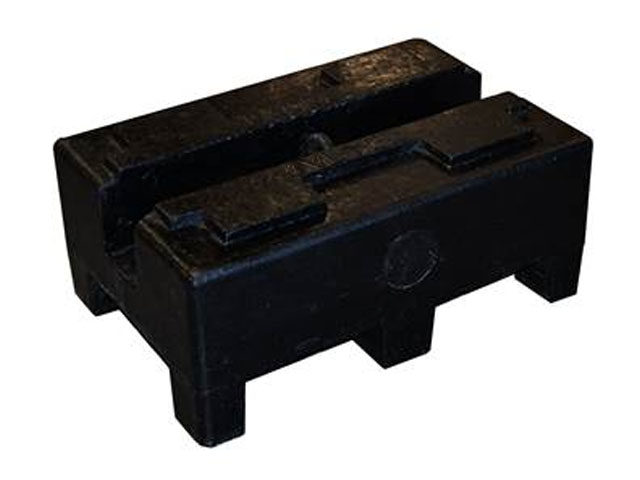
The selection of materials for industrial test weights is a deliberate process that prioritizes long-term dimensional stability, resistance to physical wear, and consistent density, three traits that directly impact the ability to maintain accurate mass values over years of regular use. One of the most widely utilized materials for heavy-duty industrial test weights is high-grade cast iron, chosen for its unique combination of structural strength, compact density, and resistance to impact and deformation under heavy loads. Cast iron test weights offer a high mass-to-volume ratio, allowing for the creation of substantial reference masses without excessively large physical dimensions, a critical advantage in industrial settings where storage space and handling efficiency matter. This material also exhibits minimal thermal expansion and contraction within the typical temperature ranges found in most industrial facilities, meaning that mass values remain stable even as ambient conditions shift between morning and afternoon shifts, or between seasonal changes in indoor and semi-outdoor workspaces. Unlike more brittle materials that can crack or shatter upon accidental drops or contact with heavy equipment, cast iron absorbs moderate impact without sustaining permanent structural damage, preserving its calibrated mass and avoiding the need for frequent replacement or reconditioning. For industrial environments with heightened exposure to moisture, chemical residues, or corrosive substances, stainless steel serves as a reliable alternative material, offering exceptional resistance to rust, oxidation, and chemical degradation without sacrificing density or stability. Stainless steel test weights are ideal for use in food processing, chemical manufacturing, and marine logistics settings, where exposure to liquids, cleaning agents, or airborne contaminants is constant, and where maintaining a clean, non-contaminating surface is essential to both measurement accuracy and operational hygiene. While stainless steel may carry a higher production cost than cast iron, its extended service life and ability to perform reliably in harsh conditions make it a practical investment for industries where corrosion resistance is non-negotiable. Other specialized materials, such as coated alloy steels, are also used for specific industrial scenarios, with protective surface coatings that add an extra layer of defense against scratches, dust buildup, and minor chemical exposure, further extending the usable life of the weight and preserving its surface integrity for consistent placement on weighing platforms.
Design and structural engineering play equally vital roles in the functionality of industrial test weights, with every physical feature tailored to enhance usability, stability during calibration, and compatibility with a wide range of industrial weighing equipment. Standard industrial test weights are available in a diverse range of mass increments, spanning from small, handheld sizes used for calibrating bench-top scales and compact counting devices to large, block-style weights designed for heavy-capacity floor scales, truck weighbridges, crane scales, and industrial hopper systems. This wide range of sizes ensures that teams can select the exact test weight needed to match the capacity and sensitivity of the equipment being calibrated, whether verifying the accuracy of a small-scale ingredient batching system or a large-scale material loading scale used for bulk raw materials. Physical shapes vary to suit different applications, with cylindrical weights offering balanced, easy-to-handle profiles for general calibration tasks, rectangular block weights providing stable, non-slip surfaces for heavy-load testing and stacking, and weights with integrated lifting features designed for safe, efficient handling of larger masses. Integrated handles, reinforced lifting points, and ergonomic contours are not arbitrary additions; they are engineered to reduce the risk of injury during manual handling, prevent accidental dropping that could alter mass integrity, and allow for smooth placement and removal from weighing platforms without disrupting the calibration process. Stackable designs are another key design element, enabling teams to combine multiple test weights to achieve a specific cumulative mass for calibrating high-capacity scales, while interlocking features prevent sliding or shifting during use, ensuring that the full mass is applied evenly and accurately to the weighing surface. Edge and corner design is also carefully considered, with rounded, smoothed edges that eliminate sharp points that could damage sensitive weighing platforms, load cells, or scale surfaces, preserving the lifespan of both the test weight and the equipment it calibrates. Even the weight distribution within each test weight is engineered to be uniform, ensuring that the mass is evenly spread across the contact surface, which eliminates uneven pressure points that could lead to inaccurate calibration readings on precision weighing equipment.
The core function of industrial test weights revolves around routine calibration and performance verification of weighing systems, a task that underpins the consistency and reliability of nearly every industrial operation. In manufacturing settings, accurate weighing is essential at every step of the production cycle: raw materials must be measured precisely to maintain consistent product formulations, intermediate components must be weighed to ensure proper assembly and quality, and finished goods must be weighed to meet packaging specifications and regulatory guidelines for product quantity. Without regular, reliable calibration using trusted industrial test weights, even high-quality weighing equipment can gradually drift in accuracy over time, affected by constant use, mechanical vibration, minor impacts, temperature changes, and normal wear and tear on internal components. This drift, while often subtle in small increments, can accumulate to create significant discrepancies in large-scale production, leading to inconsistent product quality, wasted raw materials from over-measuring, under-filled packages that fail internal quality standards, and inefficient use of production resources. Industrial test weights eliminate this risk by providing a fixed, known reference mass that allows technicians to compare the reading of the weighing equipment against a reliable standard, identifying minor inaccuracies before they escalate into larger operational issues. Calibration routines typically involve placing the test weight gently onto the weighing platform, allowing the equipment to stabilize, and recording the reading to assess alignment with the known mass; adjustments can then be made to the weighing system if discrepancies are detected, restoring full accuracy quickly and minimizing downtime for production lines. This process is equally critical in logistics and distribution environments, where accurate weighing is essential for proper inventory management, fair shipping and freight calculations, and compliance with transportation guidelines for load limits. Warehouse floor scales, pallet scales, and shipping scales all require regular verification with industrial test weights to ensure that every shipment is weighed correctly, preventing costly billing errors, inventory discrepancies, and safety risks associated with overloaded transport vehicles.
Beyond basic calibration, industrial test weights play a vital role in equipment testing, preventive maintenance, and quality control protocols across a broad spectrum of industrial sectors. In heavy industry sectors such as metalworking, construction material production, and mining, test weights are used to verify the performance of load cells, crane scales, and material hopper weighing systems, ensuring that heavy machinery can safely and accurately measure large volumes of bulk materials without error. These weights are essential for routine preventive maintenance checks, allowing maintenance teams to assess the condition of weighing components, detect early signs of wear or malfunction in load cells and sensors, and address issues before they lead to equipment failure or costly production delays. In food and beverage manufacturing, where precise ingredient measurement is critical to product consistency, safety, and compliance with internal quality standards, stainless steel industrial test weights are used daily to calibrate filling machines, batching scales, and checkweighers on high-speed production lines, ensuring that every product meets strict weight specifications and that batch consistency is maintained across thousands of units. In chemical processing plants, where accurate measurement of raw materials is essential to maintain safe and effective production reactions and avoid hazardous material imbalances, corrosion-resistant test weights provide a reliable calibration solution that can withstand exposure to chemical fumes and residues without compromising mass integrity. Even in automotive and aerospace component manufacturing, where precision is paramount to product performance and safety, test weights are used to calibrate specialized weighing equipment used for small component verification and assembly line quality checks, ensuring that every part meets strict weight tolerances required for final assembly. The versatility of industrial test weights allows them to adapt to the unique needs of each sector, with material and design choices tailored to the specific environmental and operational challenges of each industry, making them a universal tool for maintaining measurement integrity across the industrial landscape.
Proper handling, storage, and routine care are essential to preserving the accuracy and longevity of industrial test weights, as even minor damage, contamination, or wear can alter their mass values and compromise their effectiveness as calibration standards. One of the most fundamental practices for maintaining test weight integrity is careful handling, with technicians advised to use clean, dry gloves when handling smaller weights to prevent the transfer of skin oils, moisture, or dirt onto the weight surface, which can accumulate over time and add subtle, unintended mass. For larger, heavier test weights, mechanical lifting aids such as hoists, carts, or forklift attachments should be used to avoid straining personnel and to prevent accidental dropping or impact that could cause internal structural damage or surface deformation. Test weights should always be placed gently onto weighing platforms, never slid or dropped, as sudden impact can disrupt the uniform mass distribution and cause micro-fractures in cast iron or alloy materials that are not visible to the naked eye but can affect long-term accuracy. When not in use, test weights should be stored in a clean, dry, temperature-stable environment, away from direct sunlight, moisture, chemical vapors, and heavy machinery that could cause vibration or physical damage. Dedicated storage racks, padded cases, or covered storage areas are ideal for preventing dust buildup, scratches, and contact with other tools or materials that could cause surface damage. Regular cleaning is another key maintenance step, with test weights wiped down using a soft, lint-free, non-abrasive cloth to remove dust, debris, and residual contaminants after each use; mild, non-corrosive cleaning agents can be used for stainless steel weights in food or chemical settings, provided the weight is thoroughly dried afterward to prevent moisture buildup. Avoiding contact with sharp objects, abrasive cleaning tools, or harsh chemicals is critical to preserving the surface finish and structural integrity of the weight, as scratches, pitting, or corrosion can alter mass values and reduce the effectiveness of the calibration standard. Periodic visual inspections are also recommended, with technicians checking for signs of surface damage, rust, deformation, or wear, and addressing any issues promptly to ensure that the weight remains a reliable reference standard. While industrial test weights are designed for durability, consistent adherence to proper care practices extends their usable life significantly, ensuring that they remain accurate and functional for years of regular use without the need for frequent replacement.
The impact of industrial test weights extends far beyond individual calibration tasks, contributing to overall operational efficiency, cost savings, and consistent quality across entire industrial facilities. By ensuring that all weighing equipment remains accurately calibrated, these weights help minimize material waste, as precise measurements eliminate the overuse of expensive raw materials and reduce the number of finished products that fail quality checks due to incorrect weight or formulation. This reduction in waste directly translates to lower production costs and improved resource efficiency, as facilities maximize the use of available materials and reduce the need for rework or disposal of non-compliant products. Calibrated weighing equipment also streamlines production workflows, reducing downtime caused by inaccurate readings, quality control hold-ups, or equipment malfunctions, allowing production lines to operate smoothly and consistently at optimal capacity. In logistics and distribution, accurate weighing supported by regular test weight verification reduces the risk of billing disputes, inventory inaccuracies, and transportation delays, improving overall supply chain efficiency and customer satisfaction. Additionally, reliable measurement supported by industrial test weights enhances overall product quality and brand consistency, as customers receive products that meet stated specifications and quality standards every time, building trust and reliability in the marketplace. Unlike high-tech digital measurement tools that rely on electrical components and software, industrial test weights function as passive, mechanical reference standards that do not require power, calibration software, or complex maintenance, making them a dependable backup and primary standard for facilities seeking consistent, uncomplicated measurement validation. Their reliability in high-stress, low-maintenance industrial environments makes them an indispensable part of quality management systems, providing a tangible, verifiable standard that teams can rely on day in and day out.
As industrial operations continue to evolve with advancements in automation, smart manufacturing, and high-volume production, the role of industrial test weights remains constant and essential, adapting to new technologies while retaining their core purpose as reliable reference masses. Automated weighing systems, robotic material handling equipment, and integrated production line sensors all require regular calibration with trusted test weights to ensure that digital readings align with real-world mass values, bridging the gap between automated technology and physical measurement accuracy. Even as factories become more connected and data-driven, the need for a physical, tangible reference standard like industrial test weights persists, as digital systems can still be affected by electrical interference, sensor drift, and software glitches that a mechanical reference standard can help identify and correct. Modern industrial test weights are also designed to integrate seamlessly with modern calibration practices, with uniform designs and consistent mass values that allow for quick, repeatable calibration routines compatible with digital logging and record-keeping systems used for internal quality tracking. The ongoing demand for durable, accurate, and easy-to-use industrial test weights reflects their timeless value in industrial operations, proving that even in an era of advanced technology, simple, well-engineered mechanical tools remain critical to maintaining the precision and efficiency that define successful industrial manufacturing. Whether used in a small local manufacturing facility or a large-scale global production plant, industrial test weights fulfill a universal need for consistent, reliable measurement, serving as a silent backbone of quality, efficiency, and operational excellence across every corner of the industrial world.
In summary, industrial test weights are far more than basic metal masses; they are precision-engineered tools that embody the principles of consistency, durability, and practicality, tailored specifically to meet the rigorous demands of industrial environments. From careful material selection and thoughtful design to their wide-ranging applications across manufacturing, logistics, and quality control, every aspect of these weights is optimized to support accurate, reliable measurement. Their role in preventing material waste, maintaining product quality, reducing operational costs, and ensuring smooth production workflows cannot be overstated, as they provide a stable, trusted reference point that keeps entire industrial operations aligned with precision standards. Proper handling and maintenance further enhance their value, extending their lifespan and ensuring long-term accuracy, making them a wise and necessary investment for any industrial facility that prioritizes quality and efficiency. As industry continues to advance and grow, the fundamental need for reliable measurement will remain unchanged, and industrial test weights will continue to hold their place as an essential, irreplaceable component of successful, sustainable industrial operations, quietly upholding the standards that drive productivity, quality, and consistency in every sector they serve.
