





Changzhou Veidt Weighing Co., Ltd. © 2022 ALL RIGHTS RESERVED Privacy Policy | Calibration Weight | Test Weights | Cast Iron Weights | Standard Weights | Laboratory Weights | XML | SITEMAP
NEWS LIST
test weight for hoist
Saturday 21st March 2026 Back to list
In the broad landscape of material handling and heavy lifting operations, hoists stand as indispensable tools that bridge the gap between ground-level storage and elevated placement across construction sites, manufacturing facilities, warehouse operations, marine terminals, and various industrial settings. These machines rely on precise mechanical balance, structural integrity, and consistent performance to move loads safely and efficiently, making thorough pre-use and periodic testing non-negotiable for protecting personnel, preserving equipment, and preventing costly operational disruptions. At the heart of this testing process lies the test weight, a purpose-built component designed to simulate real-world loading conditions and validate a hoist’s ability to handle specified workloads without compromise. Unlike random heavy objects or makeshift loads, test weights are engineered to deliver consistent, measurable force, eliminating the variables that can skew testing results and create hidden safety risks. Every aspect of a test weight, from its material composition to its shape, weight distribution, and handling design, is tailored to support accurate, repeatable testing that aligns with the functional demands of hoisting equipment, ensuring that every lift performed in daily operations is backed by verified mechanical reliability.
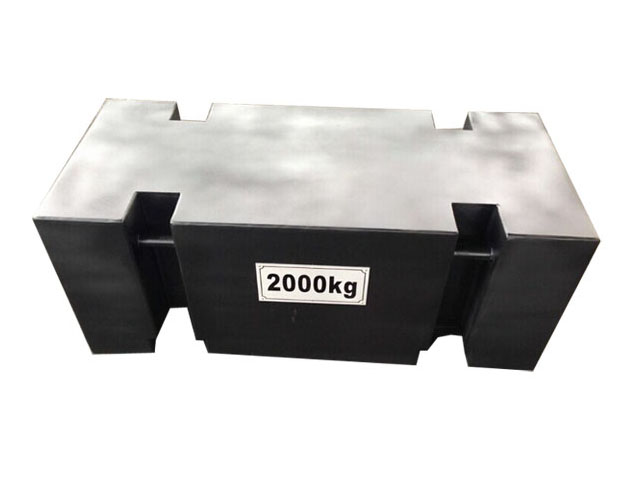
To understand the true importance of test weights for hoists, it is essential to first recognize the inherent risks of operating lifting equipment without proper load verification. Hoists are built to handle specific load thresholds, and exceeding these limits, even unintentionally, can lead to catastrophic failure: structural bending, cable or chain breakage, brake malfunction, or sudden load drops that pose severe threats to nearby workers and surrounding infrastructure. Even when a hoist appears to function correctly during light use, hidden wear and tear, minor mechanical damage, or improper assembly can compromise its performance under full load, issues that remain undetected without targeted load testing. Test weights solve this problem by providing a controlled, known load that pushes the hoist to its rated capacity and often slightly beyond, allowing operators and inspectors to identify weaknesses before the equipment is put into active service. This proactive approach to testing is not just a matter of operational efficiency; it is a foundational safety practice that prioritizes human life and asset protection, turning potential accidents into preventable issues through careful, systematic evaluation.
The design of effective test weights for hoists is rooted in principles of balance, durability, and practicality, with careful attention to how the weight interacts with the hoist’s lifting mechanism and load-bearing components. One of the most critical design elements is uniform weight distribution, as uneven loading can create uneven stress on the hoist’s hooks, chains, cables, and structural frame, leading to inaccurate test results and potential damage during testing. Well-crafted test weights are built with centered mounting points and balanced profiles, ensuring that the load is applied evenly across the hoist’s lifting axis, mirroring the way properly rigged loads are handled in real operations. Additionally, test weights are constructed to withstand repeated use, as hoists require periodic testing throughout their operational lifespan—after initial assembly, following repairs or modifications, during routine maintenance checks, and after extended periods of inactivity. This durability means the test weight must resist cracking, warping, or weight loss over time, maintaining its precise mass to ensure consistent testing results with every use.
Material selection for hoist test weights is a deliberate process that balances density, durability, and handling ease, with no single material serving as a universal solution due to varying operational needs. Common materials include solid metal alloys, compacted aggregate composites, and reinforced concrete, each chosen for specific advantages in different testing scenarios. Metal alloy test weights, typically made from high-density steel or iron, offer exceptional compactness, meaning they can deliver significant weight in a relatively small size, making them ideal for testing hoists in confined spaces where large, bulky loads are impractical. These metal weights are highly resistant to impact and environmental damage, holding their shape and mass even when exposed to dust, moisture, and minor bumps common on job sites. Composite test weights, by contrast, are often lighter in individual segments but can be stacked or combined to reach the desired total load, offering greater flexibility for testing hoists with varying load capacities. Reinforced concrete test weights are a cost-effective option for permanent testing stations or large-scale industrial operations, providing stable, consistent mass for frequent, repeated testing. Regardless of the material, the key is that the weight remains stable and unchanged over time, with no gradual loss of mass that would undermine the accuracy of load tests.
Preparing for a hoist test weight procedure requires meticulous planning and adherence to strict safety protocols, as even controlled load testing involves significant mechanical stress and potential hazards. The first step in any testing process is to clear the testing area of all non-essential personnel, establishing a secure perimeter around the hoist and test weight to prevent accidental exposure to moving parts or falling loads. Operators and inspectors involved in the test must wear appropriate personal protective equipment, including head protection, steel-toed footwear, and high-visibility clothing, to minimize injury risk in the event of an unexpected issue. Before attaching the test weight, a thorough visual inspection of the hoist is conducted: checking for loose bolts, worn cables or chains, damaged hooks, malfunctioning brakes, and fluid leaks in hydraulic models. Any visible defects are addressed immediately, as testing a hoist with pre-existing damage can worsen issues and create dangerous situations. The test weight is then securely attached to the hoist’s lifting hook using proper rigging techniques, ensuring that the connection is tight and stable to prevent shifting or swinging during lifting. It is crucial to match the test weight to the hoist’s rated load capacity, using incremental weight increases for gradual testing rather than applying full load suddenly, which can cause shock stress to the hoist’s components.
The actual load testing process with test weights follows a structured, step-by-step sequence that evaluates both static and dynamic performance, covering every critical function of the hoist. Static load testing involves lifting the test weight a short distance above the ground—typically just a few inches—and holding it in place for a set period, usually several minutes. During this static hold, inspectors closely monitor the hoist for signs of stress, such as unusual creaking or grinding noises, visible bending or deformation of structural parts, cable or chain stretching, or brake slippage that allows the weight to descend slowly. Any of these signs indicate a potential failure point that requires repair before the hoist can be used safely. After successful static testing, dynamic load testing begins, which involves lifting the test weight to a standard operating height, lowering it smoothly, and repeating the lifting and lowering cycle multiple times to simulate real-world repetitive use. This dynamic testing evaluates the hoist’s motor performance, braking system responsiveness, and overall mechanical stability under continuous operation, revealing issues that may not appear during static testing, such as overheating, inconsistent speed control, or intermittent mechanical faults. For added rigor, many testing protocols include testing with a load that slightly exceeds the hoist’s rated capacity, a controlled overload that verifies the hoist has a built-in safety margin to handle unexpected minor overloads in daily use without failure.
Beyond initial commissioning, test weights play a vital role in ongoing hoist maintenance and longevity, helping operators track the gradual wear of components and schedule timely repairs or replacements. Hoists, like all mechanical equipment, experience normal wear with regular use: cables and chains stretch slightly over time, bearings lose lubrication efficiency, brakes wear down, and structural joints can loosen. Periodic load testing with calibrated test weights allows maintenance teams to track changes in performance over time, identifying when components are approaching the end of their service life before they fail completely. This predictive maintenance approach reduces unplanned downtime, as repairs can be scheduled during routine maintenance windows rather than responding to sudden equipment failures that halt operations. Additionally, consistent load testing with test weights helps extend the overall lifespan of a hoist by catching minor issues early, preventing small problems from escalating into major damage that requires full equipment replacement. For businesses that rely on hoists for daily operations, this consistent testing translates to significant cost savings and improved operational reliability, as well-maintained hoists operate more efficiently and require fewer emergency repairs.
Proper handling and storage of hoist test weights are often overlooked but critical aspects of maintaining their accuracy and usability over time. Test weights, especially those made of metal, can be damaged by improper lifting, dropping, or exposure to harsh environmental conditions, which can alter their mass or structural integrity. When not in use, test weights should be stored in a dry, clean, and stable location, protected from moisture, corrosive chemicals, and physical impact that could cause chipping, cracking, or rust. For segmented test weights, each piece should be stored separately or stacked carefully to avoid bending or warping, and all mounting points and rigging attachments should be inspected regularly for damage. Handling test weights requires the use of proper lifting equipment, such as dedicated hooks or slings designed for the weight’s size and mass, to avoid injury and prevent damage to the weight itself. Regular calibration checks are also essential, as even the most durable test weights can experience minor mass changes over years of use; periodic calibration ensures that the weight remains accurate, so test results continue to reflect the true load capacity of the hoist. Neglecting these handling and storage practices can lead to inaccurate test weights, which in turn produce false confidence in a hoist’s performance, creating hidden safety risks for operators and workers.
In diverse industrial settings, the application of test weights for hoists varies based on the type of hoist and its intended use, but the core purpose of safety verification remains consistent across all scenarios. In construction, for example, hoists are used to lift building materials, tools, and sometimes personnel to elevated floors, requiring rigorous load testing with test weights to ensure stability at height and resistance to wind and environmental stress. Manufacturing facilities rely on hoists to move heavy raw materials and finished products along production lines, where consistent load capacity is critical to maintaining smooth workflow and preventing production delays. Warehouse operations use hoists for vertical storage of heavy goods, making load testing essential to ensure that overhead hoists can handle stacked loads without failure. Marine and port operations use heavy-duty hoists for loading and unloading cargo ships, where test weights must verify performance in harsh, salty, and humid conditions that can accelerate equipment wear. In each of these settings, test weights are adapted to the specific hoist size and capacity, with smaller, portable test weights for compact, low-capacity hoists and large, modular weights for heavy-duty industrial models. This adaptability makes test weights a versatile tool across all sectors that rely on hoisting equipment, ensuring that safety standards are maintained regardless of the operational environment.
One common misconception about hoist load testing is that makeshift loads, such as stacked pallets of materials, heavy machinery parts, or sandbags, can serve as effective alternatives to purpose-built test weights. While these objects may seem heavy enough to simulate a load, they lack the uniform weight distribution, consistent mass, and stable profile of dedicated test weights, leading to unreliable and unsafe testing. Makeshift loads are often uneven, creating unbalanced stress on the hoist that can damage components or produce false test results, making the hoist appear functional when it is actually compromised. Additionally, the exact mass of makeshift loads is rarely known with precision, so operators cannot accurately verify if the hoist is performing within its rated capacity. Purpose-built test weights eliminate these flaws by providing a known, uniform, and stable load that replicates the ideal conditions of proper load handling, ensuring that test results are trustworthy and that the hoist is truly safe for operation. Investing in quality test weights is a small but vital expense compared to the cost of workplace accidents, equipment replacement, and operational downtime caused by inadequate testing.
Training is another key component of effective test weight use for hoists, as even the best-designed test weight will not deliver safe, accurate results if operated by untrained personnel. Workers responsible for conducting load tests must understand the proper procedures for attaching the test weight, conducting static and dynamic tests, monitoring for signs of failure, and documenting test results. They must also be trained to recognize potential hazards during testing and respond quickly to emergencies, such as sudden hoist malfunction or test weight instability. Training should cover the specific characteristics of the test weights used at a facility, including weight limits, stacking protocols, and calibration requirements, as well as the unique operational needs of the hoists in use. Regular refresher training ensures that operators stay updated on best practices and maintain the skills needed to conduct safe, effective load tests. Well-trained personnel not only reduce the risk of accidents during testing but also ensure that test results are accurately documented and used to inform maintenance and operational decisions, creating a culture of safety and accountability around hoist use.
Documentation of test weight procedures is a critical administrative step that supports transparency, accountability, and long-term equipment management. Every load test conducted with a test weight should be carefully recorded, including the date of the test, the specific hoist tested, the mass of the test weight used, the duration of static and dynamic testing, and any observations or issues identified during the process. If repairs are made following a failed test, the details of the repairs and subsequent retesting should also be documented. This documentation creates a complete operational history for each hoist, allowing facility managers to track performance trends, schedule future maintenance, and demonstrate a commitment to safety in the event of an inspection or incident. Well-maintained records also help with equipment replacement planning, as the historical test data can show how a hoist’s performance has changed over time and indicate when it is no longer cost-effective to repair. While documentation may seem like a routine task, it plays a vital role in maintaining consistent safety standards and ensuring that every hoist operates within safe, verified parameters.
Looking ahead, the role of test weights in hoist testing continues to evolve with advancements in material handling technology, but their core purpose remains unchanged. Newer hoist models may feature advanced digital monitoring systems that track load capacity and performance in real time, but these electronic systems still require physical verification with test weights to ensure accuracy, as digital sensors can malfunction or become misaligned over time. Test weights provide a tangible, physical benchmark that complements digital monitoring tools, creating a layered approach to safety that combines mechanical verification with technological oversight. Additionally, innovations in test weight design, such as modular, stackable weights with quick-attachment systems and lightweight high-density materials, are making load testing more efficient and accessible for smaller facilities and remote job sites. These advancements do not replace the need for careful, manual testing practices but enhance them, making it easier for operators to conduct regular, thorough tests without sacrificing accuracy or safety.
In summary, test weights are an essential and irreplaceable component of safe, reliable hoist operation, serving as the gold standard for load verification and mechanical performance testing across all industrial sectors. From initial hoist commissioning to routine maintenance and long-term equipment management, test weights provide the controlled, consistent load needed to identify hidden defects, validate load capacity, and prevent catastrophic equipment failure. Their thoughtful design, durable construction, and precise mass ensure that load tests are accurate and repeatable, while strict testing protocols and proper handling practices maximize safety for all personnel involved. Investing in quality test weights, maintaining them properly, and training staff to conduct thorough load tests are not just operational best practices—they are fundamental commitments to workplace safety, equipment longevity, and operational efficiency. In an industry where even small oversights can lead to serious consequences, test weights stand as a quiet but critical line of defense, ensuring that every hoist lift is performed with confidence, reliability, and uncompromising safety.
