





Changzhou Veidt Weighing Co., Ltd. © 2022 ALL RIGHTS RESERVED Privacy Policy | Calibration Weight | Test Weights | Cast Iron Weights | Standard Weights | Laboratory Weights | XML | SITEMAP
NEWS LIST
test weight for forklift
Saturday 21st March 2026 Back to list
Forklift test weight stands as a foundational element of safe and reliable material handling operations, touching every stage of a forklift’s lifecycle from initial manufacturing checks to routine field inspections and ongoing operational use. Unlike casual weight estimation or quick visual assessments, structured test weight procedures are designed to measure a forklift’s ability to handle specified load thresholds safely, maintain balance under controlled conditions, and preserve mechanical integrity over extended periods of use. This practice is not limited to one type of work environment; it applies equally to indoor warehouse settings, outdoor construction yards, shipping and receiving terminals, manufacturing facilities, and storage complexes where forklifts serve as the primary equipment for moving, lifting, and stacking heavy materials. Every forklift operates on a delicate balance of weight distribution, with its own frame, counterbalance components, and load-bearing parts working in tandem to support external loads, making test weight protocols non-negotiable for mitigating risk and ensuring consistent performance.
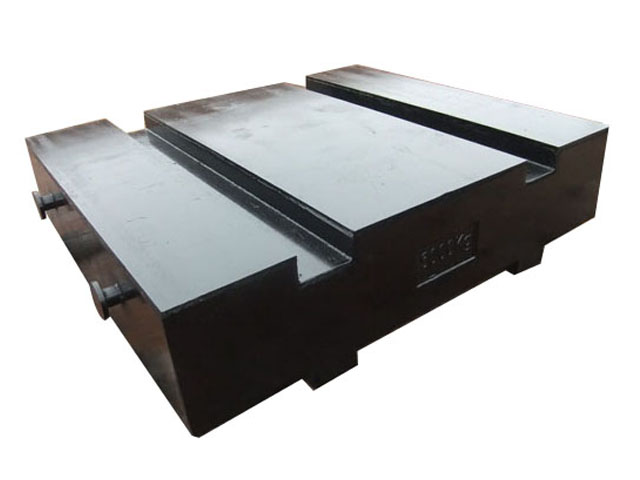
To grasp the full purpose of forklift test weight, it is critical to first understand the basic physics that govern forklift stability and load capacity. A forklift functions as a lever system, with a fixed pivot point near the front wheels; the counterweight at the rear of the machine offsets the weight of the load carried on the forks at the front. This balance is only sustainable within predefined weight limits, and any deviation—whether from exceeding load weight, shifting load position, or uneven load distribution—can disrupt this equilibrium and lead to instability. Test weight procedures are crafted to replicate real-world loading scenarios in a controlled setting, allowing operators and inspectors to verify that the forklift can hold, lift, and move loads at specified weights without compromising stability, straining critical components, or risking tip-overs or load drops. These tests are not just about checking maximum load thresholds; they also evaluate performance at incremental weight levels, ensuring the machine operates smoothly and safely across the full range of loads it will encounter in daily use.
Preparing for a forklift test weight session requires careful planning and attention to detail to ensure accurate results and maintain a safe testing environment. Before any load is applied, the forklift must undergo a thorough pre-test inspection to rule out mechanical issues that could skew test outcomes or create hazards. This inspection covers key components such as the mast assembly, hydraulic lifting system, fork condition, tire pressure and tread, steering mechanism, brake functionality, and counterbalance security. Any signs of wear, damage, or loose parts must be addressed immediately, as a faulty component can give a false impression of the forklift’s load capacity and lead to dangerous failures during actual operation. The testing area itself must be cleared of obstacles, with a flat, level, and non-slip surface to ensure consistent weight distribution and stable positioning; uneven ground can alter the forklift’s center of gravity and produce unreliable test data, so surface preparation is a vital step that is often overlooked but essential for validity.
Once pre-test checks are complete, the process of applying test weights begins in a gradual, controlled manner, avoiding sudden or excessive load additions that could shock the forklift’s mechanical systems. Test weights are typically standardized, solid loads that are evenly shaped and balanced, designed to mimic the profile of common material handling loads like pallets, crates, or packaged goods. These weights are positioned centrally on the forks to align with the forklift’s designated load center, a key measurement that dictates safe load placement; placing the weight too far forward or off-center can create uneven stress and inaccurate test readings. Operators begin with lighter weight increments, lifting the load to a standard height that reflects typical working conditions—usually a moderate height that allows for clear visibility and stable maneuvering—and holding the position for a set period to monitor for signs of strain, such as slow hydraulic response, mast wobble, uneven tire settlement, or unusual noise from the lift mechanism. Each weight level is maintained long enough to assess steady-state performance, rather than just a quick lift and lower, as sustained load bearing reveals how the forklift handles stress over time.
As the test weight increases to match the forklift’s intended operational capacity, inspectors and operators must remain vigilant for subtle signs of mechanical stress or balance issues. These signs may include a slight forward tilt of the machine, difficulty maintaining a straight position when stationary, hydraulic fluid leaks, delayed lift or lower functions, or unusual vibrations in the mast or frame. Even minor symptoms at moderate weights can signal underlying problems that will worsen with regular use, making it critical to document every observation during testing. It is important to note that test weight protocols do not push equipment beyond its intended capacity; instead, they confirm that the forklift can reliably perform at its designated load limits without compromise. This distinction is key to avoiding equipment damage and ensuring that the machine remains within safe operational boundaries throughout its service life.
Beyond stability and mechanical function, forklift test weight also plays a vital role in protecting long-term equipment health and reducing operational downtime. Regular weight testing helps identify early signs of component fatigue that may not be visible during routine visual inspections. The hydraulic system, for example, bears the brunt of load-bearing work, and consistent test weight checks can reveal weakening seals, reduced lifting power, or pressure irregularities before they lead to costly breakdowns. Similarly, the mast and fork assembly are subjected to repeated stress during lifting, and weight tests can uncover bending, warping, or metal fatigue that could result in sudden failure under load. By addressing these issues early, businesses can avoid unplanned equipment outages, extend the overall lifespan of their forklifts, and reduce the need for extensive, expensive repairs down the line. This proactive approach to maintenance, driven by accurate test weight data, also supports consistent workflow efficiency, as reliable equipment minimizes delays in material handling tasks.
Operator awareness and training are integral to the success of forklift test weight practices, as even the most thorough testing protocol is only effective if executed by knowledgeable, careful individuals. Operators must understand how to position test weights correctly, interpret subtle signs of equipment stress, and adhere to safe lifting and holding procedures during testing. They should also be trained to recognize how load distribution affects weight limits—for instance, an unevenly shaped load or a load with a shifted center of gravity may require a lower effective weight capacity than a standard, balanced load. Training should also cover the difference between static weight testing (testing while the forklift is stationary) and dynamic weight testing (testing while moving slowly or making gentle turns), as dynamic conditions introduce additional stability factors that static testing does not capture. Dynamic testing is particularly important for real-world readiness, as forklifts rarely operate in a completely stationary state during daily tasks, and stability can shift slightly when the machine is in motion.
Environmental factors also play a significant role in forklift test weight outcomes and should be carefully considered during every testing session. Indoor environments with controlled temperatures, smooth concrete floors, and consistent lighting provide ideal conditions for accurate testing, but outdoor settings present unique challenges that can impact results. Outdoor testing may involve uneven terrain, wet or slippery surfaces, wind, or temperature extremes that affect tire traction, hydraulic fluid viscosity, and overall machine stability. For example, cold temperatures can thicken hydraulic fluid, leading to slower lift times and altered pressure readings, while wet surfaces can reduce traction and make stability harder to maintain under load. Test weight procedures should be adjusted to account for these environmental variables, with additional caution taken in less controlled settings to ensure safety and accurate data collection. Documenting environmental conditions during testing is also important for future reference, as it helps contextualize results and guide operational decisions in similar conditions.
Another key aspect of forklift test weight is its role in aligning operational practices with safe load handling standards, even in the absence of formal certification checks. Consistent weight testing establishes a clear baseline for what each forklift can safely handle, eliminating guesswork for operators who may be tasked with moving loads of varying weights and sizes. This baseline helps prevent overloading, one of the most common causes of forklift accidents in material handling operations. Overloading not only increases the risk of tip-overs and falling loads but also places excessive strain on the forklift’s engine, transmission, and structural components, leading to accelerated wear and tear. By regularly validating load capacity through test weight procedures, teams can establish clear guidelines for load selection and handling, ensuring that every task is completed within safe parameters. This consistency also fosters a culture of safety in the workplace, where all team members understand the importance of respecting equipment limits and prioritizing safe operation over speed or efficiency.
Test weight procedures also evolve alongside changes to the forklift itself, such as the addition of attachments or modifications to the lift mechanism. Any alteration that affects the forklift’s balance, load distribution, or lifting capability requires a new round of weight testing to re-establish safe load limits. Attachments like side shifters, clamp mechanisms, or extended forks can change the machine’s center of gravity and effective load capacity, even if the base forklift model remains the same. Skipping weight testing after modifications can lead to unsafe operating assumptions, as the original load capacity guidelines no longer apply. This makes post-modification test weight a critical step in maintaining safety, ensuring that any changes to the equipment are properly validated for safe use. Similarly, as forklifts age and accumulate hours of use, regular weight testing becomes even more important, as gradual component wear can reduce effective load capacity over time.
Record-keeping is an often-underestimated part of forklift test weight, but it serves as a valuable resource for ongoing equipment management and safety tracking. Detailed records of each test weight session, including date, weight levels tested, equipment condition, environmental conditions, and any observations or issues identified, create a comprehensive history of the forklift’s performance. These records can be used to track changes in performance over time, identify patterns of wear or degradation, and guide maintenance schedules. For example, if a forklift shows consistent slowdown in hydraulic response at a specific weight level across multiple tests, maintenance teams can prioritize inspecting and servicing the hydraulic system before a failure occurs. Records also provide clarity for new operators or team members, who can review past test data to understand the forklift’s capabilities and limitations. Maintaining organized, accurate test weight records is a simple yet effective way to uphold safety standards and ensure transparency in equipment management.
It is also important to distinguish between forklift test weight and routine load weighing in daily operations. Test weight is a controlled, standardized procedure used to validate equipment capacity and performance, while daily load weighing is a practical step to ensure that individual loads do not exceed the validated capacity of the forklift. The two practices work hand in hand: test weight establishes the safe limit, and daily load checks ensure compliance with that limit. In operations where loads vary widely in weight, having a reliable method to estimate or verify load weight before lifting is essential to prevent accidental overloading. This may include using portable weighing tools, referencing load documentation, or relying on operator training to assess load weight based on size and material type. Combining regular test weight validation with consistent daily load checks creates a layered approach to safety that addresses both equipment capability and real-world load management.
Common mistakes in forklift test weight can compromise the accuracy of results and create safety risks, so understanding these pitfalls is key to improving practices. One frequent error is rushing the testing process, skipping incremental weight levels or reducing the hold time for each load to save time. This shortcut can mask signs of mechanical stress or instability, leading to false confidence in the forklift’s capacity. Another mistake is using unbalanced or irregular test weights that do not mimic real loads, which can produce inconsistent and unreliable data. Neglecting pre-test inspections is also a common issue, as operating a forklift with worn brakes, damaged forks, or low tire pressure during testing can lead to unsafe conditions and inaccurate results. Additionally, failing to account for load center position during testing can skew outcomes, as even the correct weight placed incorrectly can create instability. By avoiding these mistakes and following a deliberate, thorough testing process, teams can ensure that test weight results are trustworthy and actionable.
Investing time and resources into consistent forklift test weight practices yields long-term benefits that extend far beyond immediate safety compliance. For businesses, reliable forklifts mean smoother material handling workflows, reduced downtime from equipment failures, lower maintenance costs, and a safer work environment for all employees. Safer operations also reduce the risk of workplace incidents, which can disrupt operations, damage inventory, and lead to unplanned expenses. For operators, working with equipment that has been properly weight-tested provides peace of mind, allowing them to focus on their tasks without unnecessary concern about equipment failure or instability. Over time, these practices build a foundation of operational efficiency and safety that supports overall productivity and workplace morale.
As material handling operations continue to evolve, with heavier and more diverse loads becoming common in many industries, the importance of forklift test weight will only grow. Advancements in forklift design may improve load capacity and stability, but the fundamental need to validate performance through controlled weight testing remains unchanged. Newer equipment may feature enhanced safety features, but these features work best when paired with regular test weight checks that confirm the machine operates as intended under real load conditions. Operators and maintenance teams must stay updated on best practices for test weight procedures, adapting to new equipment designs and operational demands while upholding core safety principles.
In summary, forklift test weight is far more than a routine check; it is a cornerstone of safe, efficient, and sustainable material handling operations. It combines mechanical knowledge, careful preparation, operator skill, and consistent documentation to ensure that forklifts perform reliably within their safe load limits. From the initial pre-test inspection to incremental load application, stability monitoring, and long-term record-keeping, every step of the test weight process serves to protect equipment, personnel, and inventory. By prioritizing thorough, regular test weight practices, businesses can maintain a safe working environment, extend the life of their forklift equipment, and optimize their material handling operations for long-term success. This commitment to validated load capacity and safe operation ensures that forklifts remain a dependable and essential tool in countless industries, supporting the movement of goods and materials that drives daily operations across the global supply chain.
