





Changzhou Veidt Weighing Co., Ltd. © 2022 ALL RIGHTS RESERVED Privacy Policy | Calibration Weight | Test Weights | Cast Iron Weights | Standard Weights | Laboratory Weights | XML | SITEMAP
NEWS LIST
test weight for floor scale
Saturday 21st March 2026 Back to list
Floor scales stand as indispensable tools across countless industrial, commercial, and logistical settings, designed to handle heavy loads, bulky items, and palletized goods that cannot be accurately weighed on smaller, portable weighing devices. From warehouse inventory management and shipping and receiving operations to manufacturing quality control and agricultural material weighing, these low-profile, heavy-duty platforms deliver consistent weight data that shapes daily business decisions, inventory tracking, and compliance with internal operational standards. At the heart of maintaining the reliability and precision of any floor scale lies the proper use of test weights—specialized, solid mass pieces that serve as the reference standard for verifying scale accuracy, calibrating internal components, and identifying potential performance issues before they lead to costly errors or inconsistent readings. Without regular, careful testing with high-quality test weights, even the most sturdily built floor scale can gradually drift out of alignment, affected by daily wear and tear, environmental conditions, heavy repeated use, and minor mechanical shifts, resulting in readings that do not reflect the true weight of the items being measured. This creates a ripple effect across operations, from inaccurate stock counts and flawed shipping records to wasted materials and disputes over load weights, making the thoughtful, consistent application of test weights a non-negotiable part of floor scale ownership and management.
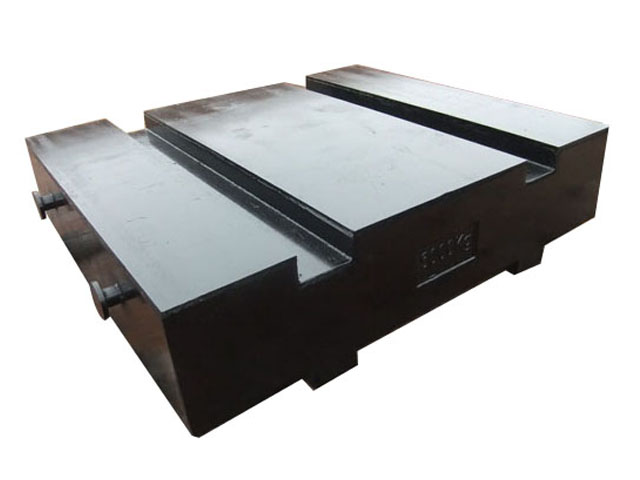
To understand the full value of test weights for floor scales, it is first important to grasp the basic function of a floor scale and how test weights interact with its internal systems. A typical floor scale relies on load cells—sensitive mechanical or electronic components that convert the force of a placed weight into an electrical signal, which is then translated into a digital or analog weight reading on the scale’s indicator. Over time, these load cells can experience slight changes in sensitivity due to constant pressure from heavy loads, exposure to dust, moisture, or temperature fluctuations, or minor physical damage from accidental impacts or uneven loading. Test weights, by contrast, are manufactured to hold a fixed, stable mass that remains consistent over long periods when handled properly, free from the variables that affect everyday weighed items. They act as a neutral, trusted benchmark, allowing operators to compare the scale’s displayed reading to the known mass of the test weight and determine whether the scale is performing within acceptable accuracy ranges. Unlike random heavy objects or makeshift weights, which can have inconsistent mass, uneven density, or hidden damage that alters their actual weight, dedicated test weights are crafted to uniform standards, with solid construction that resists warping, chipping, and corrosion, ensuring that each test yields reliable, repeatable results.
Selecting the right test weights for a floor scale is a critical first step that directly impacts the validity of testing and calibration efforts. One of the key factors in this selection is matching the test weight mass to the scale’s maximum weighing capacity, as using weights that are too light or too heavy can lead to incomplete or misleading test results. As a general guideline, test weights used for routine verification should make up a meaningful percentage of the scale’s full capacity, enough to engage the load cells fully and simulate real-world loading conditions without exceeding the scale’s safe working limit. For smaller floor scales with moderate capacity, a set of individual test weights that can be combined to reach the desired test mass is often practical, while larger industrial floor scales designed for heavy loads may require larger, single-piece test weights or stacked weight sets to achieve the necessary test mass. It is also important to consider the physical size and design of the test weights, as they must fit comfortably on the scale’s platform without overhanging the edges or placing uneven pressure on the load cells; uneven placement can skew readings and create a false impression of scale inaccuracy, so weights with flat, stable bases that distribute weight evenly are ideal for floor scale testing. Additionally, the material of the test weights matters for long-term durability, especially in harsh working environments where dust, moisture, or chemical exposure is common; materials that resist rust, corrosion, and physical damage maintain their mass consistency far better than lighter, more fragile materials, reducing the need for frequent replacement or re-verification of the weights themselves.
Proper handling and placement of test weights are just as vital as selecting the correct weights, as careless handling can compromise test results and even damage both the test weights and the floor scale. Before beginning any testing procedure, the operator should first prepare the floor scale and its surrounding area to ensure a stable testing environment. This includes checking that the scale is placed on a flat, level, and solid surface, free from debris, loose flooring, or obstructions that could cause the platform to shift or wobble; even a small unevenness in the floor can affect load cell performance and lead to inconsistent readings. The scale platform should be completely clear of any objects, dust, or residue, and the scale should be powered on and allowed to warm up for a short period to ensure the electronic components are fully functional and stable, as sudden temperature changes or quick power-up can cause temporary fluctuations in readings. Once the scale is ready, the operator should zero out the display to reset the scale to a blank reading, ensuring that no residual weight from previous use is factored into the test results. When placing the test weights on the platform, it is essential to position them slowly and carefully, avoiding dropping or sliding the weights, which can jolt the load cells and cause temporary damage or misalignment. For comprehensive testing, weights should be placed in multiple key positions across the platform—including the center, each corner, and along the edges—to verify that the scale reads accurately across the entire surface, not just in one spot. This multi-position testing is crucial because floor scales can develop uneven performance across the platform due to worn load cells, loose fittings, or structural wear, and a single central test may miss these localized issues.
During the testing process, operators must take careful, consistent readings and document the results to track the scale’s performance over time. Rushing through readings or failing to record data can make it impossible to identify gradual shifts in accuracy or spot patterns that may indicate underlying mechanical issues. After placing each test weight in a designated position, the operator should wait for the scale’s display to stabilize completely, as sudden movements or air currents can cause temporary fluctuations in the reading; waiting for a steady, unchanging number ensures that the reading reflects the true weight of the test mass. The displayed value should then be compared to the known mass of the test weight, and any difference between the two should be noted clearly, along with the position of the weight and the time of the test. Small, consistent variances within a reasonable tolerance range are normal for most floor scales, especially with heavy-duty use, but significant or inconsistent deviations across different positions signal that the scale requires adjustment or further inspection. It is important to avoid overreacting to minor, one-time variances, as these can be caused by temporary factors like static electricity, minor floor movement, or even the weight of the operator’s hand near the scale, but repeated, measurable differences demand prompt attention to prevent ongoing inaccuracies. After testing is complete, the test weights should be removed slowly and carefully from the platform, and the scale should be zeroed again to prepare for regular use or additional testing.
Routine maintenance of both test weights and the floor scale itself is key to preserving long-term accuracy and extending the lifespan of both pieces of equipment. Test weights, despite their durable construction, require regular care to maintain their fixed mass and prevent damage that could alter their weight. After each use, test weights should be wiped clean of dust, dirt, oil, or moisture using a soft, dry cloth, avoiding harsh chemicals that could corrode or damage the weight material. They should be stored in a clean, dry, and stable environment, preferably on a padded shelf or in a dedicated storage case, away from heavy machinery, extreme temperatures, and moisture that could cause rust or warping. Stacking weights carefully and avoiding dropping or bumping them against hard surfaces prevents chipping, cracking, or deformation, which can change their mass and render them useless as a reference standard. Periodic visual inspections of test weights are also recommended, checking for signs of wear, corrosion, or physical damage; any weight that shows visible defects should be removed from use until it can be verified for mass accuracy, as a damaged test weight will produce unreliable test results and undermine the entire calibration process. For the floor scale, regular maintenance includes keeping the platform clean and clear of debris, checking for loose bolts or structural damage, and ensuring that the load cells and wiring are free from damage or corrosion. Avoiding overloading the scale beyond its rated capacity, even for short periods, prevents permanent damage to the load cells, which is one of the most common causes of irreversible accuracy loss.
The frequency of test weight usage for floor scales varies depending on the intensity of use, the working environment, and the criticality of accurate weight readings for daily operations. Scales that are used heavily every day, in harsh industrial settings with heavy loads and constant foot or vehicle traffic, require more frequent testing—often on a weekly or monthly basis—to catch accuracy shifts early. Scales used in lighter commercial settings, with less frequent use and milder environmental conditions, may only require testing every few months, while all floor scales should be tested after any significant event that could affect performance, such as a move to a new location, accidental impact, or repair work on the scale. Additionally, it is good practice to conduct a quick verification test with a small test weight at the start of each workday for high-use scales, ensuring that the device is functioning properly before any critical weighing tasks begin. This proactive approach to testing eliminates the risk of starting the day with an inaccurate scale, which could lead to a full day of flawed data and operational disruptions.
Beyond routine verification, test weights play a central role in the calibration process for floor scales, a more detailed procedure that adjusts the scale’s internal settings to align its readings with the known mass of the test weights. Calibration is a more involved process than simple verification and may be required when testing reveals consistent, significant inaccuracies, or after major repairs or component replacements on the scale. During calibration, the operator follows the scale’s operational guidelines to access its internal calibration settings, then applies the test weights in specific increments and positions, adjusting the scale’s internal controls to match the display reading to the test weight mass. This process should be performed methodically, with careful attention to each step, to ensure that the calibration is precise across the entire range of the scale’s capacity, not just at the test weight mass. After calibration is complete, a full verification test with multiple test weights and positions should be conducted to confirm that the scale now reads accurately, and the results should be documented for future reference. It is important to note that calibration should only be performed by trained operators who understand the scale’s internal systems, as improper adjustments can lead to greater inaccuracies or damage to the scale’s electronic components.
Using test weights properly also helps operators identify common issues that affect floor scale performance, allowing for targeted repairs and maintenance instead of costly, unnecessary replacements. For example, if the scale reads accurately in the center but shows variances at the corners, this typically indicates a problem with one or more corner load cells, which can then be inspected and repaired individually. If readings are consistently off by the same margin across all positions, this may signal a need for general calibration rather than component replacement. If readings are erratic and change unpredictably with the same test weight, this could point to loose wiring, a faulty indicator, or damage to the load cells. By using test weights to isolate these issues, operators can address problems quickly and efficiently, reducing downtime and maintenance costs. This targeted approach is far more effective than guessing at the cause of inaccuracies or replacing entire components unnecessarily, making test weights not just a tool for accuracy, but also a cost-saving resource for long-term scale management.
In practical, real-world settings, the impact of reliable test weight usage extends far beyond the scale itself, touching nearly every aspect of business operations. In warehouses and distribution centers, accurate floor scale readings ensure that inventory counts are precise, preventing overstocking or understocking of goods and streamlining order fulfillment processes. For shipping and logistics teams, accurate weight data ensures that loads are properly classified and transported safely, avoiding issues with weight restrictions and ensuring compliance with internal shipping standards. In manufacturing, precise weighing of raw materials and finished goods supports consistent product quality and efficient production workflows, reducing waste and ensuring that each batch meets internal quality guidelines. In agricultural settings, floor scales used for weighing feed, harvests, or livestock rely on accurate test weight verification to track yields and manage resources effectively. In each of these scenarios, the small, consistent effort of testing with proper weights creates a foundation of reliable data that drives efficiency, reduces errors, and supports smooth daily operations. Without this foundation, businesses risk making decisions based on flawed information, leading to lost time, increased costs, and operational inefficiencies that can impact overall performance.
One common misconception about test weights is that they are only necessary for new or newly repaired floor scales, but in reality, even the most well-built scales experience gradual shifts in performance over time, regardless of how carefully they are used. Normal wear and tear, minor structural shifts, and environmental factors all contribute to small changes in load cell sensitivity, and these changes can add up over weeks and months to create significant inaccuracies. Relying on a scale’s initial calibration without regular test weight verification is a risky practice that can lead to unnoticed errors that grow over time. Another misconception is that any heavy object can serve as a test weight, but as previously noted, makeshift weights lack the consistent mass and durability of dedicated test weights, and their use can lead to false confidence in scale accuracy. Investing in high-quality test weights and incorporating their use into regular scale maintenance is a small investment that delivers significant long-term value, protecting against the hidden costs of inaccurate weighing and ensuring that the floor scale remains a reliable tool for years to come.
When working with test weights, safety is also a key consideration, as many test weights are heavy and require proper lifting techniques to avoid injury. Operators should use proper lifting gear, such as gloves for grip and support, and avoid lifting weights that are too heavy for a single person to handle safely; team lifting or mechanical aids should be used for larger, heavier test weights to prevent strains, falls, or dropped weights that could cause injury or damage. Keeping the testing area clear of obstacles and ensuring stable footing also reduces the risk of accidents during testing. Prioritizing safety not only protects operators from harm but also prevents damage to the test weights and floor scale, preserving their functionality and accuracy for continued use.
In summary, test weights are an essential companion to floor scales, serving as the cornerstone of accurate, reliable weighing operations across all industries. From routine verification and ongoing maintenance to detailed calibration and issue identification, their role in maintaining scale performance cannot be overstated. Selecting the right test weights, handling and placing them correctly, performing regular testing, and maintaining both the weights and the scale properly are all simple yet critical steps that ensure consistent, accurate weight readings. By making test weight usage a standard part of daily or monthly floor scale maintenance, operators can avoid the pitfalls of inaccurate data, reduce operational costs, extend the lifespan of their equipment, and maintain smooth, efficient workflows. In a world where precise data drives informed decisions, the humble test weight remains a vital, often underappreciated tool that keeps essential weighing operations running smoothly, one reliable test at a time.
