





Changzhou Veidt Weighing Co., Ltd. © 2022 ALL RIGHTS RESERVED Privacy Policy | Calibration Weight | Test Weights | Cast Iron Weights | Standard Weights | Laboratory Weights | XML | SITEMAP
NEWS LIST
test weight for digital scale
Saturday 21st March 2026 Back to list
In every space where precise weight measurement matters—from home kitchens and personal wellness spaces to small commercial operations, laboratory workspaces, and light industrial settings—digital scales have become an indispensable tool. Unlike traditional mechanical scales that rely on springs, levers, and physical balance mechanisms, digital scales operate using electronic load cells that convert physical weight into electrical signals, which are then processed and displayed as clear, easy-to-read numerical values on a digital screen. This shift to digital technology has brought unmatched convenience, speed, and incremental precision to everyday weighing tasks, but it has also created a critical need for consistent, reliable calibration to keep these devices performing as intended. At the heart of this calibration process lies the test weight, a simple yet profoundly important tool that serves as the universal reference point for verifying and correcting the accuracy of digital scales across all applications. Without standardized test weights, even the most thoughtfully designed digital scales would gradually lose precision over time, leading to inconsistent readings, flawed measurements, and a range of avoidable complications in both personal and professional use cases.
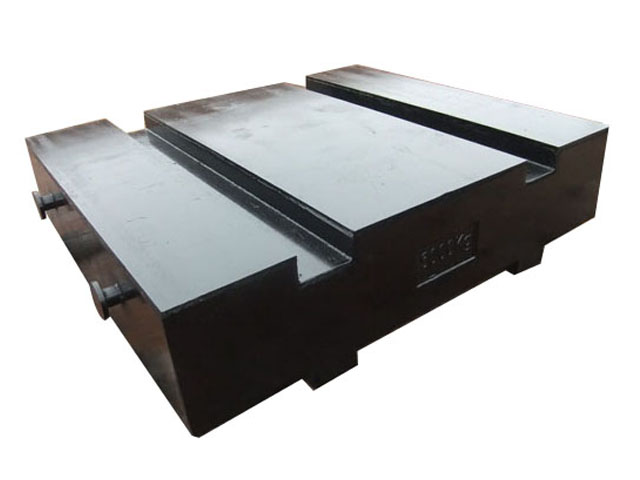
To understand why test weights are non-negotiable for digital scale performance, it is first necessary to break down how digital scales function and why they are prone to minor deviations in accuracy with regular use. A standard digital scale consists of a weighing platform, internal load cell sensors, a processing circuit board, a digital display panel, and a power source, whether battery-operated or plugged into an electrical outlet. When an object is placed on the platform, the load cell bends slightly under the applied weight, generating a small electrical current that corresponds to the amount of force exerted. This current is then converted into a weight reading by the scale’s internal processor, which is calibrated at the time of manufacture to align with standard mass values. However, this factory calibration is not permanent; numerous factors can disrupt the alignment between the scale’s internal programming and actual physical weight over weeks, months, or years of use. Minor bumps or shifts during transportation, repeated placement of heavy items on the platform, changes in ambient temperature and humidity, gradual wear on internal components, and even minor power fluctuations can all cause the scale’s readings to drift slightly away from true mass values. These small discrepancies may seem insignificant at first, but they can compound over time, leading to measurable differences between the displayed weight and the actual weight of an object or substance.
Test weights are designed to counteract this natural drift by providing a fixed, unchanging reference mass that allows users to check, adjust, and reset their digital scales to accurate operating levels. Unlike random household objects that may seem to have a consistent weight but can vary due to moisture content, material density, or minor damage, test weights are crafted to maintain a precise, stable mass under normal handling and environmental conditions. They are typically made from dense, durable materials that resist corrosion, warping, and physical wear, ensuring that their weight remains consistent for extended periods with proper care. Available in a wide range of sizes and mass increments to match the capacity and precision of different digital scales, test weights cater to every type of device, from compact pocket scales used for small crafts or personal supplements to larger kitchen scales, bathroom scales, and industrial platform scales designed for heavier loads. Smaller test weights, often measured in grams or fractions of a kilogram, are ideal for low-capacity scales that require fine precision, such as those used in baking, jewelry making, or laboratory sample preparation. Larger test weights, measured in full kilograms or multiple pounds, are suited for heavier-duty scales used in shipping, inventory management, or bulk material handling, where verifying full-range accuracy is critical.
The process of using a test weight to calibrate a digital scale is straightforward, but it requires careful attention to detail to ensure reliable results, and it can be performed by regular users without specialized technical training, making it accessible for both home and commercial use. Before beginning any calibration check, the first step is to prepare the scale and the surrounding environment to eliminate external factors that could skew readings. The scale should be placed on a flat, stable, level surface free of vibrations, drafts, or uneven flooring; even a slight tilt or wobbly surface can cause the load cell to register an incorrect weight, leading to a false calibration reading. The scale should be turned on and allowed to fully power up, with the display reset to zero to clear any previous measurements or residual electrical signals from the internal components. It is also important to ensure the scale’s power source is in good condition—weak batteries can cause inconsistent readings, so replacing batteries before calibration is a smart precaution for battery-operated devices. Once the scale is properly set up, the test weight is placed gently and centered on the weighing platform, avoiding any sudden impacts that could damage the internal load cell or affect the reading. The user then allows the digital display to stabilize, as most digital scales require a brief moment to process the weight and produce a final reading, and compares the displayed value to the known mass of the test weight.
If the scale’s reading matches the test weight’s marked mass exactly, the device remains properly calibrated, and no further adjustment is needed. If there is a noticeable difference between the displayed weight and the test weight, the scale requires a quick calibration reset to realign its internal settings with the standard mass. Most modern digital scales include a built-in calibration function, often activated by a specific button sequence or a dedicated calibration mode, that allows users to input the test weight’s value and reset the scale’s internal programming to match the reference mass. This process effectively recalibrates the load cell’s sensitivity and the processor’s calculation logic, correcting any drift that has occurred since the last calibration. Even for scales without a manual calibration option, regular testing with a test weight is still highly valuable, as it allows users to track gradual changes in accuracy and determine when the scale may need maintenance or replacement to avoid ongoing measurement errors. Consistency is key here: calibrating a digital scale with a test weight on a regular schedule—such as every few months for light home use, or more frequently for heavy daily commercial or industrial use—ensures that minor inaccuracies are caught and corrected before they escalate into significant discrepancies.
The real-world impact of using test weights to maintain digital scale accuracy extends far beyond just getting a correct number on a screen; it touches nearly every aspect of daily life and professional work where weight measurements play a role. In home kitchens, for example, precise ingredient measurements are essential for consistent cooking and baking results. A digital scale that is slightly off can lead to too much or too little flour, sugar, or liquid, altering the texture, rise, and flavor of baked goods, or throwing off the balance of savory recipes. For individuals monitoring their personal health and wellness, bathroom scales that provide accurate weight readings are critical for tracking progress, adjusting fitness and nutrition routines, and maintaining reliable health data over time; an inaccurate scale can create false confidence or unnecessary concern, undermining efforts to maintain a healthy lifestyle. In small commercial settings, such as cafes, bakeries, or local retail shops that sell pre-portioned goods, accurate weight measurements are essential for consistent product quality, customer satisfaction, and fair pricing. Even a small, consistent error in weight can add up over time, leading to wasted materials, lost revenue, or customer dissatisfaction with inconsistent portion sizes.
In more technical settings, such as educational laboratories, research facilities, and small-scale manufacturing operations, the importance of test weight-calibrated digital scales becomes even more pronounced. Laboratory work often involves measuring small, precise quantities of chemicals, samples, or materials for experiments, testing, and analysis; even a tiny deviation in weight can alter experimental results, compromise data integrity, and lead to incorrect conclusions or flawed research outcomes. In manufacturing and production environments, consistent weight measurements ensure that raw materials are used efficiently, finished products meet internal quality standards, and production processes run smoothly without costly delays or rework. For shipping and logistics operations, accurate weight measurements are necessary to ensure proper packaging, safe handling, and compliance with basic shipping guidelines, avoiding issues related to overpacking or underpacking that could affect product safety during transit. In every one of these scenarios, the test weight serves as a quiet, reliable safeguard, ensuring that digital scales fulfill their intended purpose of providing accurate, consistent weight data when it matters most.
Proper care and handling of test weights are just as important as regular calibration itself, as mistreatment can compromise the stability and precision of the reference mass, rendering the test weight ineffective. Test weights should be stored in a clean, dry, temperature-stable environment when not in use, away from direct sunlight, moisture, chemicals, and physical damage. They should be handled with clean, dry hands or soft gloves to avoid transferring oils, dirt, or moisture to the surface, which can add minor extra weight over time and affect accuracy. Avoid dropping, scratching, or bending test weights, as physical damage can alter their mass and disrupt their ability to serve as a reliable reference. For users who rely on their digital scales for critical daily tasks, it is also wise to have a set of test weights that covers the full range of the scale’s capacity, rather than just a single weight, to verify accuracy at multiple points along the weighing range. Testing only at the maximum capacity or only at a low weight can leave gaps in accuracy checks, as scales may drift differently at various load levels; testing with multiple test weights ensures that the scale performs accurately across its entire usable range, from the lightest items it measures to the heaviest loads it is designed to handle.
One common misconception about digital scales is that they are inherently maintenance-free or that their factory calibration will last indefinitely, but this is far from the truth. All measuring devices, regardless of their technological sophistication, are subject to gradual changes in performance due to regular use and environmental factors, and digital scales are no exception. Relying solely on the scale’s initial calibration without periodic testing and adjustment with test weights is a risky practice that can lead to prolonged use of an inaccurate device, often without the user even realizing there is a problem. Many users only discover their digital scale is inaccurate when they compare readings to another calibrated device or when obvious inconsistencies arise in their daily tasks, but by then, the inaccurate measurements may have already caused minor disruptions or wasted effort. Test weights eliminate this uncertainty by putting control back into the user’s hands, providing a simple, affordable way to proactively maintain scale accuracy and avoid the frustration and complications of unreliable measurements.
Another key benefit of using test weights is that they promote consistency across multiple digital scales, which is particularly useful in settings where more than one scale is in use. For example, in a small business with multiple kitchen scales or shipping scales, using the same set of test weights to calibrate all devices ensures that every scale provides identical readings for the same weight, eliminating discrepancies between devices and creating a unified standard of measurement. This consistency is vital for maintaining uniform processes, whether it is ensuring all employees are portioning ingredients the same way, or all shipping labels reflect accurate weight values. Even in a home setting with multiple scales—such as a kitchen scale and a separate craft scale—using a common test weight to verify both devices ensures that measurements are consistent across different tasks, making it easier to follow recipes, complete projects, and track quantities accurately without confusion.
As digital scale technology continues to evolve, with newer models offering enhanced features such as higher precision, faster read times, and compact, user-friendly designs, the role of test weights remains unchanged and irreplaceable. Advanced features may improve the user experience, but they do not eliminate the basic physical and electronic factors that cause calibration drift over time. Even the most advanced digital scales still rely on load cells and internal processing components that are subject to wear, environmental changes, and minor electrical shifts, meaning they still require regular reference to a fixed test weight to stay accurate. Test weights are a timeless tool that bridges the gap between modern digital technology and fundamental physical measurement standards, providing a universal, accessible solution for maintaining accuracy across all types of digital scales, regardless of their age, design, or intended use.
In summary, test weights are an essential companion to digital scales, serving as the foundation of reliable weight measurement in every setting where accuracy matters. They provide a stable, consistent reference point that counteracts the natural calibration drift that occurs with regular use, ensuring that digital scales deliver accurate, repeatable readings over their entire lifespan. From simple home use to specialized professional applications, the practice of regularly testing and calibrating digital scales with test weights is a small, manageable step that yields significant benefits: consistent results, reduced waste, improved quality control, reliable data tracking, and peace of mind that measurements are trustworthy. Investing in a set of high-quality test weights and incorporating regular calibration into routine scale maintenance is a practical, cost-effective choice that enhances the performance and longevity of digital scales, turning a convenient electronic tool into a consistently reliable measuring device. In a world that relies increasingly on precise data and consistent processes, the humble test weight remains an unsung hero, quietly ensuring that the digital scales we use every day perform their vital function with accuracy and reliability.
