





Changzhou Veidt Weighing Co., Ltd. © 2022 ALL RIGHTS RESERVED Privacy Policy | Calibration Weight | Test Weights | Cast Iron Weights | Standard Weights | Laboratory Weights | XML | SITEMAP
NEWS LIST
test weight for counting scale
Saturday 21st March 2026 Back to list
In the world of precise weighing and inventory counting, counting scales stand as indispensable tools across manufacturing, warehousing, retail, logistics and small-scale production environments, where the ability to tally small parts, components, packaged goods and discrete items quickly and accurately directly impacts operational efficiency, inventory accuracy and cost control. At the heart of maintaining the reliable performance of any counting scale lies a seemingly simple yet critically important accessory: the test weight. Often overlooked in routine operations but vital for sustained measurement integrity, test weights serve as the universal reference point for calibrating, verifying and troubleshooting counting scales, ensuring that every weight reading and subsequent piece count aligns with true mass values. Unlike general-purpose weighing scales that focus solely on total weight, counting scales rely on a combination of weight measurement and unit piece weight calculation to deliver accurate item counts, meaning even minor deviations in weight sensing can lead to significant counting errors over large volumes of items. This makes the consistent, correct use of test weights not just a best practice, but a foundational requirement for anyone relying on counting scales for daily operations, whether for small-batch component counting in a workshop or high-volume inventory checks in a large distribution center.
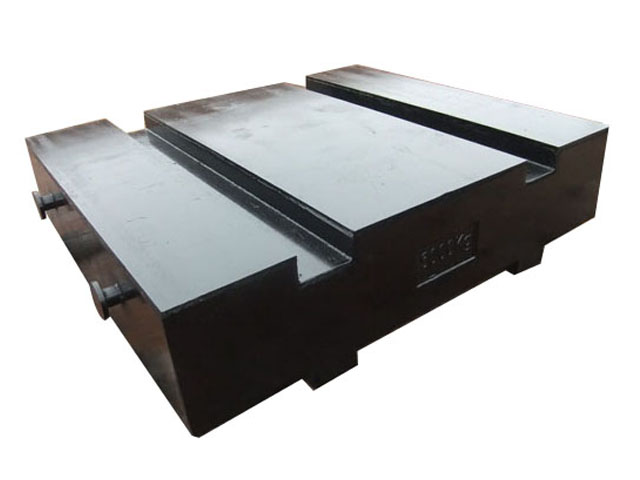
To understand the full significance of test weights for counting scales, it is first necessary to grasp how counting scales function and where measurement inaccuracies typically arise. A standard counting scale operates by first weighing a known quantity of identical items to establish a baseline unit weight, then using that unit weight to calculate the total number of items in a larger sample based on the total weight measured. This process is entirely dependent on the scale’s internal load cell, digital sensors and calibration settings to detect and convert physical mass into accurate numerical readings. Over time, several factors can disrupt this precision: regular daily use can cause minor wear to the scale’s internal components; exposure to temperature fluctuations, humidity, dust or minor physical impacts can shift the scale’s zero balance or weight sensitivity; and prolonged use without recalibration can lead to a gradual drift in measurement accuracy that may go unnoticed until inventory discrepancies emerge. Test weights eliminate this uncertainty by providing a fixed, unchanging mass reference that allows operators to check the scale’s accuracy at any time, reset calibration settings if needed and confirm that the unit weight calculations used for counting remain reliable. Without this regular reference check, a counting scale may produce consistent but incorrect readings, leading to overcounting, undercounting, wasted materials, inaccurate inventory records and potential financial losses for businesses of all sizes.
Test weights designed for counting scales come in a range of sizes, materials and weight increments to match the diverse specifications of counting scales available on the market, from compact bench-top scales for small, lightweight parts to larger platform scales for heavier packaged items. Common weight increments include gram and kilogram measurements, with smaller weights ideal for low-capacity counting scales used for tiny components like screws, nuts, electronic parts and jewelry items, and larger weights suited for scales that handle heavier goods such as packaged tools, hardware supplies and industrial components. The material of a test weight also plays a key role in its suitability for counting scale use, with durable, corrosion-resistant metals being the most common choice due to their ability to maintain a consistent mass over time with proper care. These materials resist damage from daily handling, environmental factors and minor accidental drops, ensuring that the weight value remains stable and does not change due to surface wear, rust or material loss. Unlike decorative or non-standard weights, test weights manufactured for weighing equipment are crafted to strict mass consistency standards, with uniform density and balanced construction to ensure that they sit evenly on a counting scale’s weighing platform, preventing uneven weight distribution that could skew measurement results.
Selecting the right test weight for a specific counting scale is a straightforward process that requires careful attention to the scale’s key specifications, primarily its maximum weighing capacity and minimum readability. A general rule of thumb is to choose test weights that cover the range of weights most commonly measured on the scale, including a weight close to the scale’s maximum capacity and one or more smaller weights that match the typical weight of items being counted. For example, a counting scale used primarily for small electronic components with a maximum capacity of 5 kilograms should be paired with test weights of 1 kilogram, 2 kilograms and 5 kilograms to cover both light and heavy measurement ranges. Using a test weight that is too light for the scale’s capacity may not fully verify the scale’s accuracy across its full operating range, while a weight that is excessively heavy can risk damaging the scale’s internal load cell. It is also important to avoid using damaged, chipped or visibly worn test weights, as even small imperfections can alter the mass of the weight and lead to false calibration readings. Operators should inspect test weights before each use to check for surface damage, dirt buildup or foreign material that could add extra mass and compromise the reference value.
The process of using test weights to calibrate and verify a counting scale follows a consistent, step-by-step routine that is easy to learn and integrate into daily or weekly operational tasks, regardless of the user’s level of technical expertise. Before beginning any calibration or accuracy check, the counting scale should be placed on a flat, stable, level surface free from vibration, drafts or sudden movements that could interfere with the scale’s sensors. The weighing platform should be cleared of all items, dust and debris, and the scale should be powered on and allowed to warm up for a few minutes to ensure internal components reach a stable operating temperature, as temperature changes can temporarily affect sensor accuracy. Once the scale is ready, the first step is to perform a zero balance check, ensuring the scale reads zero when empty; if not, the scale’s zero reset function should be used to set the baseline to zero. Next, the selected test weight is placed gently and centered on the middle of the weighing platform, taking care to avoid dropping the weight or placing it unevenly, as this can cause sudden impact stress on the load cell and affect readings. The operator then allows the scale’s display to stabilize, which typically takes only a few seconds, and compares the displayed weight to the marked value of the test weight. If the reading matches the test weight’s value within the scale’s acceptable tolerance range, the scale remains accurately calibrated and ready for use. If the reading deviates beyond the acceptable range, the scale’s calibration function should be accessed to adjust the settings using the test weight as a reference, following the scale’s user manual instructions to complete the calibration process accurately.
Beyond one-time calibration, test weights are equally valuable for routine performance checks of counting scales, helping operators catch minor accuracy issues before they escalate into major problems. Implementing a regular schedule for test weight checks is a proactive way to maintain consistent counting performance, with the frequency of checks depending on the scale’s usage intensity and operating environment. Scales used in high-volume industrial settings, where they are operated multiple times per day and exposed to dust, moisture or frequent movement, may require daily or every-other-day accuracy checks with test weights. Scales used in low-volume, controlled environments like small offices or retail settings may only need weekly or monthly checks. Keeping a simple log of test weight checks, including the date, test weight used, displayed reading and any adjustments made, can help track the scale’s performance over time, identify patterns of drift and schedule maintenance or component checks if accuracy issues persist despite repeated calibration. This log also serves as a useful reference for troubleshooting, as it can help distinguish between temporary accuracy shifts caused by environmental factors and ongoing issues related to internal component wear.
Proper handling and storage of test weights are just as important as their correct use during calibration, as these practices preserve the weight’s mass consistency and extend its usable lifespan. One of the most critical rules for handling test weights is to avoid touching the weighing surface with bare hands, as skin oils, sweat and dirt can leave residue on the weight that adds tiny amounts of extra mass, gradually altering its reference value over time. For smaller, more precise test weights, using soft-tipped tweezers or lint-free gloves is recommended, while larger test weights should be lifted by their built-in handles or edges, not by the main weighing surface. After each use, test weights should be wiped gently with a clean, dry, lint-free cloth to remove dust, debris or moisture, avoiding harsh cleaning chemicals, abrasive materials or water that could damage the weight’s surface or cause corrosion. Test weights should be stored in a dedicated, clean, dry case or container that protects them from dust, moisture, temperature extremes and physical damage when not in use, keeping them separate from other tools or materials to prevent scratches or chips. Storing test weights in the same location as the counting scale also promotes consistent use, as they are easily accessible for routine checks and calibration.
Another key aspect of managing test weights for counting scales is recognizing when a test weight itself needs to be checked or replaced, as even the most durable test weights can experience minor mass changes after years of regular use. While test weights are designed to be highly stable, repeated handling, occasional accidental drops and long-term exposure to environmental elements can lead to tiny amounts of material loss or surface wear that affects their mass. Signs that a test weight may need to be evaluated include consistent deviations across multiple counting scales, visible damage such as cracks, chips or rust, or a noticeable change in weight when compared to a newer, unused reference weight. In most cases, replacing a worn test weight is a small investment that protects the accuracy of the counting scale, far more cost-effective than dealing with the consequences of inaccurate counting and inventory errors. Operators should avoid using makeshift weights, such as common household items or random metal objects, as substitutes for dedicated test weights; these items do not have a verified, consistent mass and will lead to unreliable calibration and inaccurate counting results.
The impact of using test weights correctly extends far beyond individual weighing tasks, influencing overall operational efficiency and data integrity across entire workflows. In manufacturing environments, accurate counting scales calibrated with test weights ensure that the correct number of components are used in assembly, reducing waste from excess parts and preventing production delays caused by insufficient components. In warehousing and logistics, precise item counts help maintain accurate inventory levels, streamline order fulfillment processes and reduce the need for time-consuming manual inventory recounts. For retail businesses, accurate counting scales ensure that pre-packaged goods contain the correct number of items, promoting customer trust and avoiding discrepancies between stock records and physical inventory. Even in small-scale operations, such as craft production or small parts retail, consistent use of test weights eliminates guesswork and ensures that every count is reliable, saving time and reducing frustration from correcting errors after the fact.
It is also important to address common misconceptions about counting scales and test weights to promote better operational practices. Many operators assume that a counting scale that powers on and displays a reading is automatically accurate, but this is not the case; all weighing devices experience gradual accuracy drift with use, and regular test weight checks are the only way to confirm performance. Others believe that calibration is only necessary when a scale is first purchased or after repairs, but in reality, regular calibration with test weights is needed to offset the effects of daily use, environmental changes and normal wear. Additionally, some users think that larger test weights are always better, but selecting weights that match the scale’s capacity and typical usage range is far more effective for accurate verification. By understanding these nuances, operators can develop a more thoughtful approach to test weight use and counting scale maintenance.
Investing time in proper test weight training for all staff members who operate counting scales is a valuable step in maintaining long-term measurement accuracy. Training should cover how to select the right test weight for the scale, how to handle and store weights correctly, how to perform a basic accuracy check and calibration, and how to identify signs of damaged or unreliable test weights. Even brief, regular training sessions can help staff understand the importance of test weights and encourage consistent use, preventing errors caused by improper handling or skipped calibration steps. When all team members follow the same protocols for test weight use and scale maintenance, the risk of counting errors is significantly reduced, and the overall reliability of weighing and counting operations is strengthened.
In summary, test weights are an essential, irreplaceable tool for anyone who relies on counting scales for accurate weight measurement and item counting. They serve as the foundation of measurement integrity, providing a consistent reference point that counters the effects of daily wear, environmental changes and sensor drift in counting scales. From selecting the right weight for the scale’s specifications, to following proper handling and calibration procedures, to implementing regular check schedules and careful storage, every aspect of test weight management contributes to the reliable performance of counting scales. While they may seem like a small accessory compared to the counting scale itself, test weights play a disproportionately large role in ensuring operational efficiency, inventory accuracy and cost control across countless industries. By making test weight use a non-negotiable part of daily counting scale operations, businesses and operators can avoid costly errors, streamline workflows and maintain confidence in every weight reading and item count. Taking the time to use, care for and manage test weights properly is a small effort that delivers long-lasting, meaningful benefits, turning a simple reference tool into a key pillar of precise and reliable counting operations.
