





Changzhou Veidt Weighing Co., Ltd. © 2022 ALL RIGHTS RESERVED Privacy Policy | Calibration Weight | Test Weights | Cast Iron Weights | Standard Weights | Laboratory Weights | XML | SITEMAP
NEWS LIST
test weight for bench scale
Saturday 21st March 2026 Back to list
Bench scales are versatile weighing tools that find consistent use across countless daily and professional settings, from small retail operations and food preparation spaces to light industrial workshops, laboratory testing areas, and inventory management stations. These compact, easy-to-use devices rely on precise internal components to deliver consistent weight readings, but their accuracy is not permanent; over time, regular use, environmental changes, minor mechanical shifts, and routine handling can cause subtle deviations that compromise the reliability of every measurement. This is where test weights for bench scales become an indispensable part of maintaining functional, trustworthy weighing equipment, serving as a fixed reference point to verify performance, correct inaccuracies, and ensure that every weight reading aligns with real mass values. Unlike specialized industrial weighing gear that requires complex calibration protocols, bench scales rely on straightforward, accessible test weight procedures that users can implement with basic training, making these small, standardized mass pieces a foundational element of responsible equipment care.
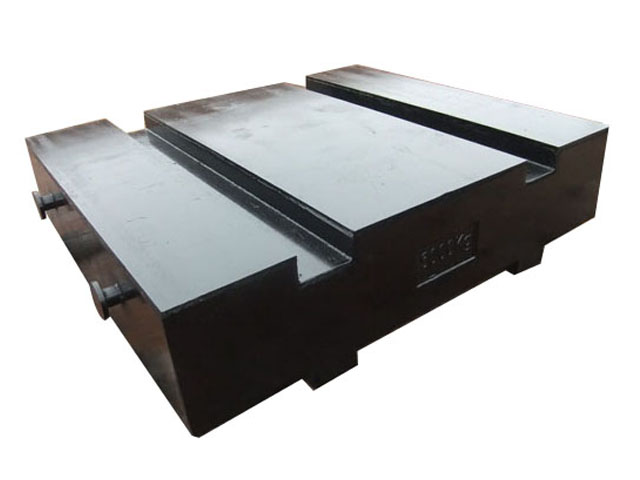
To understand the value of test weights for bench scales, it is first important to recognize how these scales operate and why regular verification matters. Most bench scales use a combination of load cells, internal sensors, and digital or mechanical display systems to convert physical mass into a readable weight value. Each component is engineered to work in harmony, but even minor disruptions—such as a slight bump during transport, exposure to fluctuating temperatures, dust buildup on the weighing platform, or repeated placement of heavy items off-center—can alter the scale’s internal calibration. In settings where precise weighing directly impacts daily operations, such as portioning ingredients for consistent food production, measuring raw materials for small-scale manufacturing, or calculating inventory for accurate record-keeping, even small weight errors can add up over time, leading to inconsistent product quality, wasted materials, inaccurate stock counts, or unfair transactions in customer-facing roles. Test weights eliminate this uncertainty by providing a known, unchanging mass that allows users to compare the scale’s displayed reading to the actual weight of the reference piece, identifying gaps immediately before they escalate into larger operational issues.
Test weights designed for bench scales come in a range of standard sizes and mass values, tailored to match the typical capacity and sensitivity of most compact bench models. Common mass options include smaller increments for low-capacity scales used in detailed work, such as jewelry making or laboratory sample measuring, and larger increments for medium-capacity scales used in retail, food service, or light warehouse tasks. These weights are crafted from durable, dense materials that resist wear, corrosion, and mass change over time, ensuring their reference value remains stable with proper care. Materials are chosen for their ability to maintain consistent density, avoid absorption of moisture or oils, and withstand regular handling without chipping, denting, or warping—all factors that could alter their actual mass and reduce their effectiveness as a calibration tool. Unlike generic heavy objects that might be mistakenly used as makeshift references, dedicated test weights are manufactured to strict mass consistency standards, with each piece holding a fixed, verified mass that does not shift with normal use, making them the only reliable option for accurate bench scale testing.
Selecting the right test weights for a specific bench scale requires careful consideration of the scale’s maximum capacity and intended use, as mismatched weight sizes can lead to incomplete testing or potential damage to the scale itself. A general rule of thumb is to choose test weights that cover key points across the scale’s operating range, including a lightweight piece for lower-end measurements, a mid-range piece for average daily use, and a piece that approaches the scale’s maximum capacity to test full-load performance. For example, a bench scale designed for everyday retail use with a moderate maximum capacity would benefit from a set of test weights that includes small, medium, and near-maximum mass pieces, allowing users to check accuracy at multiple points rather than just one. Focusing only on a single weight value can miss inconsistencies that appear at lighter or heavier loads, so a varied set of test weights provides a more comprehensive assessment of the scale’s overall performance. It is also important to avoid using test weights that exceed the scale’s maximum capacity, as this can strain internal components, cause permanent damage to load cells, and create long-term accuracy issues that cannot be fixed with simple recalibration.
The process of using test weights to check and calibrate a bench scale is straightforward, but following a consistent, careful routine is key to obtaining reliable results and avoiding accidental damage to either the scale or the test weights. Before beginning any testing procedure, the first step is to prepare the scale and the surrounding environment to eliminate external factors that could skew readings. The bench scale should be placed on a flat, stable, level surface free from vibration, drafts, or sudden movement—uneven surfaces or nearby machinery that causes shaking can disrupt the scale’s internal sensors and lead to false readings. The weighing platform should be completely clean, free from dust, debris, food residue, or any small objects that could add extra mass and interfere with the test. Users should also allow the scale to acclimate to the surrounding temperature for a short period, as extreme hot or cold can affect the performance of digital components and load cells, especially in scales used in garages, outdoor kiosks, or temperature-controlled storage areas. Once the scale is set up properly, it should be powered on and given time to stabilize, with the display reset to zero to ensure no residual weight is factored into the test readings.
Handling test weights correctly is another critical part of the process, as improper handling can alter their mass and reduce their reliability as reference tools. Test weights should always be handled with clean, dry hands or soft, lint-free gloves to prevent the transfer of oils, dirt, or moisture from skin to the weight surface; even small amounts of oil or dust can add tiny amounts of mass that, while unnoticeable to the touch, can affect readings on highly sensitive bench scales. Weights should be lifted gently and placed carefully in the center of the weighing platform, never dropped or slid onto the surface, as impact can damage both the scale’s internal sensors and the structural integrity of the test weight itself. After placing the test weight, users should wait for the scale’s display to stabilize completely before recording the reading—rushing to note a number before the scale finishes processing can lead to inaccurate data. The displayed weight should then be compared to the known mass of the test weight, and any difference should be noted clearly. Small, consistent variations may indicate that the scale needs a simple calibration adjustment, which can often be done using the scale’s built-in calibration function with the test weight as the reference point.
For routine performance checks, which should be done regularly rather than only when a problem is suspected, users can follow a quick, repeatable process with test weights to monitor accuracy over time. Establishing a regular testing schedule is far more effective than waiting for obvious errors to appear, as small deviations often grow gradually and go unnoticed until they cause significant issues. The frequency of testing can vary based on how often the scale is used: scales that are used multiple times daily for high-stakes tasks, such as portioning valuable ingredients or weighing products for sale, may benefit from weekly or biweekly quick checks; scales used less frequently for general tasks may only need monthly or quarterly testing. Keeping a simple log of each test—including the date, the test weight used, the scale’s displayed reading, and any observed differences—helps track performance trends and makes it easier to spot when a scale’s accuracy is declining steadily, signaling that a more thorough calibration or maintenance check is needed. This log also provides a clear record of responsible equipment care, which is valuable for maintaining consistency in operations and addressing any concerns about weighing accuracy quickly.
Proper maintenance and storage of test weights are just as important as correct usage, as these steps preserve their mass consistency and extend their usable life. After each use, test weights should be wiped gently with a soft, dry cloth to remove any dust or residue, then returned to a dedicated storage case or tray that keeps them protected from scratches, moisture, and physical damage. Storage areas should be clean, dry, and free from extreme temperature changes, avoiding spaces where weights could be exposed to liquids, chemicals, or heavy items that might cause dents or warping. Weights should never be left on the bench scale platform or exposed to open air for long periods, as this increases the risk of contamination, corrosion, or accidental damage. Over time, even well-cared-for test weights may benefit from periodic professional assessment to confirm their mass remains consistent, especially for weights used in highly sensitive settings where absolute precision is critical. This proactive approach to maintenance ensures that the test weights remain a reliable reference point, so every bench scale calibration or performance check yields trustworthy results.
One common misconception about bench scales is that they will maintain their accuracy indefinitely if treated gently, but this is not the case for any mechanical or digital weighing device. All measuring tools are subject to gradual wear and environmental influence, and bench scales are no exception—daily use, even careful use, will eventually cause minor shifts in calibration that only become apparent through testing with reference weights. Some users may rely on the scale’s self-calibration features or assume that a new scale will stay accurate for years, but self-calibration functions often work best when paired with physical test weight verification, as they rely on internal settings rather than a real-world mass reference. Test weights bridge the gap between digital internal adjustments and real-world weighing performance, ensuring that the scale’s readings match actual mass values in the environment where it is used daily, rather than in a controlled factory setting. This real-world verification is what makes test weights an essential tool for both new and well-used bench scales alike.
Test weights for bench scales also play a vital role in promoting fairness and consistency across different types of operations. In retail settings, accurate weighing ensures that customers receive the correct amount of product for their payment, building trust and maintaining transparent business practices. In food service and small-scale production, precise weighing guarantees consistent portion sizes and product quality, which is key to customer satisfaction and efficient use of ingredients. In laboratory and research settings, accurate weight measurements are critical for reliable test results and repeatable experiments, where even a tiny deviation can alter outcomes and compromise data integrity. In inventory and warehouse settings, correct weighing ensures accurate stock counts and prevents errors in ordering or distribution, reducing waste and improving operational efficiency. In every case, test weights serve as the quiet foundation of this accuracy, providing a universal reference that keeps bench scales performing as intended across all these diverse scenarios.
Another key benefit of using test weights with bench scales is the ability to catch potential equipment issues early, before they lead to complete scale failure or costly disruptions. A sudden large deviation between the test weight mass and the scale’s reading may indicate a problem with internal components, such as a damaged load cell, a loose connection, or a faulty display panel. Catching these issues early allows for timely repairs or maintenance, preventing the scale from becoming completely inoperable and avoiding downtime that could disrupt daily tasks. In contrast, ignoring regular testing and allowing inaccuracies to persist can lead to more severe damage over time, as the scale may continue to be used with faulty components, worsening the problem and increasing repair costs. Test weights act as an early warning system, giving users the information they need to address maintenance needs proactively and keep their bench scales in good working order for years.
When integrating test weight use into regular bench scale care, it is important to prioritize consistency over complexity. Users do not need extensive technical training to perform basic performance checks; the process relies on careful handling, attention to detail, and a commitment to following the same steps each time. New users can quickly learn the proper handling and testing procedures with a short demonstration, making test weights accessible for teams of all skill levels, from small business owners working alone to staff in larger operations with multiple employees using the same bench scale. This accessibility is part of what makes test weights such a practical solution for bench scale maintenance—they are affordable, easy to store, and simple to use, without requiring specialized tools or ongoing expenses beyond initial purchase and basic care.
It is also important to distinguish between routine performance checks with test weights and full professional calibration, as both serve distinct purposes. Regular test weight checks by on-site users are meant to monitor accuracy between professional services, catch minor deviations early, and ensure the scale is functioning well for daily use. Full professional calibration, which may be needed periodically depending on usage intensity and industry requirements, involves more detailed adjustments and verification by trained technicians, often using high-precision reference standards. Test weights complement professional services by allowing users to stay vigilant in between scheduled visits, reducing the risk of inaccurate weighing going unnoticed for long periods. Together, regular test weight checks and periodic professional maintenance create a comprehensive care plan that keeps bench scales reliable and accurate throughout their lifespan.
In summary, test weights are an essential, often underappreciated component of effective bench scale management, serving as a reliable reference for verifying accuracy, correcting minor calibration issues, and preventing costly errors across a wide range of settings. From small retail counters and home workshops to busy laboratories and light industrial spaces, bench scales depend on these standardized mass pieces to maintain consistent performance, adapt to environmental changes, and withstand the wear of daily use. By selecting the right test weights for their scale’s capacity, following careful handling and testing procedures, storing and maintaining the weights properly, and establishing a regular testing schedule, users can ensure their bench scales deliver accurate, reliable readings every time. The small investment of time and resources into using and caring for test weights pays off in long-term equipment reliability, consistent operational results, reduced waste, and enhanced trust in every weight measurement taken. In a world where precise weighing underpins so many daily tasks, test weights for bench scales stand as a simple yet powerful tool for maintaining quality, fairness, and efficiency in all types of weighing applications.
