





Changzhou Veidt Weighing Co., Ltd. © 2022 ALL RIGHTS RESERVED Privacy Policy | Calibration Weight | Test Weights | Cast Iron Weights | Standard Weights | Laboratory Weights | XML | SITEMAP
NEWS LIST
test weight for balance
Saturday 21st March 2026 Back to list
In every field that relies on accurate measurement—from scientific research and laboratory analysis to industrial production, food processing, and pharmaceutical development—the balance stands as one of the most essential tools. A balance’s ability to deliver consistent, reliable readings is not inherent; it depends entirely on regular verification and adjustment, a process that centers on one unassuming yet critical component: the test weight. Often overlooked in favor of the high-tech balances they serve, test weights are the quiet cornerstone of measurement integrity, bridging the gap between a balance’s mechanical or digital functionality and the true mass of an object. Without properly calibrated and handled test weights, even the most advanced balance systems can produce skewed results, leading to flawed data, wasted resources, compromised product quality, and costly errors across countless applications. This exploration delves into the role of test weights for balance use, their core characteristics, proper handling practices, the science behind their functionality, and their far-reaching impact on industries and research that depend on unwavering measurement precision.
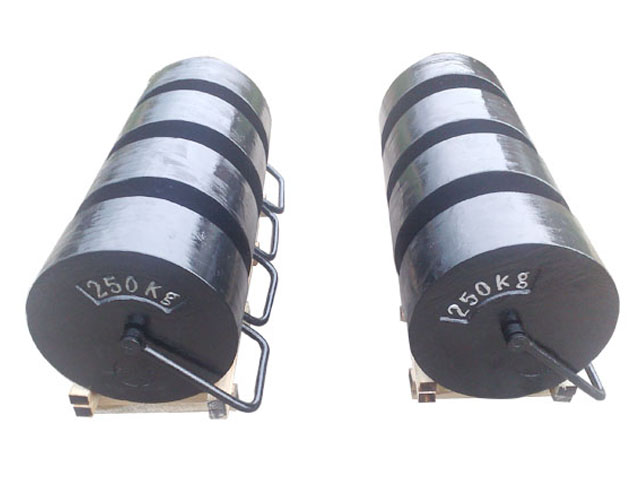
To understand the value of test weights, it is first necessary to define their purpose clearly within the context of balance operation. A test weight is a precisely manufactured object with a known, stable mass value, designed specifically to test, verify, and adjust the accuracy of balances and scales. Unlike standard weights that were once used primarily for direct weighing of goods, modern test weights serve a singular, vital function: acting as a reference standard to check whether a balance is reading mass correctly. When placed on the weighing pan of a balance, the test weight provides a fixed point of comparison; the balance’s displayed reading is matched against the known mass of the weight, revealing any deviations or inaccuracies in the instrument’s performance. This process is distinct from routine weighing, as it focuses on validating the balance itself rather than measuring an unknown substance. Over time, balances can drift from their calibrated state due to a range of factors: minor mechanical wear, changes in environmental conditions like temperature and humidity, accidental bumps or shifts in placement, and even gradual digital component degradation in electronic models. Test weights counteract this drift by offering a consistent, traceable reference, ensuring that every measurement taken by the balance aligns with established mass standards.
The design and construction of test weights are engineered to prioritize stability, durability, and resistance to factors that could alter their mass, making them suitable for long-term use with various types of balances. Most high-quality test weights are crafted from dense, non-magnetic materials that resist corrosion, abrasion, and environmental damage, such as polished stainless steel or solid brass. These materials are chosen for their ability to maintain a consistent mass over time, even with regular handling and exposure to typical laboratory or industrial conditions. The physical shape of test weights is also carefully considered: many feature a smooth, rounded design with a small lifting knob or grip to minimize surface contact during handling, reducing the risk of contamination, scratches, or material loss that could change their mass. Weights are available in a wide range of nominal mass values, from tiny milligram units used for micro-analytical balances to large kilogram weights designed for heavy-capacity industrial scales, allowing users to select the appropriate size to match the weighing range and sensitivity of their specific balance. Each test weight is manufactured to strict tolerance guidelines, meaning its actual mass falls within a very narrow range of its stated nominal value; this tight tolerance is what makes test weights reliable reference tools, as users can trust that the weight’s mass remains consistent within acceptable limits for their application.
Selecting the right test weight for a given balance is a deliberate process that requires careful consideration of the balance’s specifications and intended use. One key factor is the balance’s maximum weighing capacity and readability—small, highly sensitive analytical balances used in research labs require test weights with extremely narrow tolerances and small mass values, while larger industrial balances used for bulk materials can accommodate heavier test weights with slightly wider, yet still controlled, tolerances. A general guideline is that the test weight used should fall within the range of the most frequent weighing load for the balance, or near the balance’s maximum capacity, as deviations are often more pronounced at higher load levels. Using a test weight that is too light for the balance’s capacity may not accurately reveal performance issues across the full weighing range, while a weight that is excessively heavy can risk damaging the balance’s internal components. Additionally, the tolerance level of the test weight must align with the balance’s required precision; applications that demand ultra-fine measurements, such as pharmaceutical compounding or chemical research, need test weights with minimal allowable mass deviation, while general-purpose industrial weighing may use weights with slightly broader tolerances that still meet operational accuracy needs. This matching process ensures that the test weight effectively validates the balance’s performance for its specific day-to-day use, rather than just a narrow, unused portion of its range.
Proper handling and storage of test weights are just as critical as their design and selection, as even small mistakes can compromise their mass accuracy and render them ineffective for balance testing. One of the most common risks to test weight integrity is contamination from skin oils, dust, moisture, or chemical residues, all of which can add tiny but meaningful amounts of mass to the weight over time. For this reason, high-precision test weights should never be handled with bare hands; instead, users should wear clean, lint-free gloves or use specialized tweezers and weight grippers to lift and place the weights. Even a single fingerprint can add several micrograms of mass to a small test weight, enough to skew readings on a sensitive analytical balance and create noticeable errors in measurement data. When not in use, test weights should be stored in a dedicated, protective case lined with soft, non-abrasive material to prevent scratches, dust buildup, and exposure to harsh environmental conditions. Storage areas should be clean, dry, and free from extreme temperature fluctuations, as rapid changes in temperature can cause minor expansion or contraction of the weight’s material, temporarily altering its mass. It is also recommended to store test weights in the same room or environment as the balances they are used to test, allowing the weight to acclimate to the ambient temperature and humidity before use; this eliminates discrepancies caused by thermal differences between the weight and the balance, which can affect air buoyancy and lead to inaccurate test readings.
The science behind test weight functionality ties into fundamental principles of mass and measurement, including the impact of air buoyancy and environmental conditions on weighing accuracy. Many people overlook the fact that all objects experience a slight upward force from air buoyancy when weighed, which can make an object appear lighter than its true mass. Test weights are calibrated to account for standard air density and temperature conditions, ensuring that their stated mass value reflects the true mass when used in typical laboratory or industrial settings. This calibration accounts for the density of the weight material and the surrounding air, providing a consistent reference that cancels out buoyancy effects when testing a balance. During the balance verification process, users place the test weight gently on the center of the balance’s weighing pan, allowing the instrument to stabilize and display a reading. This reading is then compared to the test weight’s known mass; if the two values match within the acceptable tolerance range for the application, the balance is considered accurate and ready for use. If a deviation is detected, the balance can be adjusted to align with the test weight’s mass, correcting any drift or calibration error. This process is not a one-time task; regular testing with test weights is essential, as balances can gradually lose accuracy with repeated use, environmental changes, or minor mechanical shifts. The frequency of testing depends on the balance’s usage intensity and the criticality of the measurements: balances used for high-stakes applications like pharmaceutical research or quality control may require testing daily or weekly, while general-purpose lab balances may only need monthly or quarterly verification.
Beyond individual balance maintenance, test weights play a vital role in upholding consistency and reliability across entire industries and research fields. In scientific research, accurate weighing is the foundation of experimental validity; a small error in mass measurement can lead to incorrect conclusions, failed experiments, and the loss of months of research effort. Test weights ensure that lab balances across different facilities, regions, and even countries produce comparable results, creating a universal standard for mass measurement that allows researchers to replicate and validate each other’s work. In industrial settings, consistent weighing is essential for product quality, batch consistency, and compliance with internal quality standards. For example, in food manufacturing, precise measurement of ingredients ensures that products meet flavor, texture, and safety standards; in pharmaceutical production, accurate weighing of active ingredients is critical to ensure dosage consistency and patient safety. Without regular testing with reliable test weights, manufacturers risk producing products that do not meet specifications, leading to product recalls, wasted materials, and damage to reputation. In logistics and trade, accurate scales verified by test weights ensure fair transactions, preventing disputes over product weight and ensuring that both buyers and sellers receive equitable value. In every case, test weights act as a silent guarantee of fairness, quality, and accuracy, supporting the smooth operation of supply chains, research labs, and production facilities worldwide.
Even with proper handling, test weights themselves require periodic re-evaluation to maintain their effectiveness as reference standards. Over time, regular use can lead to minor wear, surface scratches, or subtle material loss that may alter the weight’s mass slightly. While high-quality test weights are built to resist these changes, they are not immune to gradual degradation, especially in busy industrial or lab environments. Scheduled rechecking of test weights against higher-grade reference standards helps identify any changes in mass, ensuring that the weights continue to meet their stated tolerance requirements. This re-evaluation process is a key part of a comprehensive measurement quality program, as it creates a chain of traceability from the test weight used daily to established global mass standards. Users should establish a regular schedule for test weight inspection, based on how frequently the weights are used and the level of precision required for their applications. Signs that a test weight may need re-evaluation or replacement include visible damage, surface corrosion, inconsistent readings during balance testing, or a history of accidental drops or rough handling. Promptly addressing these issues prevents the use of compromised test weights, which could lead to repeated balance calibration errors and unreliable measurements.
Common misconceptions about test weights and balance calibration often lead to avoidable measurement errors, highlighting the need for proper training and awareness among users. One widespread myth is that modern digital balances are self-calibrating and do not require regular testing with physical test weights. While many digital balances feature internal calibration systems, these internal mechanisms still need validation with external test weights to ensure their accuracy; internal calibration can correct for minor drift, but it cannot account for mechanical issues, sensor damage, or environmental factors that affect overall performance. Another misconception is that any heavy object can serve as a makeshift test weight, but ordinary objects lack the stable mass, tight tolerances, and resistance to environmental changes that define genuine test weights. Using random objects for balance testing will only lead to inconsistent, unreliable readings, as their mass can shift over time due to wear, moisture absorption, or contamination. Additionally, some users believe that a single test at the balance’s maximum capacity is sufficient to verify accuracy, but most balances perform differently across their weighing range; testing at multiple points, including the mid-range and typical working load, provides a more complete picture of the balance’s performance. Educating users on these facts helps ensure that test weights are used correctly, maximizing their effectiveness and preserving the accuracy of balance systems.
The impact of test weight quality and proper usage extends far beyond the immediate task of balance calibration, touching on broader themes of efficiency, sustainability, and accountability. Accurate measurements reduce waste by ensuring that materials are used in the correct quantities, minimizing overuse in production and reducing the amount of defective products that need to be discarded. In research settings, reliable data from accurately calibrated balances speeds up experimentation and reduces the need for repeated trials, saving time, labor, and valuable resources. For regulatory and internal quality purposes, documented balance testing with test weights provides a clear record of measurement integrity, helping organizations meet operational standards and demonstrate commitment to quality. This accountability is especially valuable in regulated industries where precise measurement is non-negotiable, as it provides a verifiable trail of calibration and testing that supports compliance and quality assurance efforts. Test weights, in this sense, are not just tools for measurement—they are investments in efficiency, sustainability, and operational excellence.
As measurement technology continues to advance, with balances becoming more digital, compact, and feature-rich, the role of test weights remains unchanged and irreplaceable. New balance designs may offer faster readouts, automated functions, and enhanced connectivity, but they still rely on a physical reference standard to confirm their accuracy, and that standard will always be the test weight. Manufacturers continue to refine test weight design, using advanced materials and manufacturing techniques to improve stability and reduce tolerance margins, but the core purpose remains the same: to provide a consistent, reliable reference for mass measurement. This continuity speaks to the fundamental importance of test weights in the world of metrology; no amount of technological innovation can eliminate the need for a tangible, traceable reference to validate measurement tools. Test weights adapt alongside balance technology, evolving to meet the needs of modern applications while retaining the core principles that have made them essential for centuries.
Looking ahead, the emphasis on precise measurement and quality assurance will only grow across industries, driven by global demand for consistent products, reliable scientific data, and sustainable operations. This increased focus will elevate the importance of test weights and proper balance calibration practices, as organizations seek to minimize errors and maximize efficiency. Investing in high-quality test weights, training staff on proper handling and testing protocols, and establishing regular calibration schedules will become standard practice for any operation that relies on accurate weighing. Small details, such as using proper handling tools, storing weights correctly, and scheduling regular re-evaluation, will continue to make a significant difference in measurement accuracy and overall operational success.
In conclusion, test weights are far more than simple metal objects used to check balance readings—they are the backbone of precise, reliable mass measurement. Their quiet, consistent work ensures that balances in laboratories, factories, research facilities, and commercial settings perform accurately, supporting every task that depends on correct weight determination. From groundbreaking scientific discoveries to everyday consumer goods, the impact of test weights is woven into nearly every aspect of modern life, often unseen but always essential. Proper selection, handling, and maintenance of test weights are not just technical tasks; they are commitments to quality, accuracy, and integrity in measurement. By recognizing the value of these unassuming tools and prioritizing their correct use, users can ensure that their balance systems deliver consistent, trustworthy results, avoiding costly errors and upholding the highest standards of performance in their respective fields. The test weight’s role as a foundation of balance accuracy is a testament to the idea that the most critical tools are often those that work quietly, without fanfare, to keep systems running smoothly and reliably.
