





Changzhou Veidt Weighing Co., Ltd. © 2022 ALL RIGHTS RESERVED Privacy Policy | Calibration Weight | Test Weights | Cast Iron Weights | Standard Weights | Laboratory Weights | XML | SITEMAP
NEWS LIST
test weight class M3
Saturday 21st March 2026 Back to list
In the broad landscape of precision measurement and industrial calibration, test weights serve as quiet but essential foundations for reliable weight readings across countless settings, from small-scale workshop operations to large-scale manufacturing and logistics facilities. Among the various classifications of test weights designed to match different accuracy needs and working environments, test weight class M3 holds a distinct and widely applicable position, tailored to support routine calibration, equipment verification, and load testing tasks that demand consistent performance without the ultra-fine precision required for laboratory or high-stakes commercial measurement work. This category of test weights is not defined by flashy features or specialized, niche uses; instead, it is built to deliver steady, dependable functionality in the kinds of everyday industrial and operational settings where measurement consistency directly impacts workflow efficiency, product quality, and operational safety. To fully grasp the role of M3 class test weights, it is important to explore their core design principles, material selection, intended applications, handling best practices, and the unique balance they strike between durability, accuracy, and practicality, as well as how they fit into the larger ecosystem of weight measurement tools that keep modern industrial and commercial operations running smoothly.
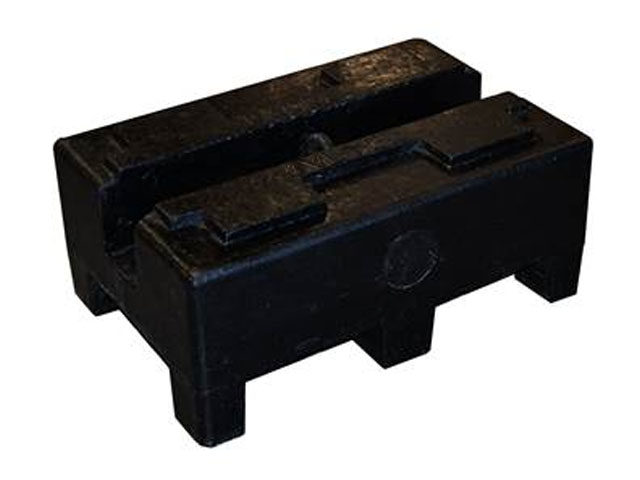
At its core, test weight class M3 is engineered to align with the tolerance and performance standards needed for calibrating mid-range to heavy-duty weighing equipment that serves general industrial and practical commercial purposes. Unlike higher-precision weight classes that are reserved for controlled laboratory environments, sensitive pharmaceutical or jewelry weighing, or high-value commodity trading where minute weight differences can carry significant consequences, M3 weights are crafted for the rugged, often unpredictable conditions of real-world workspaces. These weights are not intended to meet the strictest measurement tolerances, but their defined accuracy parameters are carefully calibrated to meet the needs of the equipment they are used to test, ensuring that scales, load cells, crane scales, and platform scales can provide consistent, trustworthy readings for daily operations. The tolerance range for M3 class test weights is structured to scale with the nominal weight value, meaning smaller individual weights carry a narrower margin of allowable deviation, while larger, heavier weights have a slightly wider but still controlled tolerance, a design choice that reflects the practical realities of how these tools are used in different scenarios. This balanced tolerance approach makes M3 weights versatile enough to support a wide range of equipment without the added cost and fragility of higher-precision alternatives, making them a practical choice for teams that need reliable calibration tools without excessive specialization.
Material selection for M3 class test weights is a key factor in their functionality and longevity, chosen specifically to withstand the wear and tear of regular industrial use while maintaining stable weight properties over time. The most common materials used for these weights are robust, dense metals that resist warping, corrosion, and physical damage from frequent handling, stacking, and transport in busy work environments. Cast iron is a prevalent choice for larger M3 weights, thanks to its high density, affordable production, and ability to hold a consistent weight even when exposed to minor scratches, moisture, or temperature fluctuations common in warehouses, manufacturing floors, and outdoor calibration sites. For smaller M3 weight sets used in workshop settings or for calibrating compact platform scales, steel alloys with protective coatings are often used, offering a smooth, durable surface that resists rust and abrasion without compromising the weight’s integrity. The design of M3 weights also prioritizes practicality over sleekness: larger weights often feature built-in handling points or reinforced edges to allow safe lifting with basic equipment, such as forklifts or manual lifting tools, while smaller individual weights are shaped for easy gripping and storage in stackable sets. Unlike precision weights that require delicate, fingerprint-resistant handling and sealed storage, M3 weights are built to be functional tools that can be moved, used, and stored as needed in active workspaces, reducing the risk of damage during routine use and making them accessible to teams that may not have dedicated calibration specialists on staff.
The true value of test weight class M3 becomes clear when examining its wide-ranging applications across industries and operational settings, where it fills a critical gap between basic, uncalibrated weight references and high-precision laboratory weights. One of the most common uses for M3 class test weights is the routine calibration and verification of industrial platform scales and floor scales, which are used to weigh raw materials, finished products, pallets of goods, and heavy equipment components in manufacturing, warehousing, and distribution centers. These scales are not designed for microscopic precision, but they need to be consistently accurate to ensure proper inventory management, fair material handling, and compliance with internal quality standards; M3 weights provide the perfect reference point to check and adjust these scales regularly, preventing small measurement drifts from turning into costly errors over time. In construction and heavy industry, M3 weights are widely used for load testing and calibrating crane scales and lifting equipment, where accurate weight readings are essential for workplace safety and preventing overloading that could lead to equipment failure or accidents. Construction teams, steel fabricators, and machinery repair shops rely on M3 weights to verify that their lifting and weighing tools are functioning within safe operational limits, as even a small discrepancy in weight reading can pose significant risks in heavy-duty lifting scenarios.
Beyond industrial and construction settings, M3 class test weights also play a valuable role in agricultural operations, where weighing bulk goods like grain, feed, fertilizer, and harvested crops is a daily task. Agricultural scales are often used in outdoor or semi-outdoor environments, exposed to dust, moisture, and varying temperatures, and M3 weights’ durable design and stable performance make them well-suited for calibrating these scales in less-than-controlled conditions. Small to mid-sized agricultural businesses benefit greatly from M3 weights, as they offer a cost-effective way to maintain scale accuracy without investing in specialized precision equipment that would be vulnerable to damage in farm settings. Additionally, M3 class test weights are used in educational and training environments, such as vocational schools and technical training programs, where students learn about measurement principles, calibration techniques, and industrial equipment maintenance. These weights provide a hands-on, durable tool for teaching basic weight calibration skills, allowing learners to practice proper handling and testing procedures without the risk of damaging expensive precision weights. In this way, M3 weights serve not just as operational tools but also as educational aids, helping to build a foundation of measurement knowledge for future industrial workers.
Another important application for M3 class test weights is in routine maintenance and quality control for small to mid-sized commercial operations that use medium-capacity scales, such as local shipping centers, bulk food distributors, and hardware supply stores. These businesses do not require the hyper-precise weights used for high-value goods, but they need to ensure their scales are accurate enough to provide fair and consistent measurements for customers and internal operations. M3 weights allow these businesses to perform regular in-house calibration checks, reducing the need for frequent third-party calibration services and minimizing downtime when scales need adjustment. The portability of smaller M3 weight sets also makes them ideal for on-the-go calibration tasks, such as field testing scales at remote storage facilities, construction sites, or temporary distribution points, where bringing heavy or fragile precision weights is not practical. This mobility and adaptability make M3 weights a staple in the toolkit of maintenance technicians, quality control specialists, and operations managers who need reliable calibration solutions across multiple locations.
While M3 class test weights are built for durability, proper handling and basic maintenance are essential to preserve their accuracy and extend their usable life, even in rugged work environments. One of the most important practices is avoiding unnecessary physical damage, such as dropping, banging, or dragging weights, as even small dents or chips can alter the weight’s nominal value over time, even with the forgiving tolerance range of the M3 class. When not in use, M3 weights should be stored in a clean, dry area, away from harsh chemicals, excessive moisture, and extreme temperatures that could cause corrosion or material degradation; larger weights should be placed on stable, flat surfaces to prevent warping, while smaller weight sets can be stored in fitted cases to keep them organized and protected from dust and scratches. Regular cleaning is also a simple but effective maintenance step: using a soft, dry cloth to remove dust, dirt, and debris from the surface of the weights helps prevent abrasive particles from causing wear, and mild, non-corrosive cleaning solutions can be used for stubborn grime without damaging the protective coating on steel or cast iron weights. It is also important to avoid placing heavy objects on top of M3 weights, as prolonged pressure can cause subtle deformation that affects their accuracy, especially for smaller, thinner weight pieces.
Calibration frequency for M3 test weights themselves is another key consideration, as even the most durable weights can experience minor wear or weight shift over years of use. The frequency of recertification and adjustment for M3 weights depends on how often they are used and the conditions they are exposed to; weights used daily in heavy industrial settings may need periodic checks more often than those used occasionally in a clean, indoor workshop. While these weights do not require the frequent, highly detailed calibration of precision laboratory weights, regular verification against a stable reference standard ensures that they continue to meet the M3 class tolerance requirements and provide reliable readings for the equipment they calibrate. This proactive approach to maintenance not only ensures consistent performance but also helps teams avoid costly mistakes that could arise from using a degraded or inaccurate test weight, such as misweighed materials, faulty equipment calibration, or compromised safety in load testing scenarios.
When comparing M3 class test weights to other weight classes, it becomes clear that this category fills a unique and irreplaceable niche in the measurement industry. Higher-precision weight classes, designed for laboratory and ultra-sensitive applications, are often more fragile, require strict handling protocols, and come with higher production costs, making them impractical for everyday industrial use. Lower-grade weight references, on the other hand, lack the defined tolerances and consistent performance needed for reliable calibration, leading to inconsistent scale readings and potential operational errors. M3 class weights strike the perfect middle ground, offering controlled, reliable accuracy paired with rugged durability and accessible functionality, making them suitable for the vast majority of routine calibration tasks that do not demand laboratory-level precision. This balance is what makes M3 weights one of the most widely used test weight categories across diverse industries, as they cater to the practical needs of real-world operations rather than specialized, low-volume use cases.
The design philosophy behind M3 class test weights also reflects a deep understanding of operational efficiency, as these tools are made to be intuitive and easy to use for workers with varying levels of calibration experience. Unlike complex precision measurement tools that require specialized training to operate correctly, M3 weights are straightforward: their nominal weight is clearly marked, their physical design is easy to handle, and the calibration process using these weights is simple to learn and execute. This accessibility means that teams do not need to hire dedicated calibration experts to perform routine equipment checks, reducing labor costs and streamlining maintenance workflows. In busy industrial settings where time is a critical resource, the ability to quickly and reliably calibrate scales and weighing equipment with M3 weights minimizes downtime and keeps operations running smoothly, without sacrificing the consistency needed for quality and safety standards.
In addition to their direct calibration and testing functions, M3 class test weights also contribute to long-term cost savings for businesses and organizations in several ways. By enabling regular in-house calibration of weighing equipment, these weights reduce the need for expensive third-party calibration services and minimize the risk of equipment downtime due to uncalibrated or faulty scales. Accurate weighing also prevents material waste and inventory discrepancies, as consistent weight readings ensure that raw materials are used efficiently, finished products are counted correctly, and shipments are accurately documented. In industries where even small measurement errors can add up over time, such as manufacturing, agriculture, and logistics, the reliable performance of M3 test weights helps avoid costly rework, overstocking, or under-delivery of goods. Furthermore, the durable construction of M3 weights means they have a long usable life with proper maintenance, reducing the need for frequent replacements and providing a steady return on investment over years of use.
Looking at the broader context of modern industry and measurement standards, the demand for reliable, practical calibration tools like M3 class test weights remains consistently high, as more businesses prioritize operational efficiency, quality control, and workplace safety. As manufacturing and logistics processes become more streamlined and automated, the need for consistent, accurate weight measurements only grows, and M3 weights continue to adapt to these changing needs through subtle design improvements, such as enhanced protective coatings, ergonomic handling features, and more consistent material manufacturing processes. These updates do not change the core purpose of M3 class weights but instead enhance their functionality and durability, making them even more suited to the demands of modern work environments.
It is also important to note that M3 class test weights are not limited to large-scale industrial operations; they are equally valuable for small businesses, independent workshops, and local service providers that rely on accurate weighing for their daily operations. A small manufacturing shop producing heavy parts, a local farm that needs to calibrate bulk grain scales, a construction company that tests lifting equipment, or a vocational school teaching technical skills all benefit from the practicality and reliability of M3 weights. This widespread usability across different business sizes and industry sectors highlights the universal need for a mid-range, durable test weight option, and M3 class weights continue to meet that need effectively.
In summary, test weight class M3 is far more than just a basic calibration tool; it is a foundational element of reliable weight measurement in countless practical, real-world settings. Its carefully balanced design, durable material selection, defined tolerance parameters, and wide range of applications make it an indispensable part of maintenance, quality control, safety, and operational workflows across manufacturing, construction, agriculture, logistics, education, and small business sectors. By delivering consistent, accessible performance without the unnecessary complexity or cost of higher-precision alternatives, M3 class test weights provide a practical solution to the everyday challenge of maintaining accurate weighing equipment. Whether used to calibrate a warehouse platform scale, test a crane’s load capacity, teach students basic measurement principles, or verify the accuracy of a farm’s bulk goods scale, M3 weights perform their role quietly and reliably, supporting efficiency, safety, and consistency in operations that form the backbone of modern industry and commerce. As long as businesses and organizations rely on accurate weight measurements for their daily work, test weight class M3 will remain a vital, practical, and widely trusted tool, embodying the perfect balance of functionality, durability, and affordability for routine calibration and testing needs.
